|
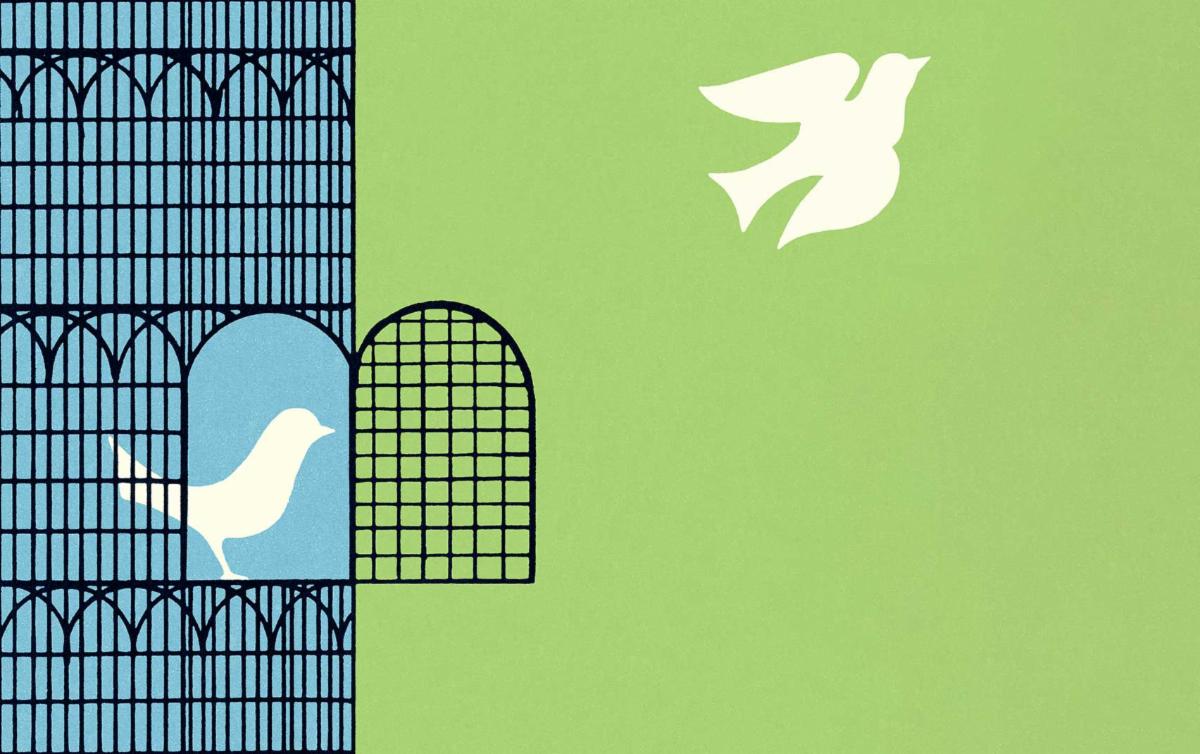
Closed doors have always made me uncomfortable. It started early. My mother—an exhausted single parent—would invariably have to leave my bedroom door open at night as a concession in the nightly negotiation over my incredibly unfair bedtime. This had little to do with a fear of the dark. I simply didn’t want to miss anything. I wanted to see what was happening beyond the four walls and roof that enclosed me, and I was certain everything important was happening out there.
Each night, I also made her promise that I would “see her tomorrow.” I was convinced she was hiding from me the fact that I was dying from the same terminal disease I had just learned about on Marcus Welby, M.D. or some other horrifying 1960s medical drama (I was banned from that programming by about third grade). To complicate matters, my younger sister insisted that she and my mother would one night move away without telling me. With an open door and vigilant eyes, I could prevent such shenanigans.
Academically, closed classroom doors became hostile gatekeepers, boxing me in while tyrannical wardens presided over the suffocating confinements of readin’, writin’, and ’rithmetic. Recess, notably, had no doors.
Professionally speaking—as nearly any manager can attest—when a colleague or employee enters your office and closes the door, nine times out of ten the ensuing conversation will not be pleasant. No one closes a door for good news. Good news is shared; bad news is delivered behind a shut door.
When the conference room door swung closed for “the meeting,” my shoulders would sag imperceptibly. Escape was impossible. On the rare occasions the door remained open, the meeting felt lighter—a sliver of light at the end of the PowerPoint tunnel.
Clearly, my aversion to literal closed doors might warrant therapeutic examination. I recognize that many of the professional experiences above belong to a pre-COVID world. We don’t gather like we once did—despite corporate mandates urging us back. Our closed-door boxes have given way to Zoom boxes on screens.
For all its supposed efficiency, practicality, and delightful lack of
physical doors, Zoom, Teams, and their likes are invariably awkward. Meetings don’t so much end as sputter out—participants unsure when
it’s their turn to speak or when to click “Leave” before disappearing abruptly into the ether. The post-COVID disruption of physically seeing the same people consistently has reminded me that the phrase I once insisted my mother use at bedtime has slowly become yet another casualty of human interaction.
“See you tomorrow.” And its Friday companion, “See you Monday.” These were validations of our collective routines. I can still breezily intone, “Have a good weekend” in a Friday email or virtual meeting, but there’s no commitment in that phrase the way there was in the “see yous.” They implied stability—the comfort of knowing the rhthym would continue, that not much would change. We were tethered to one another.
“See you later” is a distant cousin, reserved for those who cross our orbit only occasionally. It carries an indeterminate sense of time. “Later” is non-specific. “Tomorrow” and “Monday” are not.
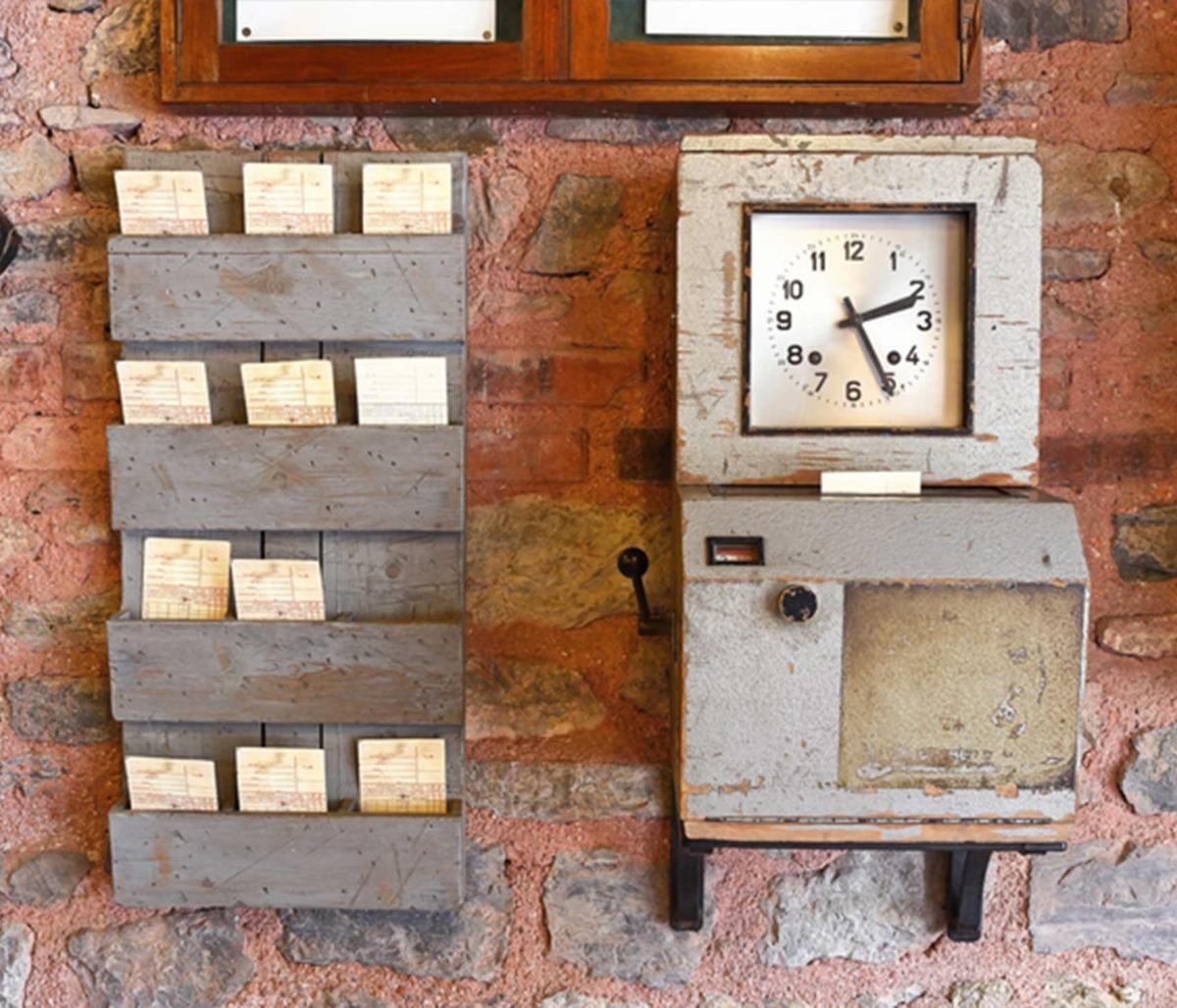
“See you tomorrow”—for me, anyway—was one of the quiet glues of working life. It said, I’ll be here, and so will you. This is our place. We have work to do together.
Of course, the only constant is change. I don’t mean this as another harangue about the tremors of the past four or five years. Many people have worked virtually for decades, and we’ll adapt. Recently, The Atlantic published a thoughtful article about the scope, pace, and impact artificial intelligence will have on our collective future. As I read it, I found myself wondering whether we are—consciously or unconsciously—making it easier for this onslaught by no longer employing “see you tomorrow.”
Some organizations are trying to mandate it back into existence and I don’t believe that’s a healthy answer. Make it so your folks want to come back on a more regular basis. Physical gathering at work needs to employ more social influences. This will be decried by the efficiency and productivity czars, but these social connections will, I believe, lead to a better long-term partnership for us humans and our technology.
Well—see you sometime.
|