|
I once believed that marketing didn’t work. A younger me figured I was immune to advertising; really, I just wasn’t interested in what was being sold. The huge corporations whose ads I was seeing never needed me.
The algorithm has rewired my thinking. The ads that pull me in now are the ones that seem to know me. I’m not the type who’d fall for a Maytag sale, but oh, Cotopaxi, you got me good! Did I need another waterproof camp shirt? Need is a strong word. But it’s “Gear for Good?” Sustainable manufacturing? Using corporate profits to fight poverty? That speaks to me. It tells a story. Brands like Cotopaxi get my money not because they’re everywhere, but because they say something specific that aligns with something I believe. Marketing works when done well.
Heck, I almost went to Drexel University out of high school, simply because they mentioned their paintball team in some marketing materials. That’s not a school speaking broadly. It’s a school speaking to a version of me at 17 in a way no other school was.
Most of our clients aren’t marketing to a built-in audience the way a consumer brand like Cotopaxi is. They’re not winning over an already loyal customer for the hundredth time. It’s a larger lift, but it has parallels: they need to convince someone they’re worth a look, and stand out from the hundreds of competitors that appear a heck of a lot alike. And yet what a lot of marketing has looked like for the past decade has left me perplexed.
I’ve watched more and more colleges and universities lean on data-supported decision making. To be clear, data is great at the job it’s actually good at — finding an audience that already thinks the way you do. But it also typically identifies the same “mission critical” messaging every other institution also identifies, tested to appeal to a wide group with a broad message. That doesn’t make it good. It might land on interested eyes, but it doesn’t speak to the fringe where the best-fit audience sits. The esoteric piece with the quirky headline might not make a lot of sense to the masses, but doesn’t need to. It speaks to the student who stops scrolling at “paintball team.” They’re in.
Too many institutions are leaning on the safe and the provable. They end up touting the same accolades, rankings, and academic bona fides as everyone else in their region. I drove past a billboard last week proclaiming “future-ready academics.” Sound familiar? That same line could sit next to any school in the country, and I’d believe it. It says nothing.
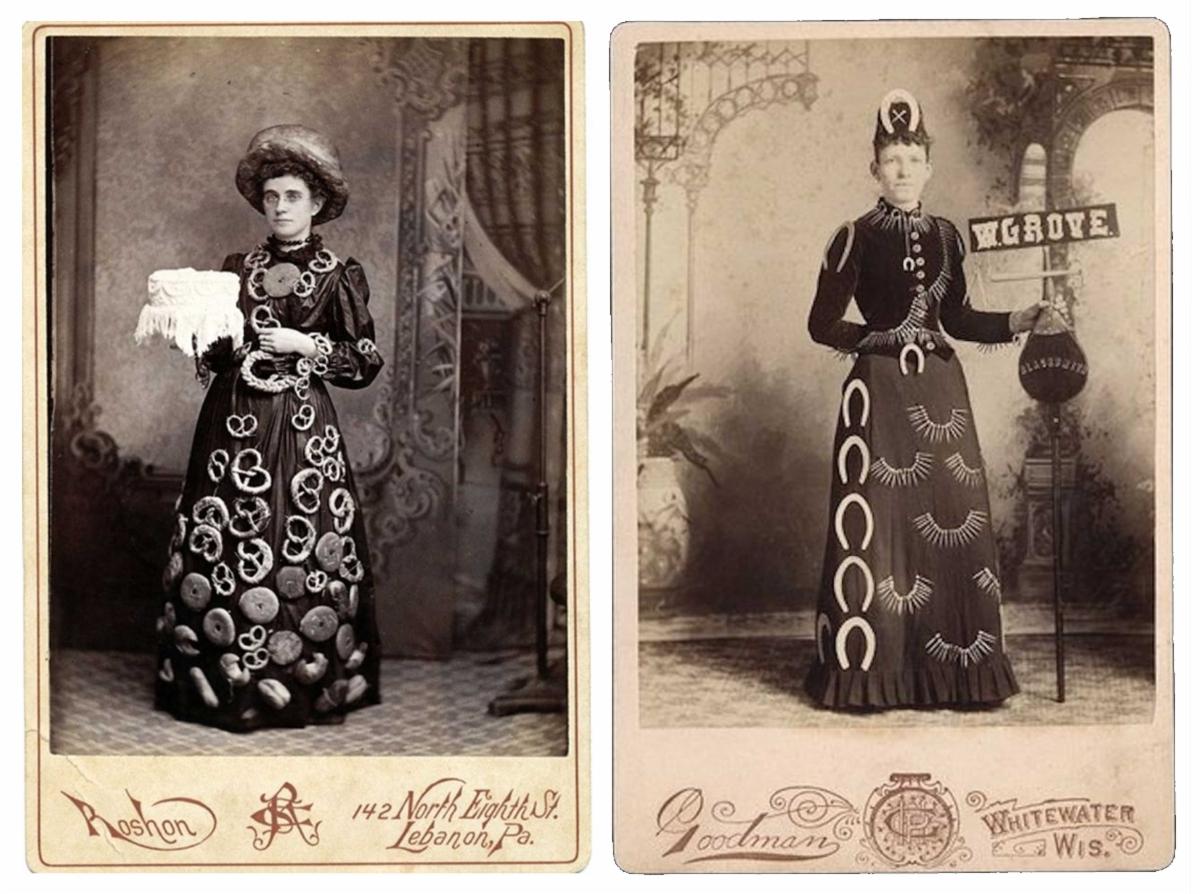
Meanwhile, here’s what actually would say something: a campus where bikes lie on the lawn without a lock in sight. A linguistics professor who quietly runs the coolest stargazing club in town. A popcorn festival that takes over downtown every fall. A soapbox derby on freshman weekend that’s been running for 83 years, broken bones be damned. Those quirks aren’t mere trivia… they paint a picture. They’re the case for why the audience should pick you over the place down the road who failed to get more descriptive than “a lifetime of memories.”
This bleeds into alumni marketing too. Alumni already went to the school; they don’t need to hear how good it is. They lived it. They need to be reminded of what they loved about it. Now in their 40s, with that limp from the lingering soapbox derby injury, they want to give you money so the class of 2030 can break their ankles too. Lead with rankings and you might get a check. Lead with a broken ankle earned on the way to a trophy at 18, and you’ll get the check — plus a dozen emails from alumni eager to share their own stories.
The idea of college is facing real headwinds. I don’t think there is safety in playing it safe. Risk-taking and standing out built most of these institutions’ reputations in the first place. Accolades absolutely matter. But looking like every other school out there might be the biggest risk of all.
Your audience knows you’re good. What they need to know is what makes you right for them. Show yourself. Be specific. Surprise people. Aim for the fringes — that’s where the audience is standing, waiting for someone to speak their language. Marketing works, if it’s the kind that knows exactly who it’s for.
|