|
We're thrilled to share that the 2026 Atlantic, National Edition, and International Challenge evaluation tour is set to commence on June 12th in Costigliole d'Asti, Italy, and will wrap up on August 11th at the Niagara Parks Botanical Gardens in Ontario.
CiB Judges eagerly anticipate delving into the accomplishments of communities and attractions participating in this year's CiB program. From fostering civic pride to adapting to climate change impacts, enhancing green spaces, strengthening neighbourhoods, and boosting investment opportunities and tourism, these communities and attractions are making remarkable strides. Wishing safe travels to all involved!
| | SCOTTS GRO FOR GOOD 2026 RECIPIENTS | |
Scotts Canada received an incredible number of submissions for this year's Gro for Good grant program! After careful selection, we’re excited to announce the 3 communities who will each receive $4,500 in funding to build, maintain, and harvest their garden - helping to support their local food banks.
The 2026 Gro for Good grant recipients are...
Greener Grounds Project – Climate‑Resilient Urban Forest & Pollinator Garden
Jardin-école de Cultivons Châteauguay
Harvesting Change
Congratulations!! We can't wait to see your gardens come to life in our annual video contest later this fall!
Thanks to all of the partners involved
| |
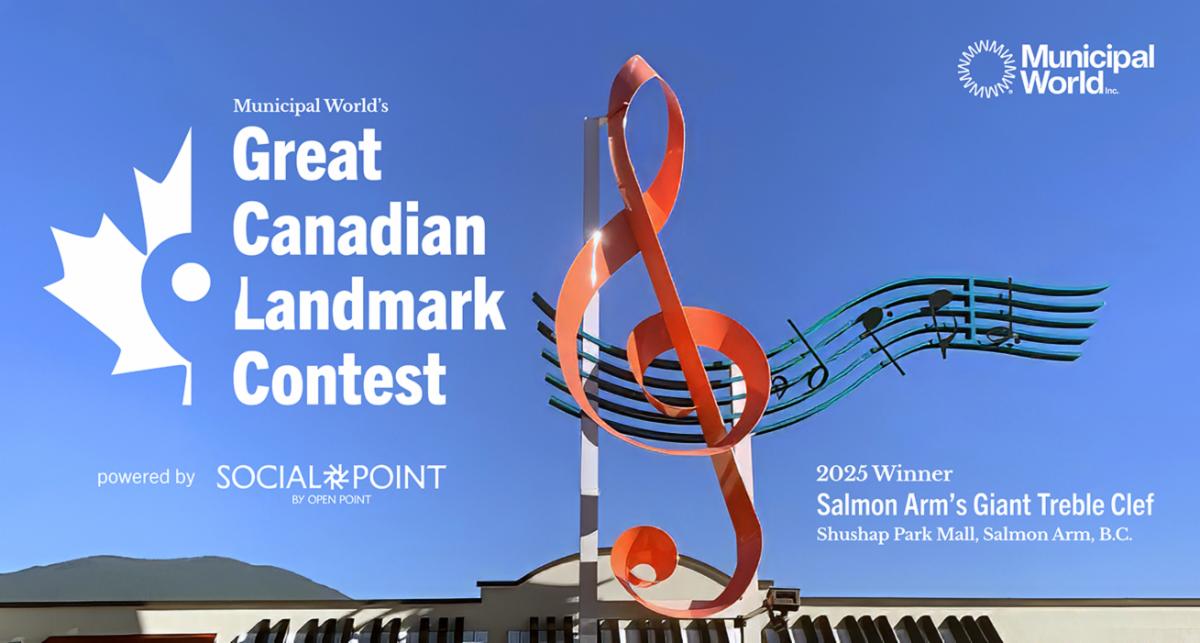
2026 MUNICIPAL WORLD
GREAT CANADIAN LANDMARK CONTEST
| | The Great Canadian Landmark Contest is back for its third year, celebrating the places that make Canada truly extraordinary. Now open until Friday, Aug. 14, you can nominate your favourite landmark. Whether it’s a historic building, a breathtaking natural wonder, or a quirky local treasure, you can cast your vote. The landmark that receives the most votes will get national recognition and be featured in the Municipal World December awards issue. | | |
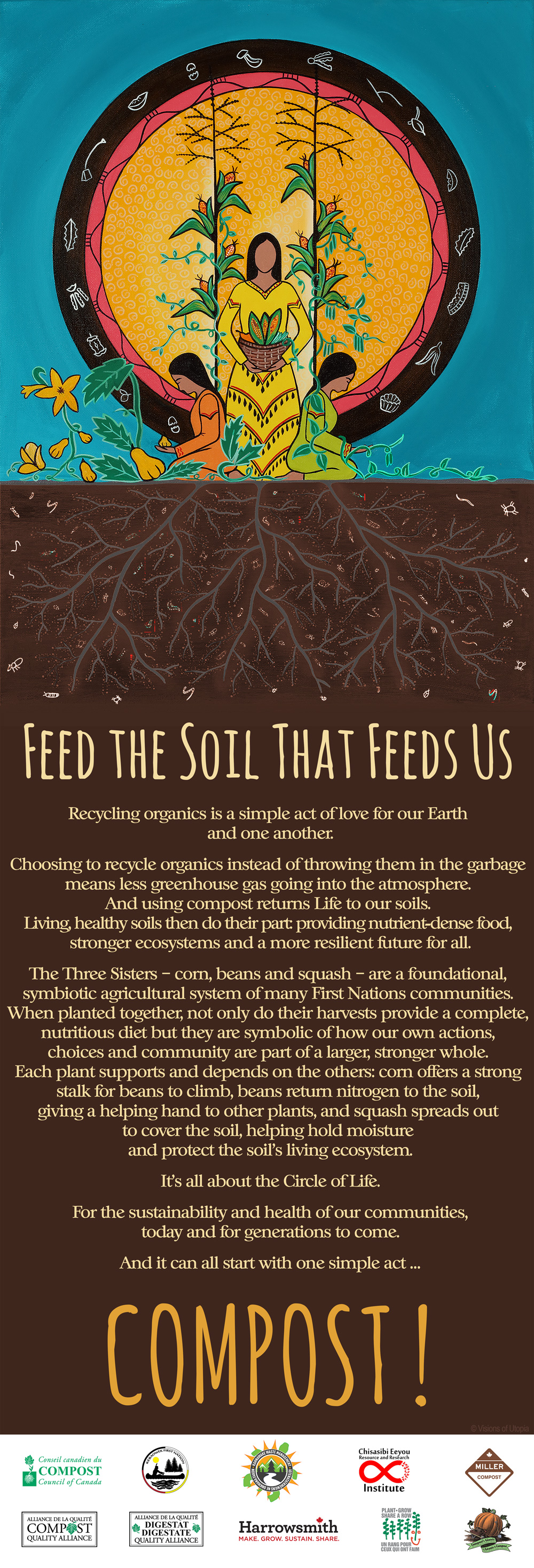
COMPOST COUNCIL OF CANADA
WEBINAR RECORDING
| | |
If you missed it, you can now watch the full recording of our recent webinar with the Compost Council of Canada - Food Gardening Matters: Cultivating Resilient Communities Through Therapeutic Gardens
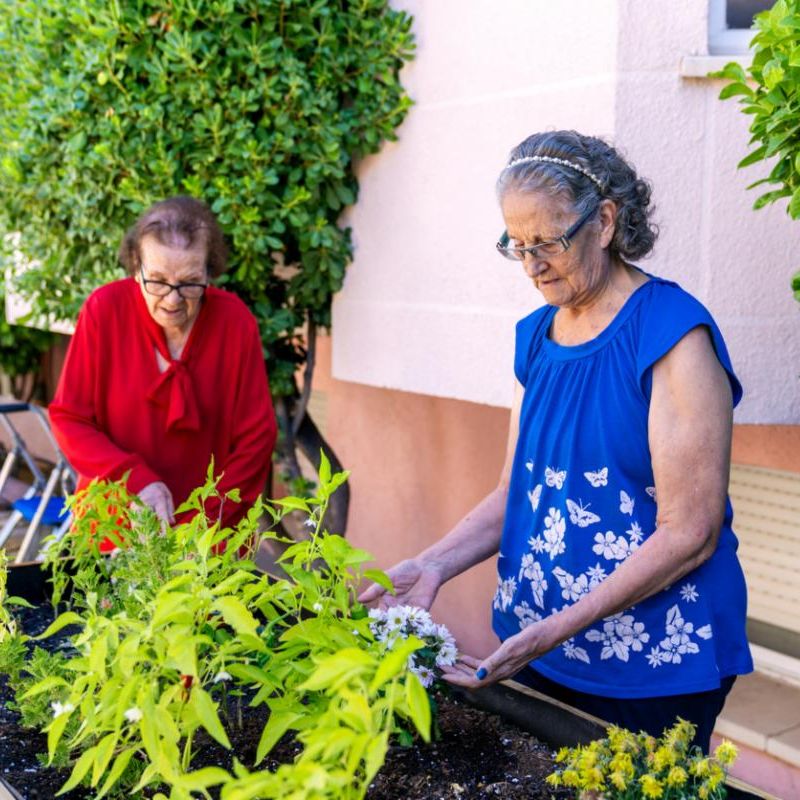
This session highlights how food gardening and therapeutic green spaces can help build stronger, healthier communities—right in line with Communities in Bloom’s 2026 theme.
| | THE BENEFITS OF THERAPEUTIC GARDENING | | | | A new global study of more than 38,000 people found that individuals who feel more connected to nature report greater happiness, resilience, and overall life satisfaction. The research, featured in The Conversation, highlights the powerful role that time spent in natural environments can play in supporting well-being around the world. | | As part of CiB's Therapeutic Gardening theme this year, the Always Together Rose stands as a beautiful symbol of community, compassion, and hope. We’re pleased to share that a list of retailers carrying these roses is now available. Visit the link below to find participating garden centre locations near you. Proceeds from each sale support both the Never Alone Foundation and the Communities in Bloom Foundation, helping advance programs that make a meaningful difference in people’s lives. With the Always Together Rose, we’re planting more than flowers—we’re nurturing connection, well-being, and hope across our communities. | | |
DO YOU KNOW WHAT
TYPE OF GARDEN SOIL YOU HAVE?
| | | | |
Take a handful of soil and look closely. It might seem like nothing more than dirt—but hidden within it is a powerful mix of tiny particles that determine whether plants thrive or struggle. Understanding soil isn’t just for scientists; it’s one of the most useful tools any gardener can have.
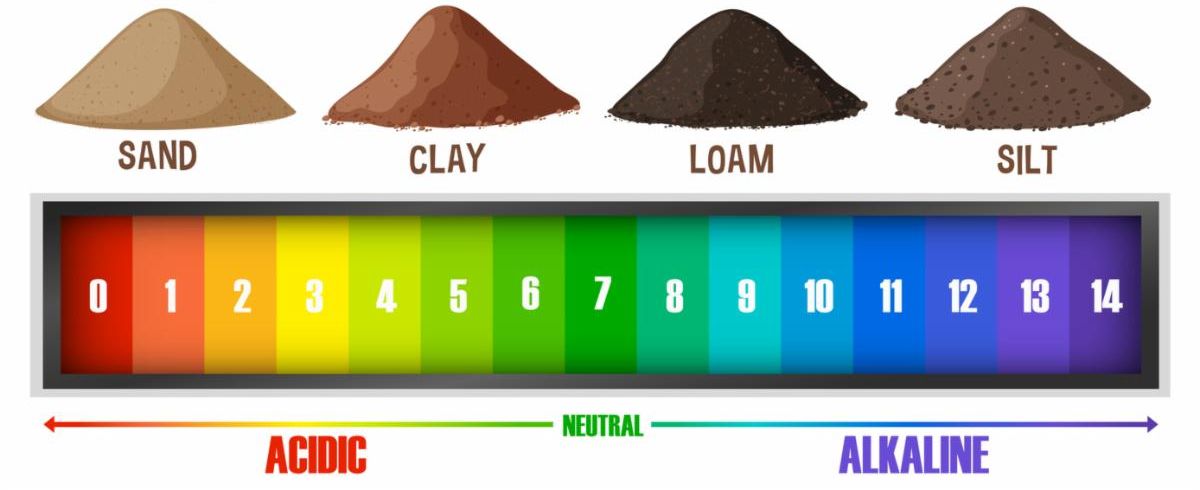
Soil is made up of three main types of particles: sand, silt, and clay. Each plays a unique role in supporting plant life.
Sand has the largest particles and feels gritty. Water drains through it quickly, so sandy soil doesn’t hold moisture or nutrients well. However, it’s great for plants that prefer dry conditions.
| | |
Silt has medium-sized particles and feels smooth, almost like flour. It holds water better than sand and contains more nutrients, making it helpful for plant growth.
Clay has the smallest particles and feels sticky when wet. It holds water and nutrients very well, but can become compacted, making it harder for roots to grow and for water to drain.
| |
Most soils are a mix of all three. The balance between sand, silt, and clay gives soil its texture, which affects how well plants grow. A balanced soil, called loam, is ideal because it holds moisture while still allowing good drainage.
Knowing your soil texture helps you garden more successfully. Sandy soil may need compost to improve water retention, while clay soil benefits from added organic matter to loosen it. Matching plants to your soil—or improving your soil—helps create healthier gardens.
| | 🔎 Try it yourself: Soil Investigation | |
Soil Ribbon Test
Moisten a small amount of soil and roll it into a ball. Press it between your fingers to form a ribbon.
- Crumbly = sandy
- Short ribbon = silty
- Long, flexible ribbon = clay-rich
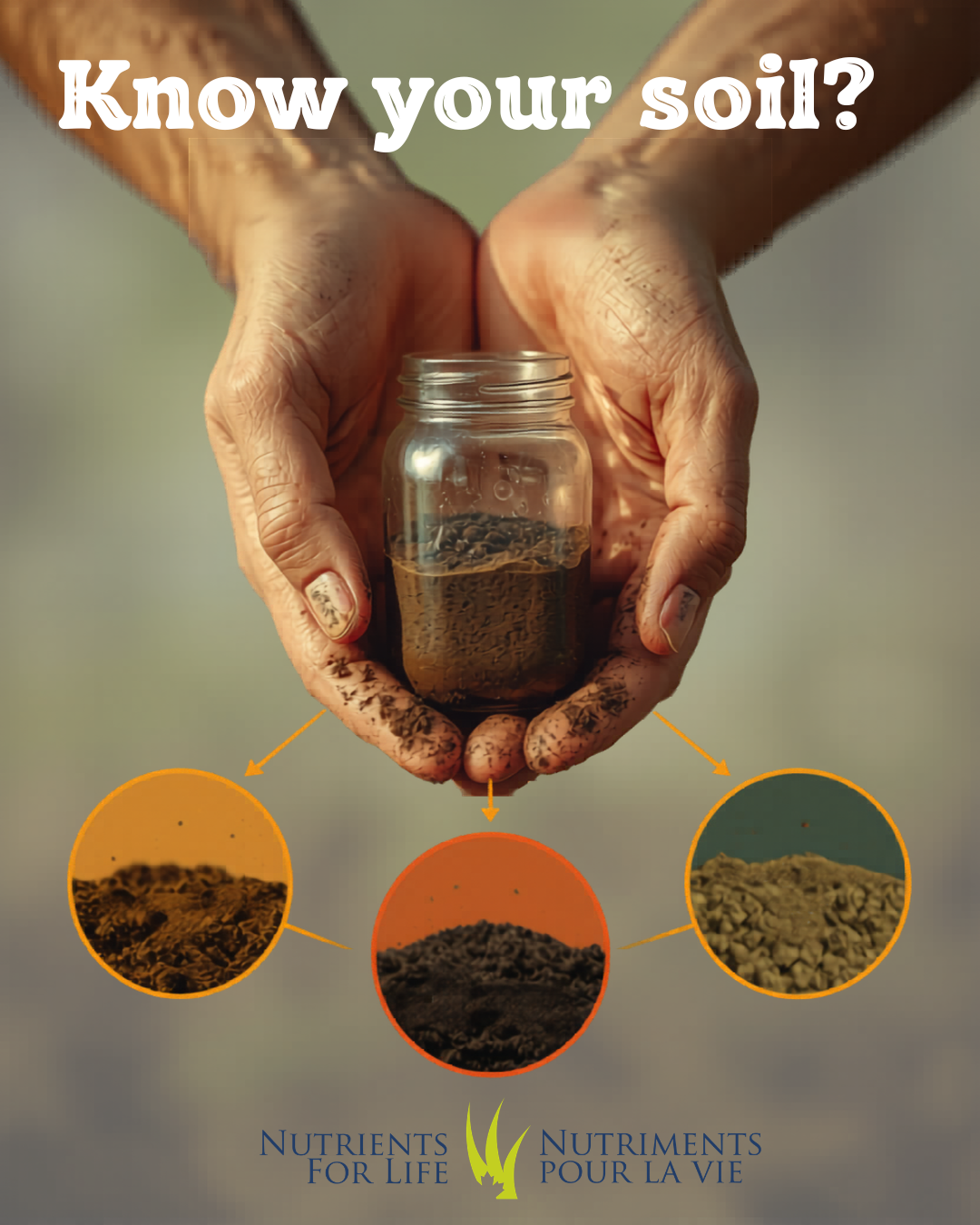
Soil Separation Demo (Jar Test)
Add soil and water to a clear jar, shake well, and let it settle.
- Sand settles first (bottom)
- Silt forms the middle layer
- Clay settles last (top)
- This shows the proportions of each particle.
Soil Texture Triangle
Using your results, you can plot the percentages of sand, silt, and clay on a soil triangle chart to classify your soil type (like loam or sandy clay). This helps guide planting decisions.
Soil is more than just dirt—it’s the foundation of life. By understanding its texture, you can make smarter choices and grow a healthier, more successful garden.
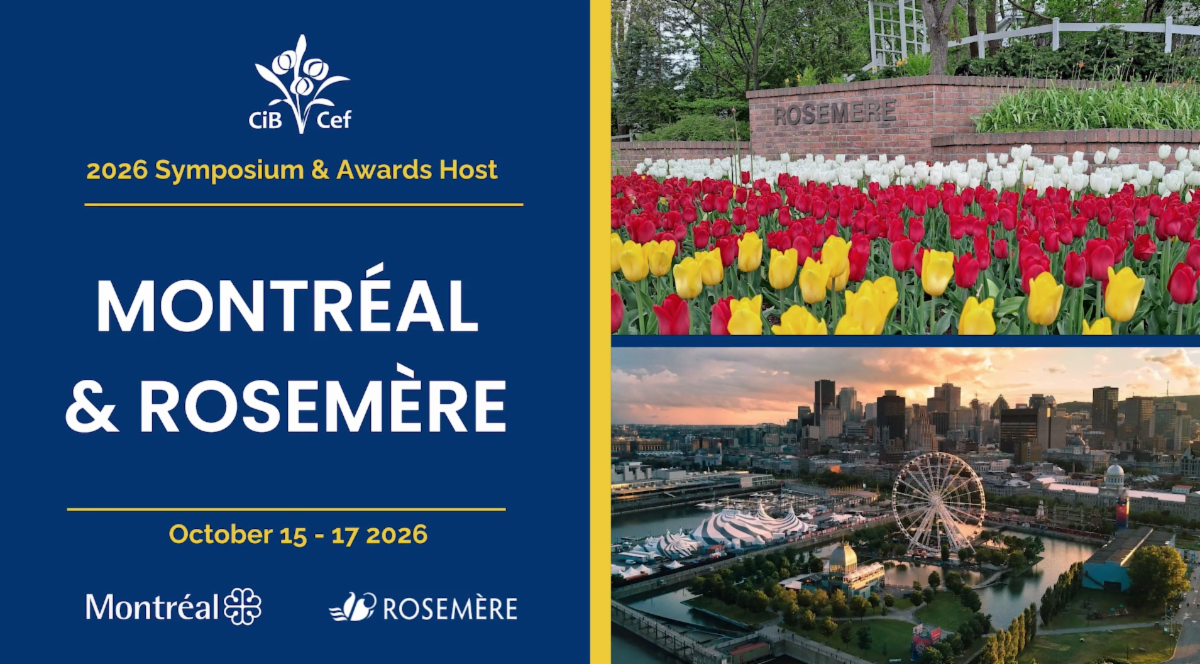
| | The Federation of Canadian Municipalities' Annual Conference and Trade Show is almost here! CiB will be in Edmonton AB on the trade show floor June 4–7, 2026. A special shout-out to Desert Planters by Equinox, who has generously agreed to share a booth with Communities in Bloom this year. Their support means so much to us, and we’re excited to team up together and make this event even more memorable. Make sure you visit our booth—we’re here to help your municipality with tools and innovative ideas. | | Save the Date! You’re cordially invited to the 2026 CiB Symposium & Awards in Montréal & Rosemère, Québec. Join us from October 15 to 17, 2026, for an unforgettable event! | | GREEN CITIES FOUNDATION GRANT | | Through matching grants and contributions of materials and labour, GCF supports local projects that renovate and enhance community green spaces. Let’s grow healthier, greener communities together! | | |
Do you have a great volunteer you'd like us to celebrate?
Send the information to bloom@cib-cef.com and we'll feature them in an upcoming e-News, or on Social Media!
| | |
If you have any questions, please contact:
Sonia Parrino
Program Specialist
1-514-694-8871
bloom@cib-cef.com
| | |
Communities in Bloom is made possible by the generous support of our
sponsors and partners. We wish to thank them for their contribution
to the quality of life and civic pride in Canadian communities.
| |
You are receiving this email from Communities in Bloom, a national non-profit organization with charity status. For comments or questions, please contact us at
| | | | |