October 2024

Your work on a Community Action board is important and is tied closely to elements of the history of community action - including the power of the tri-partite board structure, the focus on local solutions to local needs, the call to prioritize causes of poverty over the symptoms, the importance of coordinating closely with partners at all levels, the empowerment of communities through opportunities and solutions, and the maximization of impact through leveraging resources. For this precious time that you are serving, invest fully and truly learn the agency you serve. Provide the crucial vision through strategic planning. Advocate with your full voice for the important work of the agency. Understand the successes and challenges of the Executive Director and staff, and the people being served. Leave your service exhausted, but with the deep gratification of having made a lasting contribution to the whole of your community. Thank you for your service to your community, agency, and the Commonwealth.


Matt Fitzgerald

Director, Office of Economic Opportunity

Board Self Assessments

are Vital to Moving Forward


Periodic board assessments are not only intended to make sure your board is on the right track, but also are vital to making sure you are utilizing best practices and strategies for success. BoardSource recommends organizations conduct assessments every two years beginning with a general discussion on the role of the board and expectations of its members. Having this discussion at the onset will manage expectations, allowing diverse perspectives to impact the process.Once you're on the same page, it is time to invite board members to participate in the self-assessment process to help identify issues needing clarification, gaps in skills the board may need to be successful, and topics for future board education. Here are few resources to get your started:


Best Practices for Great Board Meeting Minutes


Your board’s minutes are not just the written record of what transpired during a meeting, but should serve as a actionable blueprint for action and future planning. The official minutes are an historical record, a document of accountability, a key tool for communication with other stakeholders, a reference material for board members, and a way to promote transparency within your agency. The following are key tips in preparing your minutes:

Review the Agenda - Take some time before the meeting to familiarize yourself with the agenda.


Familiarize Yourself with the Material - Read any documents or reports

related to the agenda items. Prepare a list of key terms, acronyms, and jargon that may be used during the meeting.


Know the Participants - Find out about the board members, attendees, and any key guests you expect to attend or present at the meeting. 

The Basics - Meeting details and participants


Summary of Discussions – Include key points, supporting data, questions/concerns, action items, motions/resolutions, and key decisions


Planning for the Next Meeting and Beyond

Next steps, future meetings, preparation


Transcribe and Organize – Asap transcribe handwritten notes to a digital document using a template to organize the information you gathered


Proofread and Edit - The final minutes should be a polished and professional document.


Distribute Draft Minutes - Send to board members and other stakeholders for review and approval. This step is essential to ensure that all participants agree on the accuracy and completeness of the minutes. 

For more resources and tools, including some tips and best practices for taking minutes, visit https://www.boardbook.org/resources/minutes-101-minute-taking-essentials

New Poverty Data Released


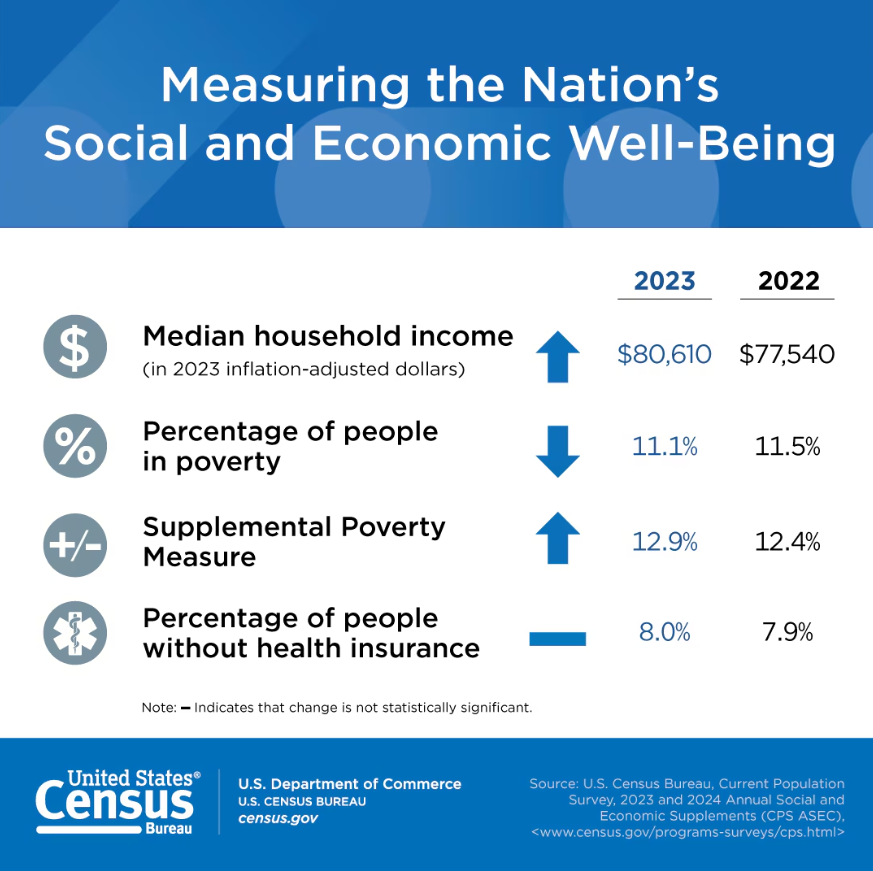
According to a recently released report from the U.S. Census Bureau, the official poverty rate fell by .4 percentage points to 11.1 percent with 36.8 million people experiencing poverty. Decreases were seen among various demographic groups except for individuals identifying as multiracial, which saw an increase. The poverty rate using the Supplemental Poverty Measure (SPM) rate, which accounts for noncash income, rose to 12.9 percent, with child poverty increasing to 13.7 percent. The data demonstrates how policy choices directly drive poverty levels, including ending pandemic-era expansions which had resulted in historically low poverty rates in 2021. These numbers also expose some of the inaccuracies in how the federal government measures economic well-being, including inflation adjustments. Read NCAP’s newest policy spotlight brief, “Measuring Poverty in America: History, Alternatives, and Solutions,” for more about the inadequacies of the federal poverty measurement process and how it affects poverty narratives and the work of Community Action Agencies.

Board Spotlight:

Thrive Virginia


Thrive Virginia has implemented several best practices to increase board engagement over the past few years. 


Staff Involvement in Board Recruitment – Because direct line staff are the ones who are working in our communities and know the partners, individuals, and key leaders who already support the work of your agency, they are highly qualified to provide recommendations. This is Thrive Virginia's biggest tip!


Have your board member application available on your website.


Implement Programs Which Encourage Board Involvement – Thrive’s new Family C.A.R.E. Center in King and Queen County has given board members the opportunity to participate in community activities such as our large-scale food distributions and other family-friendly events. Having opportunities other than board meetings gives them a sense of involvement and the opportunity to make a difference in the communities they represent.


Offer Virtual Board Meetings – Because Thrive Virginia’s service area is 2,000+ square miles, offering virtual meetings was a natural way to continue involvement.


Require All Members to Join At Least One Subcommittee – Although the finance and executive committees have a standing meeting schedule, all other committees only meet when necessary – “no meeting to meet.”


Provide Monthly CEO Report to the Full Board - Include the following elements: Personnel, Services and Outcomes, Budget/Finance, Agency Annual Work Plan Updates, Resource Development, Community Engagement, and Other Noteworthy Items. 

Events and Resources


Virginia Office of Economic Opportunity

5600 Cox Road, Glen Allen, VA 23060

csbg@dss.virginia.gov

Visit our Website