Washington Park in Kenosha Gets a 14,000 SF Pollinator Patch
More than 200 Volunteers Planted Over 3,000 Plants
| | |
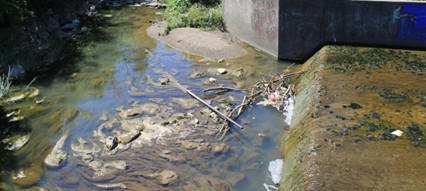
For over a century, Pike Creek has been impacted by industry and development. Flowing southeast through Kenosha’s Washington Park, Pike Creek is rated as “impaired” by the DNR and EPA for poor water quality. This is mainly due to excessive stormwater runoff that moves pollutants from the higher surrounding roadways through the park and into Pike Creek. This water then moves into an underground pipe that outlets directly into Lake Michigan without treatment.
Pollutants such as mown grass clippings, pet waste and lawn fertilizers contribute phosphorus to waterways, causing algae to bloom. When algae dies, oxygen in the water is reduced, creating dead zones where fish and other aquatic species cannot survive.
| | Stormwater enters Pike Creek without treatment, bringing pollutants that cause algae growth. | | |
|
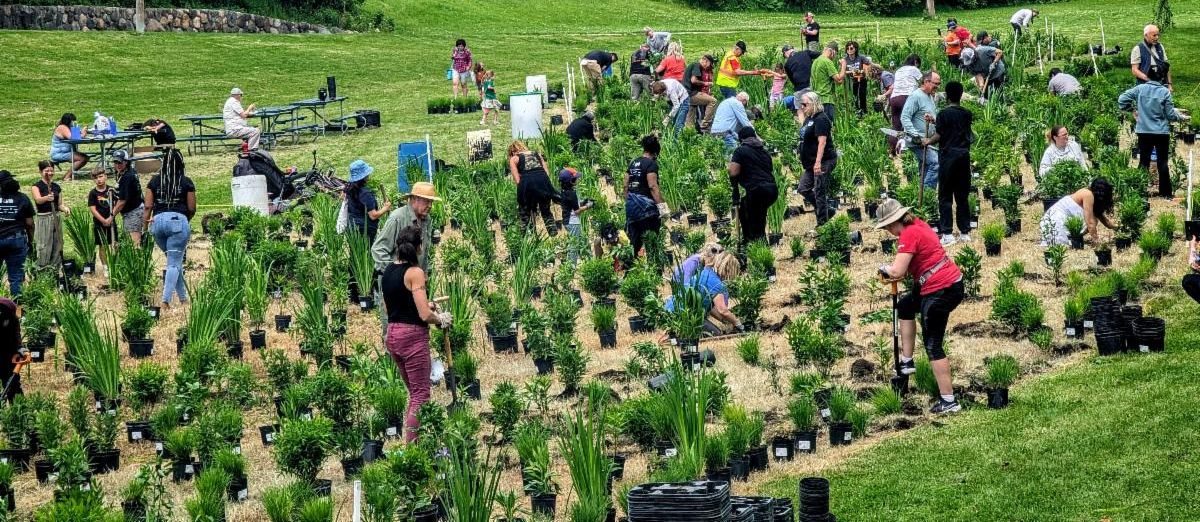
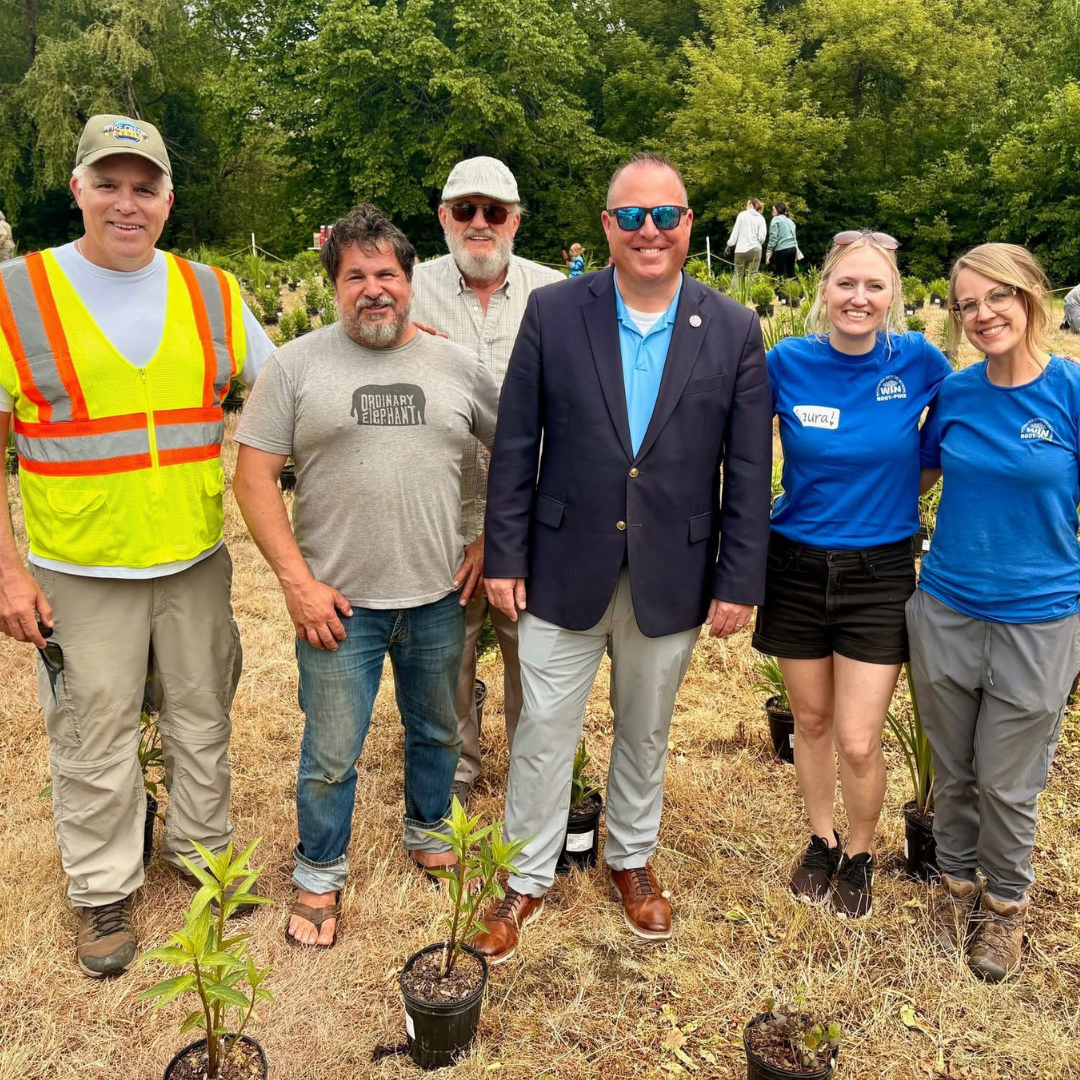
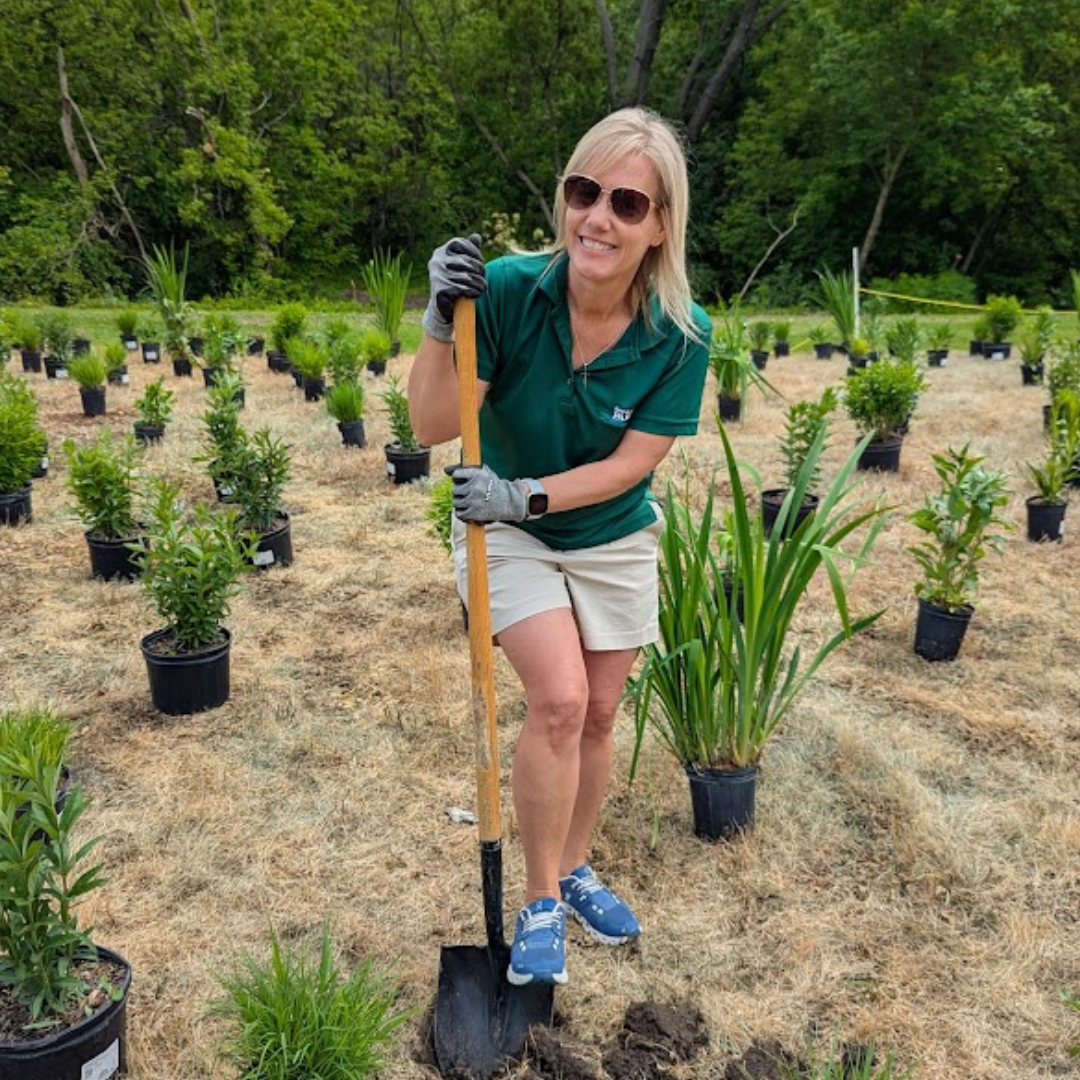
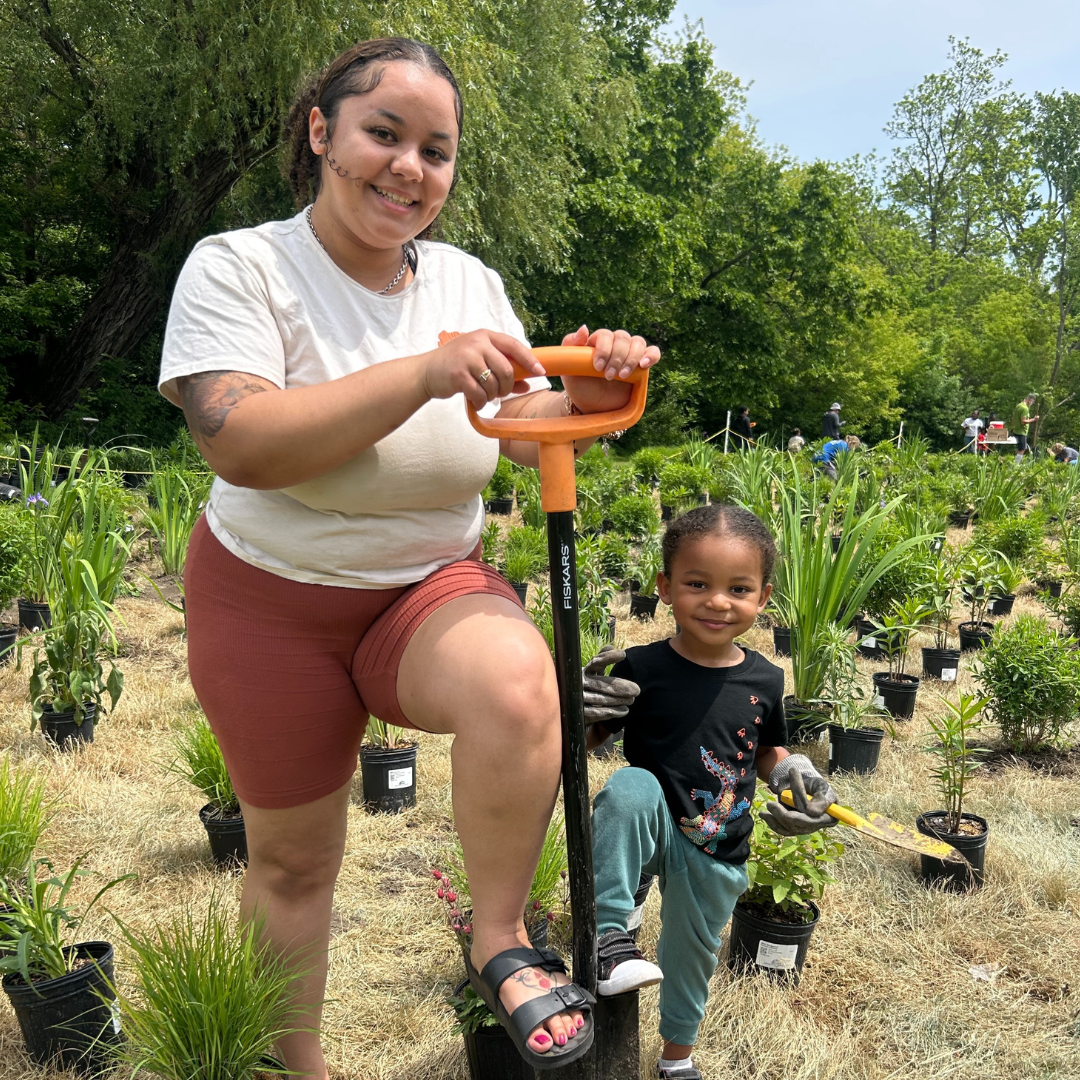
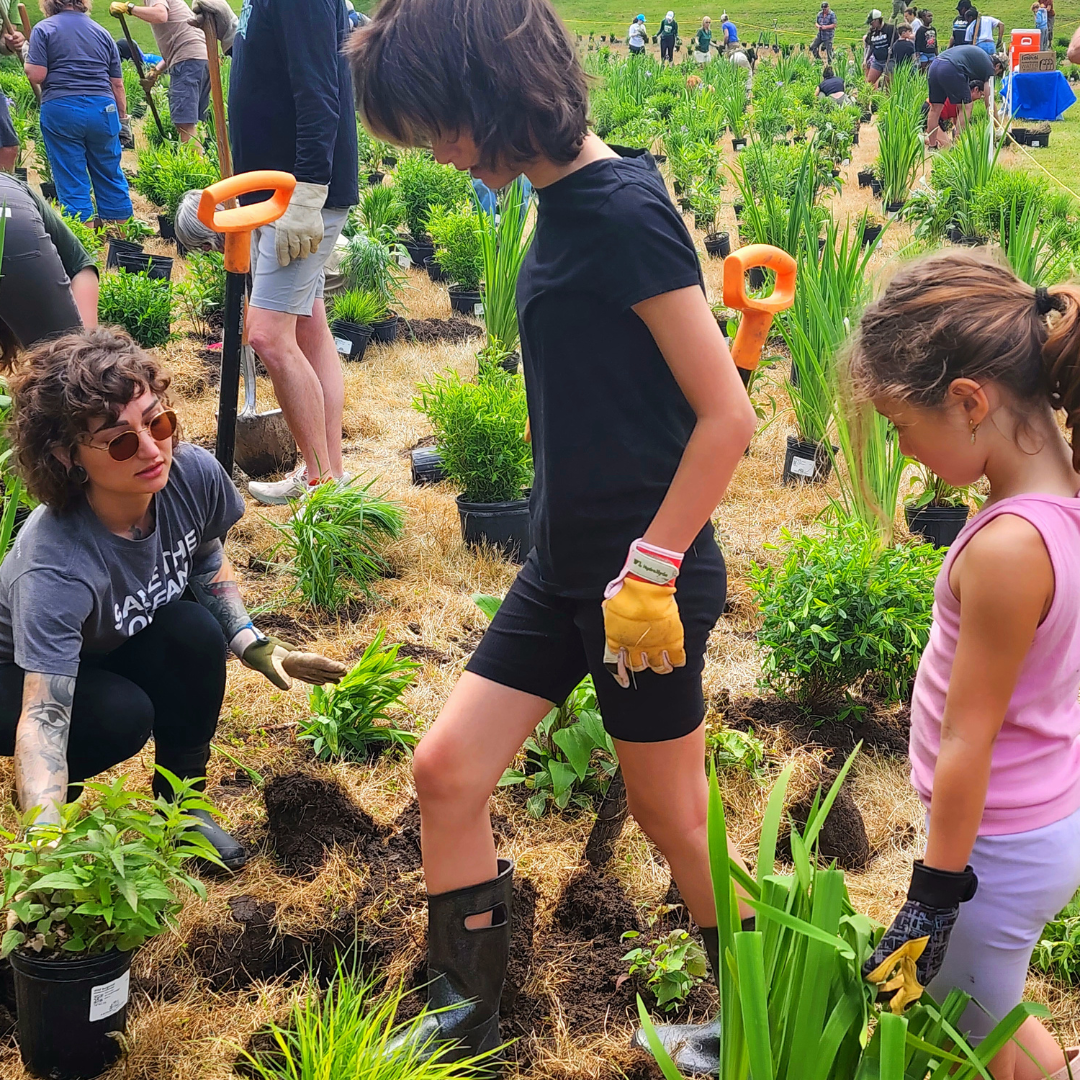
The solution: reduce and clean stormwater runoff through native plants, or "the original green infrastructure", as we like to call it. To begin implementing this solution, Root-Pike WIN and the City of Kenosha welcomed community groups throughout the week of June 2nd to plant over 3,000 Wisconsin native plants that will improve water quality to Pike Creek and Lake Michigan.
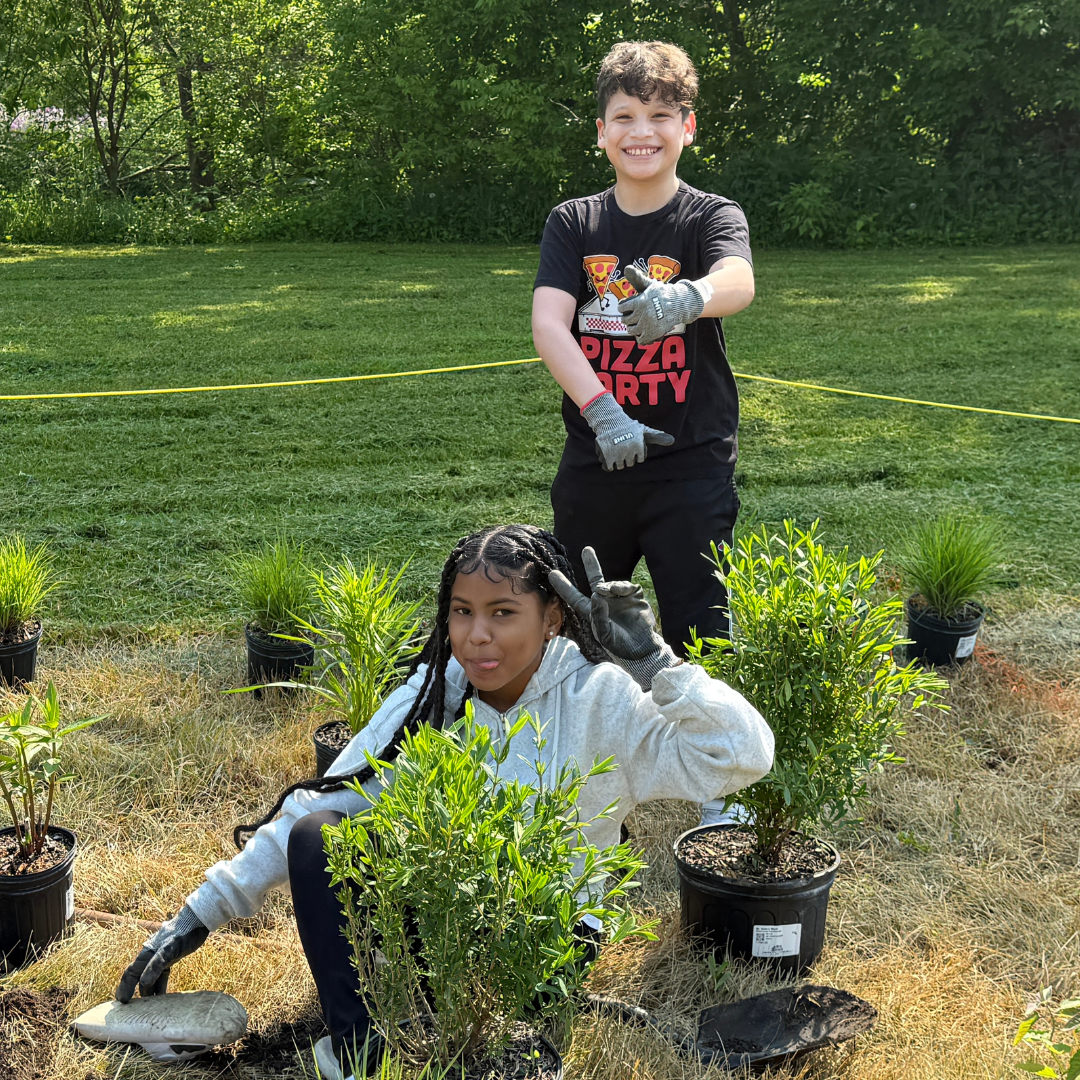
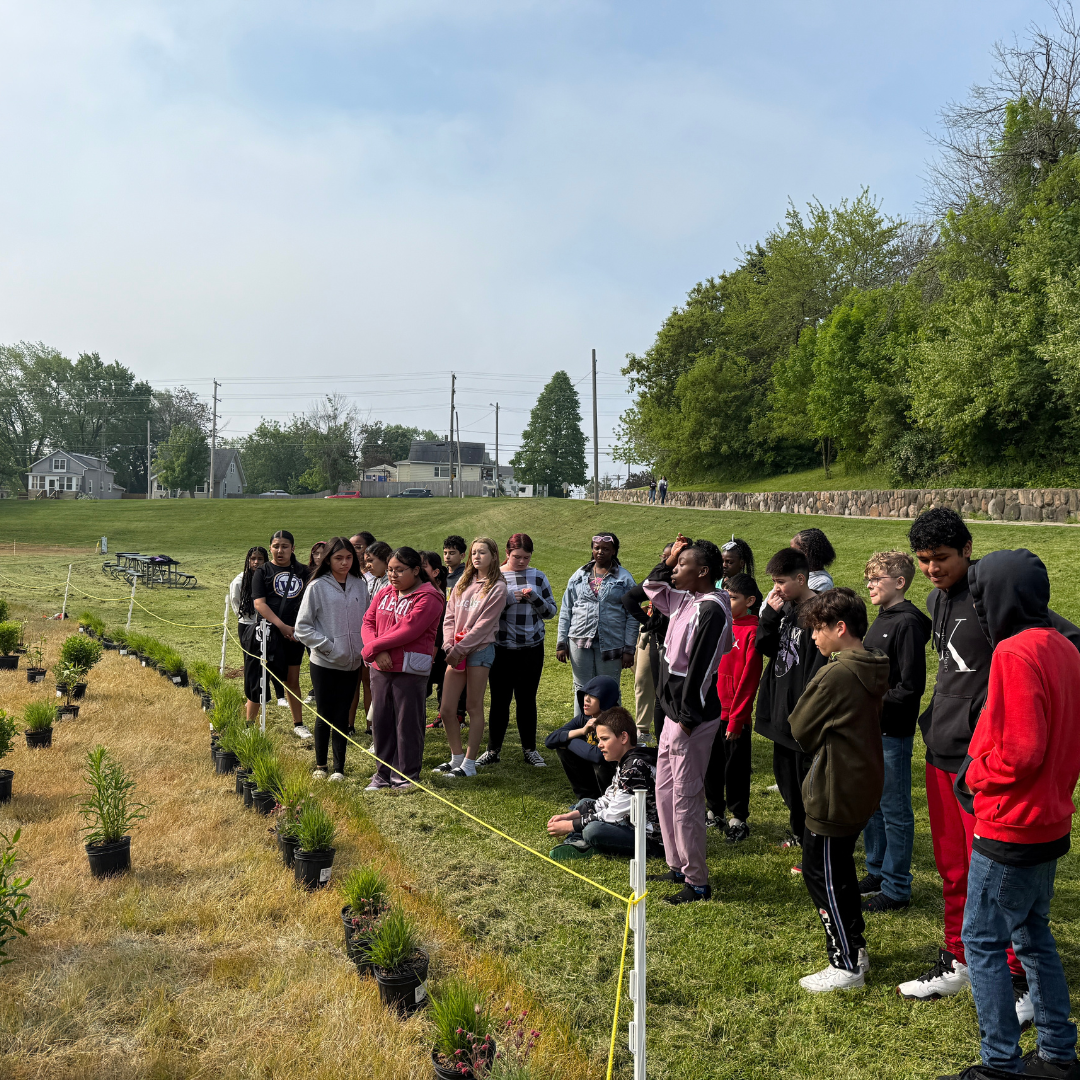
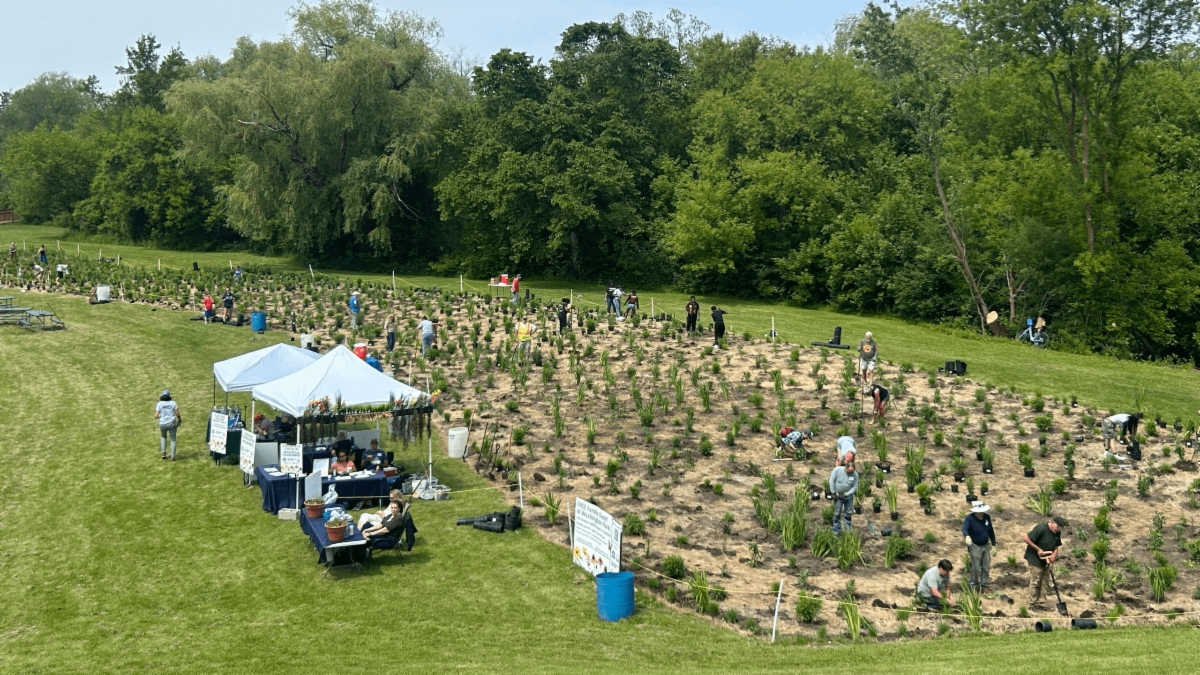
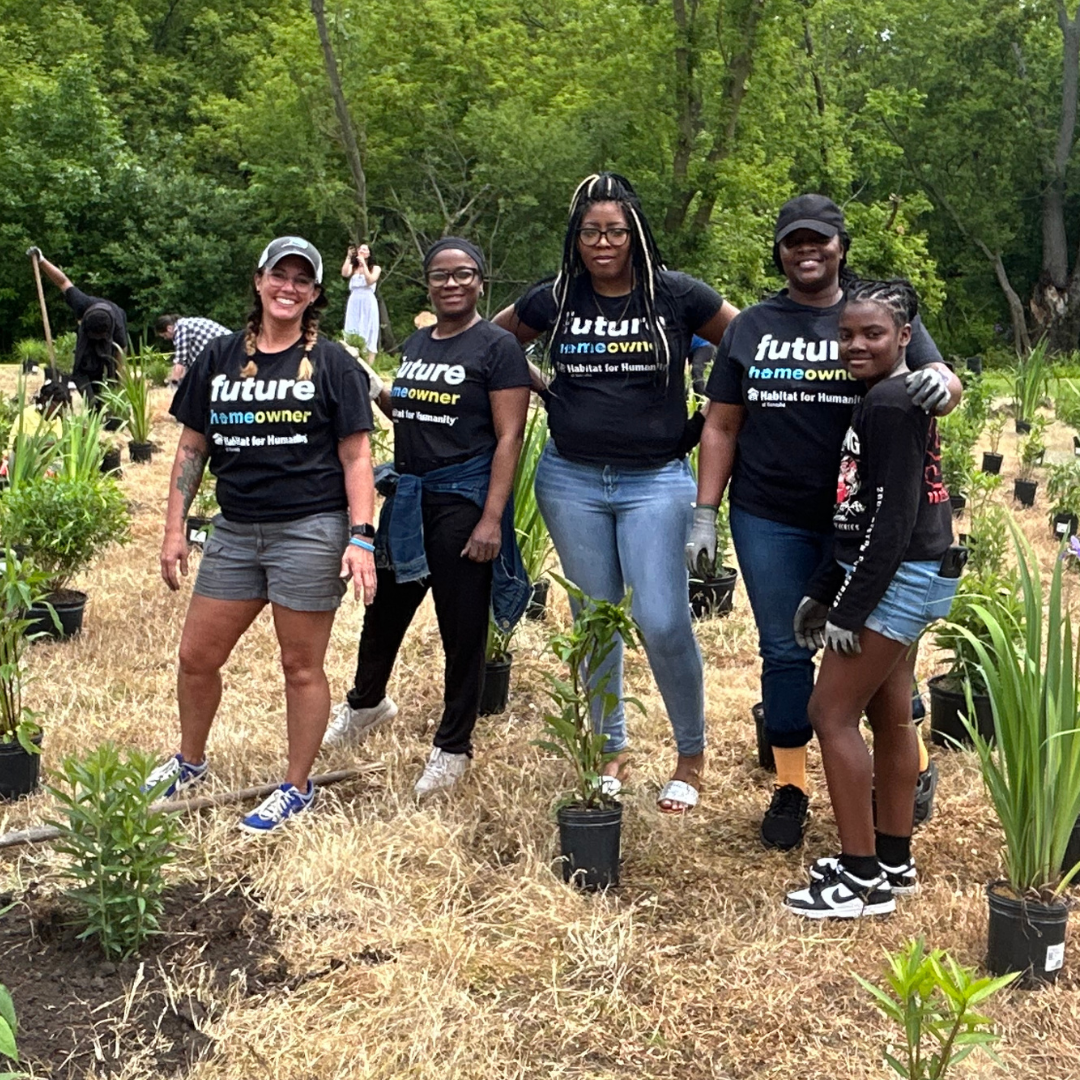
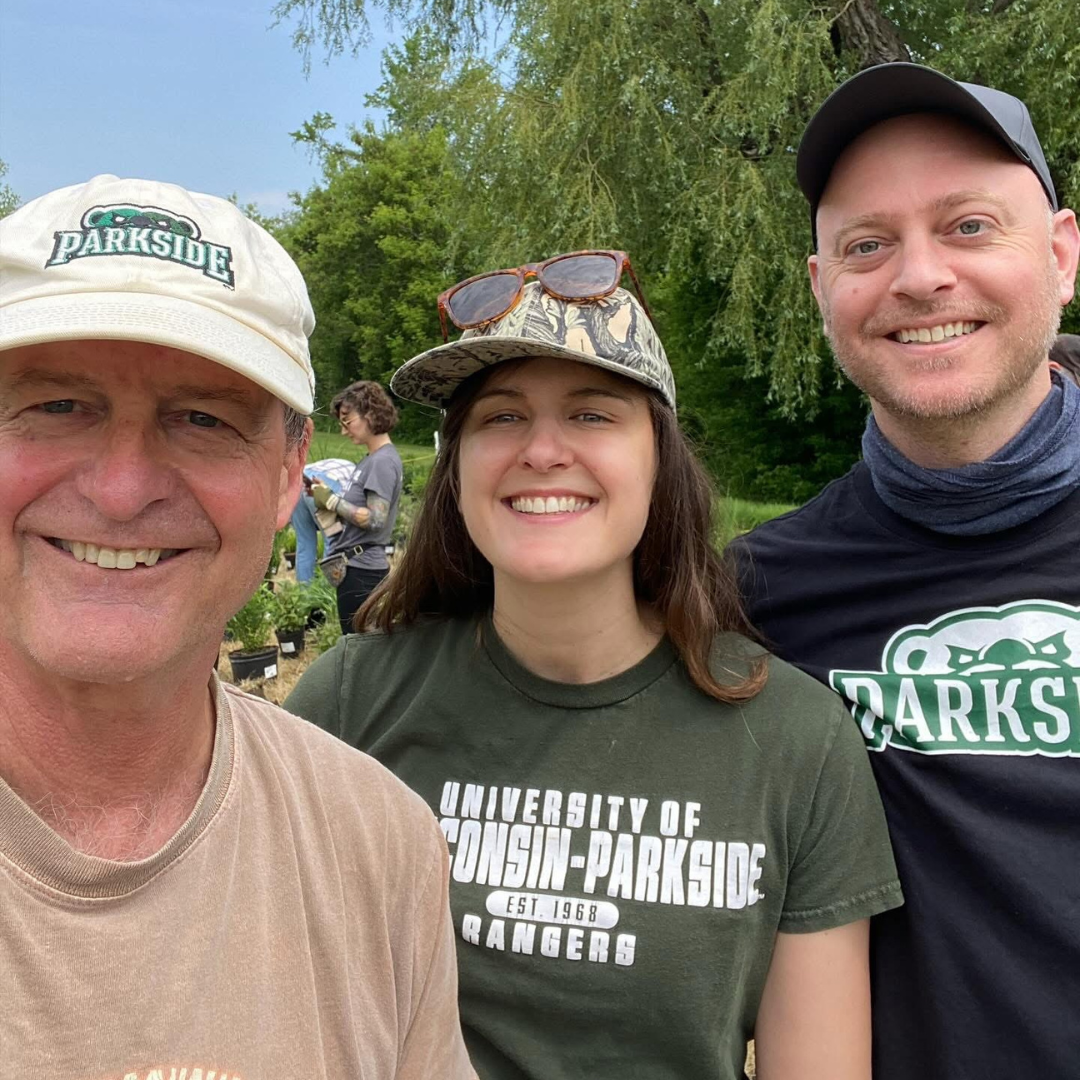
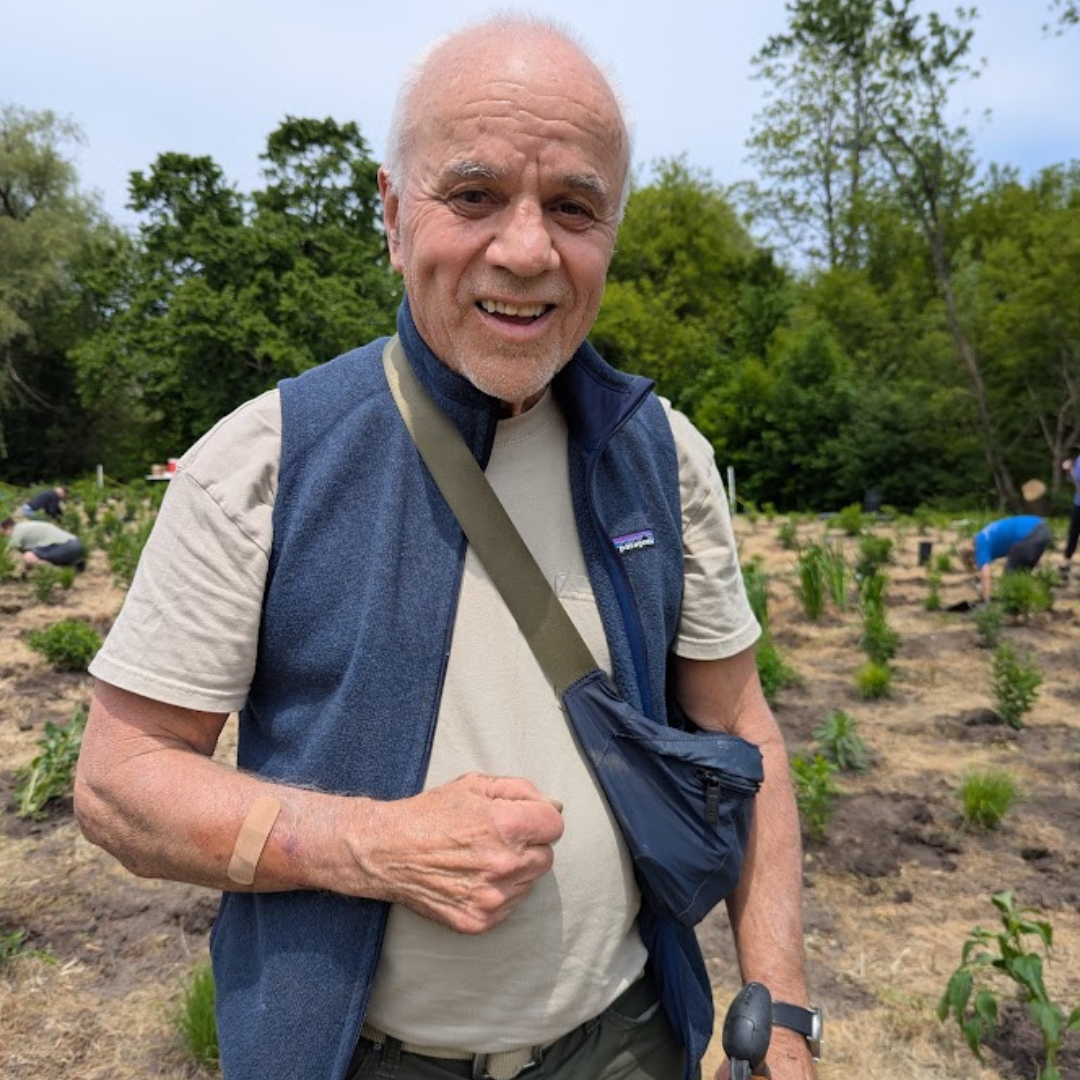
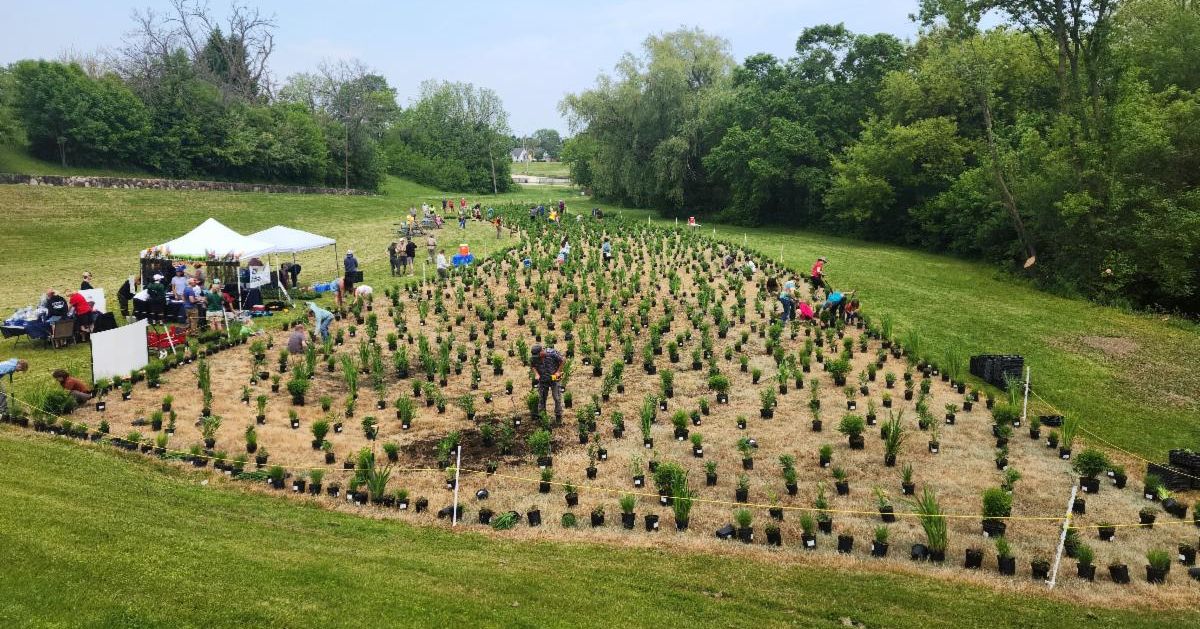
The week began with help from students from Washington Middle School. It culminated with WIN’s largest planting event to date, which brought together over 250 community volunteers to finish planting the 14,000 square foot Pollinator Patch. That's the size of two Olympic size swimming pools, and the length of three Blue Whales laying head to tail!
Funding for the Washington Park Pollinator Patch was made possible through a partnership with the City of Kenosha and generous funding from the Daybreak Fund, We Energies Foundation, and Microsoft.
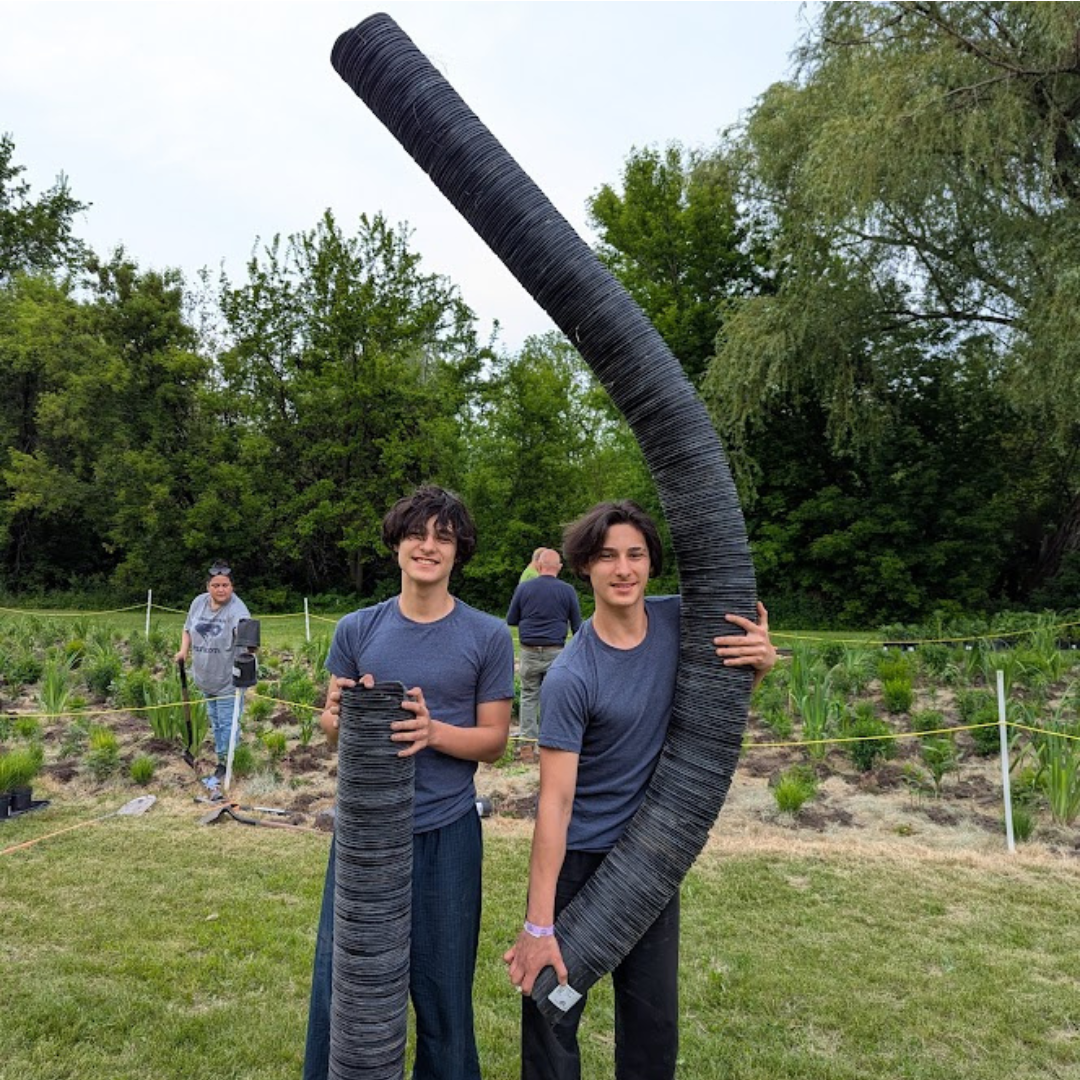
| | Washington Middle School students walk to Washington Park to help plant the patch. | | |
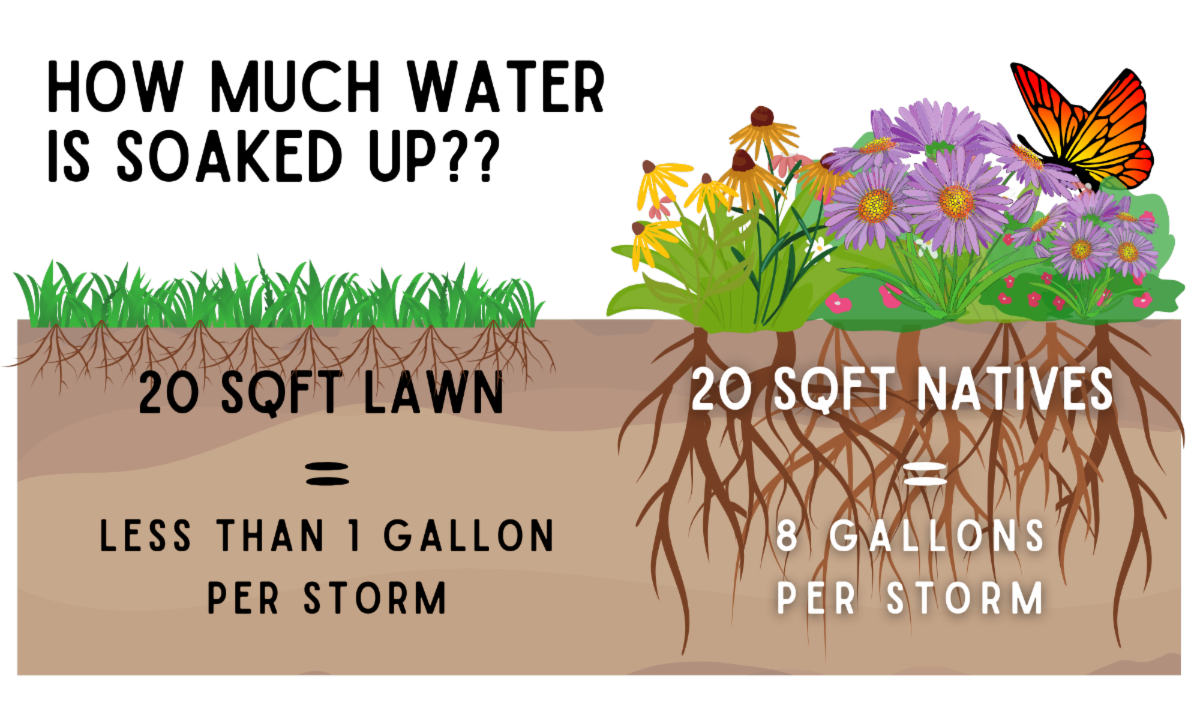
The new wetland Pollinator Patch will improve flood control with native plants that have longer and more robust root systems than traditional turf grass. This makes them better at soaking up and cleaning stormwater runoff. According to the Milwaukee Metropolitan Sewage District, this 14,000 square foot Washington Park patch will infiltrate an additional 140.8 gallons of stormwater per storm. |
| |
The location of the patch at the bottom of a hill alongside the Pike Creek is strategic. Not only does it ensure winter sledding in this hot spot is maintained, but it will also provide the Pike Creek with some massive protection.
Native flowering plants will reduce the quantity and improve the quality of stormwater runoff flowing down the hill and through the park, before it can enter the Pike Creek and make its way to Lake Michigan. This patch will also reduce mowing costs and the associated grass clippings that contribute algae-feeding nutrients to the creek. Replacing turf with native flowering forbs will also better support native pollinator species who are crucial for wildflower and human food crop pollination.
| | |
“Wetlands are extremely rare in the City of Kenosha, so the opportunity to bring them back and get the neighborhood involved is quite gratifying. Much like Kenosha County’s restoration of the Pike River through Petrifying Springs, the restoration at Washington Park will ultimately create a place where both people and pollinators want to be.” - Dave Giordano, Executive Director, Root-Pike WIN |
| |
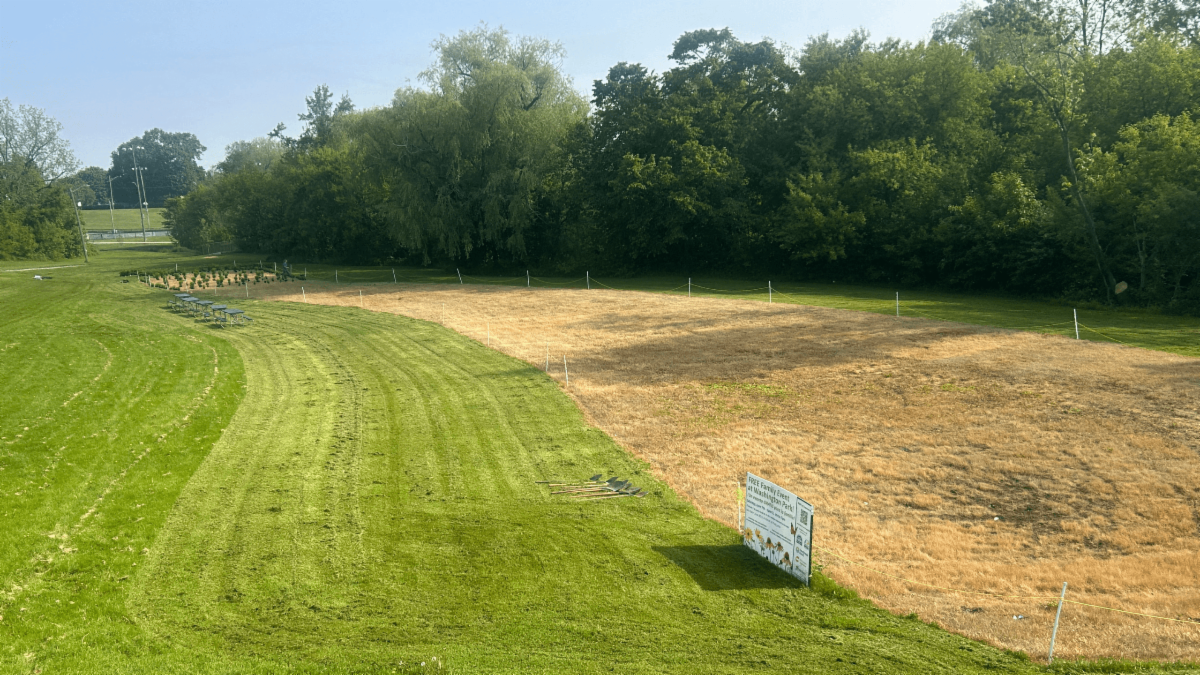
A sea of short-rooted turf grass at 11 AM on June 7th, 2025. | Long-rooted native plants restore the site, creating a pollinator paradise by 6 PM. |
| |
The 14,000 square foot Washington Park patch was planted with a variety of species that will provide a wide window for pollinator support with blooms from April to November. Native species planted include Showy and Dense Blazing Star, Showy Goldenrod, Wild Bergamot, Culver’s Root, Prairie Smoke, St. John’s Wort, Shreve’s Iris, Purple Coneflower, Red Milkweed, Smooth Aster, and Little Bluestem.
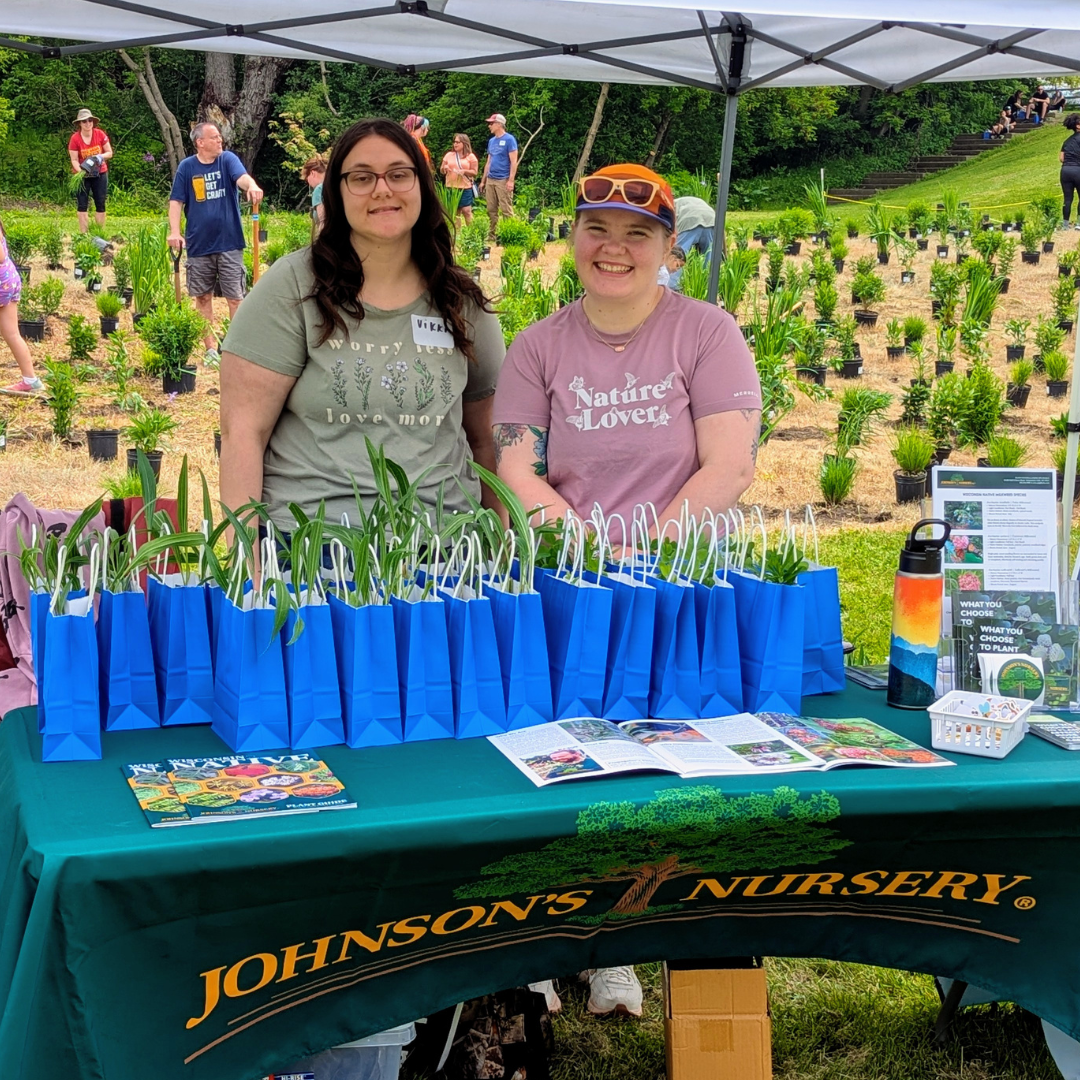
To share information about each plant, Johnson’s Nursery provided an online planting list that can be found by clicking the button below. They also created a short video complete with drone footage to show the size and scope of the patch. Click the button below to view!
| | |
“Washington Park is a very special place in Kenosha. Improving the park’s aesthetics and water quality functions, while lowering maintenance costs and algae in the harbor, is a ‘win-win’ for our residents.” – City of Kenosha Mayor Bogdala |
| |
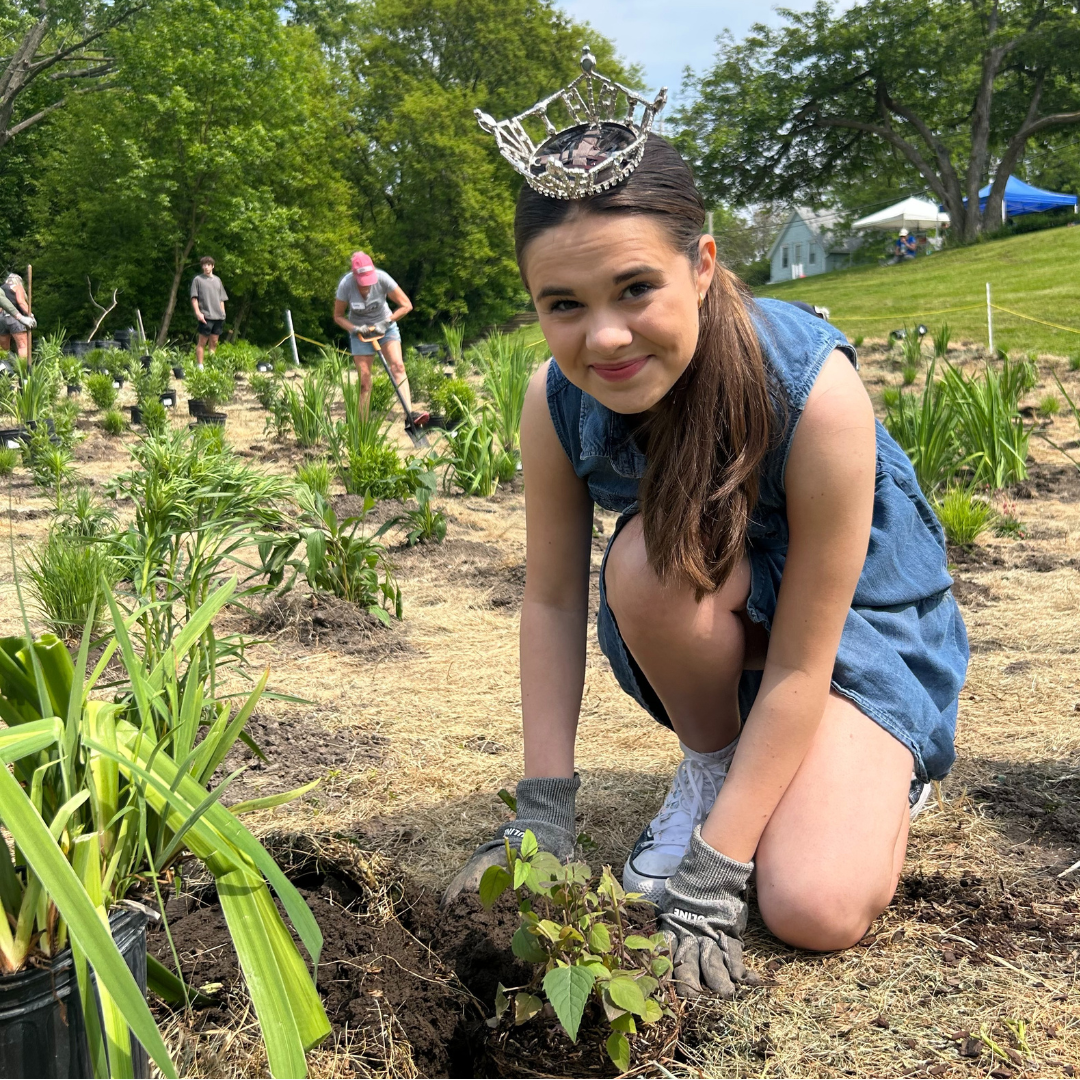
Joining the restoration was Kenosha’s Mayor Bogdala, Aldermen Kelly MacKay and Rollin Pizzala, Kenosha County Executive Samantha Kerkman, and Miss Pike Creek (Etta Tidd), who provided speeches before planting with attendees.
Eleven community nonprofits were also present to share their organization’s mission with eventgoers. Community partners included Habitat for Humanity, Wild Ones Root River Chapter, United Way of Kenosha County, Gateway Horticultural Department, Hawthorn Hollow, Hoy Audubon, Kenosha Public Library, Lake Michigan Bird Observatory, Wisconsin Bumble Bee Brigade, and Miss America.
|
| |
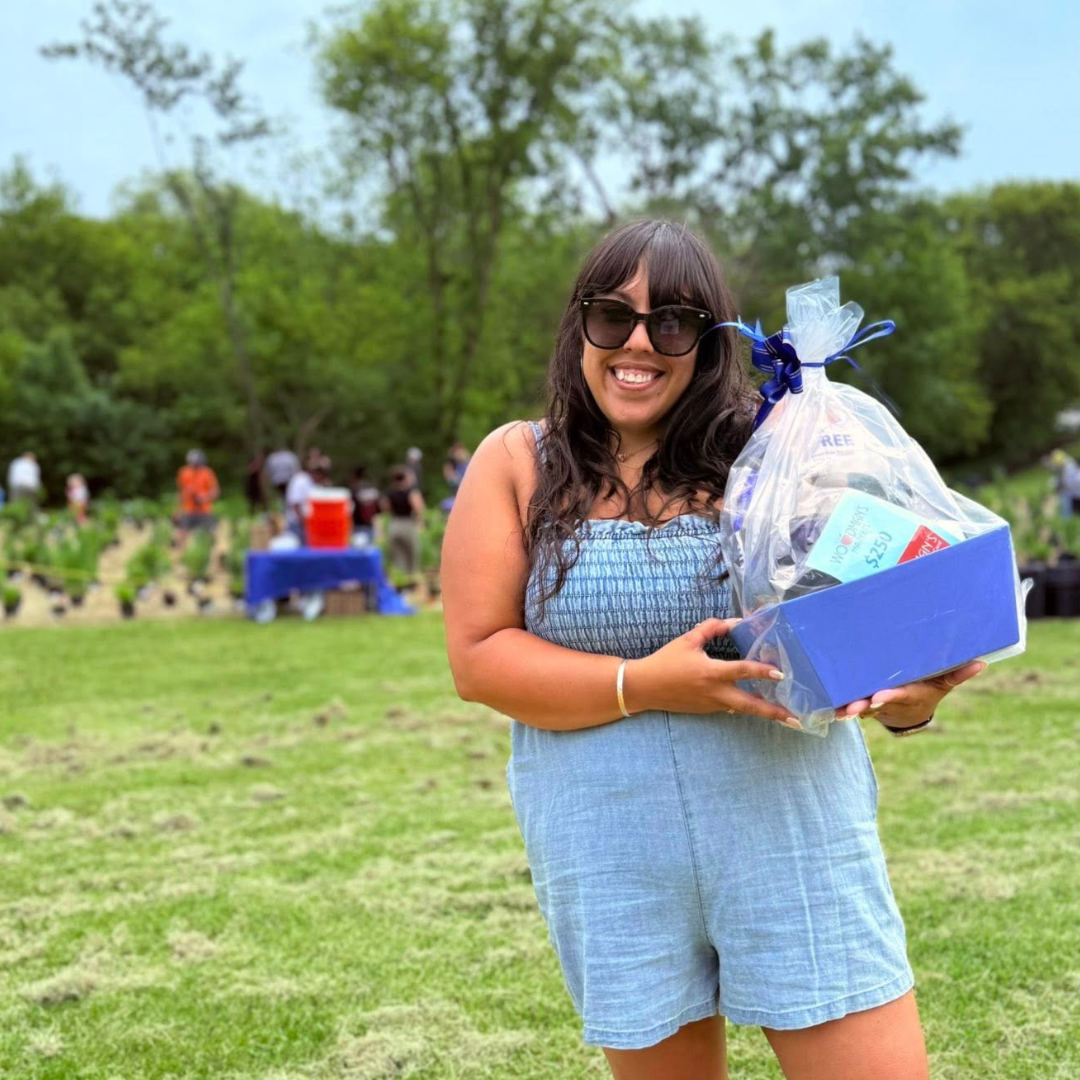
Ten gift baskets valued at $300 each were gifted to eventgoers who answered a survey about water quality and Washington Park. Attendees who planted also enjoyed free food from the Olano’s Empanadas food truck and could take home a free native plant from Johnson’s Nursery. Throughout the 7-hour event, over 250 free meals were provided, 350 native plants were given out, and 210 surveys were submitted.
In response to the survey question asking attendees what their best memory of Washington Park is, over 40% said that the Washington Park Pollinator Patch event that day was their fondest memory. Notable comments include, “I planted my first plant!”, “This mission was amazing to be a part of”, “I LOVED this community event!”, and “I loved making memories with my kids while helping our environment!”.
| | |
“It’s great to finally see Washington Park get the love it deserves. The park is one of the rare natural spaces in my district where residents can enjoy both active and passive recreation.” - Alderman Kelly McKay |
| |
Root-Pike WIN will maintain the plot with help from the City of Kenosha. Funds have already been secured for maintenance work to fully establish the plants and weed out invasive species through 2027. Afterward, Root-Pike WIN will ensure ongoing patch success by organizing maintenance activities with community volunteers.
We welcome you to visit the NEW Washington Park Pollinator Patch today! Click below to find the location on Google Maps.
| | | Stay tuned for updates on the status of this patch, and other restoration efforts as they unfold in Washington Park. Interested in helping to plant or maintain patches like this? Click here to fill out our Volunteer Interest Form and be contacted as opportunities arise! |
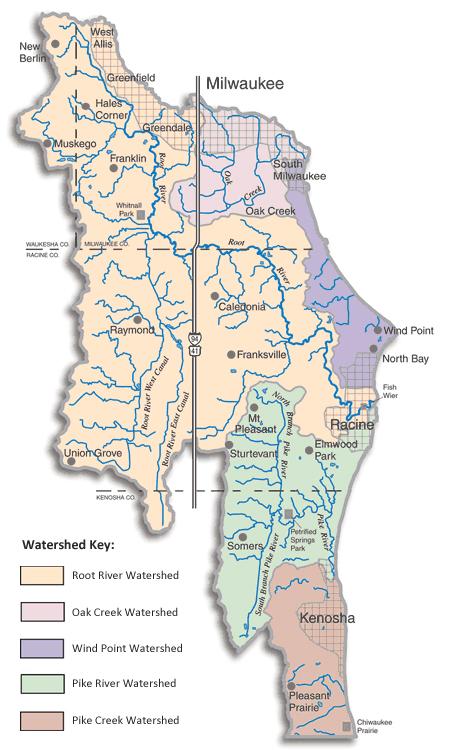
| The Root-Pike Basin Watersheds | | | | |