Activity Spotlight: Vaccine Trivia
Test your knowledge and challenge a friend with Wheel of Psychology - an interactive, spin-to-win game that helps you explore key psychological concepts in a fun and engaging way.
Created by our Social Science Intern, Krista Lucier, this activity is part of WE-SPARK's Knowledge Translation Hub - a collection of fun, educational modules designed to help users learn about WE-SPARK and its core pillars through hands-on, accessible experiences.
Each game includes clickable slides, easy "how-to-play" instructions, and interactive challenges that make learning about science both accessible and enjoyable.
Spin the wheel and see how many concepts you can guess!
| | |
| |
Team: Angela Chan, Nancy Nixon, Muna Al-Khaifi, Alain Bestavros, Christine Blyth, Winson Y Cheung, Caroline Hamm, Thomas Joly-Mischlich, Mita Manna, Tom McFarlane, Laura V Minard, Sarah Naujokaitis, Christine Peragine, Cindy Railton, Scott Edwards
| | |
What Is The Issue?
In Canada, breast cancer is the most common cancer among women, with 70-75% of cases classified as hormone receptor-positive (HR+), human epidermal growth factor receptor 2-negative (HER2-). New treatments like CDK4/6 inhibitors added to hormone therapy improve outcomes but require frequent monitoring and support. With rising cancer rates and strained oncology services, Canadian cancer centres need to explore team-based care models led by nurses, nurse practitioners (NPs), general practitioners in oncology (GPOs), and pharmacists. This article explores multidisciplinary strategies to enhance patient outcomes, optimize resources, and streamline care for higher-risk early breast cancer.
| | |
Key Methods
This team explored real-world multidisciplinary care models from Canadian cancer centres, showcasing how nurses, NPs, GPOs, and pharmacists lead aspects of adjuvant breast cancer care. The team described each model's implementation, benefits, challenges, and outcomes, including quantitative metrics like improved adherence and reduced oncologist workload. They present these as a flexible "playbook" that centres can adapt to local needs.
| | |
Results
Canadian centres successfully use multidisciplinary teams for early breast cancer care:
- Nurse/NP-led models: Toxicity monitoring, patient education, and follow-up for hormone therapies and CDK4/6 inhibitors.
- GPO-led models: Routine care and escalation to oncologists when needed, freeing specialists for complex cases.
- Pharmacist-led models: Medication adherence, side effect management, and lab result review.
| | |
These approaches improve patient safety, treatment adherence, and care efficiency while easing pressure on medical oncologists. Specific examples from BC Cancer Surrey (Surrey, BC), Sunnybrook Hospital (Toronto, ON), and other centres prove the effectiveness of these models in real-world settings. For example, BC Cancer Surrey saved 146+ oncologist hours, while also achieving 99% adherence to protocols after integrating oncology pharmacists into a shared care model.
| | |
Why is This Important?
This "recipe book" shows how Canadian cancer centres can deliver cutting-edge breast cancer care sustainably. For Windsor-Essex, this offers an opportunity to implement practical models that strengthen patient-centred care and improve long-term survivor outcomes through structured referrals, clinician support, and digital integration. We can tailor these models to local hospitals’ practices, resources, and patient needs. As cases rise, these flexible approaches ensure high-quality care without overwhelming oncology services.
| | |
What Is The Issue?
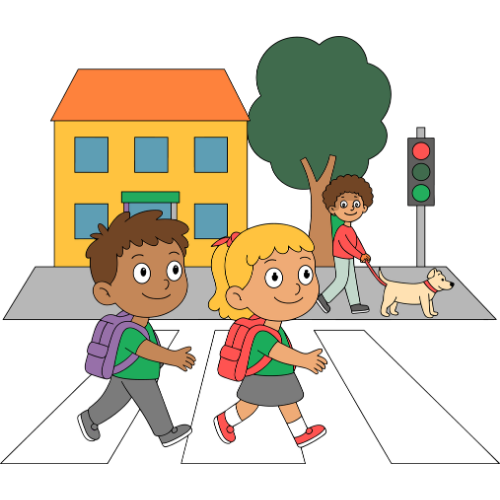
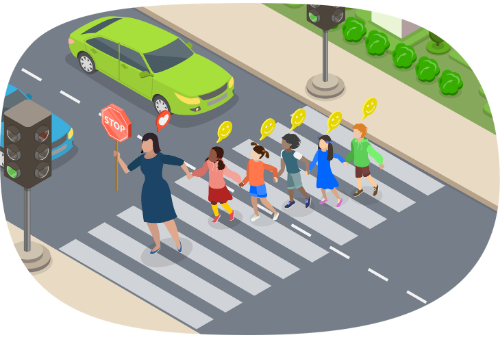
Distracted and impatient driving in school zones is a serious safety issue because so many children are walking, biking, or getting on and of buses. Behaviours like using a cellphone, tailgating, or not paying attention make crashes more likely. Understanding how often these behaviours happen around schools is important for keeping kids safe.
| |  | |
Key Methods
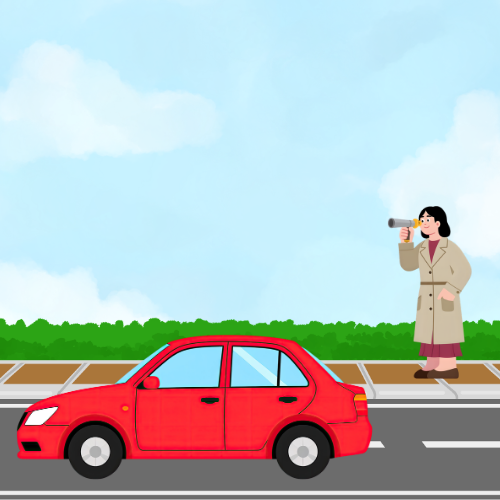
The study used roadside observations at seven school zones in Windsor, Ontario. Observers recorded driver behaviour during morning drop-off (8:00 - 9:00 AM) and afternoon pick-up (3:00 - 4:00 PM) in Fall 2024 and Winter 2025, capturing a total of 4,924 vehicles. Weather, season, time of day, vehicle type, and specific risky behaviours were all documented to see how they influenced unsafe driving.
| | |
Results
The observations revealed several clear patterns in distracted and impatient driving across the seven school zones.
| |
- About 20% of drivers were engaged in distracted or impatient driving.
- Around 10% of drivers used handheld devices while driving, which is illegal.
- Drivers of larger vehicles, such as SUVs, pickup trucks, and construction vehicles, showed higher rates of risky behaviour.
- Dangerous driving was more common in the warmer fall months than in winter.
- Morning and afternoon periods showed similar levels of risky driving.
| | | |
Why is This Important?
Understanding how and when drivers engage in risky behaviours in Windsor's school zones is essential for protecting the many children who walk, bike, or take the bus to school each day. These findings give Windsor's local policymakers, police services, and school boards concrete evidence to guide targeted safety efforts, such as focused enforcement, improved signage, or community education campaigns. Using Windsor-specific data helps ensure that any strategies developed are tailored to the real conditions in the city's neighborhoods and school communities.
| | |
What Is The Issue?
Emotion regulation is one's ability to reduce negative emotions and maintain positive emotions. Poor emotional regulation can lead to low mood and higher daily stress and is associated with various mental health problems including depression, anxiety, eating disorders, and substance use. In this study, the researchers explore whether these challenges can affect emotional dynamics (or how a person's mood rises and falls across the day).
| | | |
Key Methods
The researchers studied two groups of undergraduate students (62 and 304 participants) from different universities.
| | The participants first completed the Difficulties in Emotion Regulation Scale, which assesses struggles in managing emotions. | | Students then used their phones to report their positive and negative mood three times per day for 7 or 14 days, a method called Ecological Momentary Assessment (EMA) that captures emotions in real time. | | From these repeated reports, researchers calculated average mood levels and several emotion dynamics: how much mood varied, how much it changed, and how much one moment's mood carried over to the next. | | |
Results
Across both samples, students who reported more emotion regulation difficulties tended to have higher average negative mood and lower average positive mood. In both samples, there was also clear emotional inertia: when negative mood was high at one check-in, it tended to stay high at the next, and the same was true for positive mood. However, specific links between emotion regulation difficulties and mood patterns differed between the two samples.
| | In Sample 1, difficulty completing goals when upset, having fewer coping strategies, and lower emotional awareness were linked to bigger and sharper shifts in mood. | | | In Sample 2, impulsivity and fewer coping strategies were linked to larger and more unstable swings in mood only. | | Together, these findings suggest that while emotion regulation problems are clearly tied to feeling worse overall, the exact moment-to-moment mood patterns associated with specific difficulties remains unclear across groups and needs to be clarified in future research. | | |
Why Is This Important?
These findings show that difficulties managing emotions are closely tied to feeling more negative and less positive overall, even if the exact moment-to-moment mood patterns are unclear. This suggests that strengthening emotion regulation skills (e.g., developing awareness of feelings and coping strategies) may help steady emotional ups and downs and support better mental health. More research is needed to test these skills in diverse student populations and to understand how real-time mood tracking can be used to guide practical supports, especially for students at the University of Windsor and the broader Windsor-Essex community.
| | | | |