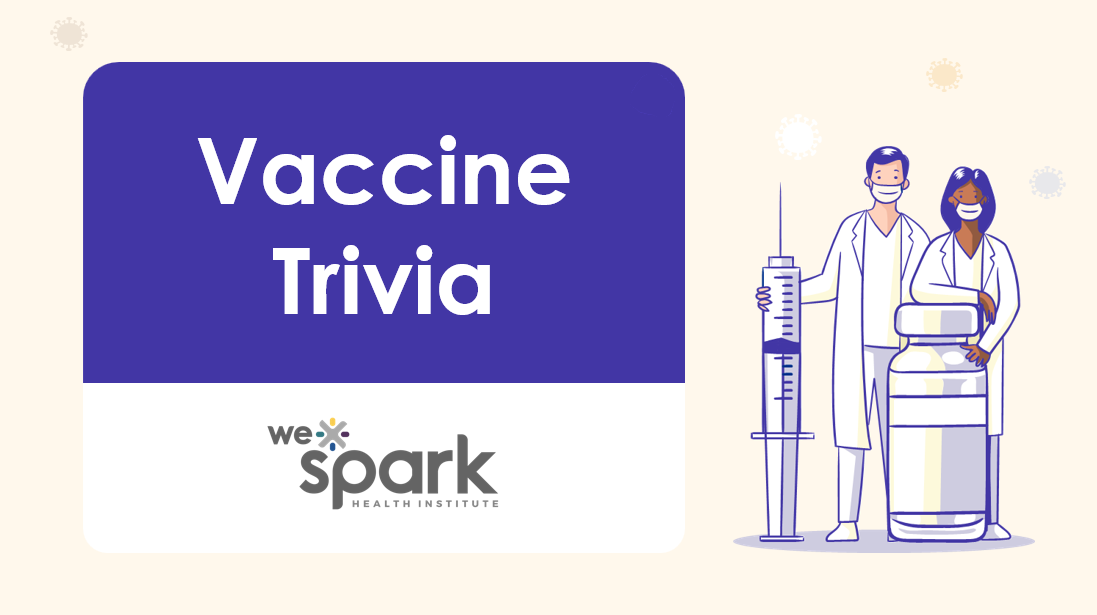
Activity Spotlight: Vaccine Trivia
Test your knowledge and challenge a friend with Vaccine Trivia - a fun, interactive game designed to help you learn the basics of vaccines and how they protect our health.
Originally created by Sarah Khan and adapted into an online version by our Social Science Intern, Krista Lucier, this activity is part of WE-SPARK's Knowledge Translation Hub - a collection of fun, educational modules designed to help users explore WE-SPARK and its core pillars in an engaging way.
Each game includes clickable slides, easy "how-to-play" instructions, and interactive challenges that make learning about science both accessible and enjoyable.
Try the game and see how much you know!
| | | | |
Team: Liam Michaud, Gillian Kolla, Katherine Rudzinski, Adrian Guta
| | |
What Is The Issue?
The backlash against safer supply programs (SSP) in Canada, driven by media commentators, frames these initiatives as fueling a "new opioid epidemic" despite a lack of empirical evidence. These unsubstantiated claims can create moral panic, influence policy and undermine healthcare access for people who use drugs.
| | |
Key Methods
This study employs situational analysis to map how narratives about safer supply programs and their alleged harms emerged and gained traction in Canadian news media in early 2023.
| | It analyzes the role of politicians, addiction medicine physicians, media commentators, and recovery industry representatives in shaping public discourse. | | It conducts a media analysis of major Canadian newspapers using search terms related to safer supply, opioids, and addiction. It examines commentaries from medical journals (2000-2023) to assess expert contributions to public discourse on drug-related healthcare interventions. | | Themes are derived, such as youth and medication. | | |
Results
Tensions exist between SSPs and traditional addiction treatments, particularly regarding concerns over medication diversion. Medical experts often contribute to resistance against harm-reduction policies. Public attitudes towards SSPs are influenced by ideological, racial, and class dimensions.
| | |
This research showed that safer supply programs promote reduction in:
- Number of patients in the emergency rooms
- Healthcare costs
- Incidence of infection
- Drug overdose
- Reliance on unregulated drugs
- Injection-related complications
| | | |
Why Is This Important?
Media narratives shape public perception and policy decisions regarding safer supply programs. By critically examining the backlash against these programs, it sheds light on how misinformation or moral panic can influence healthcare access for people who use drugs. For the community, this research shows the benefits of safer supply. Understanding these impacts can help local policymakers, healthcare providers, and residents advocate for evidence-based approaches to substance use treatment rather than policies driven by stigma or misinformation.
| | |
What Is The Issue?
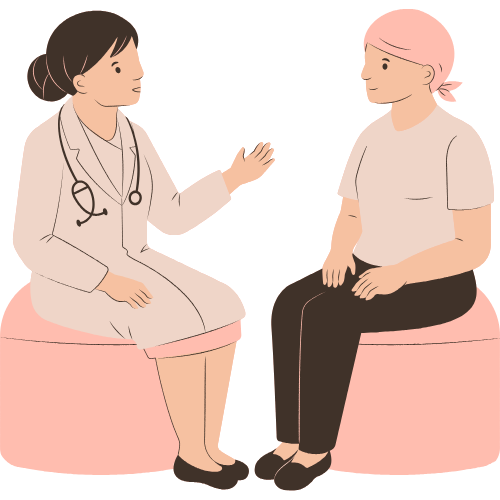
Some breast cancers can spread to the bones and become hard to treat. This study looked at whether combining two treatments, trastuzumab and denosumab, could help patients live longer with better outcomes.
| |  | |
Key Methods
The study identified 3 patients with human epidermal growth factor receptor 2 (HER2) positive breast cancer that spread only to their bones. They received a combined long-term treatment of trastuzumab (targeted cancer treatment) and denosumab (bone protection treatment). Doctors tracked their results for more than a decade to see how well the combination worked over time.
| | | | |
Results
All 3 patients had expectational long-term survival (11-17 years) without disease progression. This goes beyond the prior survival time record for this cancer (less than 14 years). It was found that denosumab may enhance trastuzumab's effectiveness by reducing drug resistance. 1 case also involved a non-severe bone fracture linked to prolonged treatment.
| | |
Why is This Important?
This study highlights real Windsor-Essex cases where trastuzumab and denosumab were used together in patients with HER2-positive breast cancer that had spread to the bones. While the results don't prove the combination is the reason for the long survival seen, they raise an important question about whether these two treatments might work better together in certain situations. By documenting these outcomes locally, the study gives physicians in our region valuable information to consider when caring for patients with similar diagnoses.
| | | |
What Is The Issue?
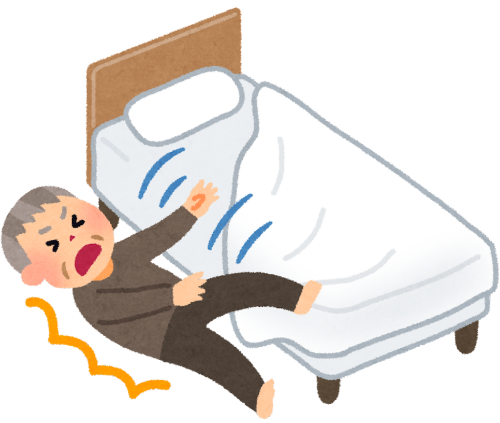
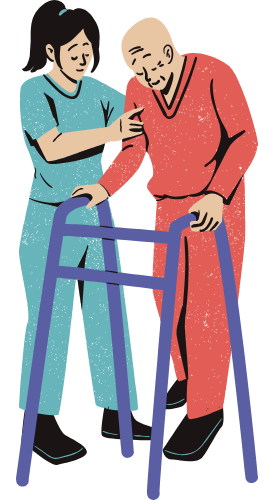
Falls are one of the most common and serious concerns for older adults in hospitals. Falls can result in physical injuries and even death, contributing to increased hospital system costs and use of resources. These issues emphasize the need to prevent falls to ensure patient safety and reduce financial difficulty.
| | |
Key Methods
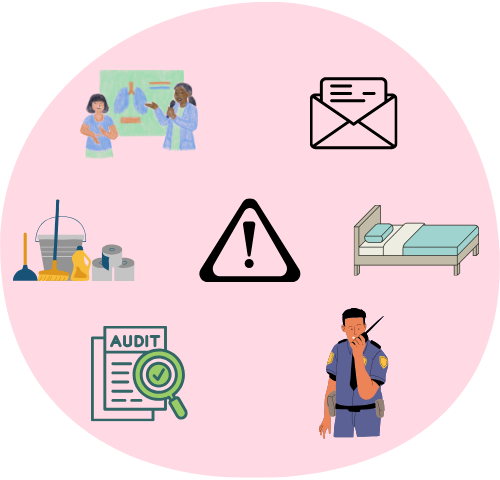
A quality improvements project to help reduce falls among older patients was conduced and implemented in the inpatient unit at Erie Shores HealthCare. The main components of this project included a fall risk screening at admission, conducting monthly meetings, and ensuring a fall prevention package was in place for high fall-risk patients. This consisted of the following coordinated measures:
|
- Monitoring patients through communication with security and the use of patient sitters.
- Ensuring bed height and side rails were adjusted according to clinical orders.
- Identifying high fall-risk patients with door signage and colour-coded wristbands.
- Maintaining a clutter-free and safe environment.
- Education patients and families about fall risks, with translation services provided when needed.
- Daily audits to ensure safe environment and fall bundle is in place for our high-risk fall patients.
- Monthly education emails to our Quality Improvement Projects related to falls and the impact they have on the hospital.
| | |
Results
This study proved that the fall prevention package was an effective in-hospital intervention, reducing falls by 30% and decreasing hospital costs by saving approximately $8,900. Over half of the patients who fell had cognitive impairment, showing how important it is to tailer fall-prevention strategies for this group. However, while falls decreased, it was noted that fall-related injuries were still the leading cause of re-admission. Highlighting the need for community prevention strategies.
| | |
Why Is This Important?
With an aging population in Windsor-Essex, these strategies are relevant for families, caregivers, and health-care providers across our region. This study offers useful insight into effective fall-prevention measures to support the older adult population and reduce healthcare costs. Furthermore, it provides recommendations for future research to incorporate medication counselling and post-discharge follow-up phone calls to sustain the positive effects of the fall reduction program in the community.
| |
401 Sunset Avenue
Windsor ON N9B 3P4
| | |
(519) 253-3000 x 4394
wesparkhealth@uwindsor.ca
Support WE-SPARK: wesparkhealth.com/donate
| | | | |