View as Webpage

With graduation season just behind us, I’ve been reflecting on what it means to have potential. Whether entering the workforce or continuing their education, recent graduates carry with them a strong sense of momentum and possibility. But potential isn’t limited to new chapters – it exists all around us, all the time. It’s the potential to see challenges as opportunities, to build partnerships that strengthen our communities, and to keep growing, learning and evolving. 


In this issue, we are highlighting our Housing Rehabilitation team, whose work brings new life to aging homes throughout Washington County. By providing critical repairs and accessibility improvements, the team helps ensure that low-income homeowners – many of whom are older adults or individuals with disabilities – can remain safely and comfortably in their homes. These projects do more than restore houses; they help preserve dignity, stability and connection.


At the same time, we’re navigating uncertainty at the federal level, with proposed cuts to key programs like the Community Development Block Grant (CDBG) and the HOME Investment Partnerships (HOME) program. Even so, there is still potential – the potential to raise awareness, strengthen coalitions, and advocate for programs that make this work possible.


As you read through this newsletter, we invite you to reflect on the possibilities ahead – and consider how you can support the continued impact of these essential programs.


In partnership,


Shannon Wilson

Program Manager

Meet the Team: Housing Rehab

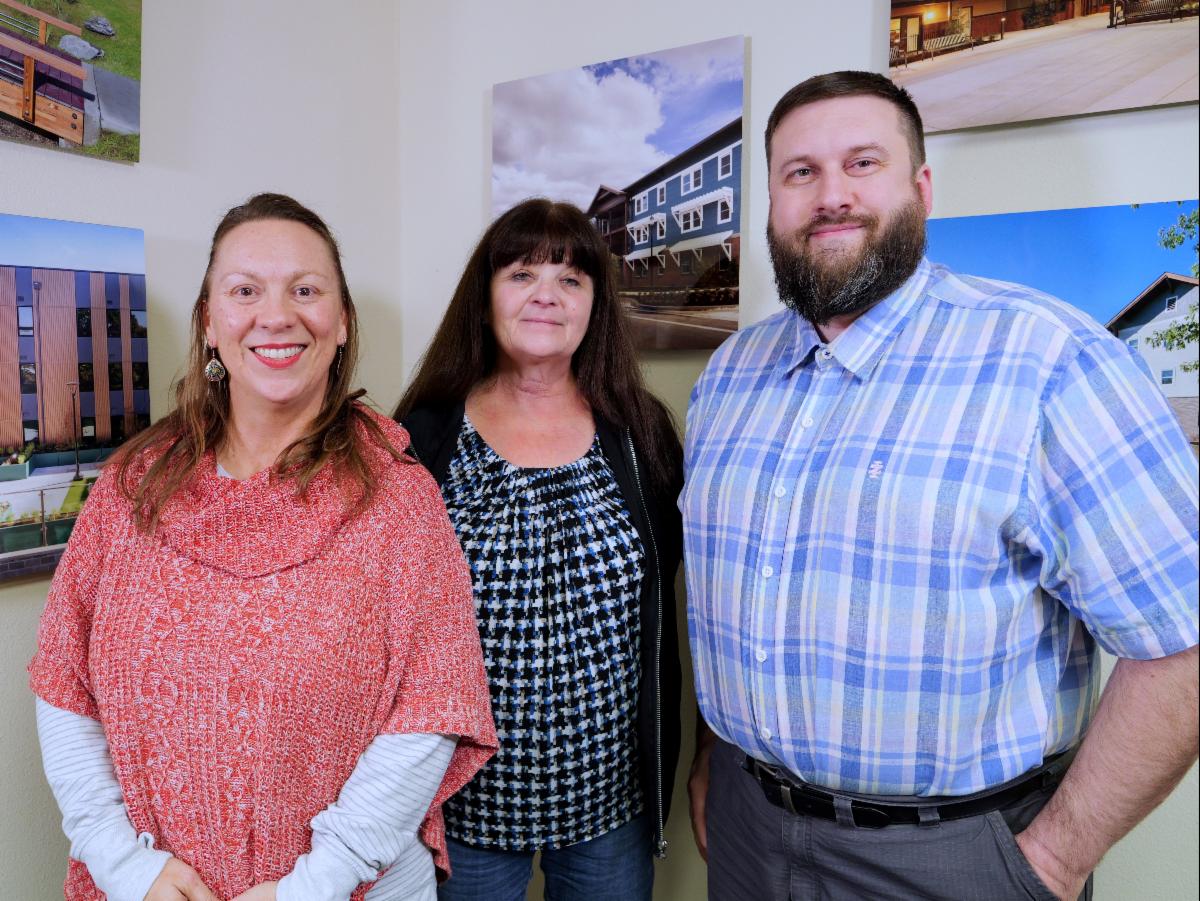
Left to Right: Shaena Johnson, Sarah Branson, Brian Fogg

The Washington County Office of Community Development’s Housing Rehabilitation program is funded through the federal Community Development Block Grant (CDBG) and provides low-interest loans and grants to help low- and moderate-income homeowners in Washington County maintain safe, stable housing.


Through the Deferred Interest Bearing Loan (DIBL) program, eligible homeowners who own and occupy their homes can receive up to $25,000 for essential repairs. These loans require no payments until the property is sold or transferred – making them an affordable way to address critical home repairs.


The Home Access & Repair for the Disabled and Elderly (HARDE) program offers grants of up to $10,000 for homeowners who are 62 or older or living with a disability. These grants support accessibility improvements and urgent home repairs for income-qualified households.


Our office also administers the City of Hillsboro's Housing Rehabilitation program, which provides grants for up to $15,000 for major repairs that help preserve long-term housing stability for eligible residents.


In addition to these programs, the Housing Rehab team also oversees the Woodstove Exchange program, which helps households replace old wood-burning stoves or inserts with cleaner, safer, and more efficient heating systems. Rebates range from $1,500 to $4,000, with fully funded replacement options available for households earning below 80% of the area median income, as defined by the Portland Housing Bureau. This program plays an important role in improving air quality – both indoors and in the community.


 Meet the Team (pictured above)

  • Shaena Johnson has been with the Office of Community Development for three years, and currently manages the Woodstove Exchange Program.
  • Sarah Branson has led the Housing Rehabilitation team for nine years and oversees both the HARDE and DIBL programs. 
  • Brian Fogg has been with the Office of Community Development for ten years and manages the Hillsboro Housing Rehabilitation Program.


Repairing Homes and Strengthening Communities


Washington County’s housing rehabilitation programs are about more than just fixing homes – they help preserve neighborhoods, support aging in place and promote long-term housing security. Each year, our team completes around 45 projects, primarily hiring local contractors to keep investment within the community.


This past year, we repaired dozens of leaking roofs, installed water lines for homes that had gone without water for over a year, responded to winter emergencies where residents were left without heat, brought outdated electoral systems up to code and completed several bathroom accessibility upgrades for older adults.


Washington County’s Woodstove Exchange Program continues to make meaningful environmental and health impacts by replacing inefficient wood stoves with modern heating systems – improving air quality and reducing emissions.


These programs make a difference in people’s daily lives and reflect the County’s commitment to safe, accessible housing for all.


Read on for stories of impact and transformation from the past year: 

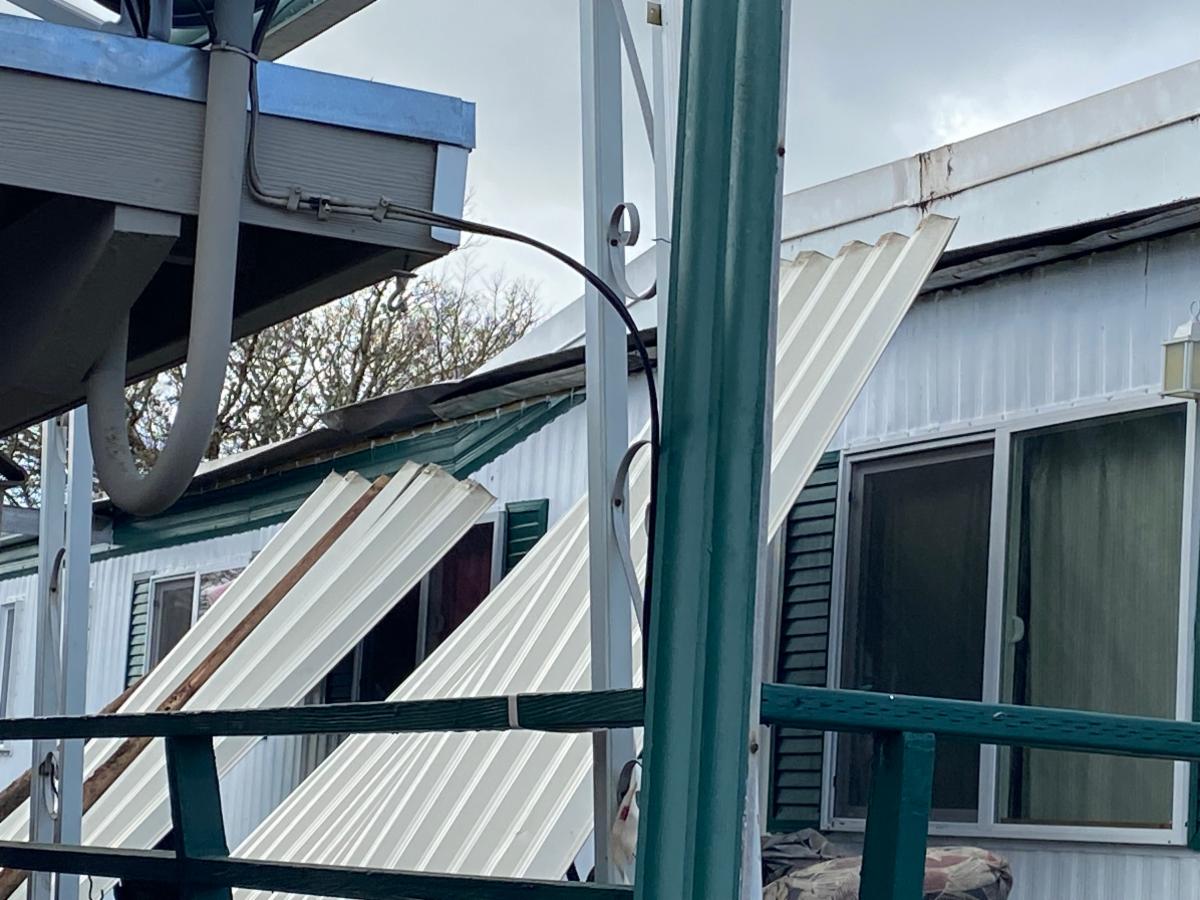
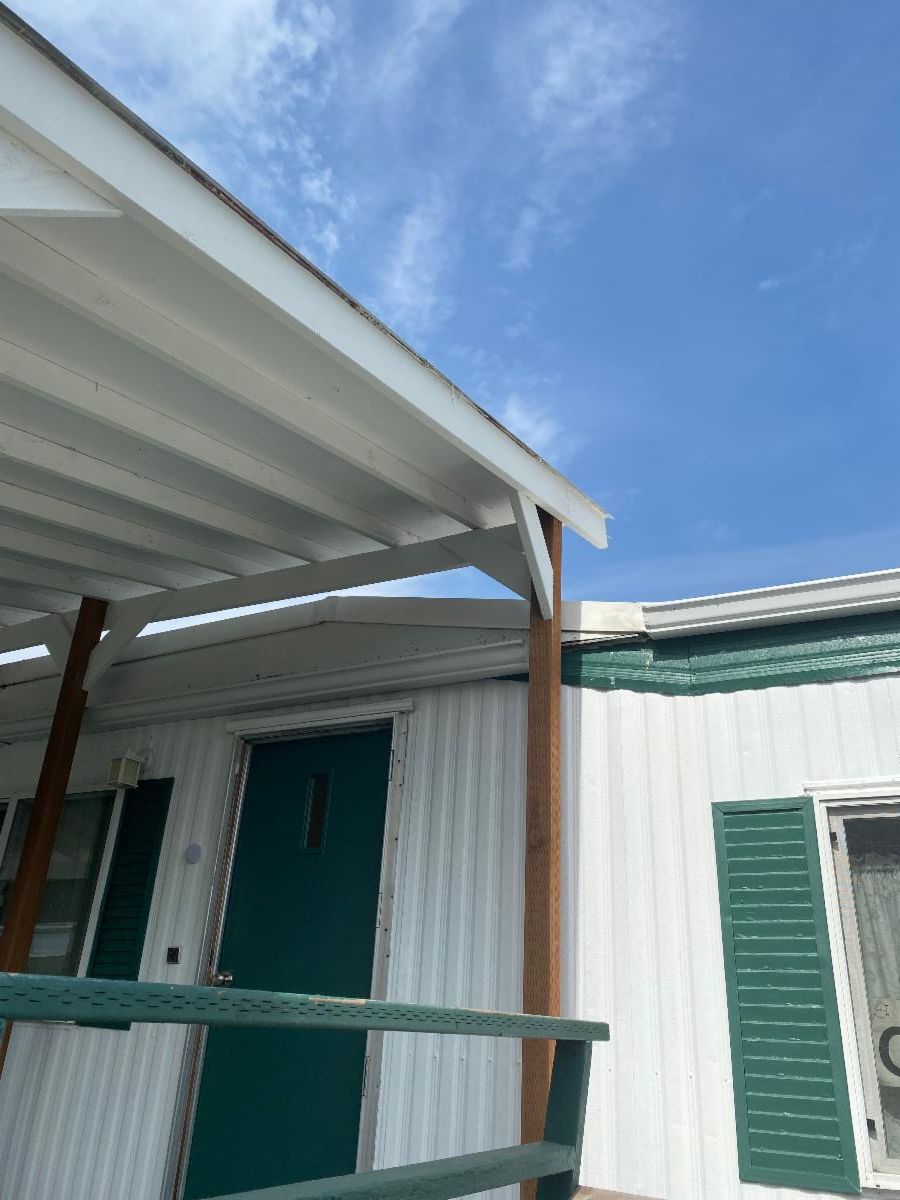
This spring, our team began a project to upgrade a client's shower for better accessibility in a manufactured home park. Mid way through the repairs a windstorm struck – demolishing the porch cover, damaging the roof, peeling back the flashing and opening up the siding, which allowed water to seep into the home.


After a quickly assessing the damage on-site, staff were able to expand the scope of work to include the storm-related repairs. The contractor completed the original project, repaired the damaged exterior and built a new patio cover – all within the budget of the grant awarded to the homeowner.

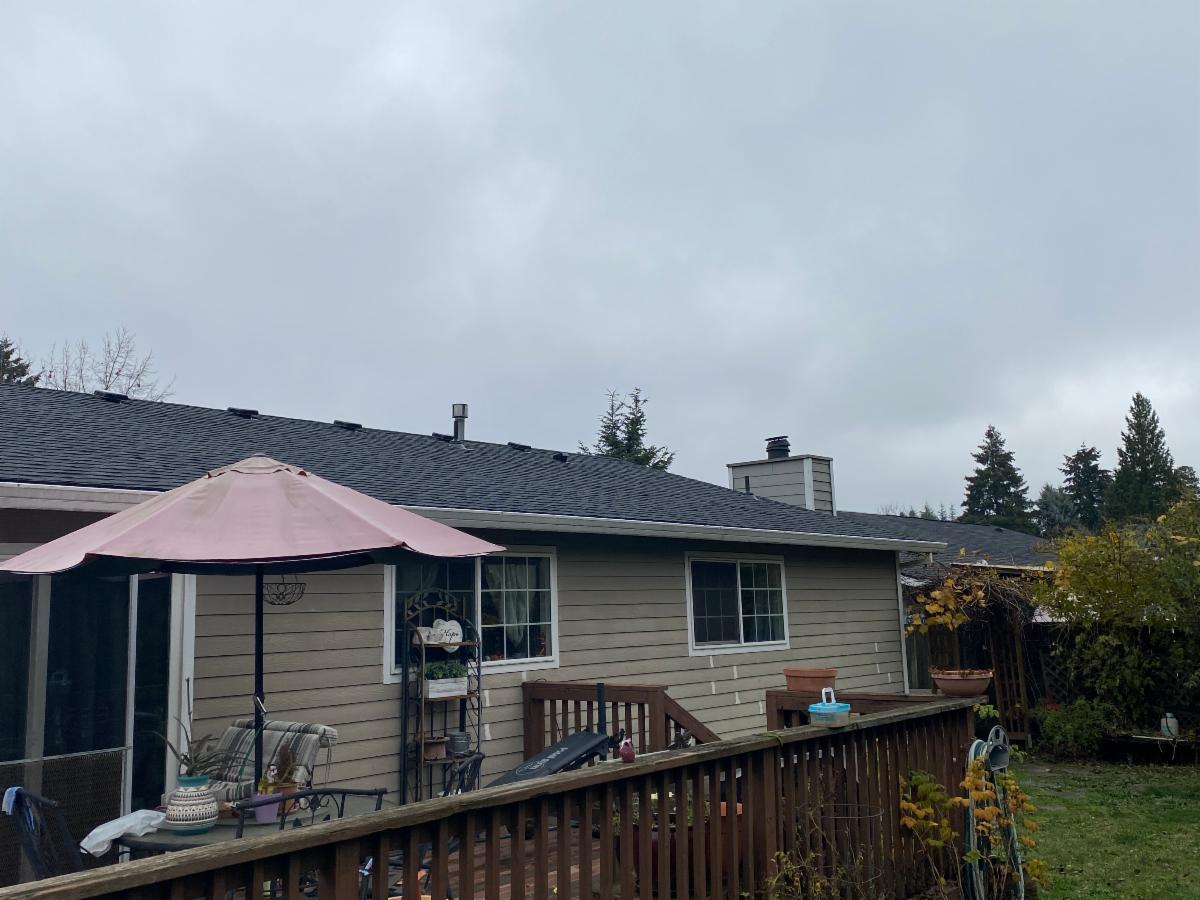
When a tree fell on Hillsboro home, it fortunately didn’t break through the roof – but it did cause enough damage to create a small leak. While the homeowner’s insurance covered the cost of removing the tree, it did not cover repairs to the roof surface.


The Hillsboro Housing Rehabilitation Program stepped in, contracting with a local contractor to repair the damaged roof and replace the home’s aging gutters.

As part of the Woodstove Exchange Program, we’re proud to highlight a recent project at a small rural farm just outside of Hillsboro, in unincorporated Washington County.  


The homeowners, a retired couple, wanted to make their home more sustainable and better equipped for the increasingly harsh winter season. Living in an area where power lines are still above ground, they often lose electricity for days at a time during storms. To become more self-reliant, they planned a series of home upgrades – including installing a large propane tank and piping it directly to their home.


With propane now available on-site, the couple can cook meals and, thanks to a new propane-powered generator, keep essentials like the refrigerator and freezer running during power outages.


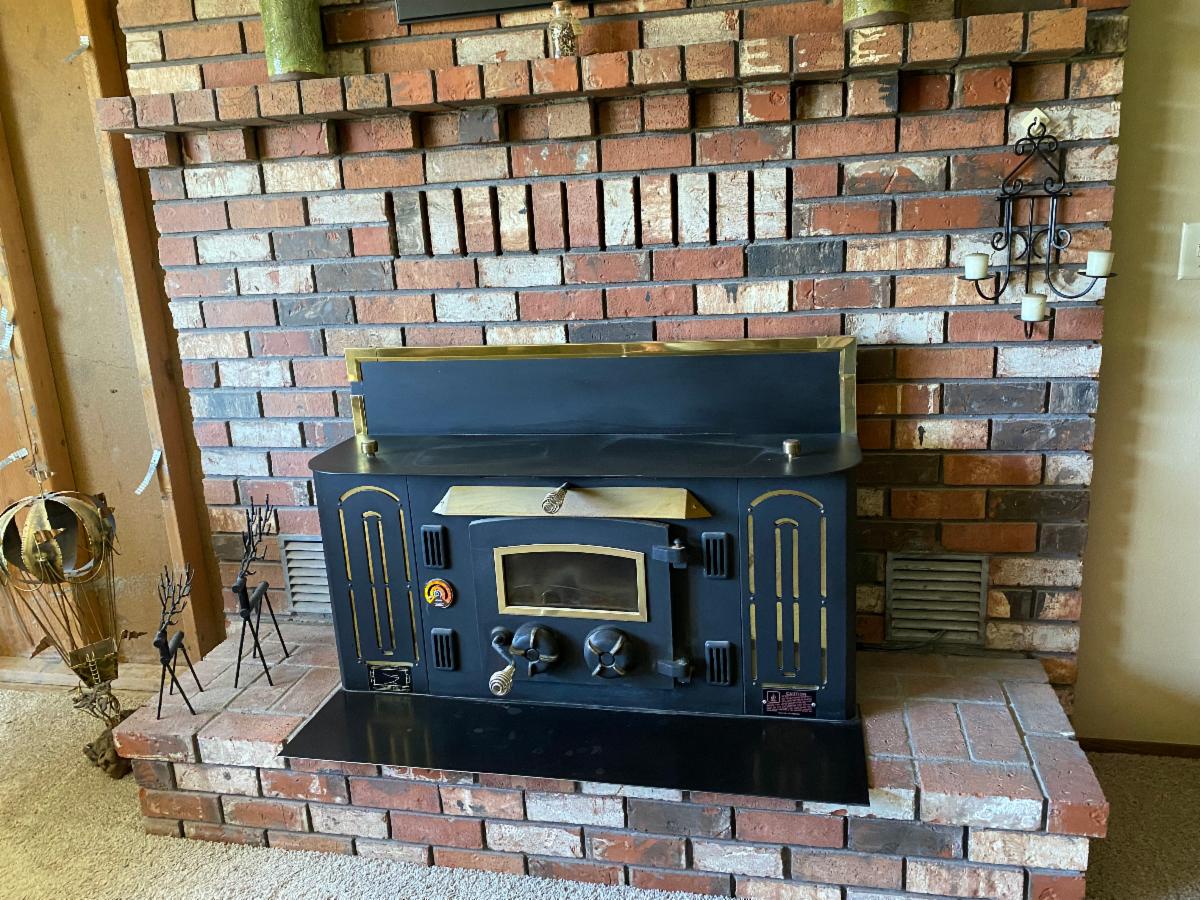
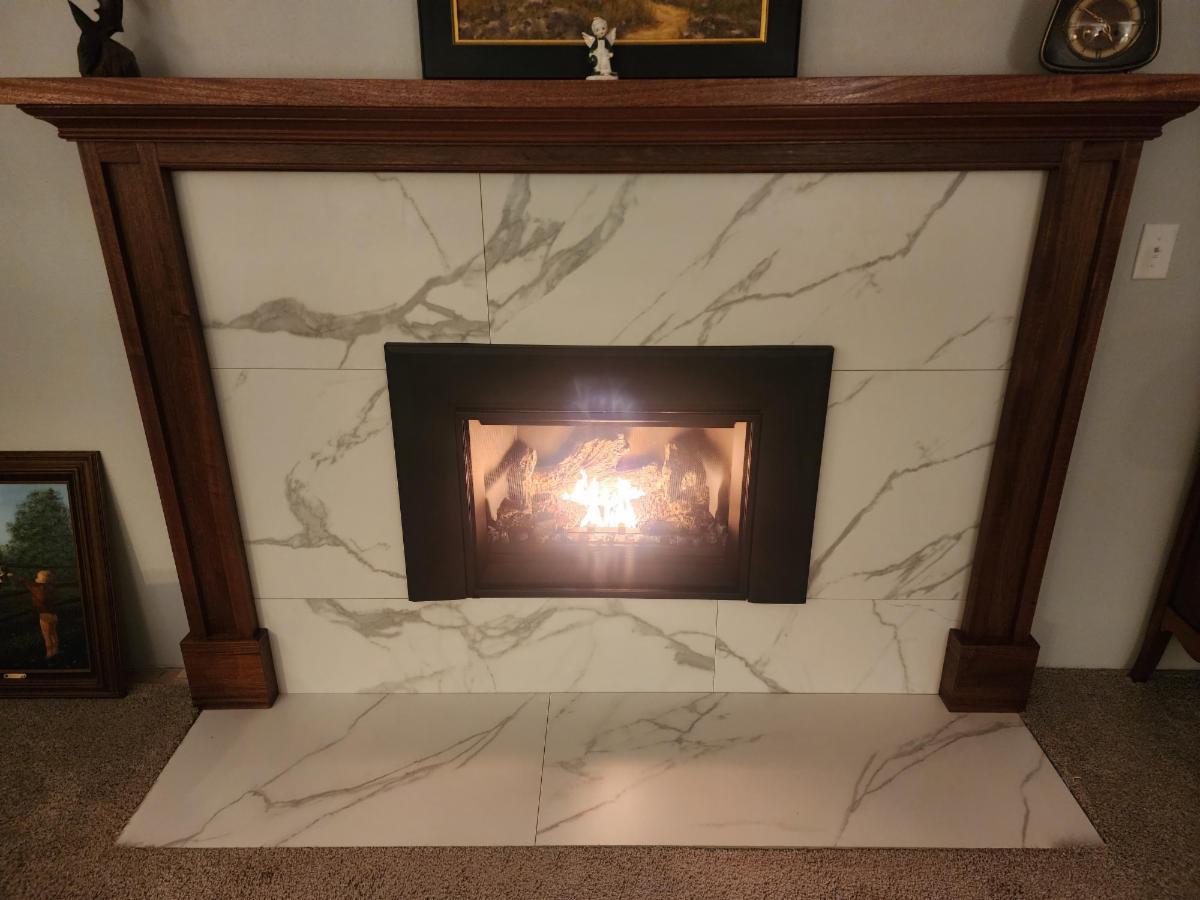
Through the Woodstove Exchange Program, we helped them replace their old, uncertified 1986 wood stove with a new, high-efficiency propane stove – creating a cleaner, safer and more reliable heating source for their home.


Projects like this are small but meaningful steps toward a more sustainable, resilient and healthy community. This project and many others with similar circumstances are small efforts in creating a better community for all. We remain committed to supporting local residents and improving air quality – one woodstove at a time. 


Our Housing Rehabilitation programs partner with several local organizations to maximize the impact of federal funding and deliver a more comprehensive improvements to homes we serve. While each partner brings a unique focus and scopes of work, the outcomes we achieve together wouldn’t be possible without their collaboration and support.


We extend our sincere thanks to Community Action’s Weatherization Program, Rebuilding Together Greater Portland, West Tuality Habitat for Humanity, and Catalyst NW for their continued partnership and dedication to serving Washington County residents.


For more information

Washington County Housing Rehab

Hillsboro Housing Rehab

Woodstove Exchange

Staff Visit to Dartmouth Crossing

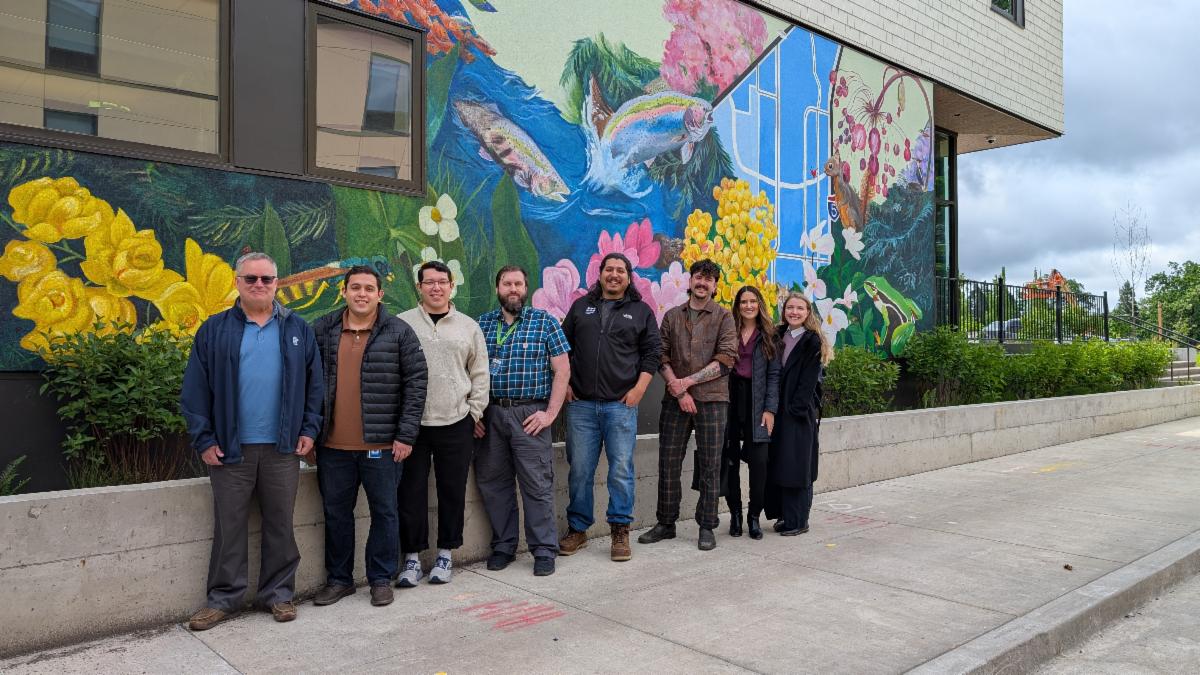
Our staff recently visited REACH Community Development's new Dartmouth Crossing North affordable housing project. Washington County was proud to be among the many funding partners, contributing federal dollars through the HOME Investment Partnerships Program.


This new community will offer on-site resident services provided by Africa Youth Community Organization (AYCO). Designed with input from future residents and community partners, Dartmouth Crossing North includes:

  • A spacious community room and library nook
  • Outdoor play areas and a sustainable stormwater courtyard
  • A vibrant mural, created in partnership with Portland State University’s mural arts class and the City of Tigard.

Community Development Block Grant Application Workshop

Washington County's Office of Community Development will host application workshops for the 2026 funding year (July 1, 2026, through June 30, 2027). Staff will provide an overview of the Community Development Block Grant program, review new policies, and outline application requirements for Public Services, Public Facilities, and Infrastructure projects.


Attendance at the workshops is MANDATORY for all program applicants.


Monday, September 22, 2025

CDBG Public Services at 1:00 pm

CDBG Public Facilities & Infrastructure at 3:00 pm

* Held at the Washington Street Conference Center

Please RSVP by emailing Pablo Garnica at Pablo_Garnica@washingtoncountyor.gov


Facebook  X  Instagram  YouTube