Community Health E-Newsletter

Issue 11 | March 2026

Spring Into Health: March News

This Issue Includes:


Blizzard Hernando: Regional Response By the Numbers


Spring Ahead = Sleep Reset: What Daylight Saving Time Does to Your Body (and How to Handle It)


March is National Nutrition Month


Why Spring Allergies Feel Worse Every Year


Fall Prevention at Home: Simple Steps for Older Adults to Stay Safe


Don't Let Ticks Sneak Up on You: Your Spring Prevention Guide


Wicked Wellness: Colorectal Cancer Awareness Month

Blizzard Hernando: Regional Response By the Numbers

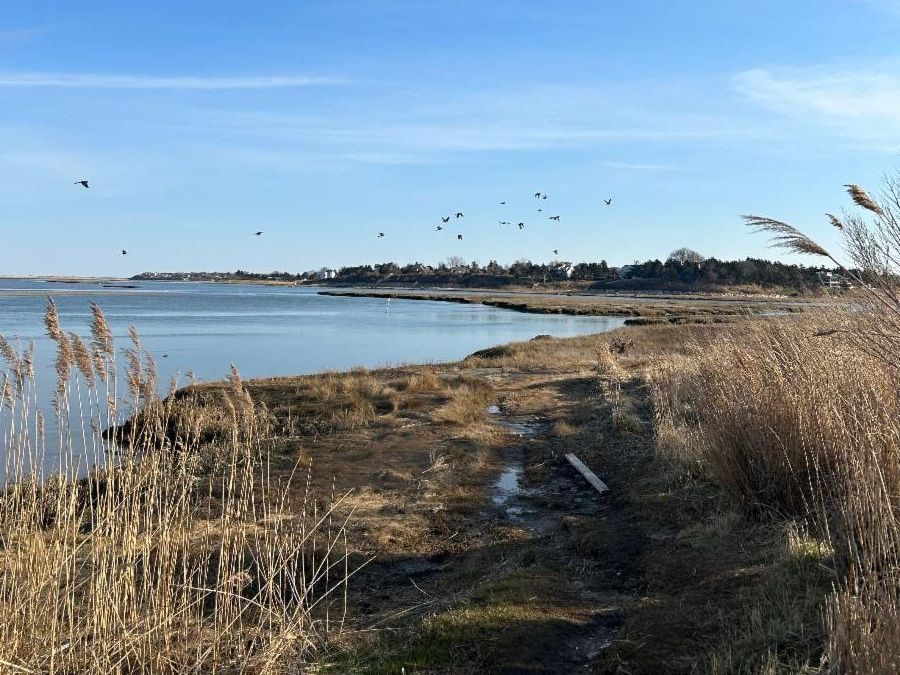
The Barnstable County Department of Health and Environment thanks everyone who responded to the historic Blizzard Hernando.


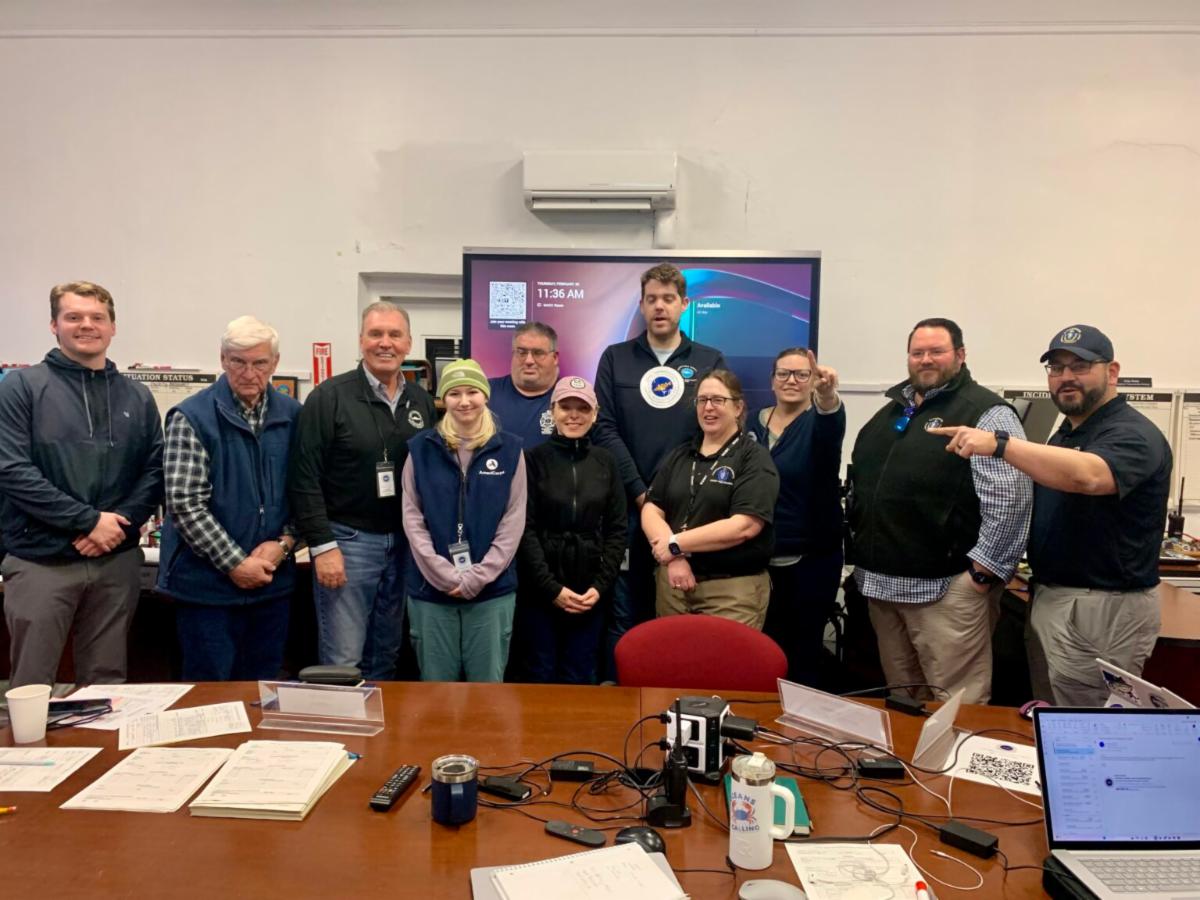
At the height of the storm, more than 153,000 Cape Cod residents lost power, faced blocked roads, and endured dangerous winter conditions. From the Multi-Agency Coordination Center (MACC), municipal, county, state, and utility partners coordinated operations. County staff, public safety leaders, police and fire departments, first responders, utility crews, AmeriCorps members, Red Cross volunteers, CERT teams, CCDART, and nonprofit partners worked together to open shelters, distribute meals, and care for residents and their pets. The Cape Cod RTA assisted with transportation, and Family Table Collaborative delivered 17,000 meals with support from local and national partners. A special thanks to Andrew Platt and Mike Walker for their dedication and leadership to coordinate the emergency response efforts. Lives were saved thanks to their dedication and coordination.


Just as meaningful were the countless acts of neighborly care—checking on vulnerable residents, clearing driveways, and helping one another through prolonged outages. Together, these efforts reflect the strength, compassion, and collaboration that carried Cape Cod through the storm.


Read more about the response and all who stepped up.

Spring Ahead = Sleep Reset: What Daylight Saving Time Does to Your Body (and How to Handle It)

Soft morning light streaming through sheer white curtains onto a rumpled unmade bed with white and gray bedding and a small vase of yellow daffodils, evoking the fatigue and disrupted sleep of daylight saving time in spring.

When we “spring ahead,” we lose just one hour of sleep — but your body doesn’t experience it as small. That single hour shifts your internal clock, also called your circadian rhythm, which regulates sleep, mood, focus, metabolism, and even heart function. For many people, the week after the time change feels like jet lag without the travel. And for kids, teens, and early-morning workers, the effects can last even longer.


Learn More

March is National Nutrition Month


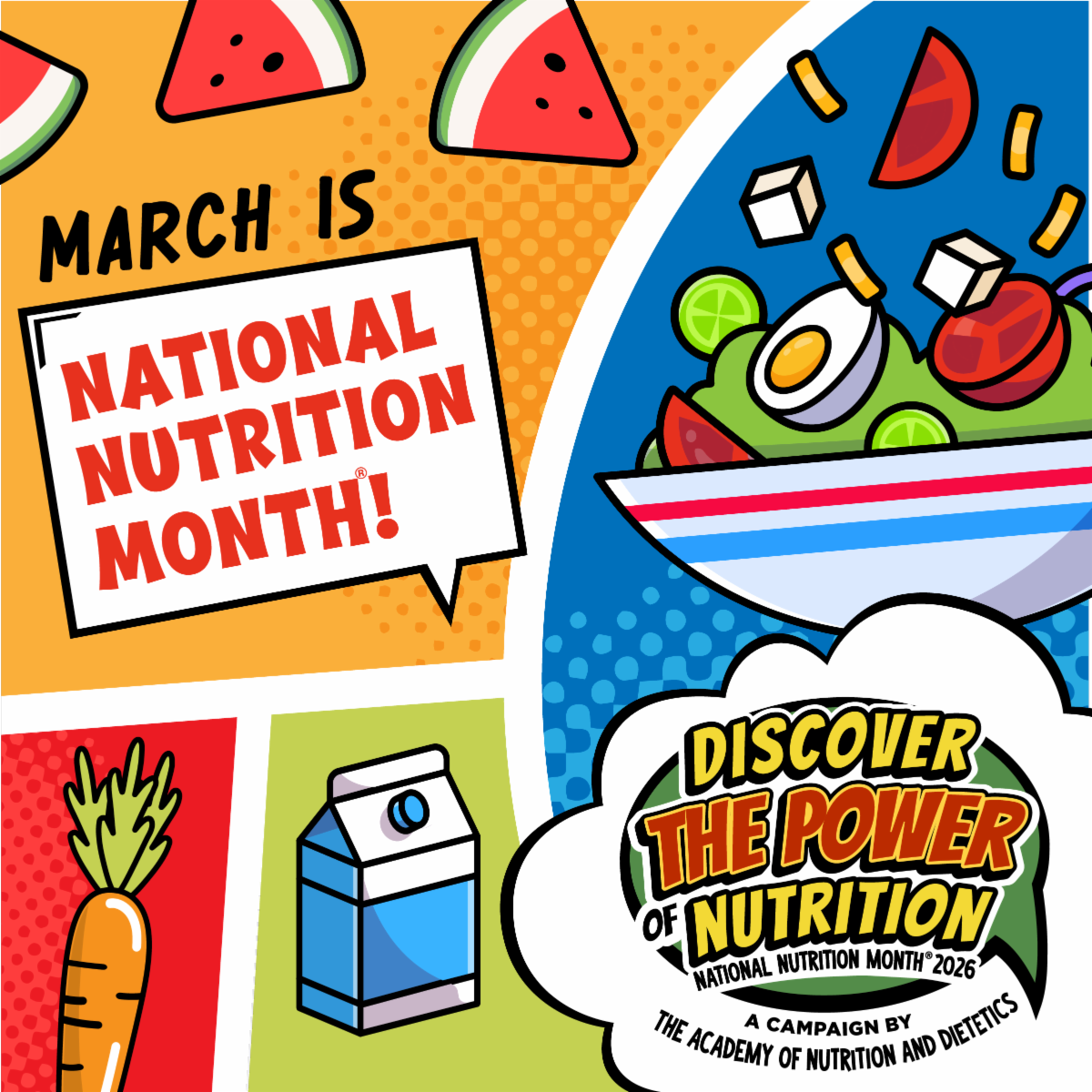
March is National Nutrition Month®, an annual campaign by the Academy of Nutrition and Dietetics encouraging people to make informed food choices and build healthy eating and physical activity habits. The 2026 theme, Discover the Power of Nutrition, highlights how food fuels your body, supports overall well-being, and improves quality of life. It’s a great time to learn from trusted sources, make small healthy changes, and explore local nutrition resources available in the community.


Learn More

Why Spring Allergies Feel Worse Every Year

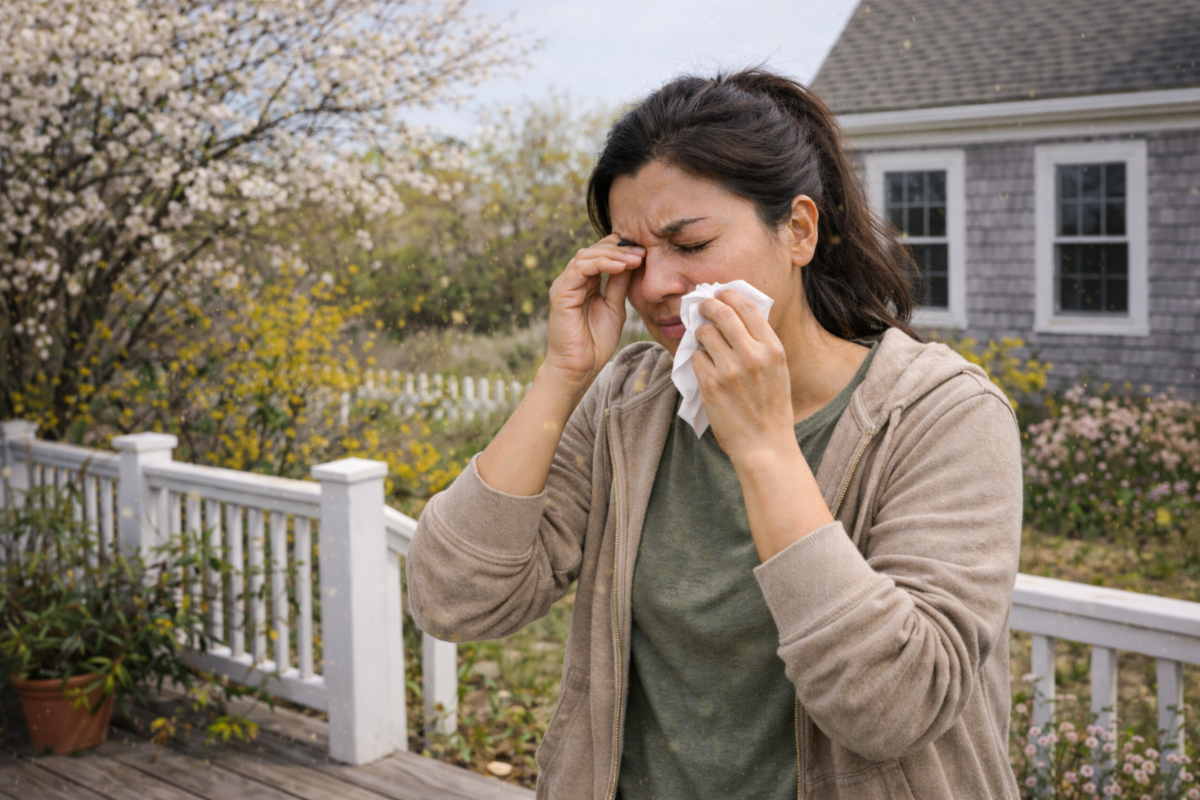
If your allergies seem stronger than they used to be, you’re not imagining it. Many people report longer seasons, heavier symptoms, and medications that don’t seem to work as well anymore. Over the past decade, spring allergy season has gradually expanded — starting earlier and lasting longer. This isn’t just uncomfortable. It affects sleep, mood, focus, and daily functioning. 


Learn More

Fall Prevention at Home: Simple Steps for Older Adults to Stay Safe

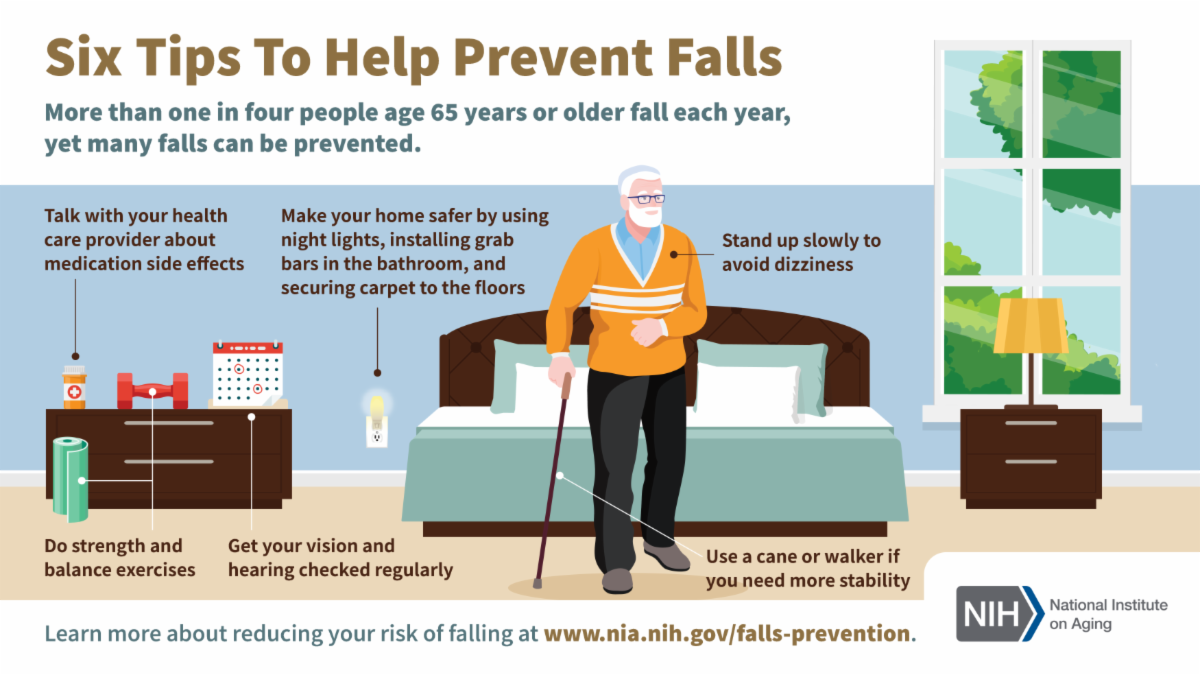
Falls are one of the leading causes of injury among older adults, but many falls can be prevented. As we age, changes in balance, strength, vision, and reaction time can increase fall risk. The good news is that small changes, especially at home, can make a big difference in staying safe and independent.


Learn More

Don't Let Ticks Sneak Up on You: Your Spring Prevention Guide

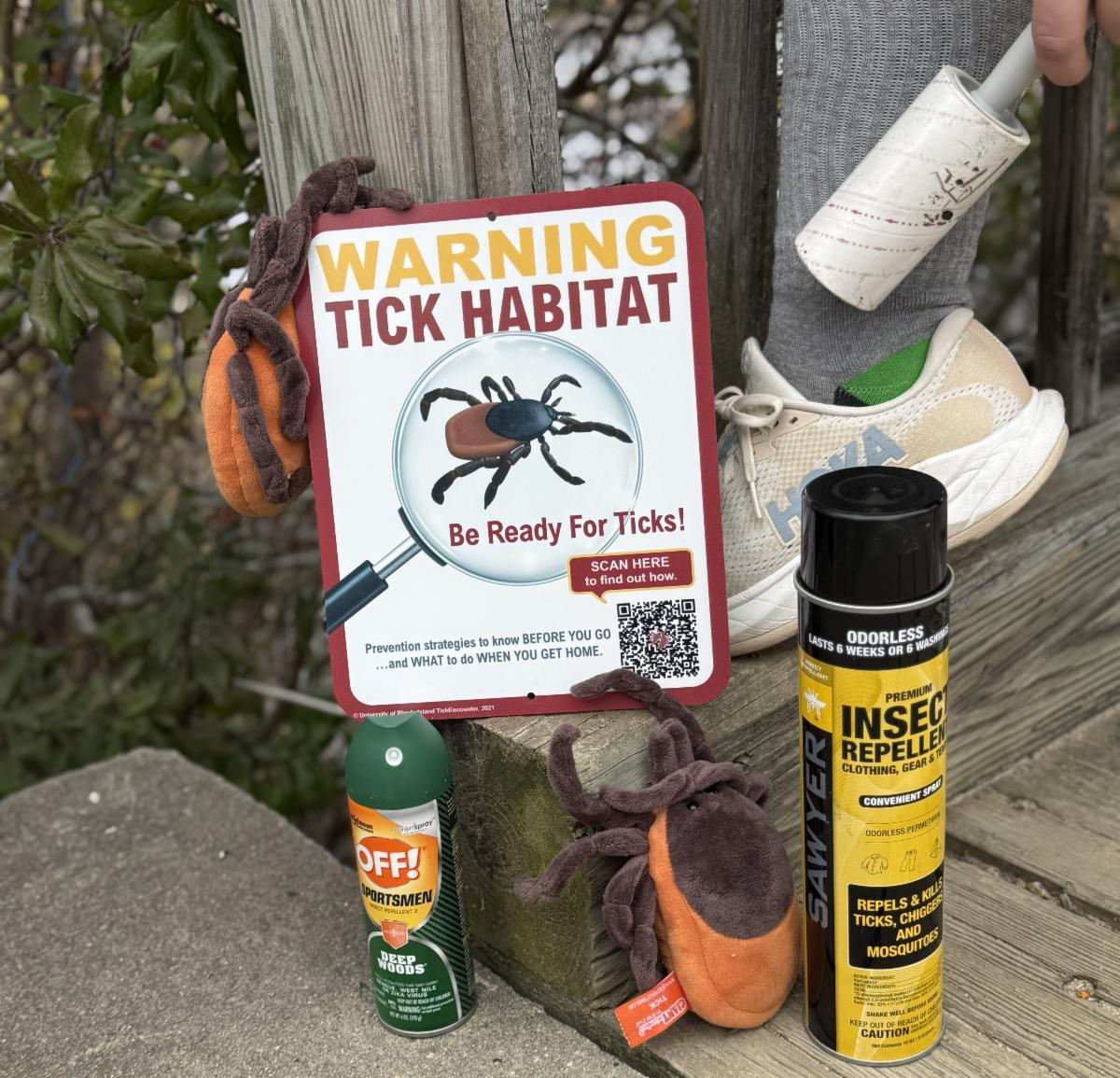
The first warm days feel like relief after winter — yard cleanup, walks, gardening, and kids finally playing outside again. But early spring is also when tick exposure quietly begins. You don’t have to be hiking deep in the woods; many bites happen right at home. Ticks become active as soon as the ground thaws, which means April and May are some of the highest-risk months because people aren’t thinking about prevention yet. The good news: tick-borne illnesses are largely preventable with a few consistent habits. 


Learn More

Wicked Wellness - March is National Colorectal Cancer Month!


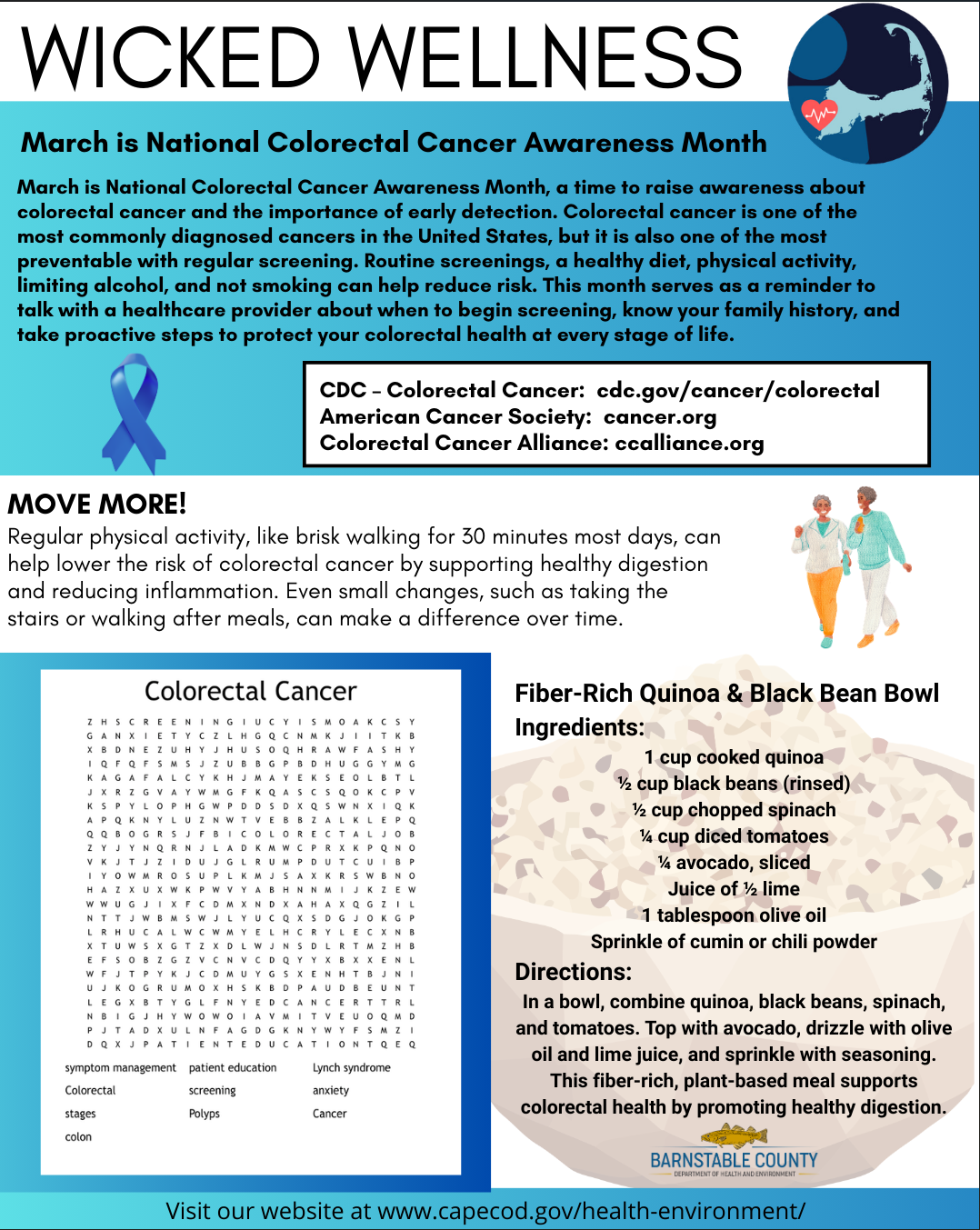
Wicked Wellness is a monthly flyer inspired by relevant health awareness themes. Each edition discusses an important health topic, with helpful exercise tips and simple yet delicious recipes using local, in-season ingredients.


Interested in viewing previous issues of Wicked Wellness? Visit our webpage!


We want to hear from you! Take a quick survey to provide feedback about this updated version of our Community Health Newsletter.

Follow us on social!

Facebook  Instagram  X