|
Holiday Cheer, Not Holiday Fear: A Harm Reduction Guide to Safer Drinking
by Meagan Rico, Health Educator
The holiday season brings cheerful gatherings, family traditions, and plenty of opportunities to raise a glass. But it can also bring higher rates of alcohol-related injuries, car crashes, and risky decision-making. According to the National Highway Traffic Safety Administration (2023), nearly 40% of traffic fatalities during Christmas and New Year’s involve alcohol impairment. This time of year is joyful, but it’s also high-risk.
A harm reduction approach focuses on helping people stay safe, no matter how they choose to celebrate. It is not about judgment or restriction; rather, it is about providing the community with strategies to prevent injuries, protect their health, and make informed decisions. Below are evidence-based ways to enjoy the season while keeping yourself and others safe.
Know Your Limits
Alcohol affects everyone differently. Factors such as body weight, medications, mental health, fatigue, and whether someone has eaten recently all influence how quickly alcohol is absorbed (National Institute on Alcohol Abuse and Alcoholism, 2021).
A simple guideline is to pace drinks by allowing at least one hour per standard drink and sipping water in between.
A standard drink equals:
- 12 oz. beer
- 5 oz. wine
- 1.5 oz. spirits
Knowing this helps avoid unintentionally drinking far more than expected, which happens frequently at holiday parties with oversized glasses or free-pour cocktails.
Eat Before and While You Drink
Consuming food slows alcohol absorption and can reduce peak blood alcohol levels (Mayo Clinic, 2022). Meals that contain protein, complex carbohydrates, and healthy fats are especially effective. Think cheese, nuts, hummus, whole grains, or a holiday meal that isn’t just sugar cookies and air.
Watch for Signs of Alcohol Poisoning
Alcohol poisoning is a medical emergency. Call 911 if someone has:
- Vomiting while unconscious
- Slow or irregular breathing
- Pale, blue, or cold skin
- Cannot be awakened
- Seizures
- Confusion or stupor
Never leave an intoxicated person alone or assume they can “sleep it off.” Severe alcohol impairment can lead to someone stopping breathing and/or death (NIAAA, 2021).
Plan a Safe Ride—Before You Start Drinking
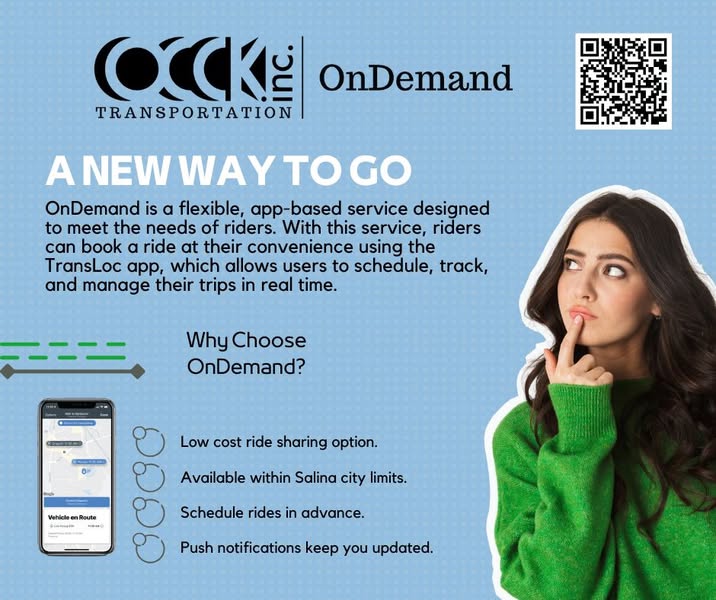
Impairment begins long before someone “feels drunk.” In Kansas, nearly one-third of fatal crashes involve alcohol (Kansas Department of Transportation, 2023). Ride-sharing, designated drivers, taxis, or staying the night are all safer options than risking impaired driving. Planning transportation before drinking significantly reduces the likelihood of risky decision-making.
Mixing Alcohol and Medications Can Be Dangerous
Many common medications, especially antidepressants, sleep aids, opioids, benzodiazepines, and some over-the-counter cold medicines, can intensify the sedative effects of alcohol or cause serious interactions (Centers for Disease Control and Prevention, 2023).
If unsure, ask your pharmacist whether it is safe to drink while taking your medications.
Take Breaks and Hydrate
Alcohol is dehydrating, which can worsen headaches, judgment, and next-day fatigue. Drinking a glass of water between alcoholic beverages helps regulate intake and keep you feeling better overall.
If You Don’t Want to Drink, You Don’t Need a Reason
Many people choose to skip alcohol for personal, spiritual, medical, or mental health reasons, or simply because they want a clear head for the next morning. Consider bringing your own favorite non-alcoholic drink or mocktail. Hosts can also help by offering inclusive drink options for everyone.
Non-Alcoholic Drink Options for Holiday Gatherings
Offering a variety of non-alcoholic drink options can enhance the holiday experience for everyone, including those who choose not to drink alcohol. Here are some festive ideas:
-
Mocktails: Create non-alcoholic versions of classic cocktails. For example, serve a Virgin Mojito made with mint, lime, sugar, and soda water or a Shirley Temple with ginger ale, grenadine, and a splash of orange juice.
-
Sparkling Water with Fruit Garnishes: Provide flavored sparkling water with slices of citrus, berries, or cucumber for a refreshing and sophisticated beverage option.
-
Hot Beverages: Offer a range of warm drinks like spiced apple cider, herbal teas, or hot chocolate. These can be especially comforting in colder weather.
-
Non-Alcoholic Beer and Wine: Stock up on non-alcoholic versions of beer and wine, which allow guests to enjoy the taste of their favorite beverages without the alcohol content.
-
Creative Sodas: Serve unique sodas, such as those made with natural ingredients or artisanal brands, alongside various mixers to create signature drinks.
A Healthier Holiday Starts with Informed Choices
The Saline County Health Department encourages everyone to celebrate safely. Enjoy the season, connect with loved ones, and look out for one another. Harm reduction is about support, not shame, and the holidays are better for everyone when we keep each other safe.
References
Centers for Disease Control and Prevention. (2023). Alcohol and public health. https://www.cdc.gov/alcohol
Kansas Department of Transportation. (2023). Kansas traffic crash facts. https://www.ksdot.gov
Mayo Clinic. (2022). Alcohol use: If you drink, keep it moderate. https://www.mayoclinic.org
National Highway Traffic Safety Administration. (2023). Traffic safety during the holidays. https://www.nhtsa.gov
National Institute on Alcohol Abuse and Alcoholism. (2021). Alcohol facts and statistics. https://www.niaaa.nih.gov
|