The Community Preparedness, Recovery, and Resiliency initiative explores and strengthens the efforts of people, organizations, and communities in navigating disasters. | | |
Community Preparedness, Recovery, and Resiliency Newsletter
Catalyzing Engagement as Disasters Swirl
| | |
Tips and Tricks
Here’s a list of TV and radio stations to tune in during emergencies for Manatee, Sarasota, Charlotte, and DeSoto counties. You may want to keep this list in your emergency kit for reference.
Television Stations
- Bay News 9 (via Spectrum/DirecTV) – Regional coverage including Manatee & Sarasota
-
WFLA Channel 8 (NBC affiliate) – Tampa Bay area, covers Manatee, Sarasota, Charlotte & Desoto counties
- WTSP Channel 10 (CBS) – Serves Manatee & Sarasota
-
WTVT Channel 13 (FOX) – Local news and weather updates
- WFTS Channel 28 (ABC Tampa) – Includes Sarasota/Manatee area
- WWSB Channel 40 (ABC/Suncoast) – Broadcasts to Sarasota & Manatee
-
WSNN‑LD (SNN: Suncoast News Network) – 24/7 localized news & weather across Sarasota‑Bradenton‑North Port
- WINK News
Radio Stations
- WFLA 970 AM
- WWPR 1490 AM
- WJIS 88.1 FM
| | Is your business or organization ready for a disaster? | | |
A disaster plan outlines the steps your business needs to take before, during, and after an emergency. It ensures you can:
- Protect employees and customers
- Maintain communication during disruptions
- Safeguard critical data and assets
- Resume operations as quickly as possible
The Key Elements of a Strong Plan:
Risk Assessment: Identify threats specific to your location or industry, like hurricanes, flooding, fire, or cyber threats.
Communication Strategy: Make sure employees, vendors, and stakeholders know who to contact and how to make contact during a crisis.
Emergency Procedures: Define what to do in real-time, from evacuation routes to data backup protocols.
Business Continuity Plan (BCP): Detail how your organization will operate during recovery, including remote work, supply chain adjustments, and client services.
Training & Drills: Regularly train staff and conduct drills to ensure everyone knows their role in an emergency.
Need Help Getting Started?
Contact your local emergency management offices or Community Organizations Active in Disaster (COAD). They often offer resources, workshops, and templates to help you build or strengthen your plan.
Disasters may be unpredictable, but your response doesn’t have to be.
| | | |
CERT (Community Emergency Response Team) Spotlight
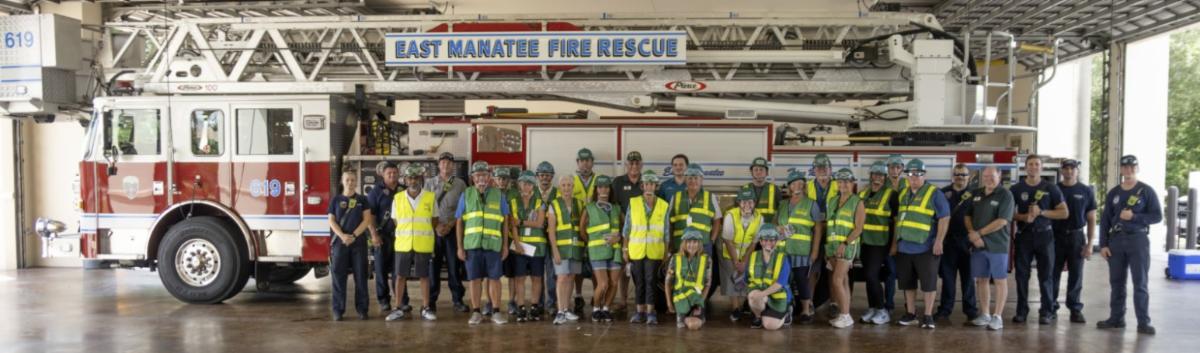
Lakewood Ranch CERT (Community Emergency Response Team) was established in 2006 under a special program by the Department of Homeland Security and FEMA. Formed as a volunteer-based organization, LWR CERT empowers trained residents to assist in search and rescue, first aid, and radio communications during disasters—especially when first responders may be delayed or overwhelmed.
Originally funded by a county grant and supported by a small fire department budget, LWR CERT began as a grassroots effort to strengthen community resilience. After extensive planning and preparation, the first group of dedicated Lakewood Ranch residents completed CERT Basic Training on January 20, 2007—marking the official beginning of what has become a vital emergency support network.
Today, LWR CERT continues to serve as a trusted force multiplier in times of crisis, rooted in the belief that communities are stronger and safer when neighbors look out for one another.
Learn more about CERT teams in your area or consider forming a team for your neighborhood. Contact your local emergency management office to learn more!
| | |
Stronger Together: Preparing for Hurricane Season
Hurricanes may be powerful, but so is the strength of a prepared community. When we look out for one another before, during, and after a storm, we not only keep ourselves safer, we make our entire neighborhood more resilient.
A few simple steps can go a long way. Checking your emergency kit, reviewing your family's communication plan, and knowing where shelters are located can make a big difference when the weather turns. And remember — preparation isn't just about you. A quick check-in with a neighbor, especially someone who may need extra help, can make all the difference.
Neighbors Helping Neighbors: Quick Prep Reminders
- Keep at least 3 days' worth of food and water for every person (and pet!).
- Charge phones and power banks before the storm.
- Share storm updates with neighbors who might not have access to alerts.
- Swap contact information so you can check on each other after the storm.
By preparing and staying connected, we show that even when the winds blow strong, our community stands stronger.
| |
| What’s the FIRST thing you stock up on before a hurricane?
(Click to vote!) | | | |
Recovery and Resiliency Spotlight
United Way Suncoast is hosting a three-part Business & Nonprofit Resiliency Workshop Series in DeSoto County. This initiative is being developed collaboratively with United Way Suncoast, the DeSoto County Chamber of Commerce, the Arcadia Downtown Association, DeSoto County Emergency Management, and DeSoto County Economic Development.
Did You Know?
According to the U.S. Chamber of Commerce, 25% of businesses never reopen after a disaster. And if they remain closed for more than a year, 75% will ultimately fail. The good news? With preparation and planning, we can change those outcomes.
This series is open to everyone and will include participants from DeSoto County as well as surrounding counties—Manatee, Charlotte, Hillsborough, Sarasota, and Pinellas. We welcome everyone to attend this important event!
Bonus: The first 40 registrants will receive a United Way Suncoast Disaster Kit (funded by Verizon), plus attendees will have the chance to win exciting door prizes.
Click here to register.
Workshop Series Snapshot
Part 1 – Education Workshop
Tuesday, October 1, 2024
9:00 AM networking | 9:30 – 11:30 AM official program
Turner Agriculture Center, DeSoto County Resource Roundtable, Business Continuity Survey, and hands-on planning sessions (separate tracks for businesses and nonprofits).
Part 2 – Online Implementation Workshop
November 2024 – strengthen and apply continuity plans.
Part 3 – After Action Review
March 2025 – reflect, refine, and share lessons learned.
| |
Why CPR-R?
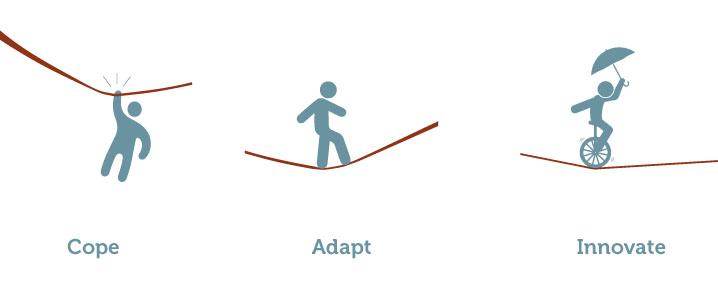
Our communities have long been vulnerable to natural disasters, such as hurricanes and floods, and, more recently, to the increased impacts of higher temperatures and the pandemic. TPF understands the disaster recovery process includes three distinct phases:
-
We cope by ensuring our safety and addressing the immediate needs essential to survival.
-
We adapt to living through disaster by adopting new systems and methods to create stability.
-
We innovate by embracing a possibility mindset and discovering fresh ways to live, work, and play.
| | |
Phases of CPR-R
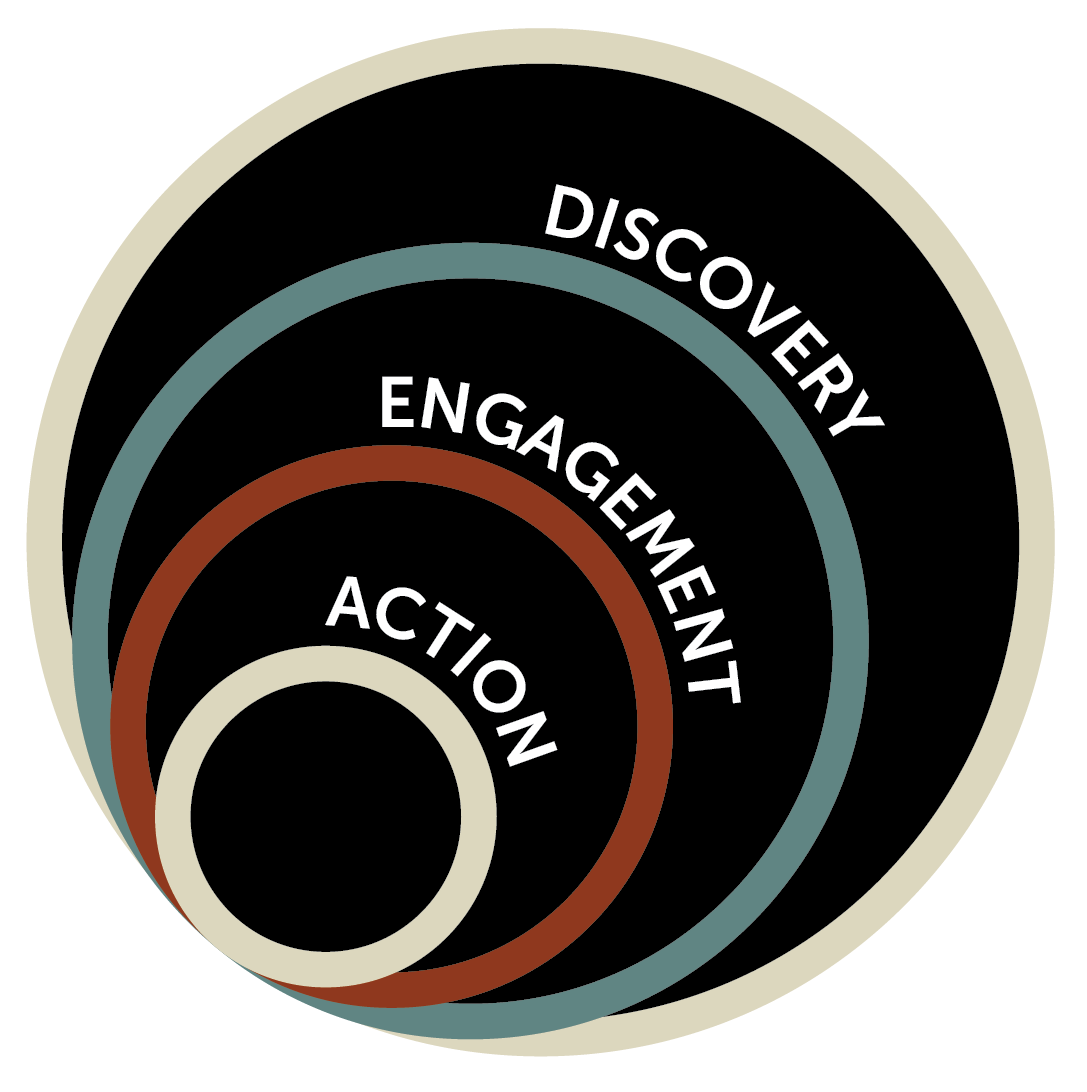
In the Discovery Phase, we will connect with and learn to identify existing community resources related to community engagement in the disaster preparedness, recovery, and resiliency arenas. Additionally, we will connect beyond our four-county region to identify programs and efforts to be replicated locally and create spaces for others to collaborate.
In the Sharing/Engagement Phase – we will engage people, organizations, and communities as we share our learnings.
In the Action Phase - We will strengthen our communities’ disaster preparedness, recovery, and resiliency in various ways.
| | | | |