CFP- updated logo _Facebook Post_.png

Community Resource Sharing Newsletter

Roberta Miksch, CFP Director

Shift Happens


Mandatory supporting our families. What does this prevention work look like? How can we build a culture of this in our communities? Let’s shift our mindsets!

People know what feeling supported feels like. Hopefully, they do. We need to do more of that. Why? That’s prevention.


We may not see ourselves as someone who knows how to support. Give yourself permission to think differently than ‘see something, say something’ because this isn’t the beginning and end to protecting children.


The beginning of how we protect children is by considering ourselves as an ambassador of child well-being work.


Let shift happen.


Go upstream with us so that child abuse and neglect doesn’t happen in the first place.


What this prevention work really means is getting to the why of why child abuse and neglect

happens. And a lot of it is lack of resources, lack of housing, untreated mental health issues

and poverty. These issues can cause overwhelm, overload and stress which could lead to child

abuse and neglect.


What can you do to think upstream, to think about prevention?


Honor bravery. It can be hard to ask for help. If parents seek assistance, offer encouragement

that they did the right thing. Tell them, ‘You’re not the first one or the last one to need help.’ It

takes leaders, it takes all of us, to normalize help-seeking. Consider sharing with them the

times that you’ve received help over your life.


The culture of our communities is in our hands to develop.


Is your shift happening?

Guadalupe Ramirez, Bilingual Community Prevention Coach

Spring into self-care


The demands of life can bring stress into our lives and make us feel exhausted and overwhelmed. Often, we can forget to take care of our mind and body. In a few days it will be Spring again and this can be the perfect chance for us to take the time to reflect on our own personal self-care. According to the balance of simplicity website there are many ways in which we can take care of our own mind and body. Below are 10 excellent ways to start thinking of ways we can make our body happy!

10 ideas for self-care:


1.Taking time for yourself-setting aside at least 10 minutes to recharge your

batteries and doing something you enjoy daily.

2. Go for a walk- enjoy the sunshine and take a short walk around the block.

3. Spring clean your home/living space-get rid of items you do not use.

4. Meet a friend for coffee- chat and enjoy the company of a friend/family

member you’re close to

5. Journal your thoughts

6. Limit your screen time

7. Learn a new hobby

8. Plan a day out

9. Try meditation 

10. Remember you are special- Because you are!

As we transition from winter to spring, many experience an uplift in mood with longer days and

warmer temperatures. However, for some individuals struggling with depression, this seasonal

shift can bring an increase in suicidal thoughts and behaviors. The expectation of “new

beginnings” in spring can feel overwhelming, especially if someone feels disconnected or

unable to meet societal standards of productivity or renewal.


The body’s circadian rhythm, which regulates sleep and mood, shifts with the changing light. For

those with mental health challenges, this disruption can lead to confusion, emotional instability,

and worsening depression. Additionally, societal pressures to engage in spring activities like

cleaning or yard-work can increase feelings of inadequacy or distress for someone already

struggling.


While Seasonal Affective Disorder (SAD) is more commonly experienced in the fall and winter

due to less sunlight, the arrival of spring may also trigger pressure to “feel better” or make

positive changes. This expectation can amplify hopelessness, especially for those who do not

experience the same energy or renewal that others do.


Studies have shown that suicide rates peak in the spring and summer months. Researchers

suggest this may be linked to a perceived increase in energy, leading individuals to act on

feelings of hopelessness. The idea of a fresh start in spring can make someone feel even more

despondent if they are unable to meet these expectations.


It is important to understand that the connection between seasons and suicide is complex. Not

everyone experiences these effects, but for those who do, seeking support—through therapy,

medication, or other resources—can make a significant difference. If you or someone you know

is struggling with thoughts of suicide, please reach out to a professional or helpline. You do not

have to face it alone.

Pinwheels for Prevention


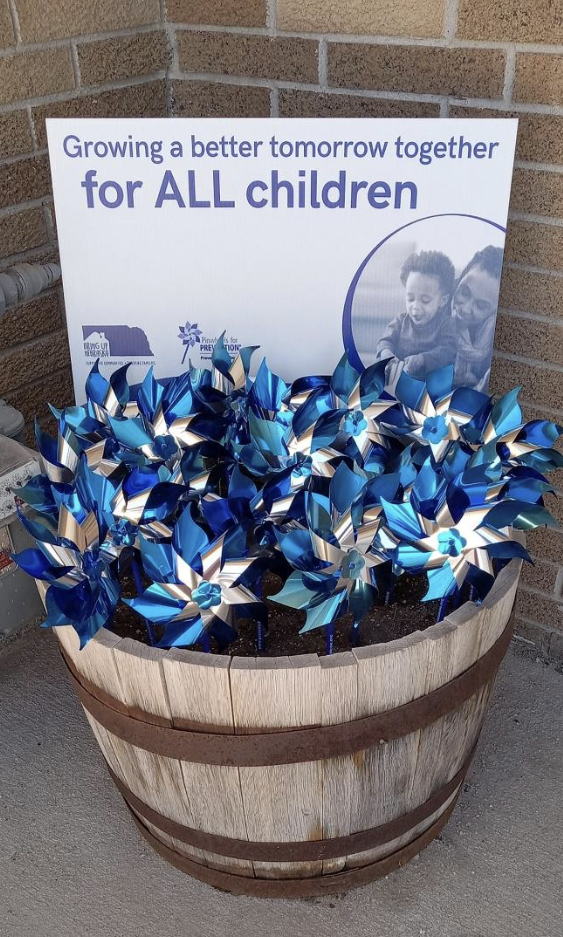
Let’s paint our communities BLUE in April to focus on Child Abuse Prevention Month. Friday, April 4th is known as “Wear Blue Day” both nationally and statewide.


This day is used to bring attention to the issue of child abuse and how we can collectively prevent it. Another important piece to child abuse prevention is the use of blue pinwheels. Pinwheels symbolize the lightheartedness of childhood and hope to focus on how children in our communities can live in safe and thriving families.

What can you do?


1) Encourage your friends, families and workplaces to wear blue on Friday, April 4th. Take photos and share with the CFP Child Abuse Prevention Council Facebook group. The group will post their favorite childcare, business, and school and those winners will get a traveling plaque.


2) Get involved in our efforts. Want to help distribute signs or pinwheels? Let us know and we

will find a way to get you involved.


3) Prevention efforts. See something? Say something. Prevention is the first step in helping our

families thrive.


So, in April when you see a blue sign, a pinwheel or a blue jar, remember that it takes all of us

to help prevent child abuse, one little step at a time.

Like what you see? Want to share the news?

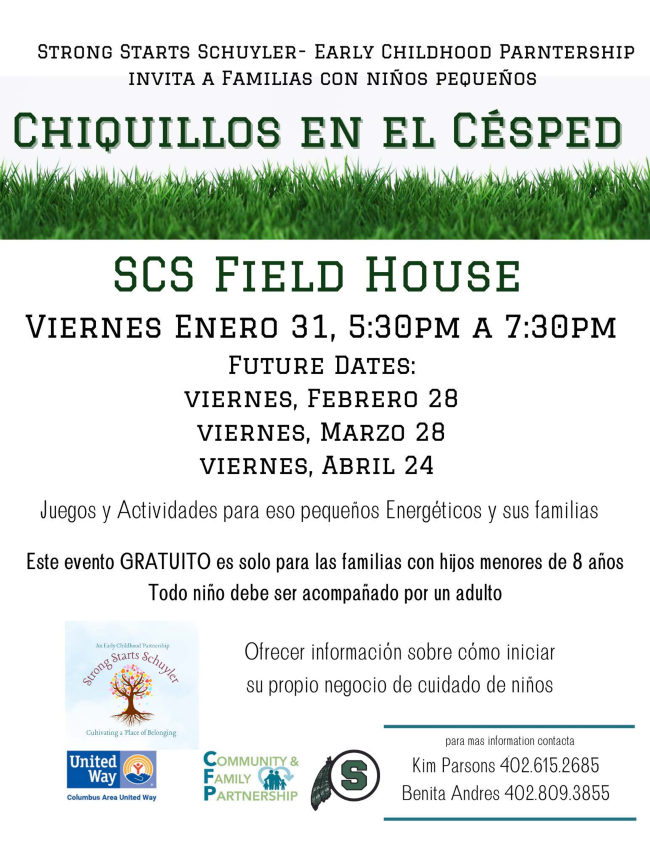
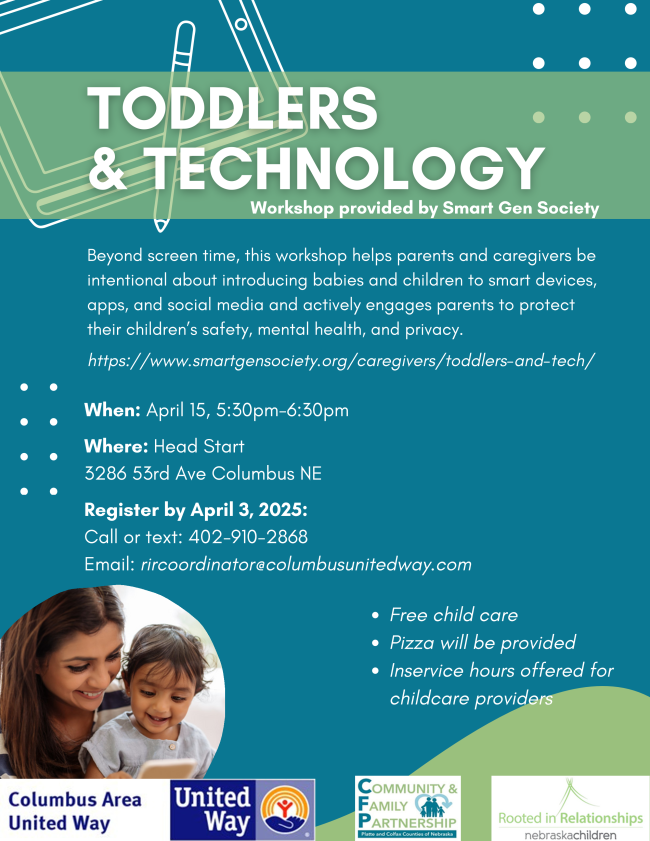
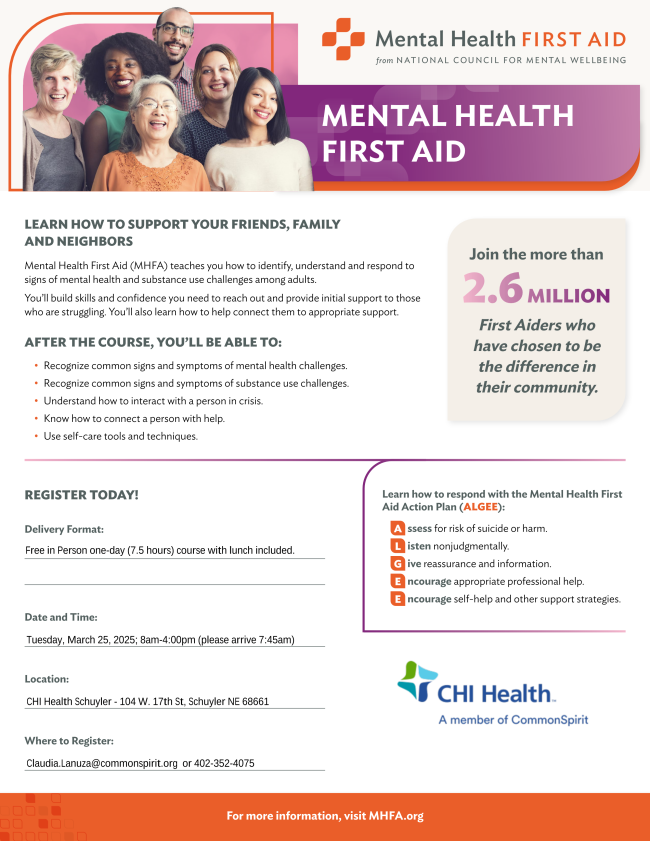
Download your own copies of these flyers by clicking on the picture!

DEADLINE APPROACHING- don't forget to RSVP!

Facebook  Instagram  Web