Community Resource Sharing Newsletter

There is No Wrong Door


Life can throw us curveballs.


Every family faces challenges. Sometimes, all it takes is one unexpected challenge to create stress that can quickly push a family into crisis mode.


And when that happens, asking for help can be hard. Knowing where to turn for help can be even harder.


That’s where Central Navigation comes in.


Central Navigation helps children, young adults, and families connect with resources, services, and community partners—before challenges become crises and before families need to enter higher systems of care.


There are 20 Community Collaboratives and four Native Community Collaboratives across the state, each providing Central Navigation services which are designed to help families find the support they need, when they need it.


Connecting families to help—before crisis.


To make it easier for families to reach out for support early, the Warmline is scheduled to roll out statewide in January 2027.


The Warmline will build on the Central Navigation system already in place through Nebraska’s Community Collaboratives. It will help families connect with people, resources, and community services that can help them take the next step.


Central Navigation then connects help-seekers with community partners who can provide the support they need.


Through this approach, there truly is no wrong door when a family reaches out for help.

More information about the Warmline will be coming soon!


In the meantime, learn more about Community Collaboratives, Central Navigation, and the Warmline by clicking one of the buttons below.


Connection Matters: Small Conversations Can Make a Difference


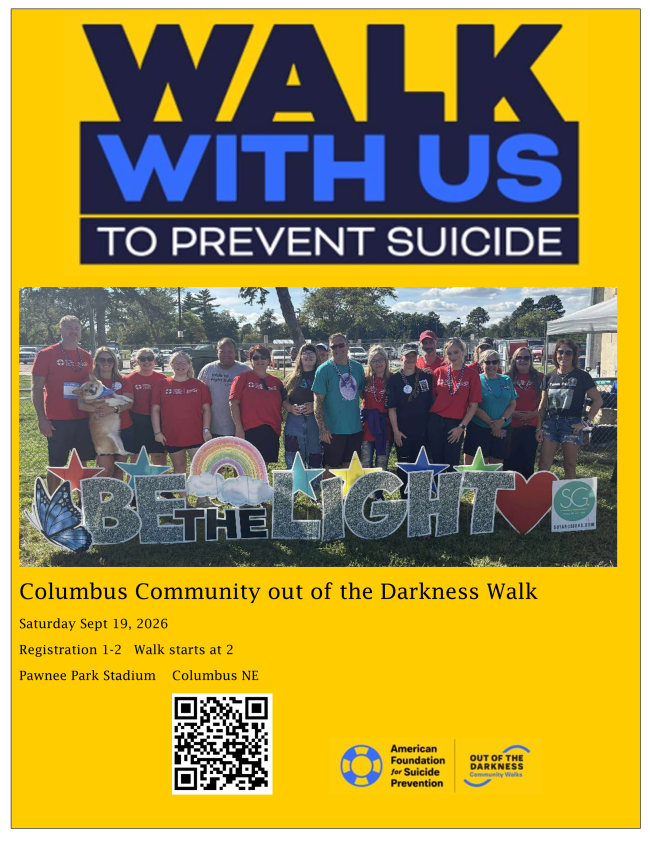
September is Suicide Prevention Awareness Month, a reminder that caring for mental health belongs in our homes, schools, workplaces, and everyday conversations. As families settle into busy fall routines, it helps to pause and ask: “How are you doing, really?”


You do not need perfect words to support someone. Make time to listen without judgment, resist the urge to immediately fix things, and remind them they do not have to face difficult feelings alone. For children and teens, everyday moments such as car rides, shared meals, or walking the dog, can create space for honest conversations. Let them know that asking for help is welcome, even when a problem feels scary or hard to explain.


If someone seems hopeless, withdraws from others, or talks about being a burden, take their words and changes in behavior seriously. Ask directly, “Are you thinking about suicide?” Asking does not increase suicidal thoughts; it can open the door to support. Help them connect with a mental health professional and follow up afterward. If there is an immediate safety concern, stay with them and seek urgent help.


This week, reach out to someone, invite a neighbor to join you, or check in with a parent who seems overwhelmed. These small acts help build a community where people feel seen and supported.


Support is available: Call or text 988, or our local Crisis Response Line at 888-370-7003, for free, confidential support, 24/7—for yourself or someone you are concerned about. In a life-threatening emergency, call 911.


Like what you see? Want to share the news?

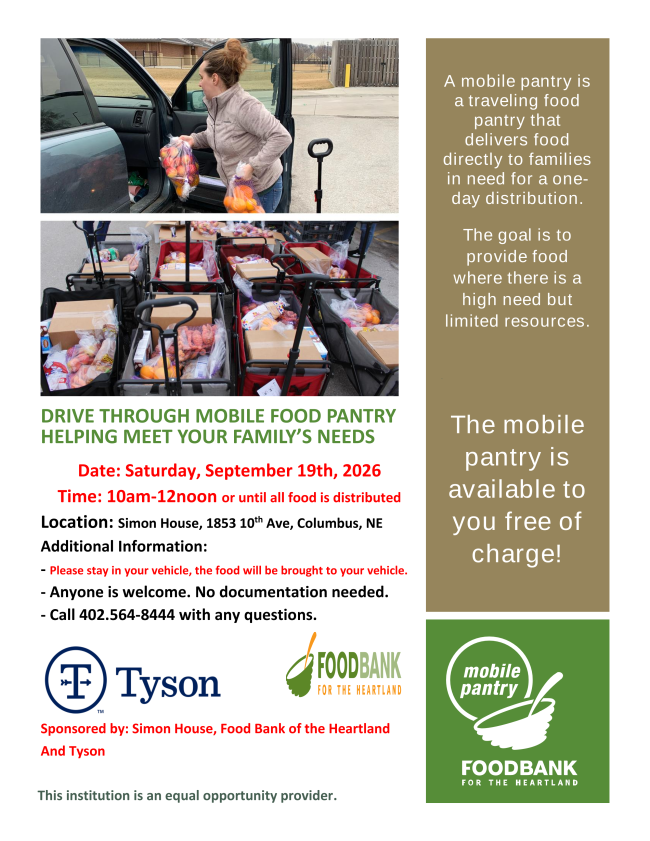
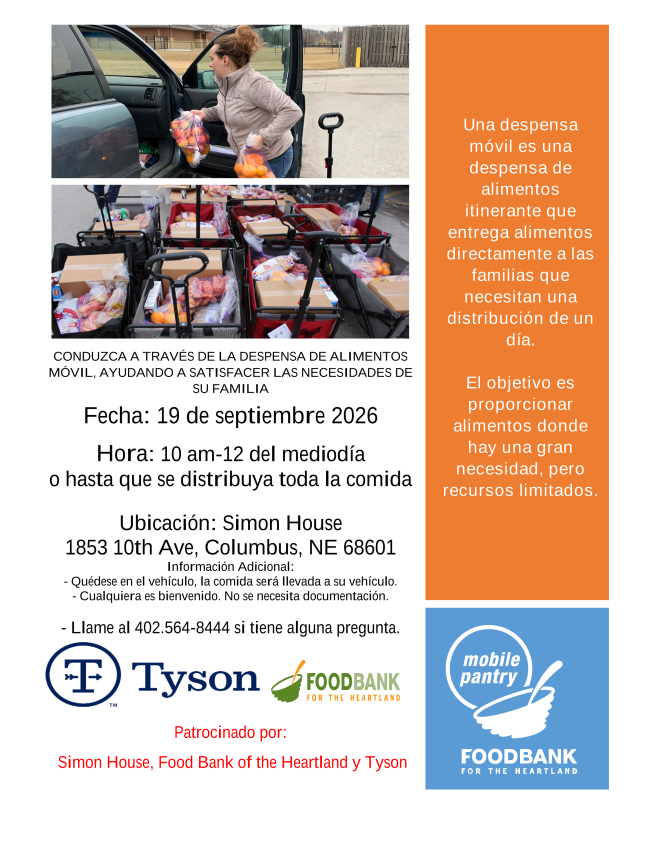
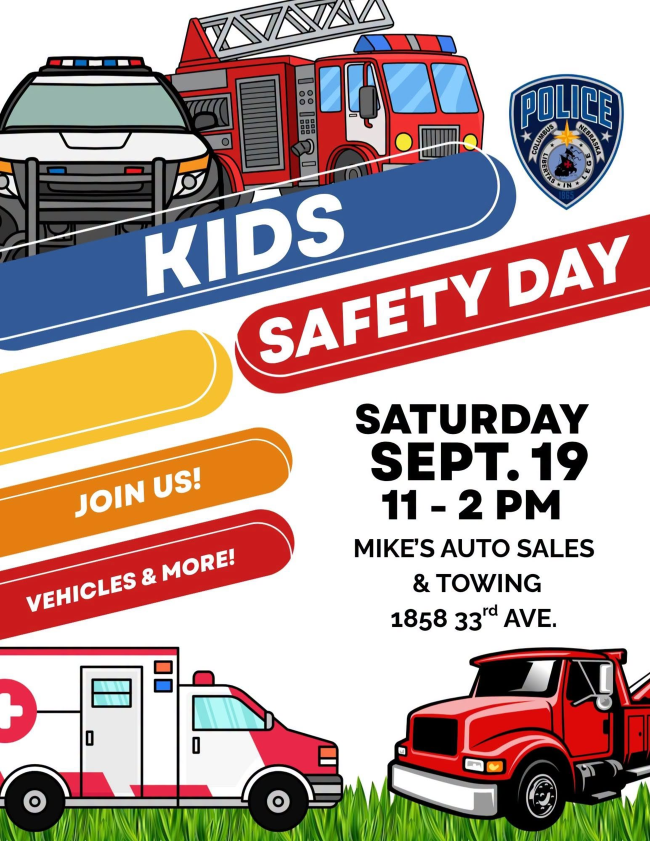
Download your own copies of these flyers by clicking on the picture!


Facebook  Instagram  Web