|
Dear Friends,
I am pleased to share that last week the Senate and Assembly passed, and the Governor has signed, the FY 2025-2026 New York State Budget. This budget includes many compromises, but on balance will move our state forward and provide needed investment in our communities and schools.
Since the Governor shared her Executive Budget proposal back in January, I have heard from many of you about your priorities, thoughts, and concerns – many of which I share. There are areas of this budget, as I share below, that I am deeply disappointed by. But, we will keep moving forward in our work to improve New York. As always, I deeply appreciate everyone who took the time to express their thoughts. When we agree and disagree, it is important for me to hear from you to help guide my work in Albany.
I will be hosting a Budget Town Hall Webinar on Monday, May 19 from 5:30 - 6:30. I encourage you to join to hear more about the FY 2025-2026 budget. During this webinar, I will also review the aid individual school districts will receive. There will be an opportunity to ask questions. Spanish and ASL interpretation will be available on the webinar. Please RSVP here.
Please continue reading to learn more about the accomplishments in the budget, as well as the areas I disagree with.
| | |
If there is anything my office can assist you with, please email me at smayer@nysenate.gov or call (914) 934-5250.
Warm regards,
| | |
Shelley B. Mayer
State Senator
37th District
| | |
As Chair of the Senate Committee on Education, ensuring our public schools receive the funding they need to serve their students and school community is a top priority. This budget affirms our commitment and primary obligation to ensure every child receives a quality education, regardless of their zip code or needs. I am pleased to share that the final budget included over $26 billion total in Foundation Aid Funding – a $120 million increase over the Governor’s proposal – and is a $1.7 billion increase in school aid over last year. Every district in the state will receive at least a 2% increase in Foundation Aid over the prior year. I am well aware of the unique challenges facing the New Rochelle school district, and will continue to work closely with the District to provide as much assistance as possible.
The enacted budget includes several updates to the Foundation Aid Formula which will drive additional aid to schools in our community, including increasing the regional cost index for Westchester to better reflect the actual cost of educating students in the county. This change will drive $20 million more in Foundation Aid to Westchester schools next year. The budget also increased the weighting for English Language Learners, yielding more than $50 million statewide to schools with students learning English. The budget also invests $340 million for Universal School Meals, ensuring free breakfast and lunch is provided for all students across New York State. Every school is eligible to participate and I encourage every school and school district to do so.
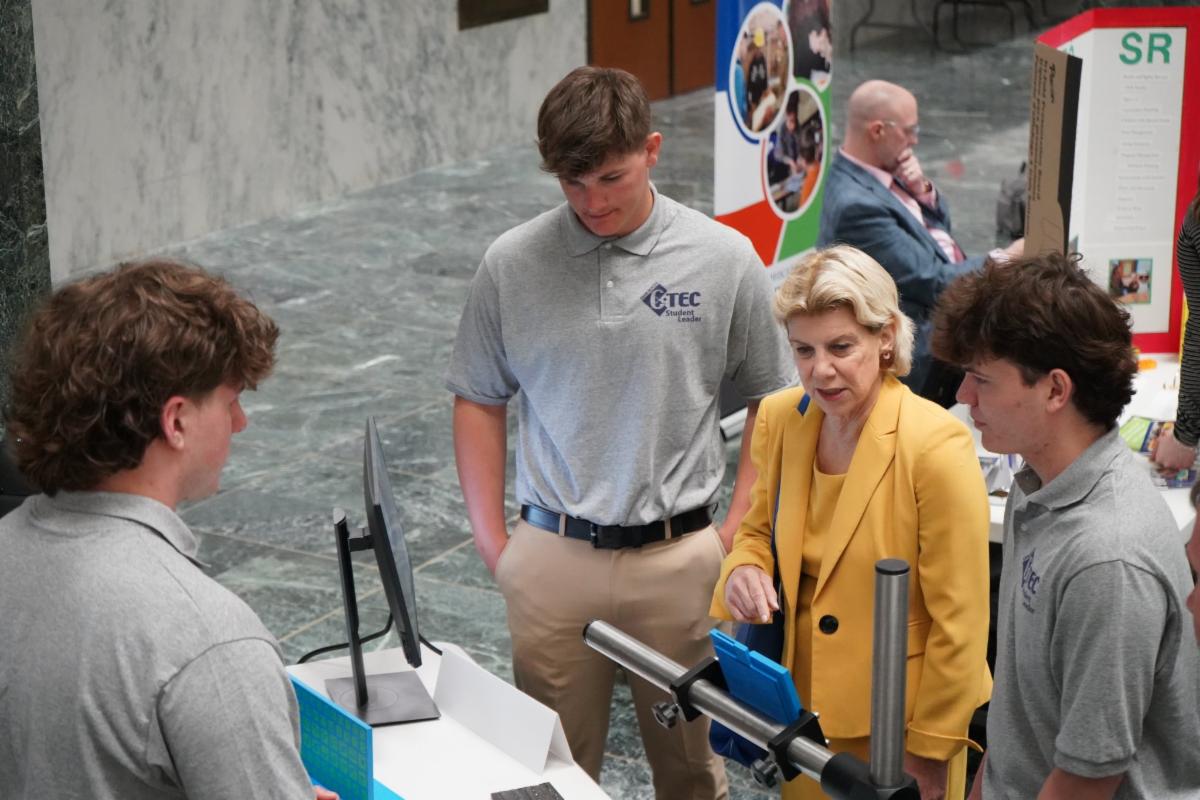
I am especially proud that this year we achieved a long-overdue investment in career and technical education (CTE) programs in BOCES and the Big Five School Districts. This school year we are providing $59.3 million in new funding for CTE programs in the Big 5 School Districts, including Yonkers. This budget also provides the first increase to BOCES salary reimbursements in over 30 years. CTE programs are life-changing for our students, giving them pathways to fulfilling careers and new ways to engage in learning. The investments in this budget will allow our CTE programs to expand the number of seats and programs they offer.
In the Governor’s Executive Budget, she outlined her plan to address the serious adverse impact of cell phone use in our schools and on our students. There is a clear nexus between cell phone use and a decline in students’ mental health and academic success due to decreased ability to focus, diminished social interaction, and emotional stress. Throughout this process, I have sought out feedback from students, parents, teachers, school board members, superintendents, and other stakeholders about cell phones in our schools.
Although I favored giving districts additional flexibility, the budget includes a “Bell to Bell” cell phone ban, requiring schools to ban phone use during the entirety of the school day for public schools. Exceptions are granted for when use is allowed by school staff, for health reasons, translation use, emergencies, and more. Additionally, schools must provide parents with at least one way to contact their children. This will take effect at the start of the 2025-2026 school year.
We also included reasonable changes to give districts additional flexibility as they implement the electric school bus transition, without compromising our commitment to the health, safety, and environmental benefits the transition will bring.
| | |
I am also pleased to share that we are continuing our investment in SUNY and CUNY campuses across the state. This budget increases capital funding for SUNY by $160 million, for a total of $2.3 billion and by $83 million for CUNY, for a total of $580.4 million. It increases operating funding throughout the SUNY system by $114 and the CUNY system by $52.8 million. The budget also increased operating funding for community colleges – SUNY community colleges will receive $14 million – a $6 million increase and CUNY community colleges will receive $9.3 million – an increase of $4 million.
This year’s budget restores Higher Education Opportunity Program (HEOP) funding, which provides services and assistance to New York residents who would be otherwise unable to pursue higher education; and it creates the New York Opportunity Promise Scholarship for New Yorkers to make community college degrees in high-demand fields free for adults 25-55.
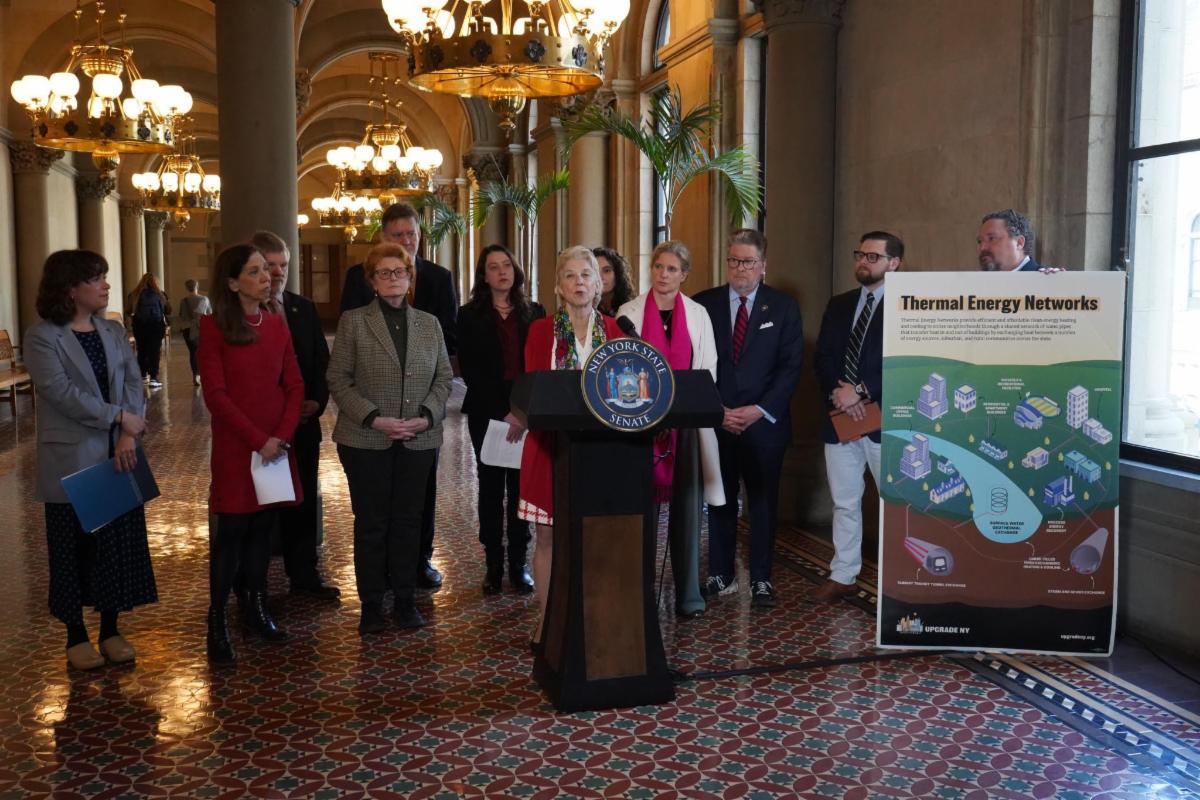
We also are investing $200 million for thermal networks at SUNY and CUNY, which will help fight climate change, reduce carbon emissions, and improve quality of the air we breathe while addressing the affordability crisis and providing good-paying union jobs. I am pleased that Purchase College in my district will benefit from this funding.
| | Addressing the Affordability Crisis | | |
|
As outlined in the Governor’s Executive Budget, the final enacted budget includes an Inflation Rebate Check. Married filers with income up to $150,000 will receive $400; married filers with income $150,000 to $300,000 will receive $300; single filers with income up to $75,000 will receive $200; and single filers with income $75,000-$150,000 will receive $150. I would have preferred more lasting investments for those most in need or ensuring we have reserves for potential federal cuts, but these checks will help many pay their bills.
Child Care and Afterschool
As chair of the Senate Education Committee, I know that academic success doesn’t start on the first day of kindergarten, it begins years earlier, with access to safe, nurturing, and consistent child care. However, for many families in my district and across New York State, child care is one of their largest expenses or is not available due to staffing shortages.
Since 2023, New York has made tremendous progress in making child care more affordable for families. Increased investments have made tens of thousands of families newly eligible for support. This budget builds on that commitment to children and families by securing:
-
Secured a 3-year expansion of the child tax credit, providing $1,000 annually for children under age four and increasing the credit for children aged four and older from $330 in the first year to $500 in the following two year. This will help over 2.75 million kids and help families earning up to $200,000.
-
A $400 million increase – totaling $2.2 billion statewide – in the Child Care Block Grant for access to affordable childcare for families. This will ensure thousands of families do not lose access to childcare, including in Westchester.
-
$110 million to build or renovate child care centers in child care deserts.
-
$21.6 million for youth development programs
-
$12.5 million for “Get Offline, Get Outside 2.0” to promote physical and mental health by encouraging New Yorkers to put their phones down and enjoy the outdoors.
-
$76.5 million for NY PLAYS; NY PLAYS grants can be used for the construction of new playgrounds and renovations to existing playgrounds, to help ensure children across the state have access to safe outdoor play spaces.
-
$100 million for NY BRICKS; NY BRICKS grants can be used to fund the design, construction, and renovation of community centers across the State. The BRICKS program emphasizes underserved neighborhoods.
- $10 million for youth sports initiatives
High Utility Costs
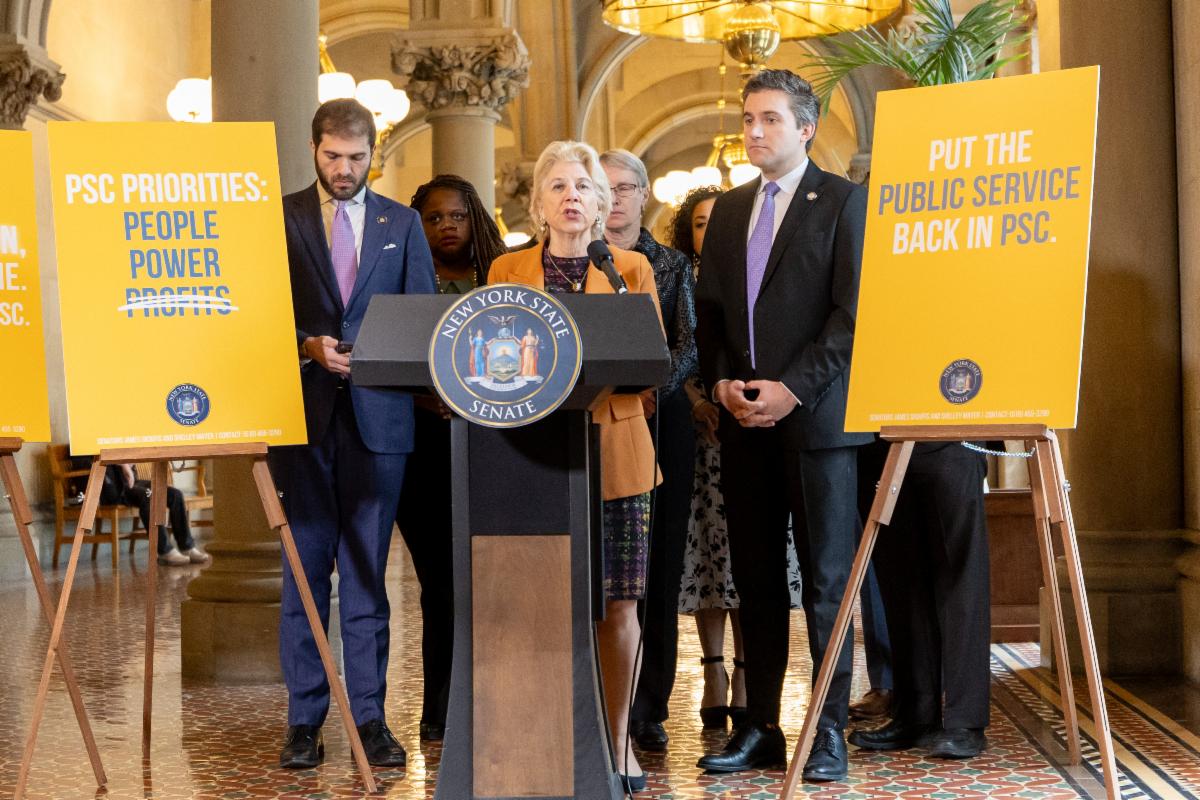
I continue to hear from many of you about your outrageous utility bills and unaffordable delivery charges. I am proud to lead the opposition to Con Edison’s proposed rate increases and to have introduced legislation to reform the PSC and make the utility rate setting process more fair for ratepayers. This year’s budget also takes measures to provide relief for high utility bills.
-
$2.5 million for the Public Utility Law Project (PULP), which advocates for lower energy rates and works with New Yorkers on utility-related legal issues. I am proud to work with them to share information and useful resources to members of our community.
-
$25 million in additional funding for HEAP, the Home Energy Affordability Program, which provides the lowest income New Yorkers with direct relief on their heating bills.
-
$50 million for EmPower Plus to assist in energy efficient upgrades to homes.
I am disappointed this budget did not include meaningful reform to the rate setting process, but I am committed to working with my colleagues to pass legislation in the remaining days of the legislative session.
|
| Energy and the Enviornment | | |
|
Our community is no stranger to the detrimental effects of climate change with the increasingly severe and frequent weather conditions. This budget makes great strides in shifting to green energy, mitigating the effects of climate change and building more resilient communities. The budget secures $425 million for the Environmental Protection Fund, a $25 million increase from last year, to help waste management, protecting and preserving open space, and climate change mitigation. This is the largest environmental protection fund in state history. We also secured $1 billion for New York’s Climate Resilience and Green Energy Future.
The Senate also fought for – and secured– $2 million to begin the Green Affordable Pre-Electrification Program, to allow homeowners and tenants to access funds to make needed upgrades to become eligible for energy affordable programs. This budget also increases the Geothermal Energy Systems Tax Credit from $5,000 to $10,000 for purchases or long term leases relating to geothermal energy systems.
|
| Healthcare, Reproductive Healthcare, and Mental Healthcare | | |
Healthcare
This budget includes important investments in Medicaid including:
- $425 million to hospital services
- $445 million to nursing homes
- $15 million to assisted living programs
- $40 million to Federal Qualified Health Centers
We have also invested:
- $305 million for Hospital Operating Support.
- $223 million for nursing homes and $7.5 million for assisted living programs.
- $20 million for Federally Qualified Health Centers
- $70 million invested in the Opioid Settlement Fund.
Reproductive Healthcare
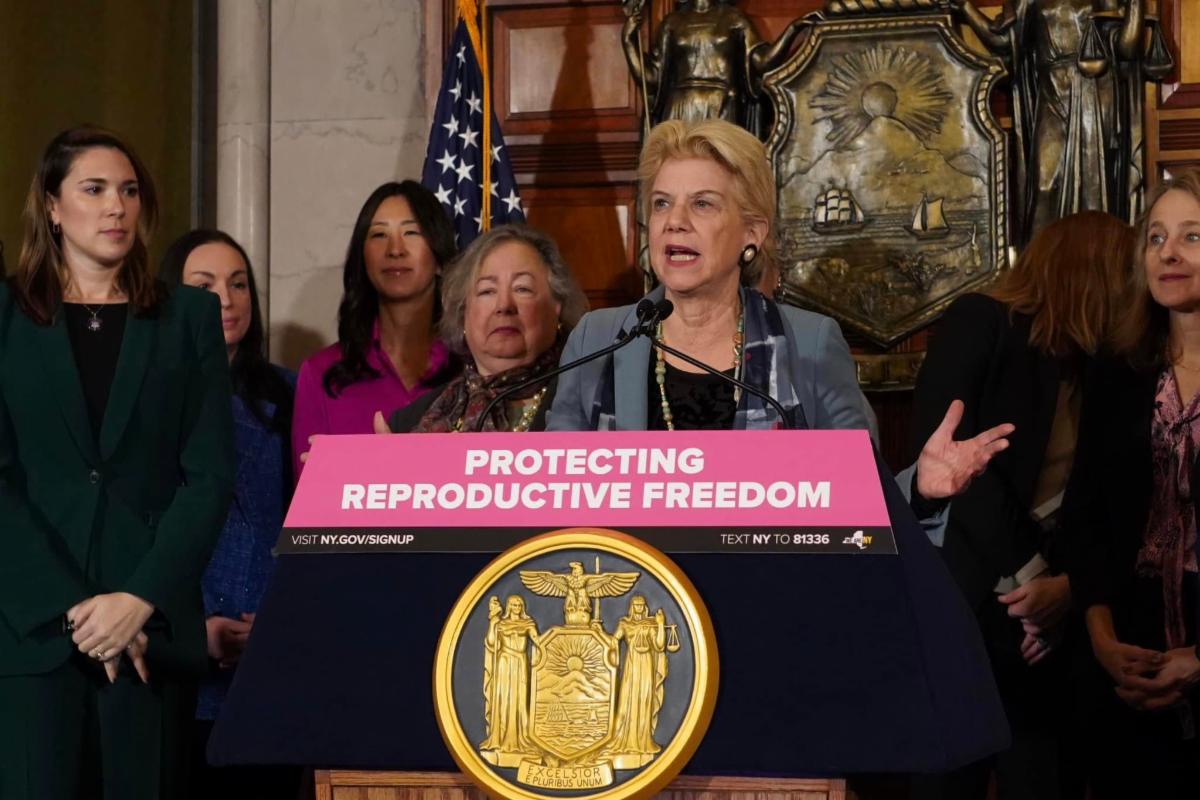
New York has been a national leader in protecting women’s reproductive rights and this budget continues that commitment by codifying the requirement for hospitals to provide emergency abortion care, modernizes pregnancy loss reporting to protect patient privacy, and expands Medicaid coverage for infertility preservation services. Further funding for reproductive health care includes:
-
$25 million total for abortion medication grant funding – $5 million over the governor's proposal – to expand access to care and $4 million for abortion provider training.
- $15 million for reproductive healthcare facilities capital grants
Mental Healthcare
I am proud that our state has stood firm in addressing the mental health crisis that is being faced across the country and in our state. To strengthen mental health services statewide, this budget includes:
-
$6 million to create Behavioral Health Crisis Technical Assistance Center to help localities develop a community-based, peer-led local behavioral health crisis response to mental health crises and $2 million for implementation.
- Requirements for annual reviews of excessive force during behavioral health responses, in order to improve response and treatment.
-
$20.5 million additional funding for 200 inpatient mental health beds.
| | |
I am also pleased this year’s enacted state budget includes measures to address gun violence and promote gun safety. In the budget, we codified the Office for the Prevention of Gun Violence within the Division of Criminal Justice Services – streamlining the funding and making it easier for organizations to apply for needed resources and invested $325 million in gun violence prevention funding, a $1.5 million increase from last year.
New York is also investing $35 million for Securing Communities Against Hate Crimes to boost safety and security for organizations that are at risk of hate crimes based on ideology, beliefs, or mission.
Additionally, this budget updated the state’s discovery laws to prevent cases from being thrown out due to technical errors and will reduce case dismissals and disruptions due to minor oversights while ensuring defendants can see the evidence against them. The budget allocates $135 million for prosecutors and defense attorneys to help them to comply with the discovery changes.
We also secured $36 million for Gun Involved Violence Elimination (GIVE) Initiative – which helps local enforcement agencies to reduce shootings and firearm-related violent crime, including homicides, in communities outside of New York City, including the City of Yonkers.
This budget also made changes to New York’s involuntary commitment and assisted outpatient treatment laws. The update will allow intervention when individuals are at serious risk of harm due to inability to access food, shelter, or medical care. These changes state that evidence of imminent risk or recent overt acts are not required for involuntary commitment if other factors are considered.
The changes made to discovery and involuntary commitment are the result of effective compromises between the Governor and Legislature to address challenges in existing laws.
The budget also includes a new statute that creates a Class B misdemeanor for individuals who use a mask to conceal their identity when committing or fleeing from a crime.
| | Where the Budget Fell Short | | |
While I consider myself to be an eternal optimist and prefer to focus on the good, it is crucial to recognize the shortcomings of this budget, and the areas that fall far short of what New Yorkers truly deserve and need.
Substantial Equivalency
I am deeply disheartened by the changes this budget makes to substantial equivalency –– the process by which we ensure all students in New York State receive an education that fulfills the requirements of our compulsory education law. The State Education Department went through a lengthy process to develop regulations on substantial equivalency, engaging stakeholders and seeking public comment. Those regulations have been upheld in court and the vast majority of non-public schools are complying with them without issue. This budget undercuts those efforts and will deny an entire generation of students the opportunity they are entitled to under our constitution and state law to receive a sound, basic education. I am profoundly disappointed that we are walking away from these students.
Consumer Directed Personal Assistance Program (CDPAP)
I am deeply disappointed that we did not address the significant flaws in the Consumer Directed Personal Assistance Program (CDPAP). Over a month into the transition to a single fiscal intermediary, it has become evident that neither Public Partnerships LLC (PPL) nor the Department of Health was prepared for this change. We have tens of thousands of caregivers in New York who are already underpaid for the lifesaving work they provide, yet they continue to serve without receiving full compensation. We had an opportunity to tackle these issues in the budget, but we failed to do so. As we approach the end of the legislative session, I will work with my colleagues to address these problems, ensuring that caregivers receive the compensation they deserve and that consumers continue to have access to the care they need to live as independently as possible.
Emergency Medical Services
I am deeply frustrated that, for the third consecutive year, the Legislature and the Governor have failed to reach an agreement to prioritize EMS workers and show them the respect they deserve. The New York State Senate has demonstrated bipartisan support for this issue, and municipalities, as well as EMS providers—both public and private, for-profit and nonprofit—nearly universally agree that the sector is in crisis. Emergency Medical Services (EMS) are a vital resource essential to the health and well-being of communities across New York. New Yorkers expect EMS to respond when they call for help; however, the work of EMS providers is not supported in the same way as other critical public services. Many EMS providers throughout the state struggle to find and retain staff, which leads to coverage gaps and long wait times, both upstate and downstate.
While my 2024 bill, S4020C, served as the foundation for both the Senate's and the governor's EMS budget proposals, the Assembly did not include EMS in their one-house budget. I am committed to resolving this longstanding and crucial issue. To that end, I have reintroduced my EMS bill, now labeled as S7501, and will continue to work with my colleagues in both the Senate and Assembly until it is passed.
| | | | |