|
Volcanoes vs. Bwindi vs. Mgahinga
Which Mountain Gorilla Trek Is For You?
| | |
Greetings from East Africa!
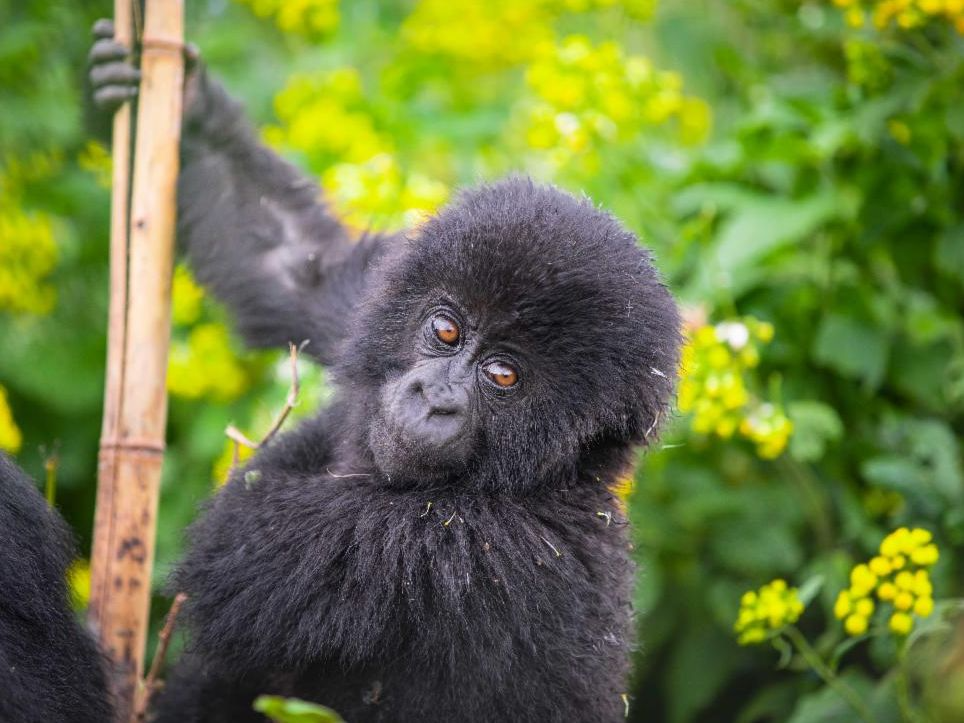
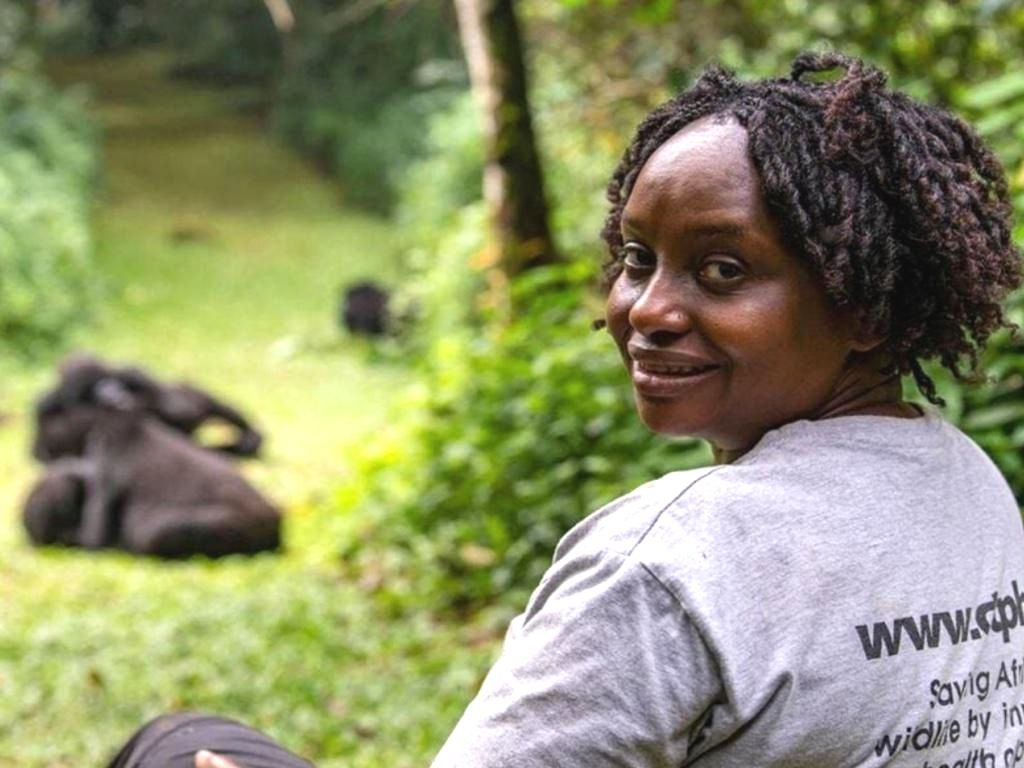
When planning a safari to visit the mountain gorillas, many travellers find themselves at a crossroads. While the encounter itself is universally described as life-changing, the logistics of "where" and "how" can be surprisingly varied across the three premier destinations in the Virunga Massif and Bwindi.
The conservation story of these great apes is one of remarkable success; according to the latest confirmed census data, the global population has grown to 1,063 individuals. This survival is anchored by two key strongholds: the Virunga Massif, which is home to 604 gorillas, and the Bwindi-Sarambwe ecosystem, where 459 gorillas reside. We are also eagerly awaiting the finalised results of the 2025/2026 Bwindi census later this year, which is expected to show continued growth for this resilient species.
To find the answer to which mountain gorilla trek is for you and your clients, we need to look closer at the specific nuances of each park. Our 2026 recommendations for Volcanoes, Bwindi Impenetrable, and Mgahinga National Parks are rooted in decades of on-the-ground exploration, our offices in Kigali and Kampala, and the latest official guidelines from the Rwanda Development Board (RDB), Uganda Tourism Board (UTB) and the Uganda Wildlife Authority (UWA). To help you navigate these nuances, we have created a comparison guide below to highlight the unique character of each primate sanctuary.
In this month's newsletter, we also continue to highlight our 2026 FAM trips to Rwanda, Uganda, and Kenya. While May's FAM is already full, spaces for our November trip are limited, so we encourage travel advisors to apply soon to gain the first-hand expertise needed to sell these destinations with confidence.
Finally, we recently shared a post about the 'why' behind Travulous' unique financial structure. In it, we explain how a setback in 2008 became the blueprint for the robust financial security Travulous provides to our partners today. We also posted a fascinating look at the legacy of Titus the Gorilla King, one of the most successful mountain gorillas ever documented, whose story remains a cornerstone of Virunga conservation history. If you missed these posts, you can read them on Richard's LinkedIn page or access the full articles via this website link.
| | National Park Introductions | | |
Volcanoes:
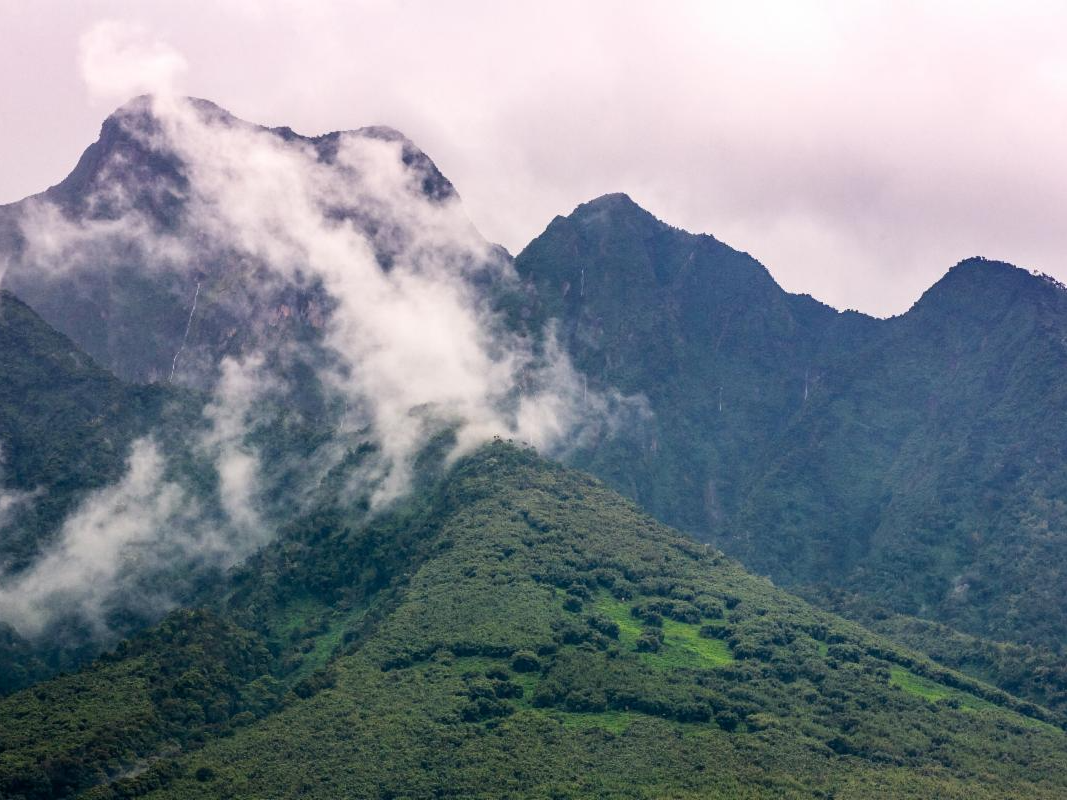
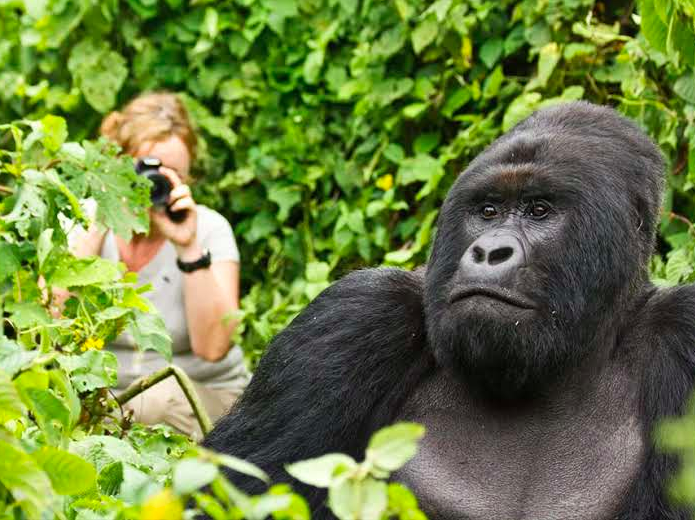
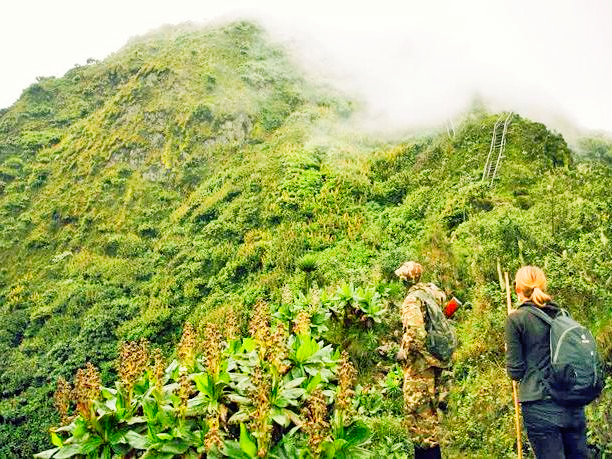
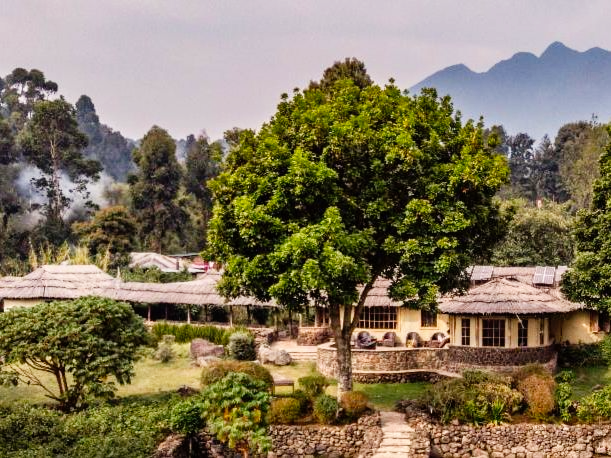
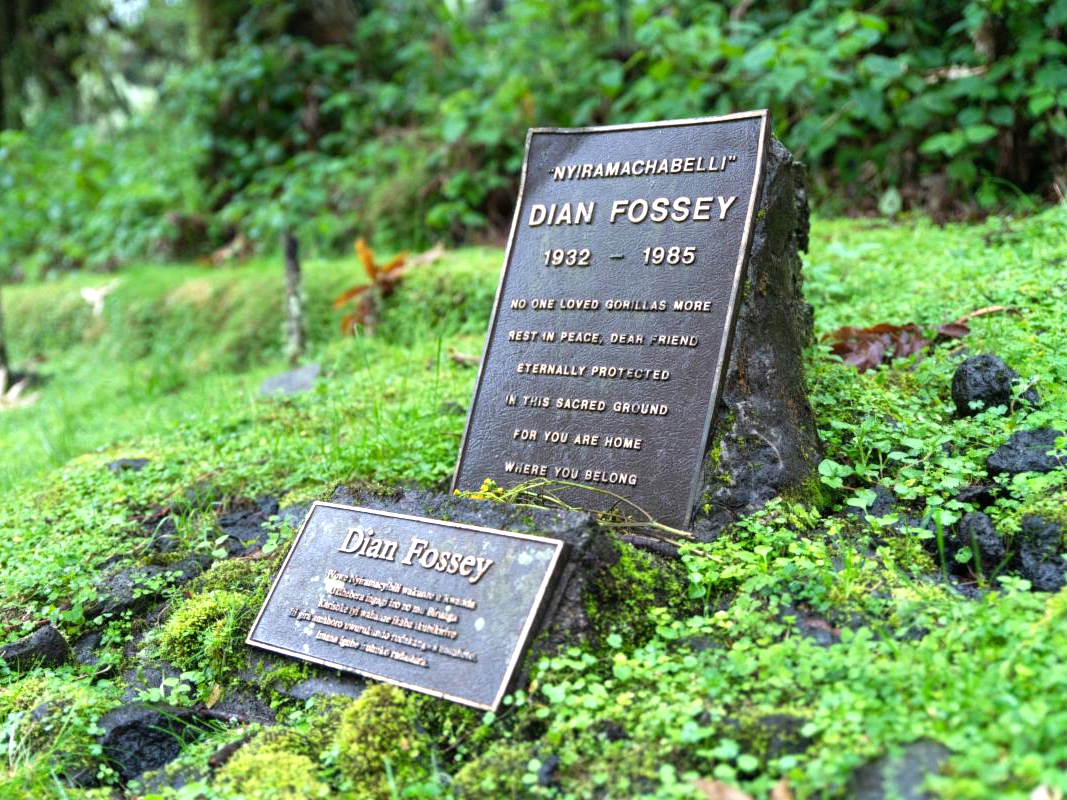
Established in 1925, this is Africa’s oldest national park and was the renowned base for Dian Fossey’s research. The park is defined by five dramatic dormant volcanoes. For photographers, the relatively open bamboo forests offer superb natural light and iconic "misty mountain" backdrops. This makes it a perfect location for capturing clear, cinematic portraits of the mountain gorilla groups against the steep volcanic slopes.
| |  | Bwindi:
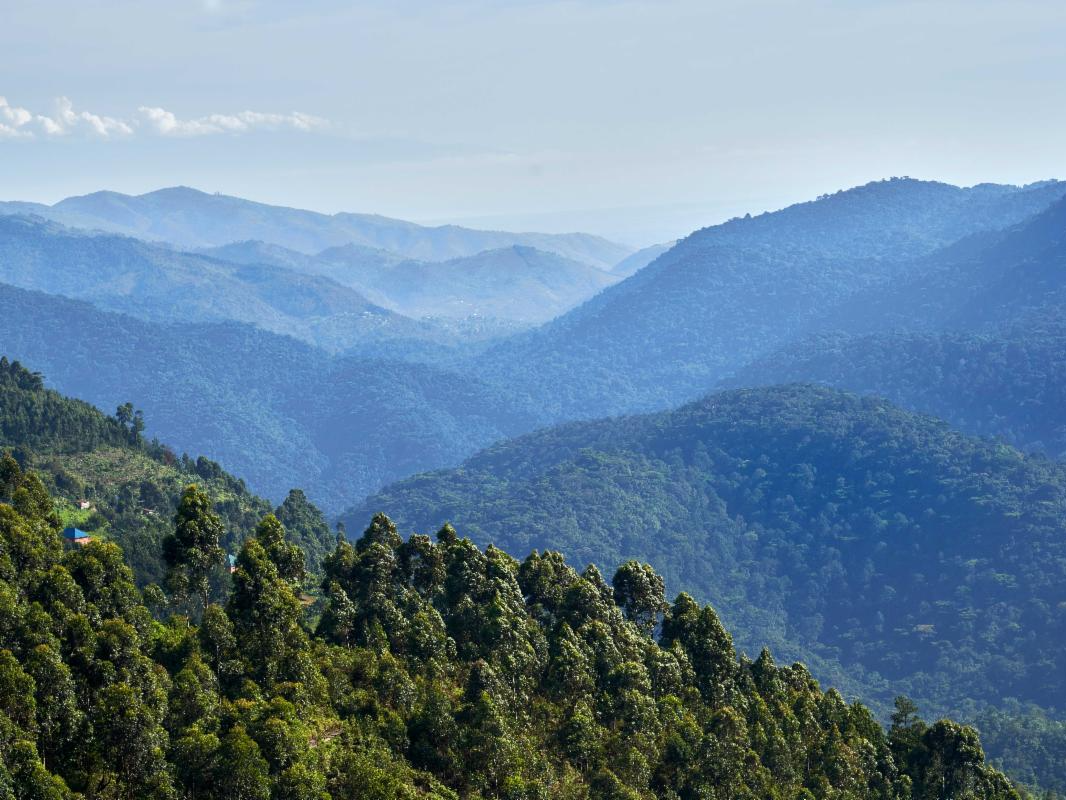
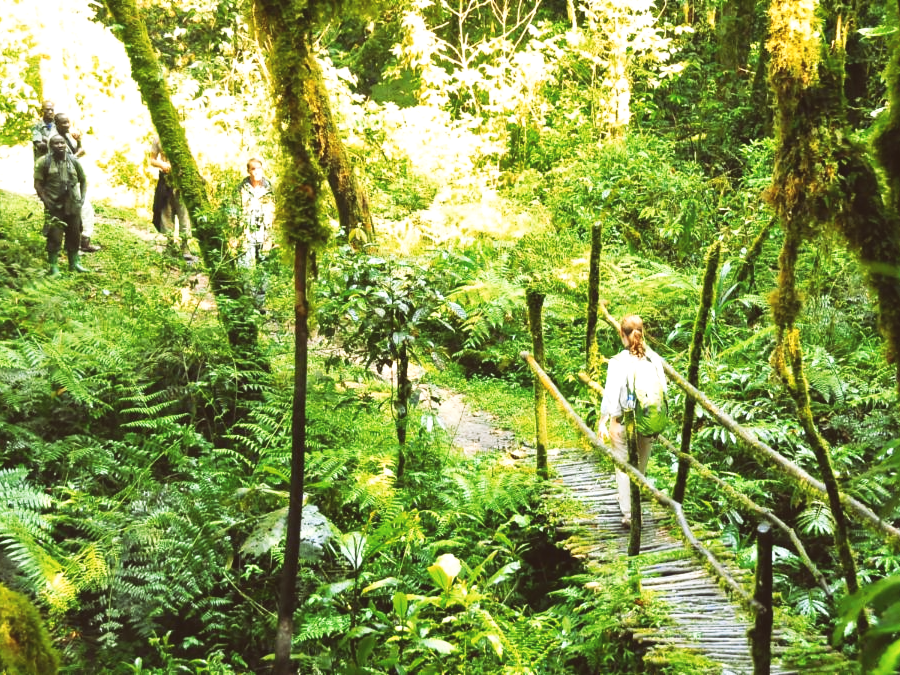
A UNESCO World Heritage Site, this ancient, montane forest has thrived for over 25,000 years. Its "impenetrable" title refers to the exceptionally dense, multi-layered canopy that creates a prehistoric atmosphere. While photography is atmospheric, it can be challenging due to low light and thick foliage. Bwindi protects nearly half the world’s mountain gorillas across four distinct sectors, offering a raw and authentic jungle experience. | | | Mgahinga:
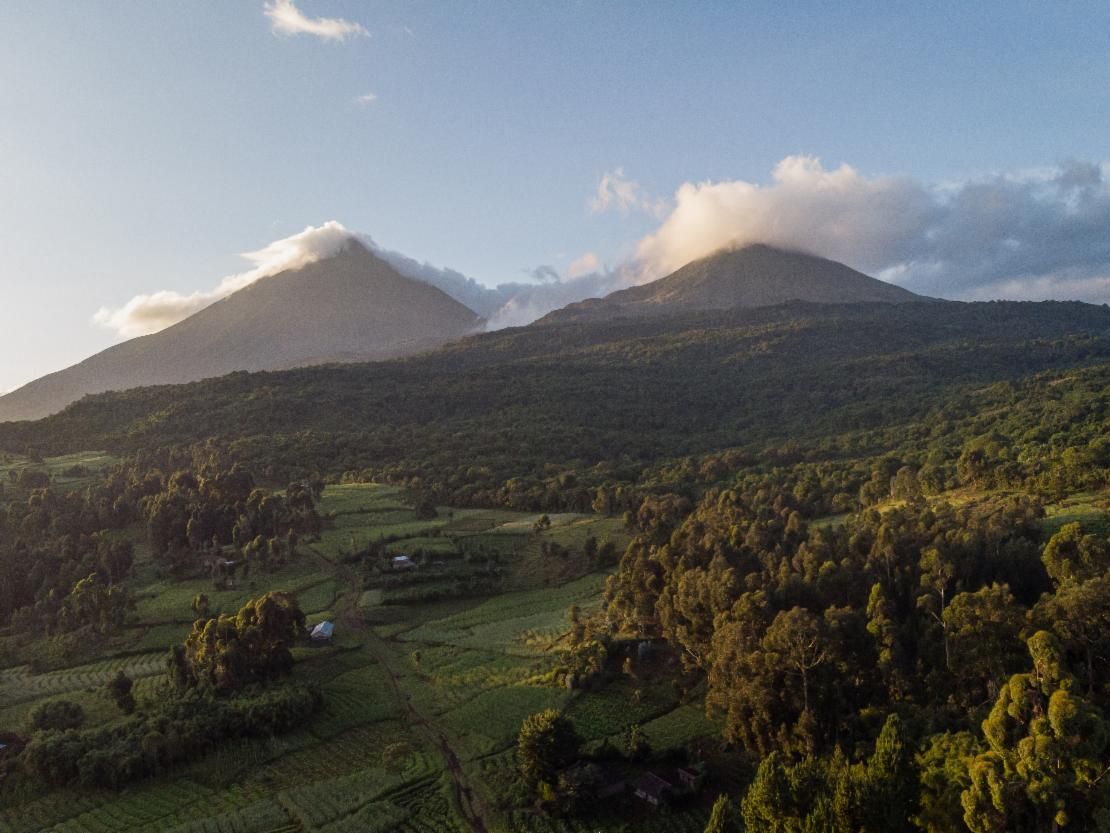
As Uganda's contribution to the transboundary Virunga Massif, this intimate park is dominated by three conical volcanoes: Muhabura, Sabyinyo, and Gahinga. The landscape is unique, featuring a transition from alpine moorland into dense bamboo zones. The open slopes allow for stunning wide-angle photography of the peaks, though the park currently hosts only one habituated gorilla family that ranges across this high-altitude sanctuary. | | | Volcanoes:
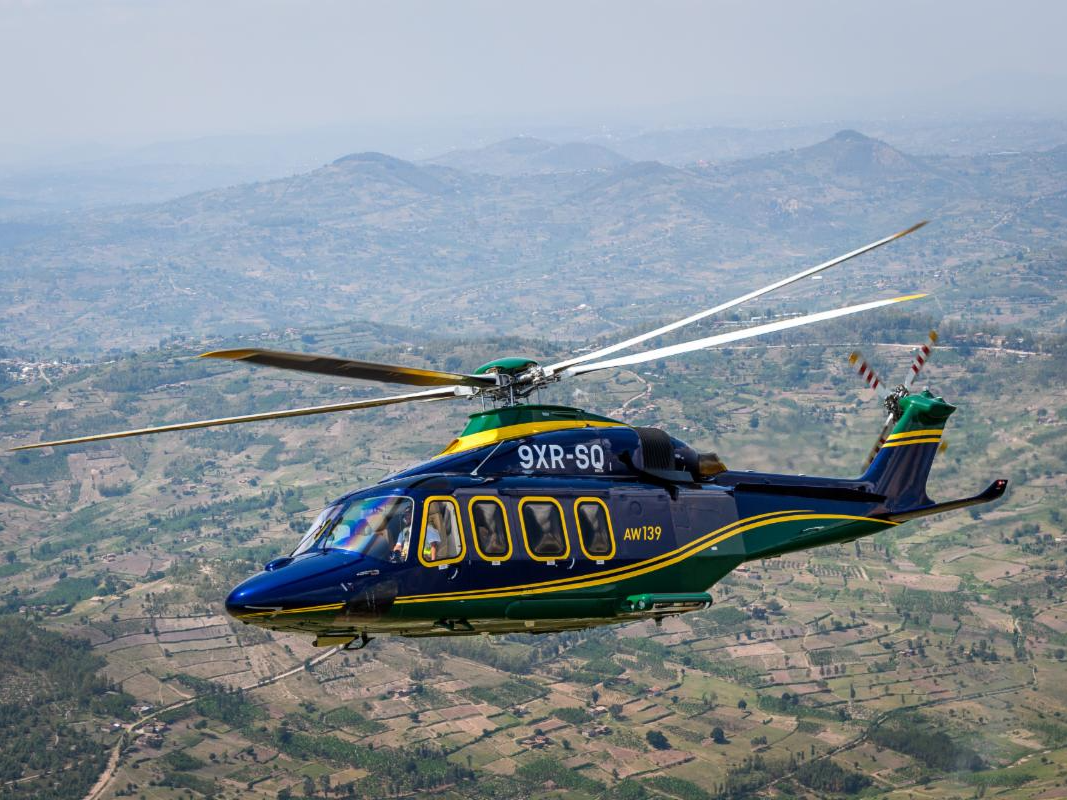
Exceptionally accessible, this park is a scenic 2.5 to 3-hour drive from Kigali International Airport on well-paved roads. Helicopter transfers from Kigali take just 30 minutes, landing near the park headquarters in Kinigi. This is the most time-efficient option for travellers with limited schedules or those seeking a seamless and high-end arrival experience. | | | |
Bwindi:
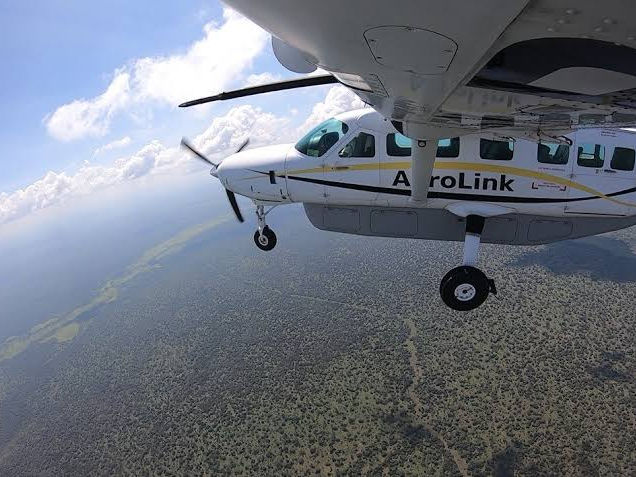
This park is a long but rewarding 8 to 10-hour drive from Entebbe. Alternatively, domestic flights from Entebbe to Kihihi or Kisoro airstrips take 1.5 hours, followed by a short road transfer. Many travellers prefer to fly into Rwanda and drive 4 hours across the Katuna or Cyanika border posts to reach the southern sectors of Bwindi more quickly.
| | | Mgahinga:
Similar to Bwindi, access involves a 9-hour drive from Entebbe or a 1.5-hour domestic flight to Kisoro. The most popular 2026 route remains the 3-hour drive from Kigali via the Cyanika border. This shortcut makes Mgahinga one of the easiest Ugandan parks to access for those combining a Rwanda arrival with a Uganda trekking permit across the Virungas. | | | |
Volcanoes:
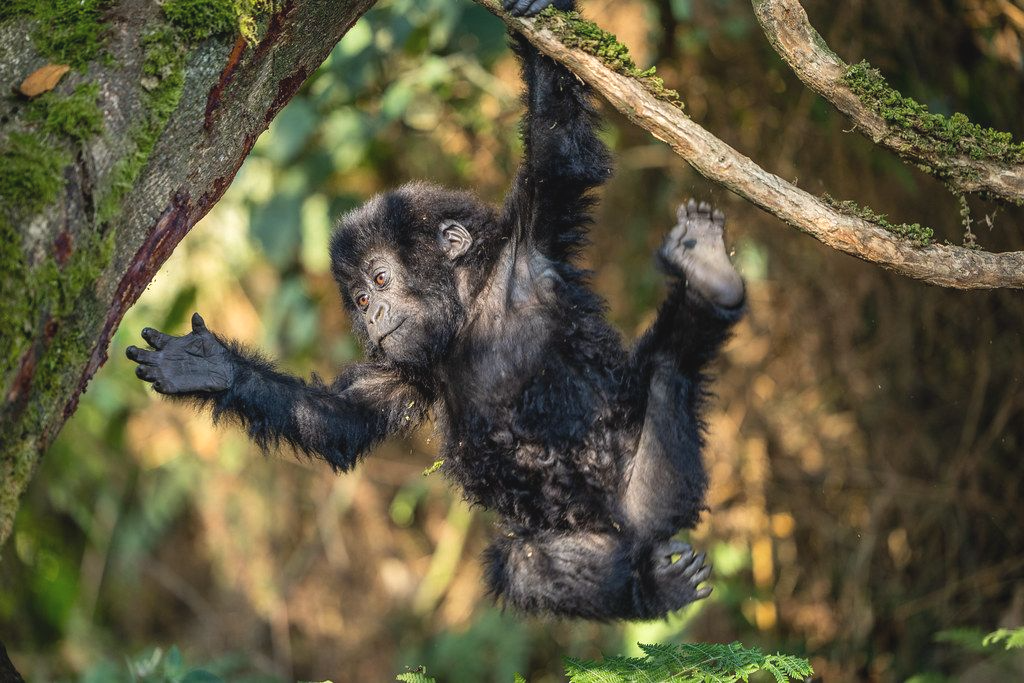
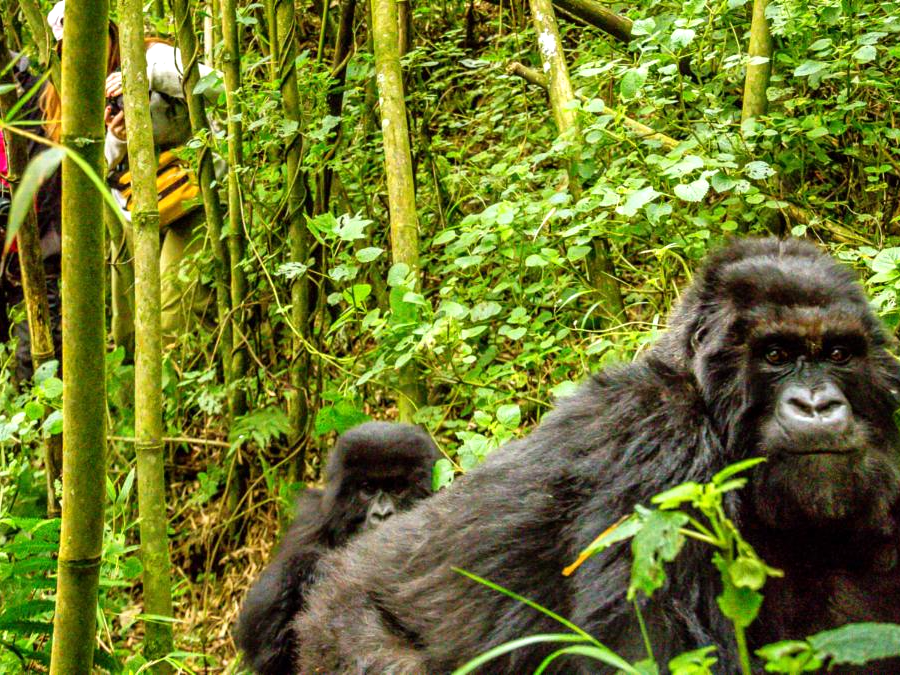
This park focuses exclusively on the standard one-hour encounter. Mountain Gorilla treks are highly organised and begin with a traditional Intore dance performance at the Kinigi headquarters. The 14 habituated groups are closely monitored, and the relatively open terrain often allows for very clear, close-range observation of the complex and fascinating social dynamics within their volcanic habitat.
| | | |
Bwindi:
This park offers an authentic, "wild" trekking experience through ancient, dense rainforest. The 23 habituated groups, which include the unique four-hour Gorilla Habituation Experience, are spread across four distinct sectors. The diverse terrain and thick canopy provide a sense of true discovery, making each gorilla encounter feel like a personal reward after navigating the "Impenetrable" forest.
| | | |
Mgahinga:
This park provides a more intimate encounter, as it is home to only one habituated group, the Nyakagezi. Known for their nomadic history, this group has now remained settled in Mgahinga for several years. The gorilla encounter often takes place in the beautiful, open bamboo zones of the volcanoes, providing photographers with excellent light and clear sightlines of the social dynamics within this unique family.
| | | |
Volcanoes:
Treks navigate beautiful and diverse alpine scenery, reaching altitudes of +2,500 metres. While paths are relatively clear, the crisp air and inclines provide rewarding views. We recommend a relaxed first day to acclimatise. Durations range from two to six hours. For those with mobility challenges, sedan chairs are available for hire to ensure this experience remains fully accessible for all.
| | | |
Bwindi:
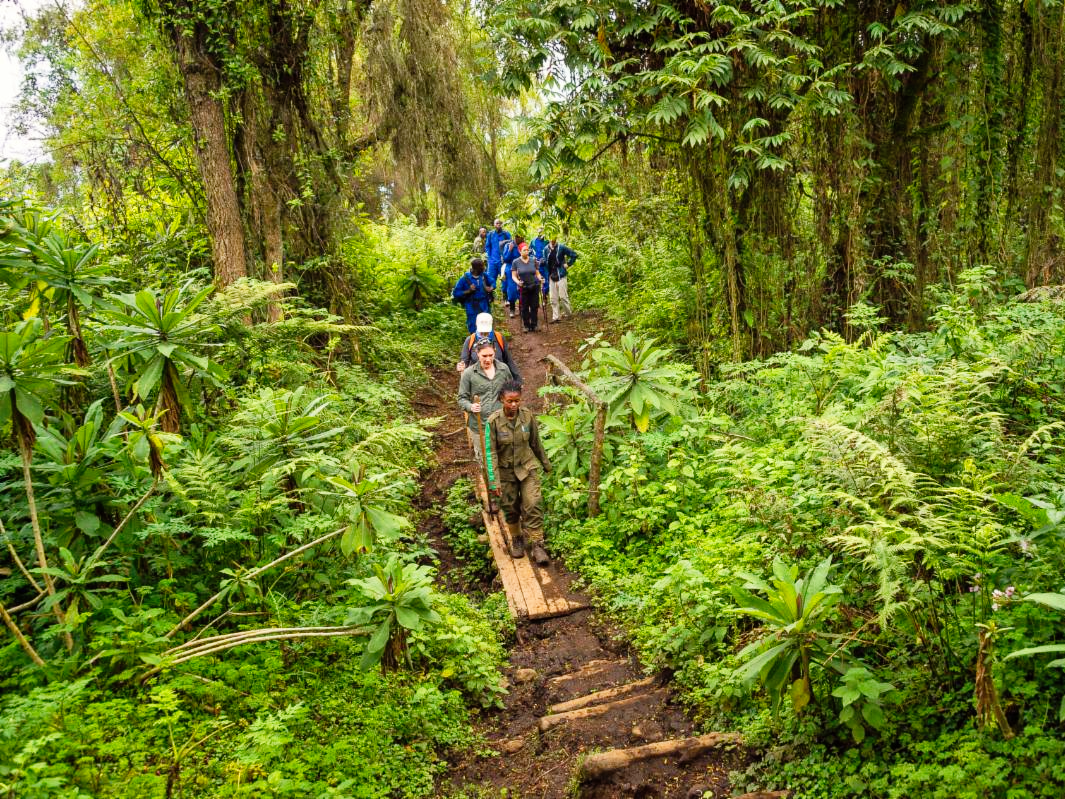
With altitudes lower than Rwanda, Bwindi's treks are rewarding but physically demanding because the terrain can be steep and densely vegetated. Treks can last from three to eight hours. Porter services are highly recommended to assist with bags and balance. Similar to Rwanda, specialised stretcher services are available for those unable to hike the rugged ridges.
| | | |
Mgahinga:
Trekking involves navigating volcanic slopes and can be quite steep. The altitude is high, requiring a measured pace. Most treks are moderate in length, typically lasting three to five hours, as the gorillas tend to remain on the lower bamboo-covered slopes. Stretcher services are available, ensuring that even the challenging volcanic terrain is accessible to all travellers.
| | | |
Volcanoes:
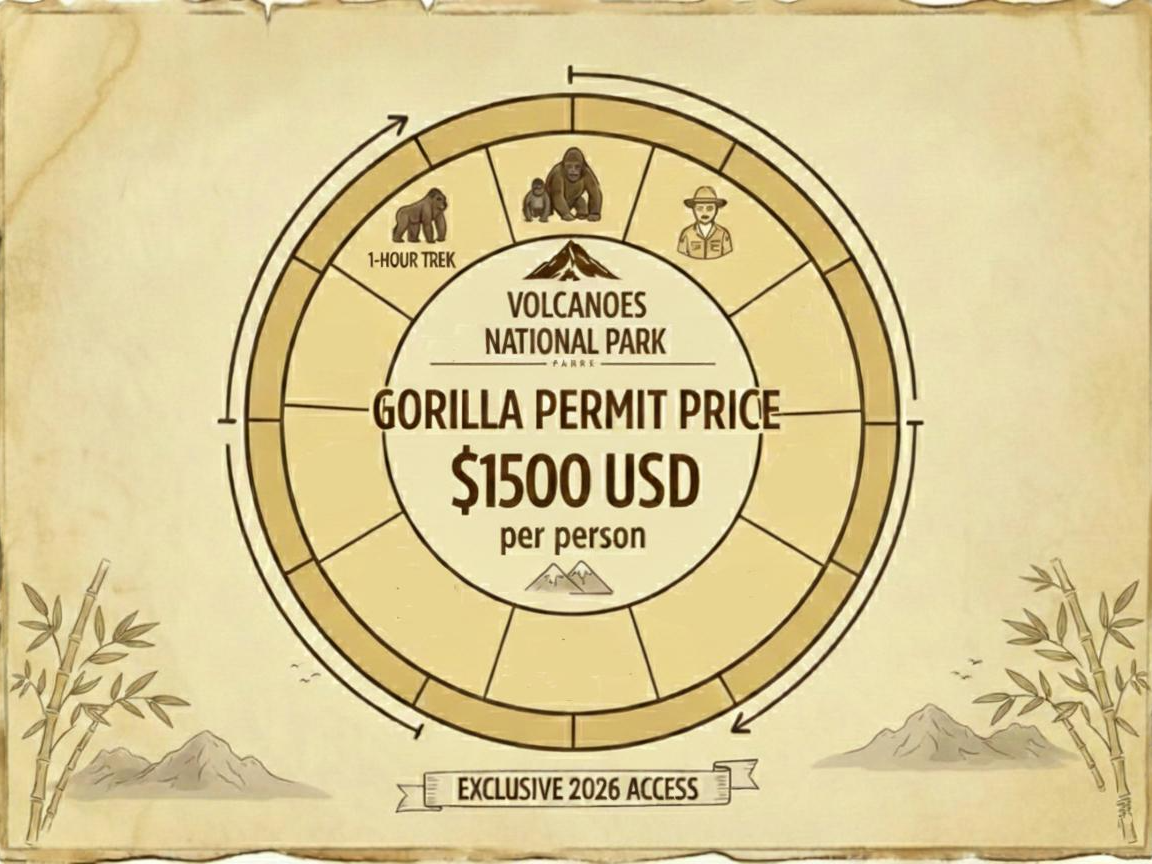
Permits for 2026 are $1,500 for international non-residents. Availability is restricted to 112 permits daily. Rwanda continues to champion a "High-Value, Low-Volume" strategy to ensure an exclusive experience for all visitors. Preferential rates for residents, Rest of Africa, and East African Citizens are available during the low season only (enquire for details). Special 30 per cent discounts may apply during low seasons if visiting other national parks in Rwanda.
| | | |
Bwindi:
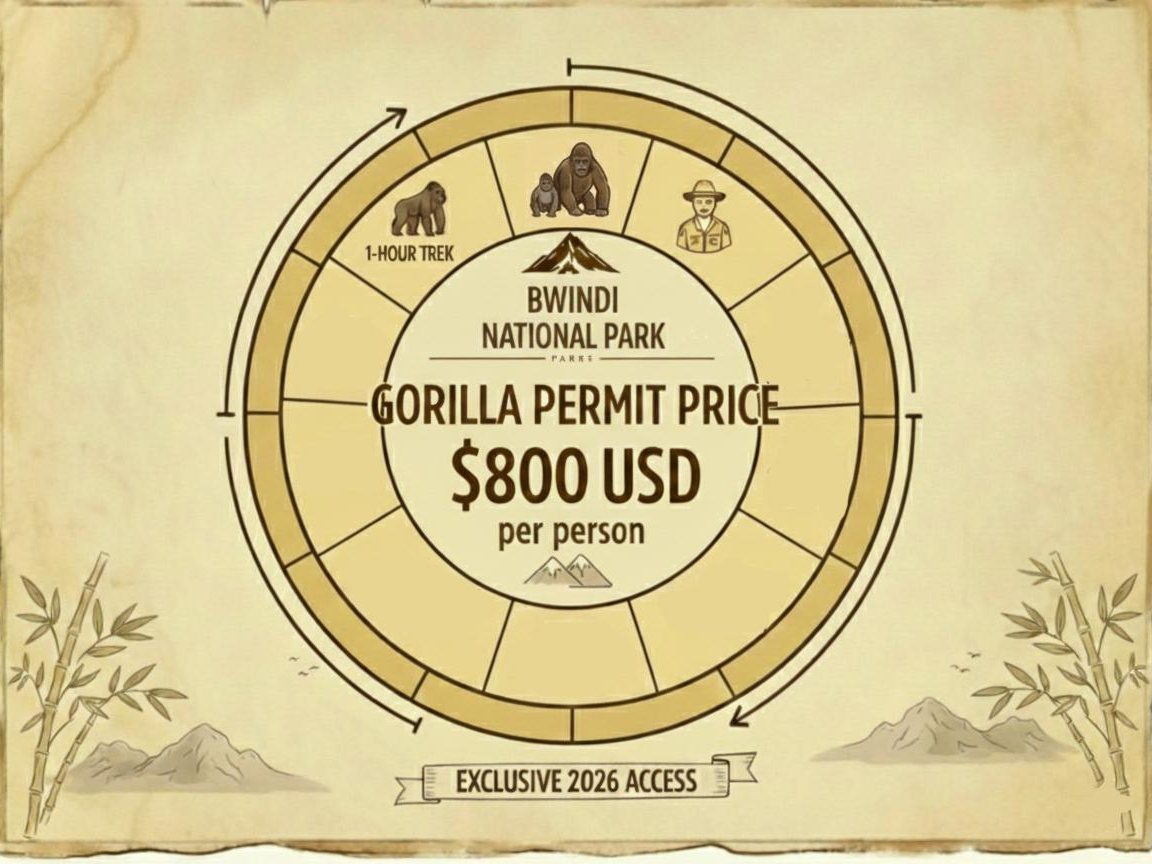
Permits for 2026 are $800 during high season, with a newly announced low-season rate of $600 available to all travellers in April, May, and November. In a further move to increase trekking accessibility, Uganda also offers preferential rates for residents, Rest of Africa, and East African citizens year-round (enquire for details). With 184 permits available daily, Bwindi remains the most cost-effective choice for a variety of traveller profiles.
| | | |
Mgahinga:
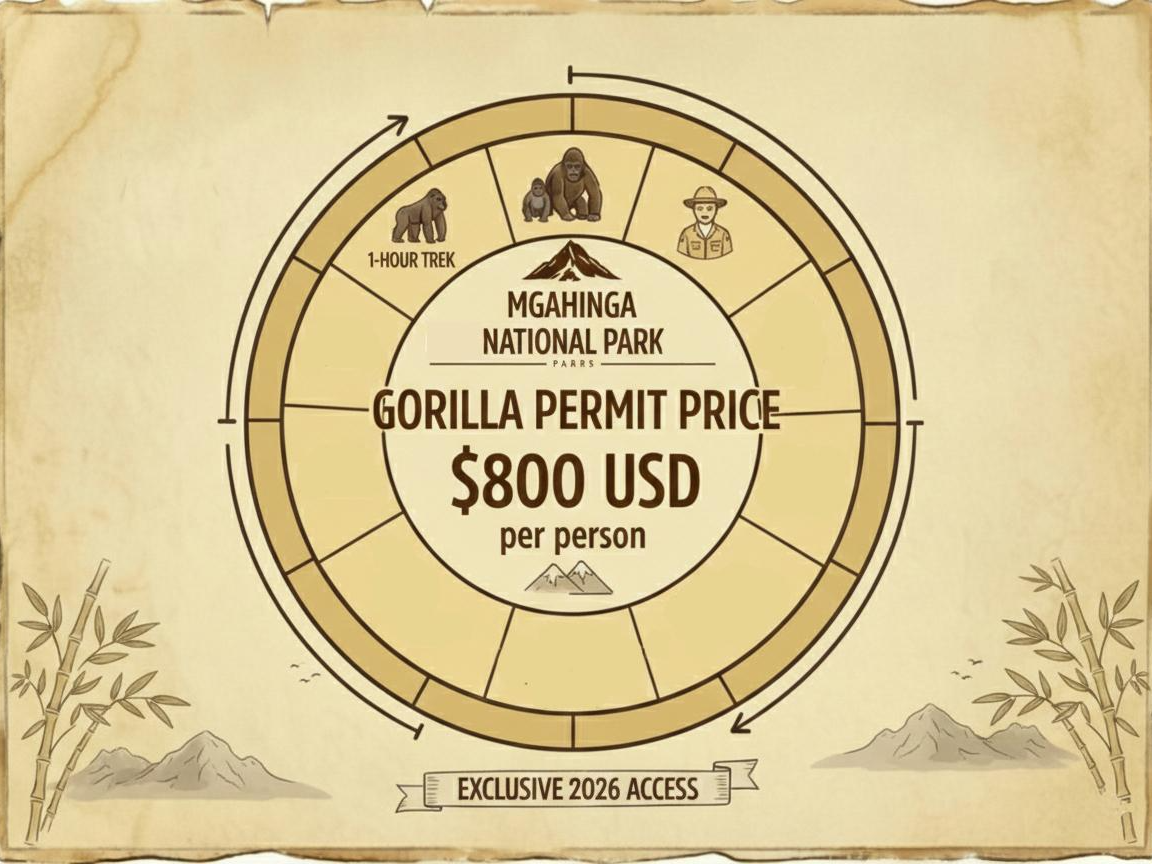
Permits for 2026 are $800 during high season, with the newly announced low-season rate of $600 available to all travellers in April, May, and November. Consistent with national policy, Mgahinga also offers preferential rates for residents, Rest of Africa, and East African citizens year-round (enquire for details). Availability is strictly limited to 8 permits daily for the single habituated Nyakagezi group, making this Uganda's most exclusive trekking experience.
| | | |
|
Permit Availability: Please be aware that the Rwanda Development Board (RDB) and Uganda Wildlife Authority (UWA) reserve the right to adjust the number of available permits at any time to meet conservation requirements. While we provide the most current daily figures, final availability is always subject to the official park calendars at the time of booking.
Transboundary Movement: Mountain gorillas do not respect international borders and occasionally cross between Rwanda, Uganda, and the Democratic Republic of the Congo (DRC). This is particularly relevant in the Virunga Massif. In rare instances where a habituated group moves across a border, trekking locations or group assignments may be adjusted by park authorities to ensure a successful encounter for your clients.
| | Volcanoes:
Under the RDB’s Revenue Sharing Scheme, 10 per cent of all park tourism income is reinvested into local communities. These funds have financed over 700 initiatives, including schools, health centres, and housing for vulnerable families. This model transforms local residents into active conservation partners, ensuring they benefit directly from the $1,500 permit fee. | | | |
Bwindi:
UWA mandates that 20 per cent of park entry fees are shared with adjacent communities. Furthermore, a dedicated Gorilla Levy from every permit supports local infrastructure. This revenue helps to mitigate human-wildlife conflict by funding community gardens and tea plantations that act as essential buffer zones, ensuring the forest’s neighbours thrive alongside the gorillas.
| | | |
Mgahinga:
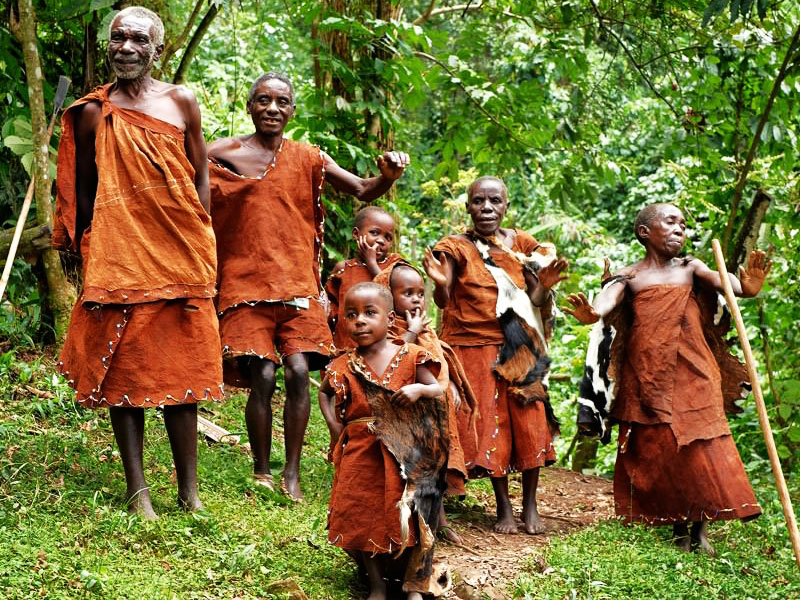
Consistent with Bwindi, Mgahinga shares 20 per cent of its revenue with local districts. A significant portion specifically supports the Batwa community, the original inhabitants of the forest. These funds provide vital education and healthcare, rewarding the community for their role in protecting the Virunga ecosystem and ensuring that tourism remains a sustainable tool for poverty alleviation.
| | | |
Volcanoes:
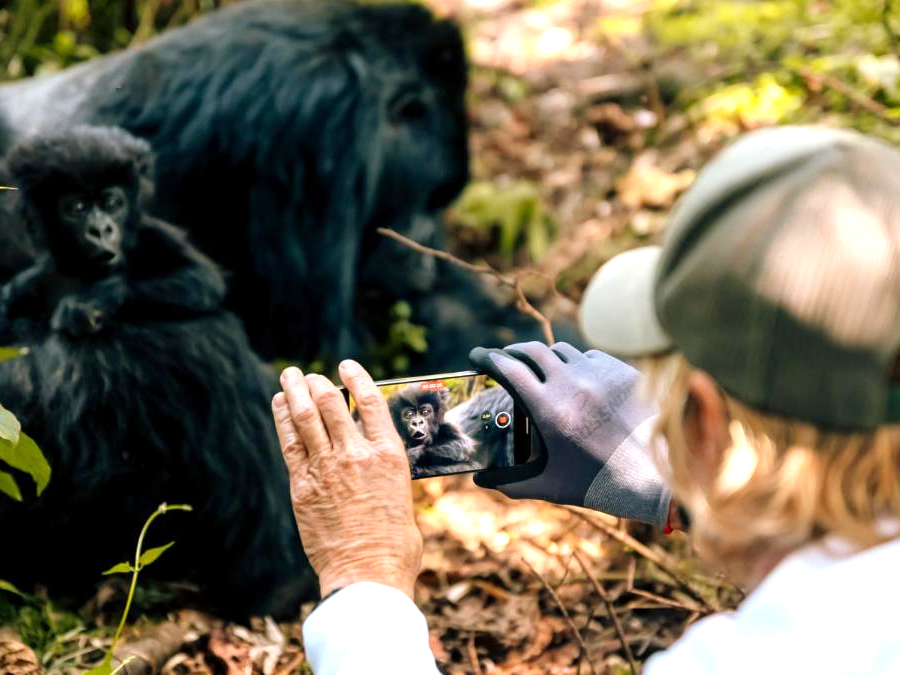
The minimum age for trekking is 15 years. Standard health protocols apply, meaning guests cannot trek if they have a cold or flu. A 10-metre distance must be maintained at all times and flash photography is strictly forbidden. Masks are currently required during the one-hour encounter to prevent disease transmission. RDB guides strictly enforce these vital conservation protocols.
| | | |
Bwindi:
UWA regulations require all trackers to be at least 15 years old. If a visitor is unwell, they must report their illness and will receive a 50 per cent refund or a rescheduled trek. Silence must be maintained within the forest and flash photography is prohibited. During the encounter, guests must stay in a tight group and strictly adhere to the 10-metre rule to ensure both human and gorilla safety.
| | | |
Mgahinga:
This park follows the same UWA guidelines as Bwindi regarding 15-year age limits, flash photography, and health requirements. A unique rule applies here: if the Nyakagezi group crosses the border into Rwanda or the DRC on your scheduled trek day, you are entitled to a full refund or a rescheduled trek in Bwindi. This ensures that travellers are not financially penalised due to animal movement.
| | | Volcanoes:
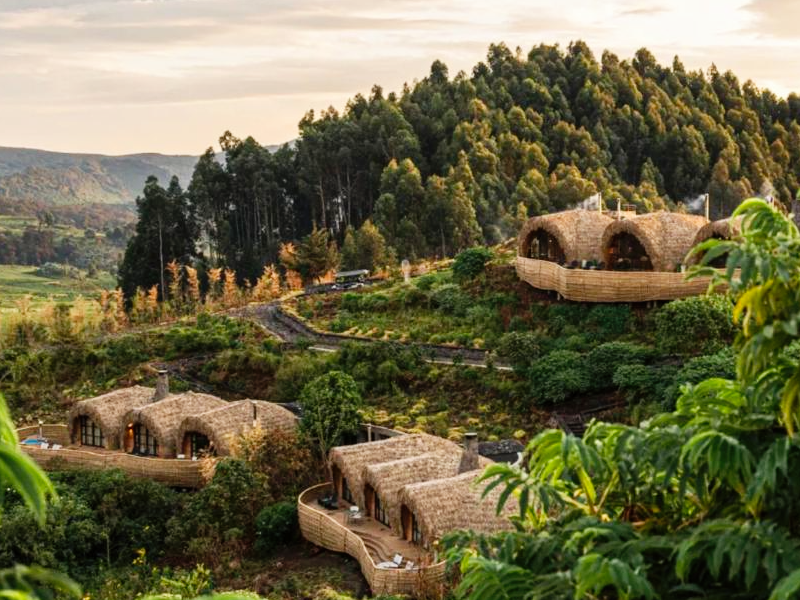
Volcanoes is the hub for ultra-luxury within the region. It hosts world-renowned lodges such as Singita Kwitonda and Wilderness Bisate, where nightly rates are towards the top end of the price spectrum. While predominantly high-end, the Musanze area does offer several boutique mid-range lodges. Most lodges are within a 20-minute drive of the park headquarters, ensuring a relaxed and stress-free morning start for your trek. | | | |
Bwindi:
Bwindi offers the greatest variety of any park, from high-end luxury lodges like Gorilla Forest and Clouds Mountain Gorilla lodges to cosy mid-range camps and budget guesthouses. It is vital to book the accommodation in the specific sector, such as Buhoma or Nkuringo, where your permit is assigned. Driving between sectors can take several hours on rugged mountain roads, making the correct lodge choice essential for your logistics.
| | | Mgahinga:
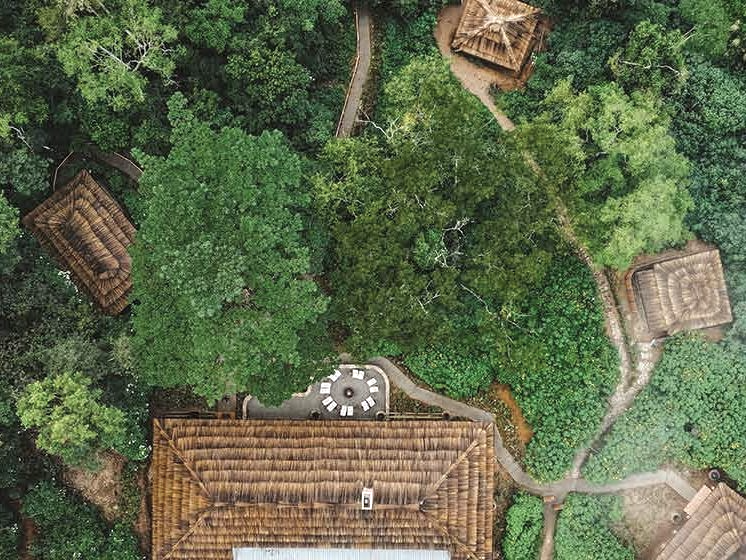
Accommodation in this intimate park is limited to the luxury Mount Gahinga Lodge. There are a few other lodges situated near the park, such as serene and scenic lakeside retreats on Lake Mutanda. Some travellers also stay in the nearby bustling frontier town of Kisoro, which offers a range of mid-range and budget hotels just 30 to 45 minutes from the park gate. This provides a flexible choice for a variety of budgets and diverse travel styles. | | | Volcanoes:
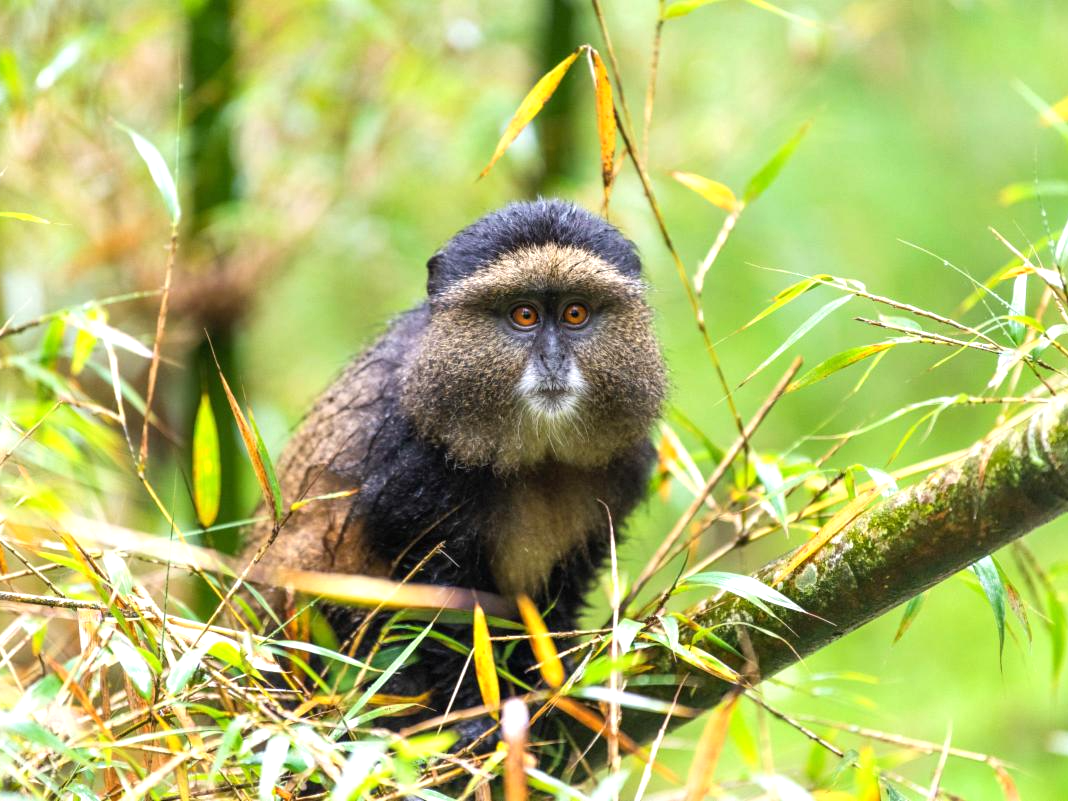
Popular experiences include trekking to observe Golden Monkeys or hiking to the site of Dian Fossey’s original research base at Karisoke. For the more adventurous, Mount Bisoke offers a challenging crater lake hike. Visitors can visit the Gorilla Guardians Cultural Village to explore a replica King’s Palace, learn about traditional medicine, and witness the transition of former poachers into conservationists. | | | Bwindi:
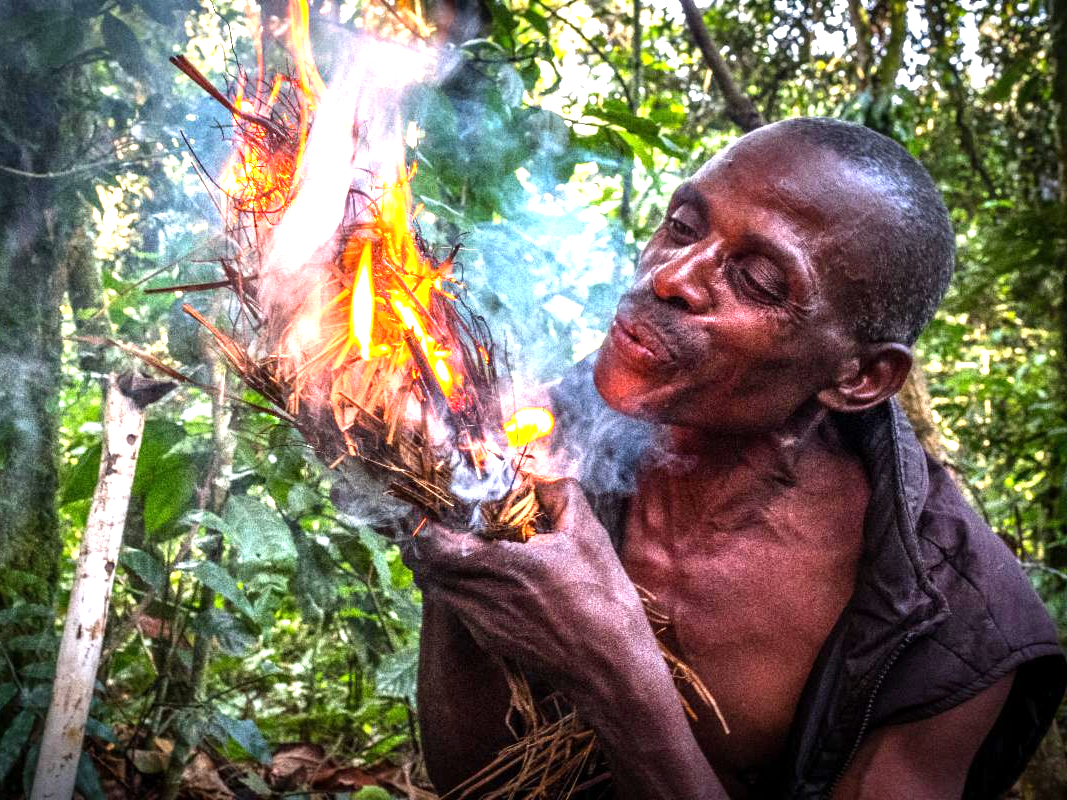
Bwindi is a world-class birding destination with over 350 recorded species. Popular activities include the Batwa Forest Experience, where the indigenous "keepers of the forest" demonstrate ancient survival skills. Guests can also visit impactful community projects, such as the local hospital or a coffee processing farm, or head to the nearby Ishasha sector to search for tree-climbing lions. | | | |
Mgahinga:
Mgahinga is famous for the Batwa Trail, a deep-immersion cultural hike led by the Batwa through their ancestral home. It is also considered the premier location for Golden Monkey trekking. For hikers, the park offers three distinct one-day volcano climbs. Mount Sabyinyo is a particular favourite, as its unique summit allows you to stand in the three sovereign nations of Uganda, Rwanda, and the DRC simultaneously amidst the clouds.
| | | |
Volcanoes:
The climate is equatorial but tempered by significant altitude. It is often misty and cool, particularly in the mornings. Two dry seasons, from June to September and December to February, are best for hiking, though rain is possible even during these months. Essential packing includes gardening gloves to protect against stinging nettles, a waterproof jacket, and gaiters. Temperatures range from 10°C at night to 25°C throughout the day.
| | | |
Bwindi:
As a true rainforest, humidity remains high throughout the year. The drier seasons occur from June to August and December to February, but afternoon showers are still common. The forest floor stays damp and slippery, so we recommend packing sturdy, waterproof hiking boots with excellent grip and long-sleeved shirts to protect against insects. Expect temperatures to fluctuate between 11°C and 23°C throughout the day.
| | | |
Mgahinga:
Mgahinga features a cool, alpine climate. Due to the position of the volcanoes, it can be windier and colder than Bwindi. The dry seasons offer the clearest views of the peaks. Rain can be sudden and heavy, so a high-quality poncho is a necessity. Because of the high altitude, packing warm layers for the evening is essential as temperatures drop significantly once the sun sets behind the towering silhouettes of the Virunga peaks, cloaking the ancient slopes.
| | | Ready to Plan an Unforgettable Gorilla Safari? | | Ready to turn these insights into an unforgettable journey for your clients? Whether you require a detailed quotation, want to register for our exclusive agent portal, or prefer to discuss a complex booking via a scheduled callback, please select your preferred next step below to get started. | | |
Tailor-made Luxury
Mountain Gorillas and the Big Five are set to be the definitive highlights of our 2026 safaris. Will you be joining us to witness these icons firsthand?
View the itineraries:
| | | |
Curators of Expertise
First-hand experience coupled with deep local insights define the Travulous experience in 2026. Will you be joining us to travel with the best?
View the itineraries:
| | | |
Wilderness Hideaways
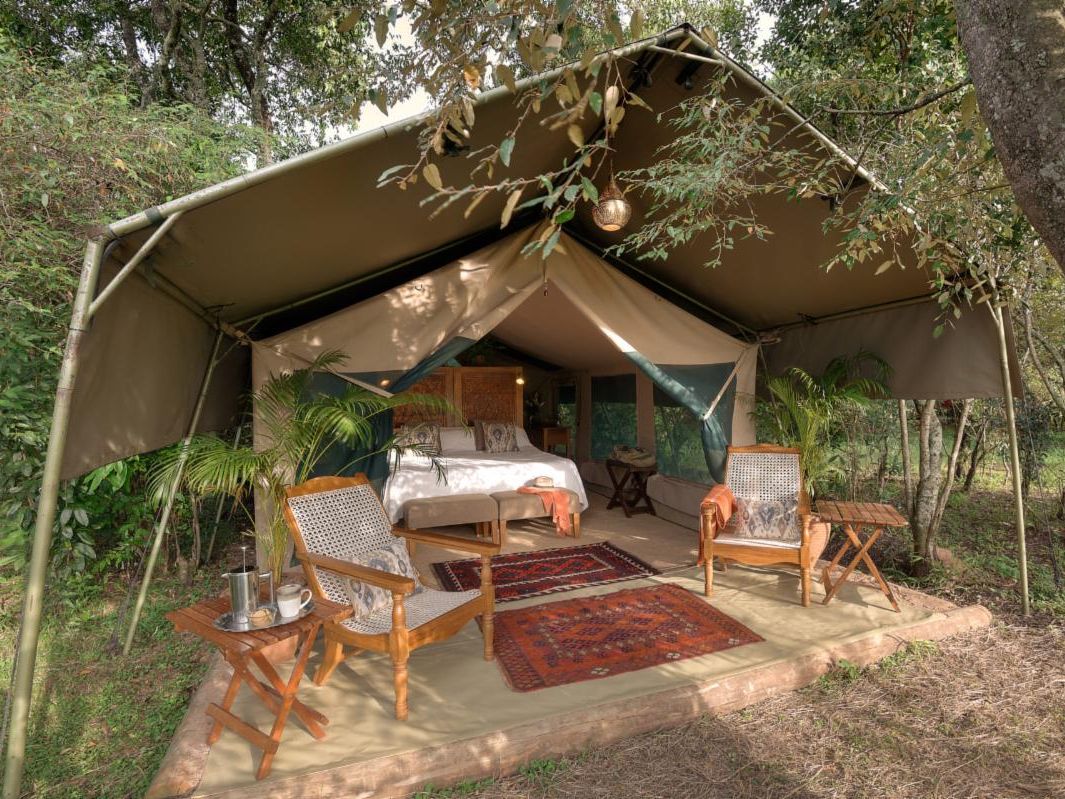
Our authentic mobile tented camps offer the ultimate way to experience the rhythm of the African wild. Will you be joining us in the Maasai Mara?
View the itineraries:
| | | If any of these FAM trips sound of interest, please complete this FAM Trip Request Form: | | |
Anglican Business Centre,
KK 18 Avenue,
Giporoso,
Kigali,
Rwanda
+250 786 415 499
(Wholly Owned & Operated)
| | |
2nd & 6th Floor,
Arie Towers,
Mackinnon Road
Kampala,
Uganda
+256 742 037 702
(Wholly Owned & Operated)
| | |
3rd Floor,
Westside Towers,
Westlands
Nairobi,
Kenya
+254 20 3893850
(Representative Office)
| | | | |