|
Dear Neighbors,
I hope you're safe on this windy day. I'd like to wish all Veterans a happy Veteran's Day. The sacrifice you made is appreciated and you are valued within our community.
The interim session began on April 9, 2025, and will run through January 13, 2026. During this time, I always prioritize meeting with community members, celebrating progress within District 7, and exploring programs and facilities that serve Legislative District 7. My staff and I have worked tirelessly in 2025 to serve the constituents I am so proud to represent. Thank you for continuing to give me this opportunity to serve.
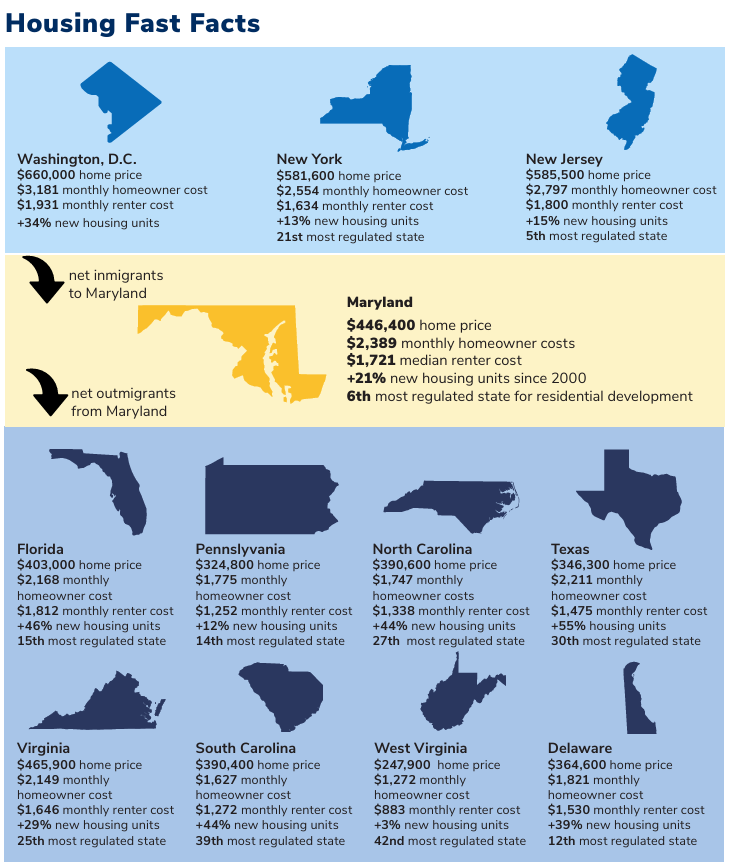
Last week, the Comptroller hosted a meeting with lawmakers and staff, discussing the state-to-state migration in and out of Maryland. In total, we have lost 2.3 million Marylanders to states with a lower cost of living and gained 2 million from New Jersey, New York, and Washington, D.C. Almost half of the total net loss of 300,000 residents has occurred in the last three years. I implore my colleagues across the aisle to consider this as a red herring. Our community members need lower taxes and fees, not prohibitive costs that push Marylanders out.
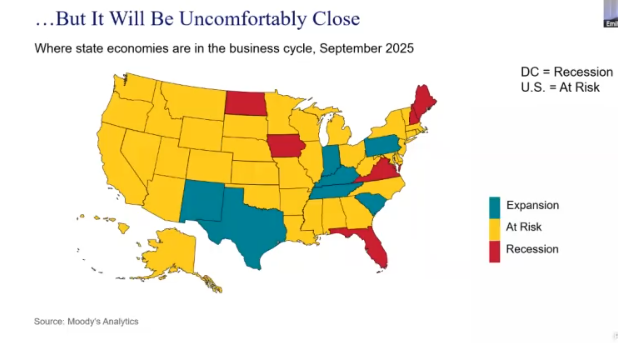
My staff and I virtually attended the National Conference of State Legislatures, which offered information on a range of topics, from youth mental health to America's financial outlook, and more. According to Federal representatives, Medicaid will face increased oversight, with a new requirement to work being implemented in 2027. According to Moody's Analytics, three of the states we are losing Marylanders to have been identified as states currently in "Expansion," while Maryland is at risk of recession, due to decades of regulatory oppression and a recent shift away from fiscal responsibility.
Learn more about these topics and others below, including my meeting with the Developmental Disabilities Administration, the Rural Health Transformation Fund, and Perry Hall’s 250th Anniversary Commission event. Click “View entire message” to see the full update.
| | |
Net Loss of 130,000 Marylanders over the Last 3 Years!
The Comptroller's Office presented The State of the Economy: Housing and the Economy. which focused on high housing costs as a contributing factor to state-to-state migration, especially focusing on the loss of Marylanders to other, more affordable states, some of which are currently in the expansion phase. While I'm proud of the Marylanders who are seeking new opportunity, I'm disappointed by the policies implemented by the supermajority that have led to this need. Maryland has been a Democrat-run state with a legislative supermajority for decades. This has resulted in less-than-friendly policies for businesses and an exodus of retirees, who, at times, can't afford to maintain their lifestyle on a fixed income.
Maryland Matters reported that "In 2022, the adjusted gross income leaving the state outpaced the adjusted gross income coming into the state by $2.7 billion. In other words, while 138,000 people moving into Maryland brought in some $7.5 billion in new revenue, the 164,000 residents who left in 2022 took $10.2 billion in revenue out of the state with them."
| |
Affordable Housing Crisis Causes:
Cost:
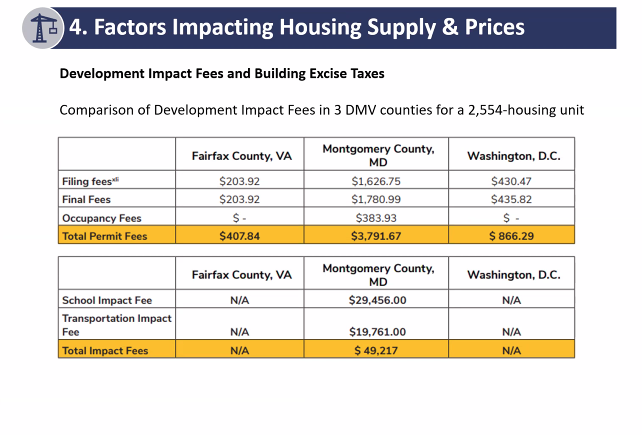
- Impact fees have been identified as a major factor contributing to higher local housing costs. In Harford County, these fees total roughly $10,000 per new build, costs that are ultimately passed on to consumers. For example, a 2,500-square-foot home could face up to $15,000 in impact fees. In comparison, Virginia imposes no impact fees, and our permitting costs are also significantly higher than those in neighboring states.
- Cost of materials are $161/square foot. A 2,500 square foot home would cost $402,500 before the 25%+ of regulatory fees and labor.
- The wage required to rent a 2-bedroom in Maryland is $39 per hour.
Lack of supply:
- Maryland has limited land space, and the majority of units are low-density. The Comptroller's Office advocated for upzoning to increase high-density housing.
- Maryland is not developing at an appropriate growth rate for the demand of the community. South Carolina and Maryland have similar populations, at 5 million and 6 million respectively. In 2010, the states approved a similar amount of around 14,000 housing permits. In 2022, South Carolina approved 40,000 permits, while Maryland only approved 17,000 permits.
- The Comptroller's Office pointed to the appeals process increasing the time it takes to build large developments in Maryland when compared to Delaware, which has faced resentment from residents, who are being pushed out of coastal areas.
Key results of Maryland's housing crisis:
- 17% more people under 45 are leaving the state compared to pre-pandemic periods.
- Maryland will need to produce 30,000 housing units per year to meet the projected demand of 590,000 by 2045.
One suggestion that adds to this administration's affront on car ownership, is the recommendation to remove the requirement of off-street parking to lower our dependency on cars. This is coming after most Motor Vehicle Association fees were raised on Marylanders. It begs the question, does this administration believe that if Marylanders can’t drive, they’ll simply stay put?
| | |
National Conference of State Legislators:
Moody's Analytics Shares: The US Economic Outlook: What States Need to Know
| | |
Moody's Analytics Senior Economist and Associate Director Emily Mandel's prognosis:
Maryland has been identified as a state at risk of recession, due in part to our heavy reliance on taxpayer-funded positions and a business climate that is increasingly viewed as restrictive.
According to the Comptroller’s recent report, Maryland is losing working-age residents at a faster rate than in previous years. This trend threatens the long-term stability of our state’s economy. Over the past year, I’ve heard from countless Marylanders who want to remain here but feel compelled to leave because of rising taxes, fees, and the overall cost of living.
Unfortunately, many of the policies advanced by the supermajority have driven businesses out of Maryland and reduced competition through excessive regulation. As the Comptroller noted, “we are not bringing in the same tax revenue,” largely due to the outmigration of Marylanders under age 45.
Nationally, the economy is showing signs of strain. The United States is experiencing slow growth and a stalled economy, sustained primarily by higher-income earners. Analysts estimate a 45% chance of a national recession, warning that with the 12-week shutdown, particularly vulnerable states, such as Maryland, could be pushed directly into one.
Debt-to-income ratios suggest that most Americans are financially stable, so long as they maintain their paychecks. However, each state’s industrial mix and exposure to economic disruption will determine how well it weathers a downturn.
States such as New Mexico, Tennessee, Kentucky, and Indiana are currently seeing economic expansion, while Texas, South Carolina, and Pennsylvania are among those attracting former Maryland residents.
Maryland has been listed as “At Risk” alongside several other major states, including California, Washington, Colorado, and New York. Meanwhile, Florida, North Dakota, Iowa, Maine, and New Hampshire are already in recession. As we look ahead, observing how these states recover may provide valuable lessons for Maryland as we navigate the current economic uncertainty.
Likely risks contributing to a possible recession include:
- Low-income household financial distress
- Crypto market crash
- Stock market selloff
- Government shutdown lasting 12 weeks- this will be a high-impact area for Maryland
| |
Taxes - State and Federal
Across the country, states projecting future budget deficits have often chosen to raise taxes. Unfortunately, this has also been the approach here in Maryland, under Democratic leadership. This philosophy runs counter to my fiscally conservative approach. When resources are limited, we should reduce nonessential spending, delay new initiatives, or find more cost-effective solutions, not burden taxpayers further. During challenging economic times, government should get leaner, not larger. That’s why, back in February, I advised Governor Moore to implement a hiring freeze.
Marylanders are already struggling with rising costs and financial pressures. The last thing we should do is add to those burdens by expanding programs that require new revenue. Instead, we must keep taxes and fees low to ensure working families can continue to live and thrive in Maryland.
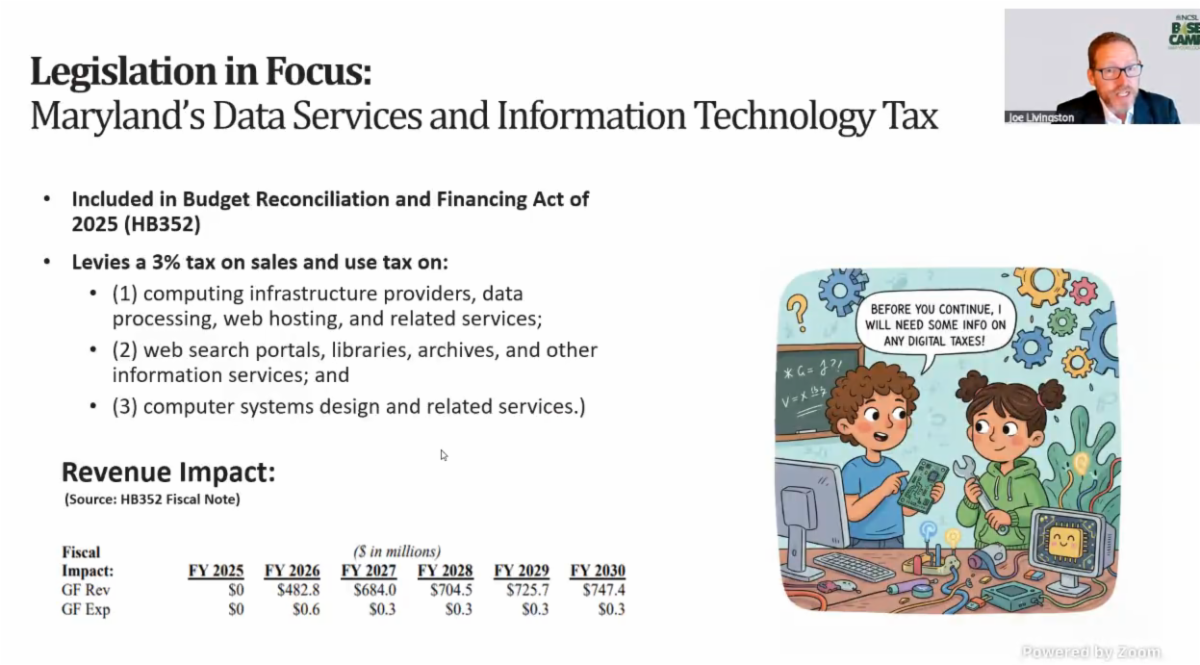
At the National Conference of State Legislatures (NCSL), Maryland’s Data Service and Information Technology Tax was also a topic of discussion. I opposed this measure on the Senate floor, recalling its previous failure in 2007, which ultimately led to its repeal in 2008. The reinstatement of this tax has once again made Maryland less competitive prompting some businesses to relocate to nearby states with friendlier tax environments.
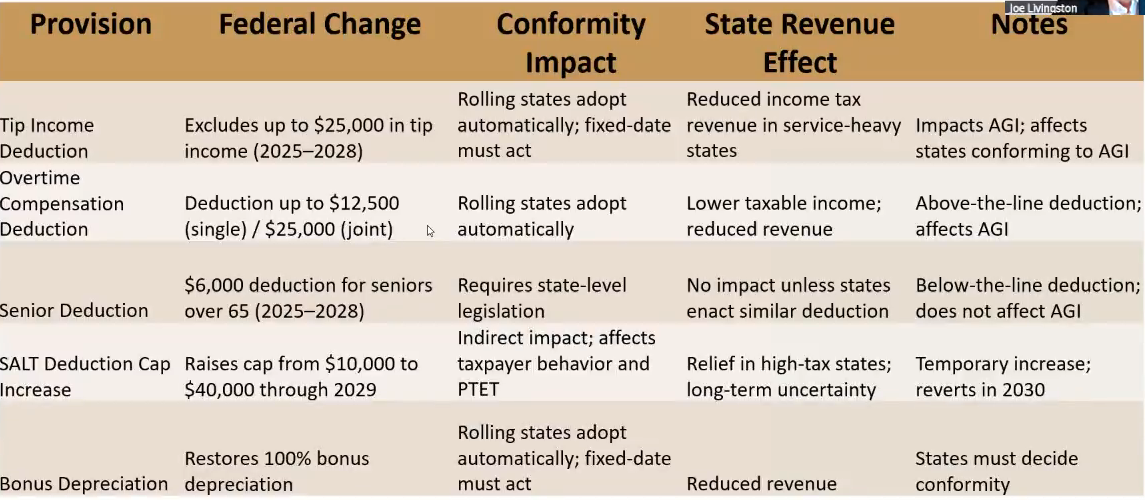
Below is a list of provisions made by HR-1, also known as the "One Big Beautiful Bill Act":
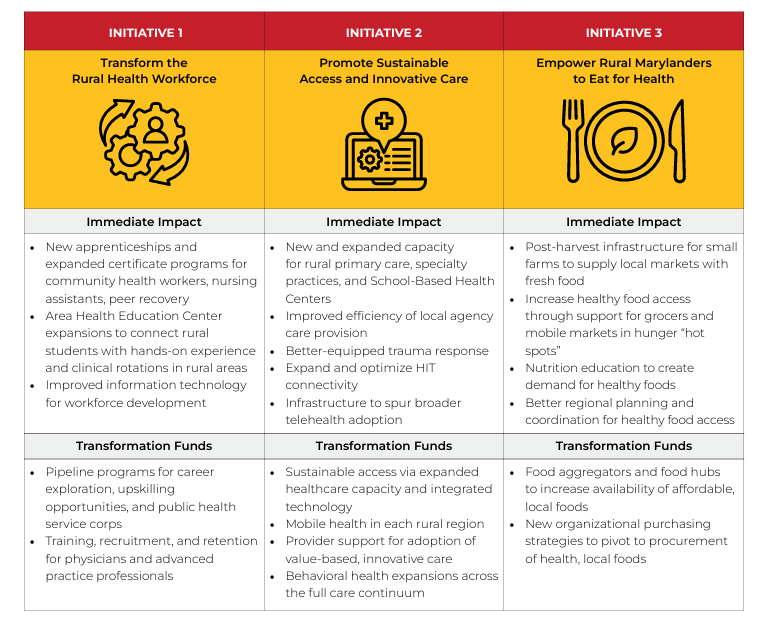
| | Rural Health Transformation Fund; Application Proposal for Maryland: | |
The Rural Health Transformation (RHT) Program, which was authorized by the One Big Beautiful Bill Act, allows for $50 billion to be allocated to approved states over five fiscal years, with $10 billion of funding available each year. For states like Maryland, particularly with rural and semi-rural communities, this program presents an opportunity to:
- Develop and submit a comprehensive rural health transformation plan that aligns with the program’s goals.
- Invest in preventive care, chronic disease management in rural counties, and expand behavioral health access in underserved areas.
- Strengthen rural hospital and provider infrastructure and build workforce pipelines for rural areas.
- Explore partnerships between rural facilities, regional health systems, and technology vendors to scale efficient care delivery.
- Ensure that when funding becomes available, Maryland’s rural areas can benefit from the program and enhance sustainability of their health delivery systems.
The Maryland Department of Health submitted Maryland's proposal to the Federal program.
| | |
Developmental Disabilities Administration:
Developmental Disabilities Administration (DDA) serves approximately 20,000 Marylanders with developmental disabilities, a population that relies heavily on state support through Medicaid. Many of these individuals face challenges in meeting the benchmarks of independence achieved by the average adult. The Developmental Disabilities Community (DDC) depends on the DDA for critical programs such as Self-Directed Services, Long-Term Services and Supports, Low Intensity Support Services, and more.
After hearing concerns directly from members of the DDC, I wrote to Deputy Secretary Hutchinson of the DDA and later met with her to discuss these issues in detail. She identified several contributing factors, including budget constraints, inflated cost assessments from Medicaid when participants transition from the Autism Waiver Program to DDA services, and communication challenges between state agencies’ IT systems.
One specific issue discussed was the 10-hour-per-month cap placed on the Day-to-Day Administrative Support role. This limit was implemented to ensure that approximately 3,500 self-directed service participants can continue receiving assistance within the state’s current budget. The support role is designed for limited, as-needed help, and utilization will be closely monitored throughout the year. Previously, this position could operate up to 40 hours per week.
Deputy Secretary Hutchinson acknowledged that delays in contact with participants are unacceptable and emphasized that a triage system is now in place to prioritize the most urgent cases first. While I hope to see improvement in this area, I believe recent budget cuts, which I voted against, have contributed to these delays.
In my letter, I also raised concerns from DDC advocates regarding denied reimbursements for part-time staff health care costs. Since that communication, I’ve been informed that this issue has been largely resolved for the affected individuals.
If you have concerns specific to DDA, or any other issue, please contact your representative using this tool: Find My Representative.
| |
When constituents share their community concerns with me, I truly appreciate it. Your communication allows me and my office to address those issues in an official capacity and bring them to the attention of the appropriate leadership.
A special thank you to Lauren, my Chief of Staff, who continues to work diligently on constituent casework, as she has for more than a decade.
| | | |
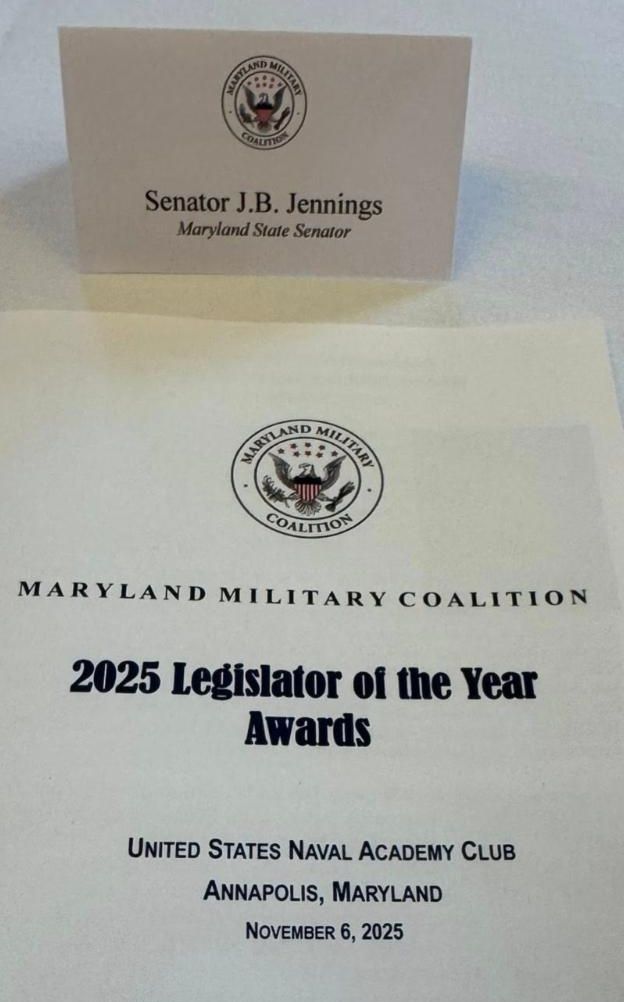
2025 Maryland Military Coalition's Legislator of the Year Recipient
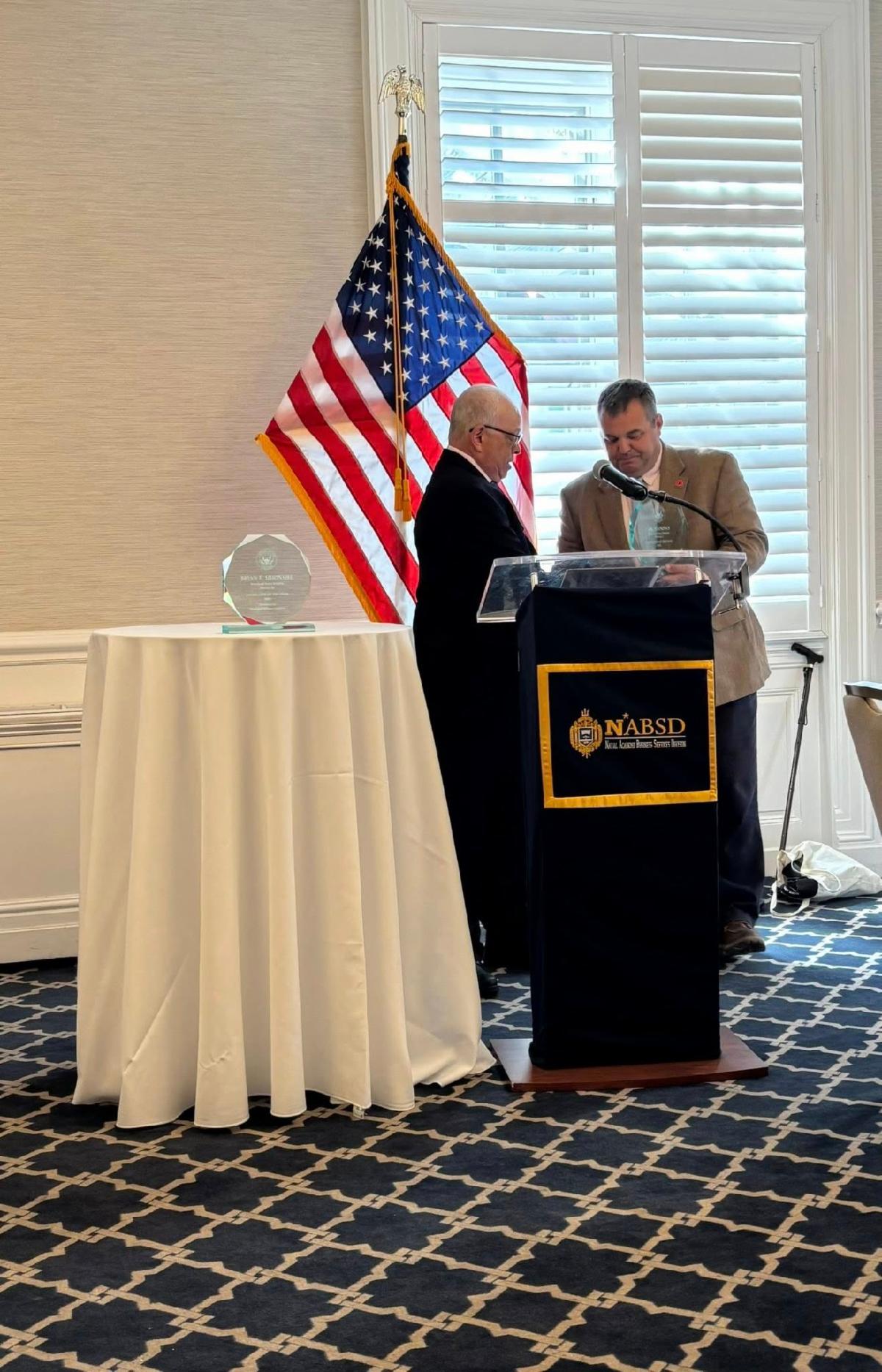
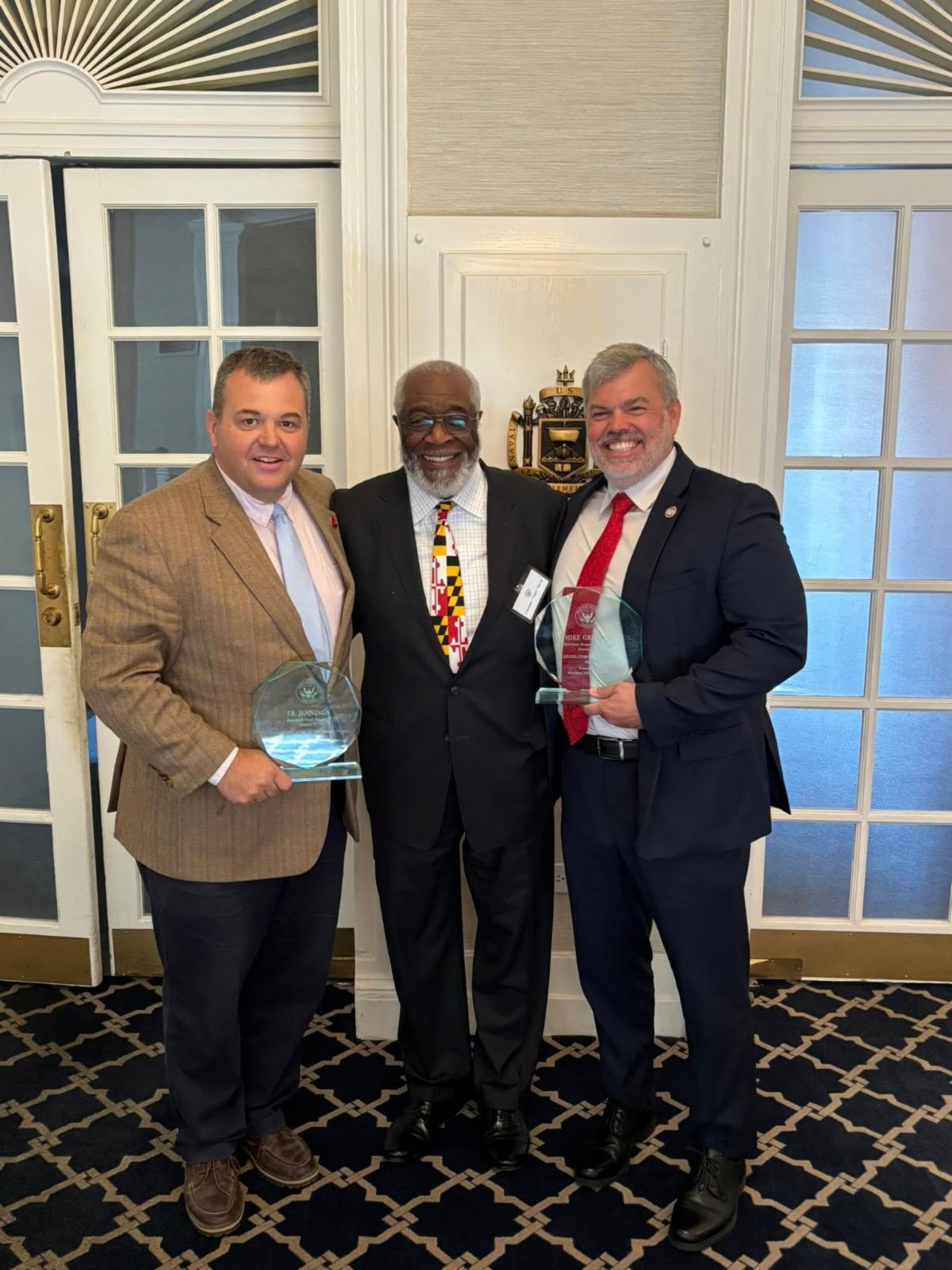
On Thursday, I was honored to receive the 2025 Maryland Military Coalition's Legislator of the Year Award for my dedication and support of the Veterans Community! Congratulations to my colleague, Delegate Mike Griffith, who was honored as well. We have worked collaboratively to advance legislation that honors and supports our Armed Forces and Veterans.
Here's the Veteran's Guide I sent out last week, which features legislation, benefits, and other programs for Veterans in Maryland and beyond. *As a correction, all Veterans are eligible for a waiver of State parks fees daily. Click here for more details.
| | |
Perry Hall Celebrates 250th Birthday!
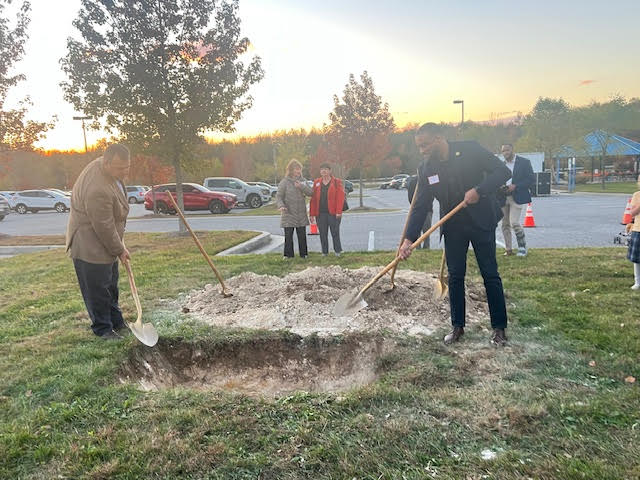
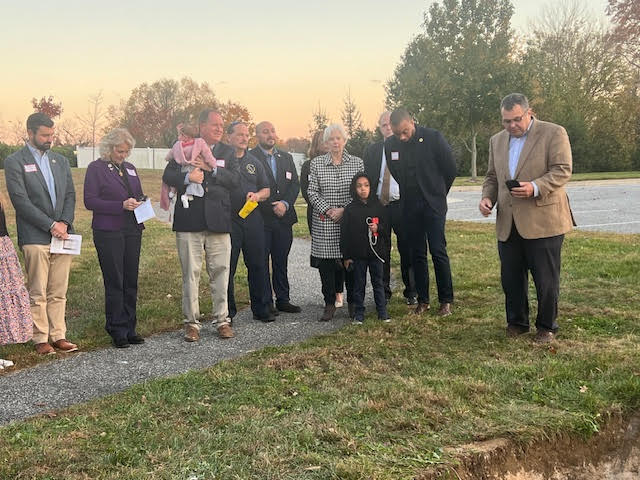
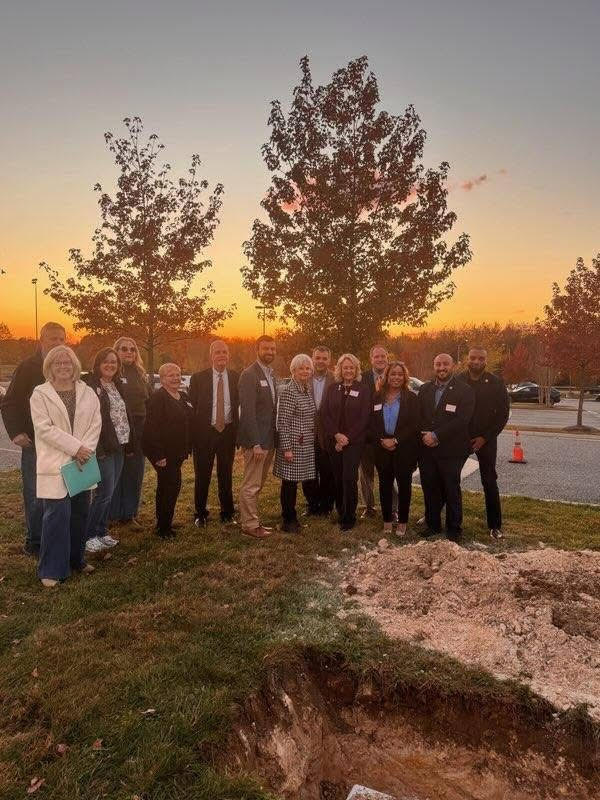
On November 3, 2025, I was honored to join the Perry Hall Improvement Association, County Executive Klausmeier, Senator Jackson, Delegates Szeliga and Nawrocki and Allen, and Councilman Marks at the future site of the Veterans Memorial at Gough Park.
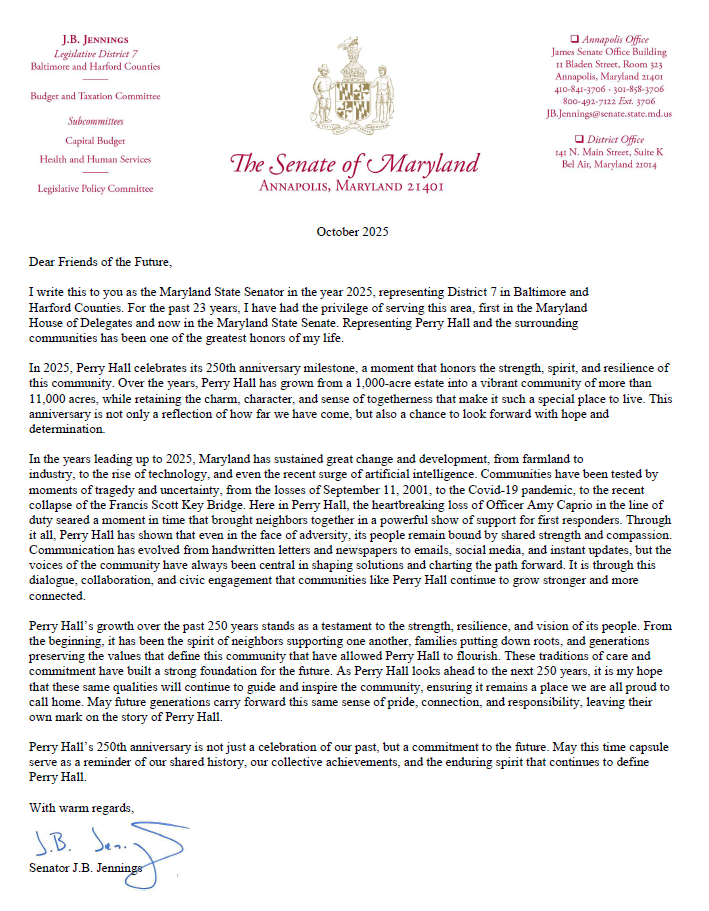
In 50 years, future residents of Perry Hall will open the time capsule and read over the letters, documents, and photographs provided by community members and leaders.
A special thank you to Vicki and Pat Keller and their team, for leading this meaningful project. Your dedication to celebrating 250 years of Perry Hall’s history ensures that future generations will remember the strong sense of community that makes this place so special.
| | |
Baltimore County Public Schools Superintendent Dr. Myriam Rogers has announced the launch of the new Superintendent’s Stakeholder Achievement Advisory Group, which recently held its first meeting in Towson. Designed to strengthen collaboration between the school system and the community, the group brings together 35 parents, students, educators, and community leaders selected from more than 280 applicants. “This advisory group represents the many diverse perspectives and experiences that make Baltimore County Public Schools strong,” said Dr. Rogers. “I look forward to collaborating with these dedicated stakeholders on innovative strategies and initiatives that will fast forward student success.” The group will meet regularly throughout the 2025–2026 school year to provide input and ideas that support academic excellence and community engagement across BCPS.
| | |
Harford County Thanksgiving Food Drive: November 1–21:
Harford County Government is hosting its annual Thanksgiving Food Drive to support local families in need this holiday season. Donations will be accepted November 1–21 at various county government buildings, parks & recreation facilities, and senior centers. All items will benefit the Harford Community Action Agency food pantry.
You can donate non-perishable food items and essentials like diapers.
For a list of most-needed items and drop-off locations, visit: https://www.harfordcountymd.gov/3675/Thanksgiving-Food-Drive
| | |
Eden Mill Nature Center:
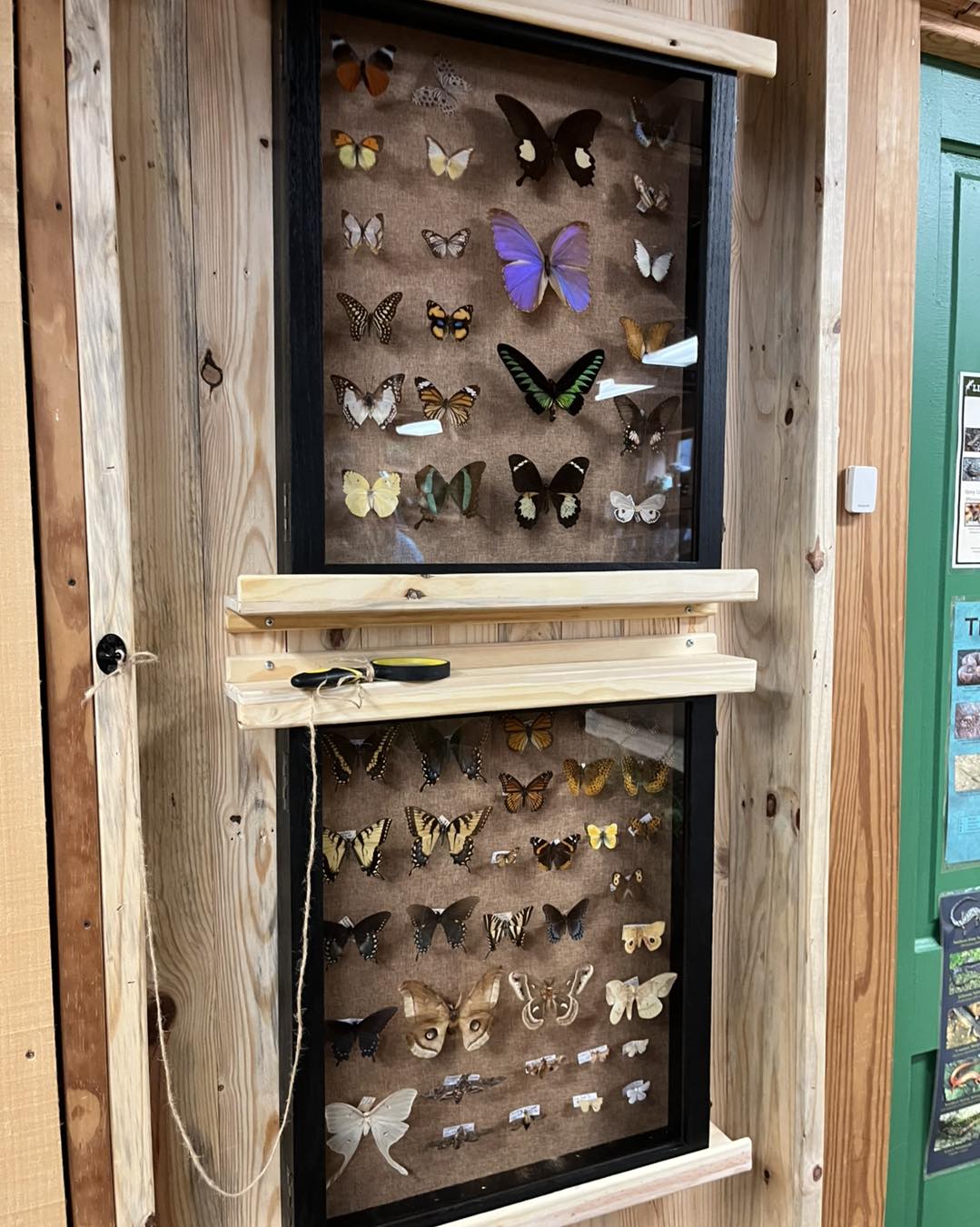
Did you know that Eden Mill Nature Center is a Monarch Way-Station? This center educates Harford County residents and implements conservation efforts of native insects and plants.
| | | |
Food Insecurity:
The Maryland Food Bank continues to play an essential role in supporting families across every corner of our state. Through a network of more than 750 partner organizations, the Food Bank operates local food pantries, hosts pop-up distribution events, and deploys Mobile Market trucks- grocery stores on wheels that bring fresh, healthy food to rural communities where access and transportation can be challenging.
Each year, the Maryland Food Bank provides over one million Marylanders with nutritious food options and fresh, locally grown produce. Their programs are designed to meet families where they are, tailoring food assistance to the needs of each community they serve.
If you or someone you know is facing food insecurity, please reach out: Call: (410) 737-8282 or Visit: mdfoodbank.org/find-food
For SNAP assistance, call 1-888-808-7327 or email snapteam@mdfoodbank.org
If you're interested in giving back, please feel free to reach out to: (410) 737-8282
| | |
Our Company | Contact Us | FAQs | Privacy Policy |
| | | |