|
This July 4, the grave state of our democracy made me especially grateful to join with neighbors at 250th Anniversary gatherings which also acknowledged the Indigenous communities thriving on this land prior to colonization, as well as the legacy of slavery.
At events like the Center for New Americans’ naturalization ceremony, and Mass Humanities’ sponsored readings of Frederick Douglass’ What to a Slave is the Fourth of July?, we held both pride in the revolutionary origins of Massachusetts and the United States and a yearning for an honest accounting of our history. We heard speakers and shared readings that called us to grapple with unfulfilled promises of racial and social justice.
And, at readings of the Declaration of Independence, we heard the blistering critique of a brutal monarch and the unyielding resolve for a more just nation.
The New York Times editorial board wrote: “Democracy is not a sheltered structure we live inside. It is a habit we must practice — or lose.” To live in a Democracy like ours is to be uncomfortable and to allow this discomfort to drive us to act.
Below we’ve tried to condense some of the ways we’ve practiced democracy and acted together over the past month — as well as ways to strengthen those habits.
We’ll begin with the state’s Fiscal Year 2027 (FY27) budget. Governor Maura Healey signed all $63.4 billion into law on July 9. With this year’s budget we practiced resistance to federal funding cuts, fueled by a belief that those struggling economically deserve to live with dignity and shared opportunity.
But we couldn’t fill every gap and some gap filling caused deficits elsewhere.
The FY27 budget also does not contain a provision to crack open and re-do the Unrestricted General Government Aid program (UGGA — a giant UGHa), which is a broken system to provide direct aid to cities and towns. We’ll keep trying.
BUT, it does establish a [release confetti] Foundation Budget Review Commission, to crack open the Chapter 70 formula for funding K-12 schools. It is looooong overdue. THANK YOU to everyone who practiced “the habit of democracy.” Against all odds, you campaigned. You traveled to Boston. You raised your voices. And you won this round.
Please make it to the section on advocacy around fair recompense in the Quabbin. Every single community ringing the Quabbin has deliberated and passed — through Town Meeting or their Selectboard votes — formal statements directed squarely to the Massachusetts Water Resources Authority (MWRA) and they delivered them en masse at a July 10 MWRA board meeting.
And read on for news of another commission to crack open another whopper of a bad formula driving state “payments in lieu of taxes” for state-owned land, also known as SOL PILOT. (And here, that SOL currently has two meanings, but not for long once you take it on.)
Look around you, friends. A regionally inequitable, maddening status quo is shifting (albeit begrudgingly and unevenly) because of your “habit of democracy.”
Let’s get into it.
P.S. Make it to the end for Constituent Services Director Jessie Cooley as a dancing queen, under the stars.
Here are two tech tips based on constituent feedback:
- If the newsletter ends abruptly, look for instructions at the bottom of your screen on how to view the full message.
- If the newsletter appears without images, you may need to click “allow blocked content.”
| | TL;DR (that's a "too long; didn't read" digest) | |
-
The Senate passes legislation addressing energy affordability.
-
The Senate passes dark skies legislation.
-
The Senate passes legislation tackling the primary care crisis.
-
The Senate passes an omnibus child welfare bill.
-
The environmental bond bill reaches the conference committee stage.
-
The Blue Envelope Program is law.
-
Track conference committees in one place.
-
The Governor’s Anti-Hunger Task Force releases recommendations.
-
The State-Owned Land Payment-in-Lieu of Taxes (PILOT) Commission hosts listening sessions.
-
Every Quabbin community raises its voice.
-
Supporting our aging communities.
-
Questions on the ballot in November.
-
Honoring Juneteenth.
-
Celebrating Pride.
-
A brief update on broadband infrastructure in the district.
-
Answering your calls to action on legislation and pressing issues.
| | 14 billion reasons to like the Senate's energy affordability bill | | |
“Our social security did not go up by 64% and neither did the pay from the part-time job. I still have to work at 72 just to get by. We are struggling to pay these increased bills while the oil companies make multiple millions in PROFIT. We seriously need help out here!!”
This is an excerpt from one of the many emails I’ve received from constituents about unaffordable and unforgiving energy charges. On July 1, the Senate passed an energy affordability bill which included legislation that I have filed for the last seven years to protect ratepayers from unreasonable utility profits. Thank you to Chief of Staff Jared Freedman and the Acadia Center for their leadership.
There are 14 billion reasons to like the Senate’s bill, including that it does not open the door to new nuclear power plants in Massachusetts and it preserves Mass Save — in addition to securing savings for constituents.
Make that 14 billion and one if you count another amendment we had adopted, which we worked on with local conservation commission officials to allow towns to require developers to pay for the cost of studies associated with siting clean energy facilities.
Additionally, the Senate’s bill includes legislation that I filed alongside Representative Mindy Domb to prohibit utility shutoffs during heatwaves. Too many constituents could surely have used this vital protection last week.
| | |
More about the final bill here.
Because the House passed its own energy affordability legislation, a conference committee will be appointed to work out the differences between the two proposals. We’ll keep you in the loop each step of the way.
| | Dark skies passes the Senate | | |
Also on July 1, the Senate passed legislation to address outdoor light pollution, also known as the Dark Skies Bill.
Addressing light pollution not only improves public health and protects wildlife, it also saves on electricity costs.
Thanks to the passionate advocates from our region. You led the way!
The bill is now before the House Ways and Means Committee for its consideration.
| | Progress for Primary Care | | |
On June 18, I voted YES on legislation to improve access to primary care.
More than 40% of Massachusetts residents struggle to get an appointment with a doctor.
Limited access to primary care means worse health outcomes for patients, and higher costs throughout the health care system.
More about the Senate’s bill here. (And if you don’t have time to click, please know that I support universal health care as a right.)
| | This bill now moves to the House for its consideration. | | Protecting the most vulnerable children | | On June 11, the Senate passed an omnibus child welfare bill which included a wide range of protections. | | |
Should it become law, this bill would complete a quartet of child welfare laws that my team and I have worked on and passed over the last seven and a half years:
-
The Senate’s omnibus child welfare bill includes a Foster Children Bill of Rights — legislation I’ve filed for several years with Representative Mike Finn;
-
Both the House and the Senate’s versions include language from a bill I file with Representative Tricia Farley-Bouvier to strengthen the Office of the Child Advocate by ensuring its complete independence so that it can exercise maximum oversight;
-
In 2022, our team’s Foster Parents Bill of Rights was signed into law;
-
And last year the Governor signed legislation that protects federal benefits owed to children in foster care, another bill I shared with Rep. Farley-Bouvier. It has already saved upwards of $11 million dollars for young adults in foster care.
Learn more about the pending child welfare bill here.
I was just named Chair of the conference committee that will negotiate the differences between the House and Senate bills. Glad to do this work with Senators Robyn Kennedy (who led the Senate bill) and Patrick O’Connor.
| | Checking in on the environmental bond bill | | |
In our May newsletter, I shared that the Senate passed the Mass Ready Act, which we more commonly refer to as the environmental bond bill (EBB). The EBB makes critical investments to protect our natural and working lands, fortify infrastructure in the face of climate change and severe weather, safeguard drinking water; and fund key environmental, agricultural, and food security programs.
The House passed its version of the bill in June, so the bills’ differences will be negotiated by a conference committee. Here’s our advocacy to the committee. It prioritizes our Quabbin and Connecticut River work.
| | Blue Envelopes is now law | | |
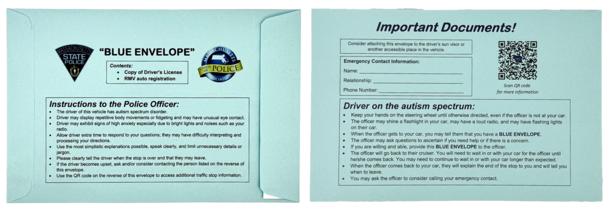
On June 25, Governor Healey signed the Blue Envelopes Bill into law, marking a years-long partnership between our team and Representatives Mindy Domb and Sean Garballey.
Now, motorists with autism spectrum disorder (ASD) can obtain a blue envelope from the state police or from the RMV in which they can keep their car insurance and registration.
The envelope prominently notes that the driver has ASD, along with guidance for both the individual and law enforcement regarding safe and effective engagement.
| | |
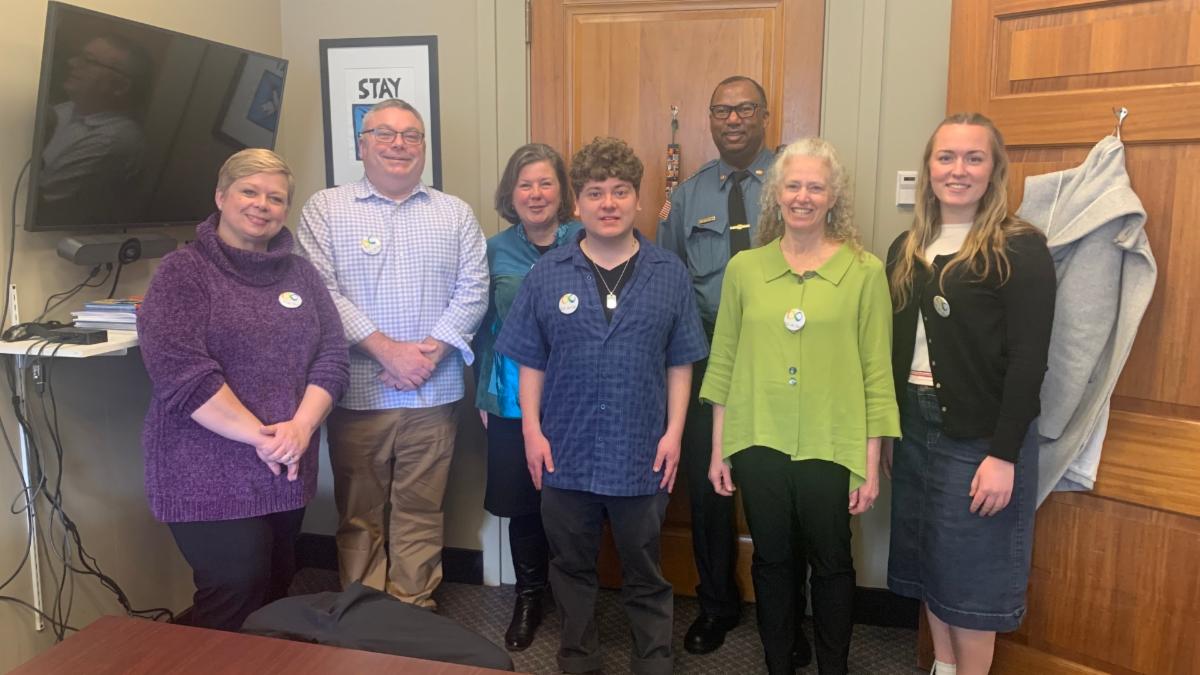
The idea for this legislation originated from constituent advocacy, starting with Max Callahan-Grower (front, center below in a photo from 2022) and Mark Sena of the Massachusetts Inclusive Concurrent Enrollment Initiative (MAICEI) at UMass Amherst who pointed us to other states that had introduced a blue envelope program. Max lives with ASD and, as a young adult, wanted to drive independently without fear that a traffic stop would escalate.
Also pictured is UMass Chief Tyrone Parham (next to me, behind Max) who, along with Deerfield Chief John Paciorek, secured robust support from law enforcement. And, on Max’s left is Ilyse Levine-Kanji of Advocates for Autism of Massachusetts, who brought a mother’s determination and unbridled organizing prowess to lead family member advocacy.
| | Conference committees are on the move | | |
July will see a flood of bills pass both the House and Senate. Most of those bills will require reconciliation before they can reach the Governor’s desk.
To help you track and engage in this work, my team and I are keeping track of the conference committees currently underway. Our running list is here.
While many conferences will wrap up over the course of the next month, conference committees have a final deadline of December 31 to complete their work.
| | Anti-Hunger Task Force releases recommendations | | |
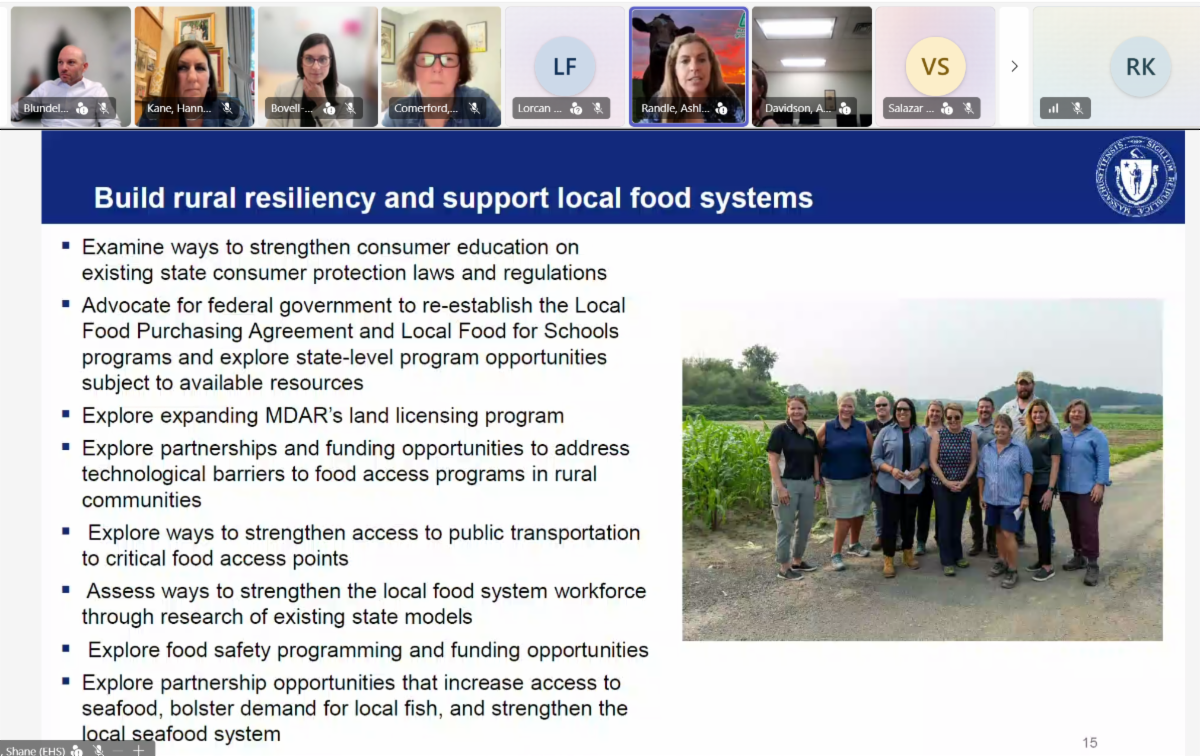
The Governor’s Anti-Hunger Task Force has published its final report, which included a host of recommendations for how to combat hunger and food insecurity in the Commonwealth.
I represented the Senate on the Task Force, along with Senator Sal DiDomenico. On June 30, the Task Force presented its recommendations to the Legislature’s Food System Caucus.
We’ll now turn to implementing the recommendations — urgently needed to address hunger and food insecurity in the wake of federal cuts to the Supplemental Nutrition Assistance Program (SNAP), Local Food for Schools Program, and more.
| | Raise your voices for fairer PILOT payments | | |
This is a big moment for our region.
Right now, the formula for Payment-in-Lieu of Taxes (PILOT) to local communities for state-owned land isn’t working fairly. (Imagine a few expletives tossed into that under-statement.)
That’s why I’m fired up to serve on the Governor’s Commission to re-write this formula.
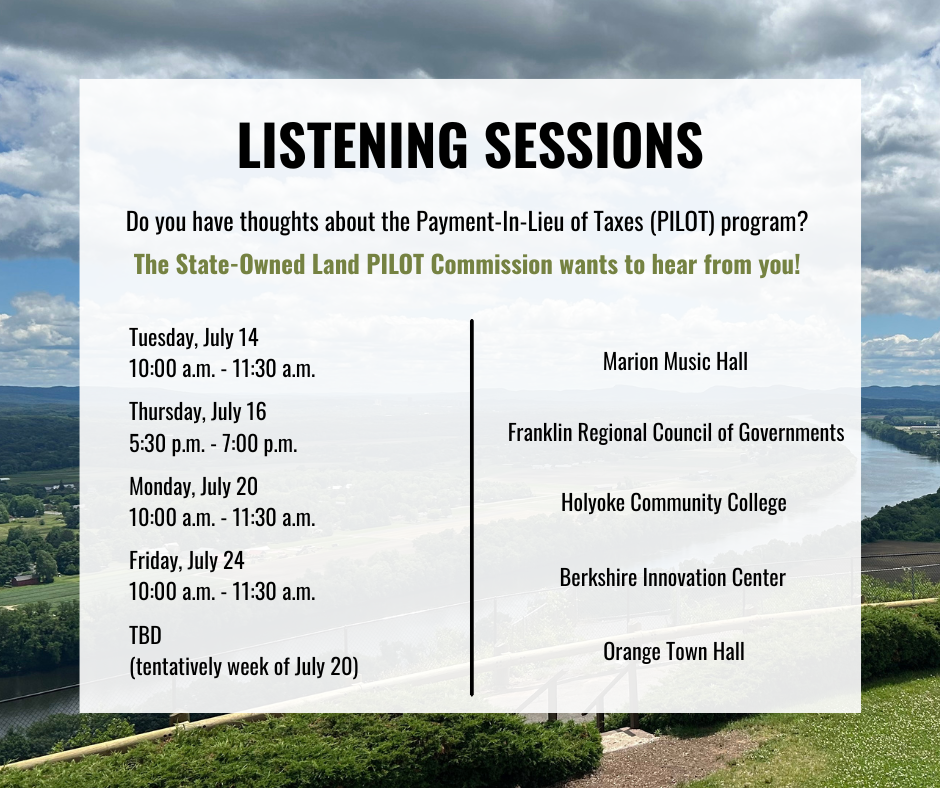
The Commission is holding listening sessions this July. You are strongly encouraged to exercise your habit of practicing democracy: show up, speak out, and help shape the recommendations to improve this vital program.
Nearby sessions (with virtual sessions to be scheduled):
Franklin Regional Council of Governments — July 16, 5:30 p.m. - 7 p.m.
Holyoke Community College — July 20, 10 a.m. - 11:30 a.m.
Berkshire Innovation Center — July 24, 10 a.m. - 11:30 a.m.
[Quabbin region] — TBD
Pre-registration is encouraged, but just showing up is also welcome. Register here.
You can also submit testimony here if you can’t attend any session.
| | Quabbin communities advocate for fairness | | |
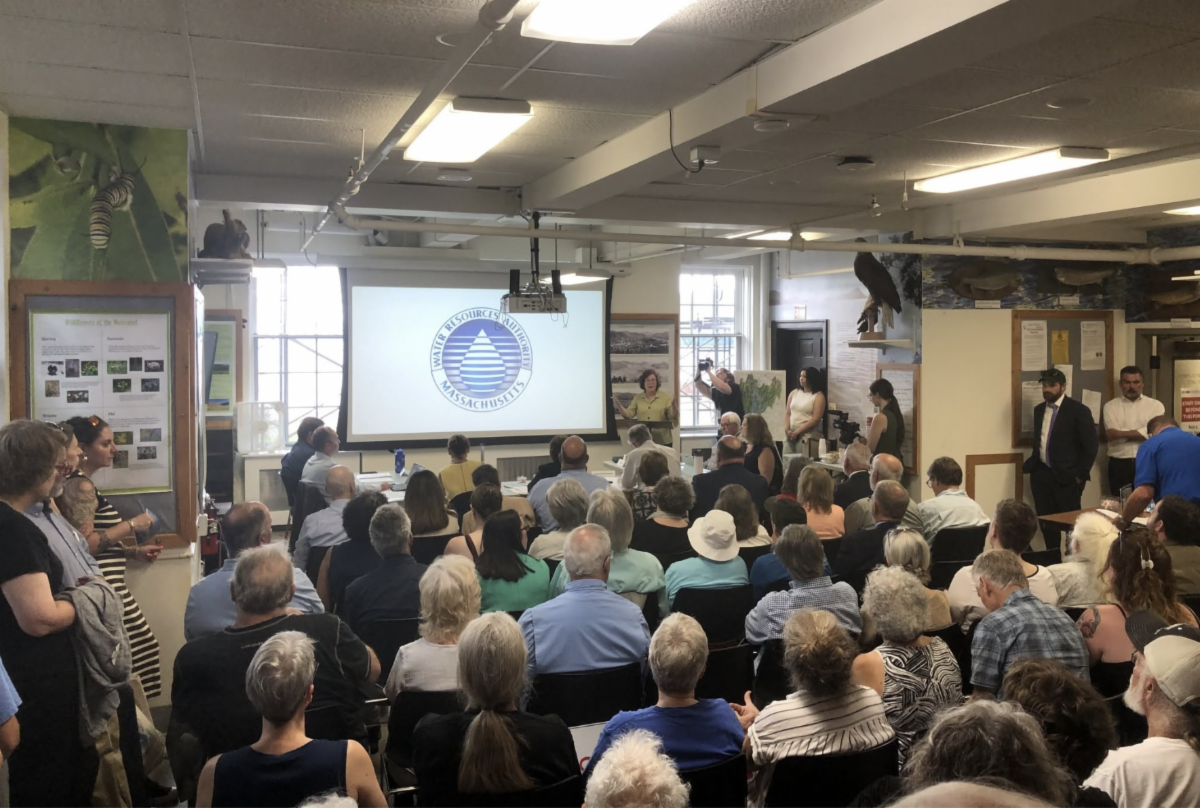
On July 10, I joined colleagues in the Quabbin legislative delegation to host the MWRA Board of Directors (BOD) for an important conversation.
The MWRA is the public entity that provides Quabbin water to 61 communities in eastern Massachusetts. At the meeting, the BOD heard from Quabbin Watershed Stewards and municipal representatives from every community that rings the Quabbin — united in their calls for fairness and just recompense.
The meeting was recorded by Belchertown Community TV (thank you!) and will be available here.
It is no longer a question of whether there are inequities or if there will be fair recompense. The question is simply when the bill will finally be paid. I'm as impatient as you are.
| | Aging in the Commonwealth | | |
I received feedback from constituents to our last newsletter asking for an update on our work to support older adults.
Village Neighbors and Transportation
On June 10, our team helped organize a robust conversation about the transportation needs of older adults.
Amazing groups like Valley Neighbors (Whately, Deerfield, and Sunderland), Amherst Neighbors (Amherst and Pelham), Montague Villages, Northampton Neighbors, Easthampton Neighbors, Village Neighbors (Shutesbury, Leverett, Wendell, and New Salem), Greenfield Neighbors, Athol Kindness Connection, and Petersham Partners are filling gaps in transportation services.
Working with Senator John Velis, I secured $10,000 for each of these groups in the last budget to help pay the costs of volunteer drivers.
We’ve also connected local Village Neighbors with MassDOT and the Executive Office of Aging & Independence to help them access more state funding and to ensure state agencies understand the robust services needed to age independently, in community, and with dignity in a rural region.
Family members as caregivers
Alongside Representatives Mike Kushmerek and Dave Rogers, I filed legislation to create new benefits and supports for family caregivers and their loved ones, including providing an annual tax credit, requiring MassHealth to pay spouses as caregivers, expanding unemployment benefit eligibility to family caregivers, and more.
I continue to push for the Senate to take up this legislation.
Senior LGBTQ Listening Session
Earlier this spring, I joined a listening session at the Northampton Senior Center hosted by the Massachusetts Commission on LGBTQ Aging. This Commission, bolstered by the inimitable Senator Pat Jehlen and Representative Sam Montaño, is focused on understanding how the Commonwealth is supporting LGBTQ+ older adults and what can be improved with respect to health care, housing, social connections, and more.
Cost of Living Adjustment (COLA) reform for retirees
I’ve continued to hear from many retirees about the real hardship caused by high prices for food, medicine, insurance, and housing — and how a 3% COLA on a $13,000 base payment simply does not keep up.
The FY27 budget, signed into law on July 10, includes major reforms recommended by the Special COLA Commission, which was created in 2024 to study the issue. The budget creates a new Enhanced COLA for long‑term retirees who have been retired for more than 10 years, and it establishes a COLA Reserve Fund dedicated to supporting improved COLA benefits in future years.
These reforms mark the largest modernization of COLA law in nearly 30 years. While they do not solve every challenge retirees face, they are an important step toward providing more meaningful support for the people who devoted their careers to the Commonwealth.
| | Ballot questions: Where are they now? | | |
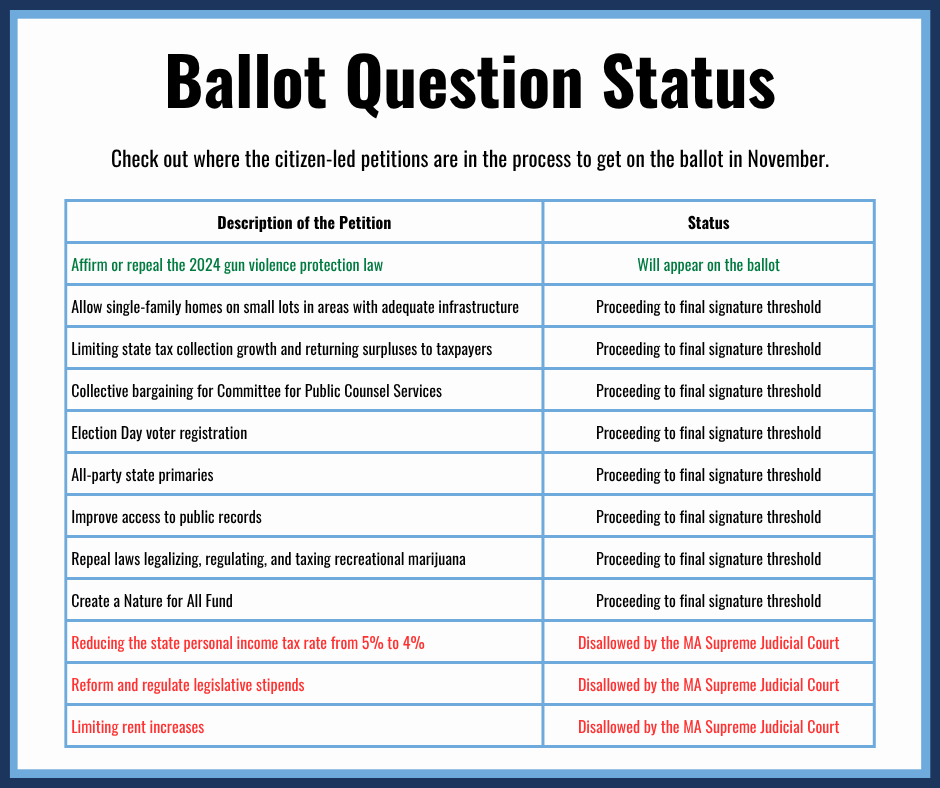
Earlier this year, the Secretary of State certified that 11 initiative petitions met the initial signature threshold to appear on November’s ballot (the full process is outlined here). Since then, some of those petitions have been challenged in court and disallowed.
Below is a snapshot of where these petitions are in the process of getting on November’s ballot.
We’ll share more in our August letter to you, once the final deadline for signature collections has passed.
| | |
From Boston to Northampton, we joined events honoring and celebrating Juneteenth.
On June 5, Aimee Salmon, Founder and CEO of Positively Africana By Aimee, and I recorded a conversation about her work, the importance of representing African cultures in all their nuance and complexity, and how we can honor and recognize Juneteenth every single day.
| | Constituent Services Director Jessie Cooley also attended the Northampton Juneteenth Festival, co-hosted by the Northampton Youth Commission and Northampton Arts Council on June 6. Kudos to all the organizers and the musicians, artists and vendors who made this event a great success and wonderful community celebration. | | |
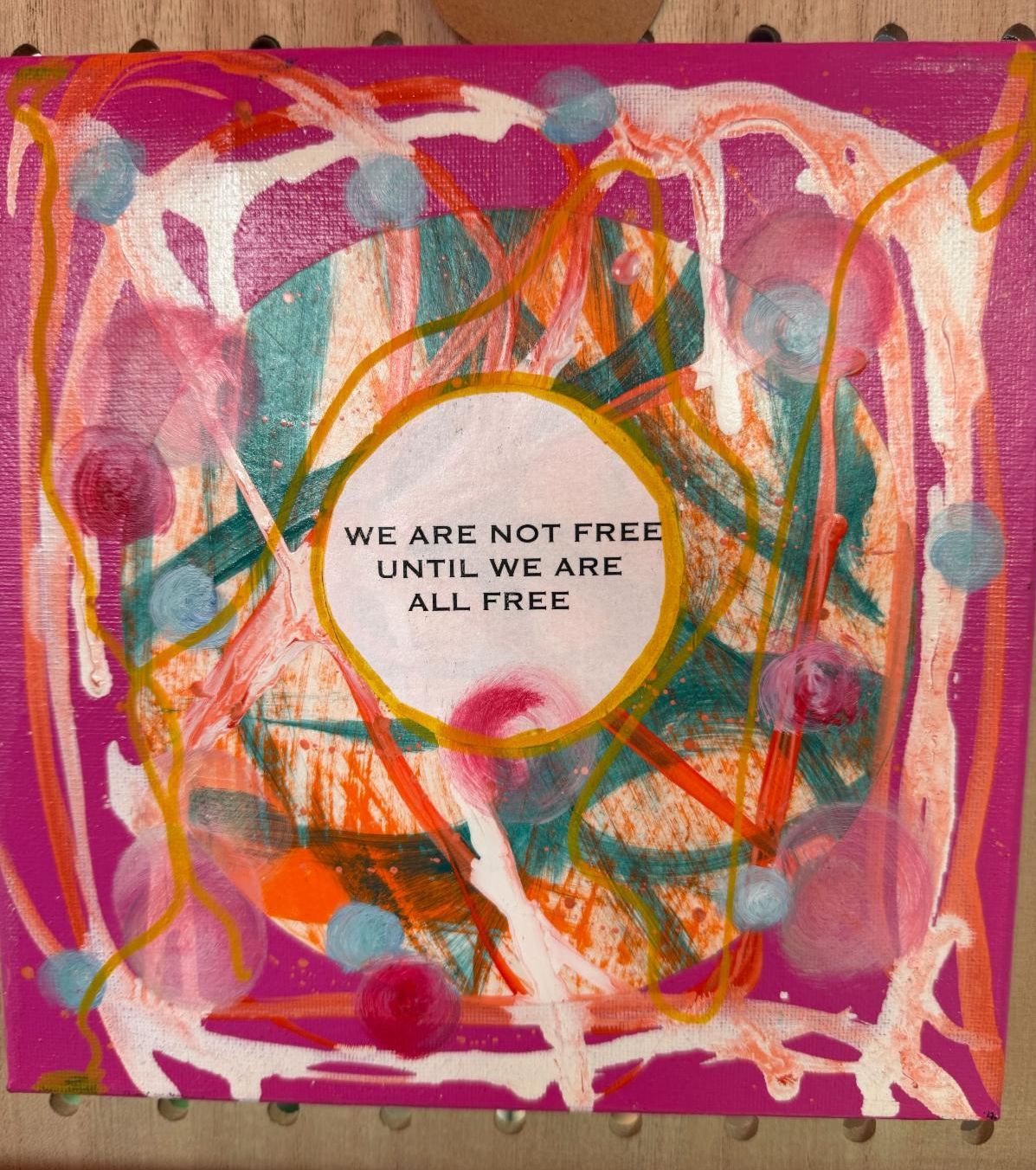
Artwork by Robin G. Photo Art
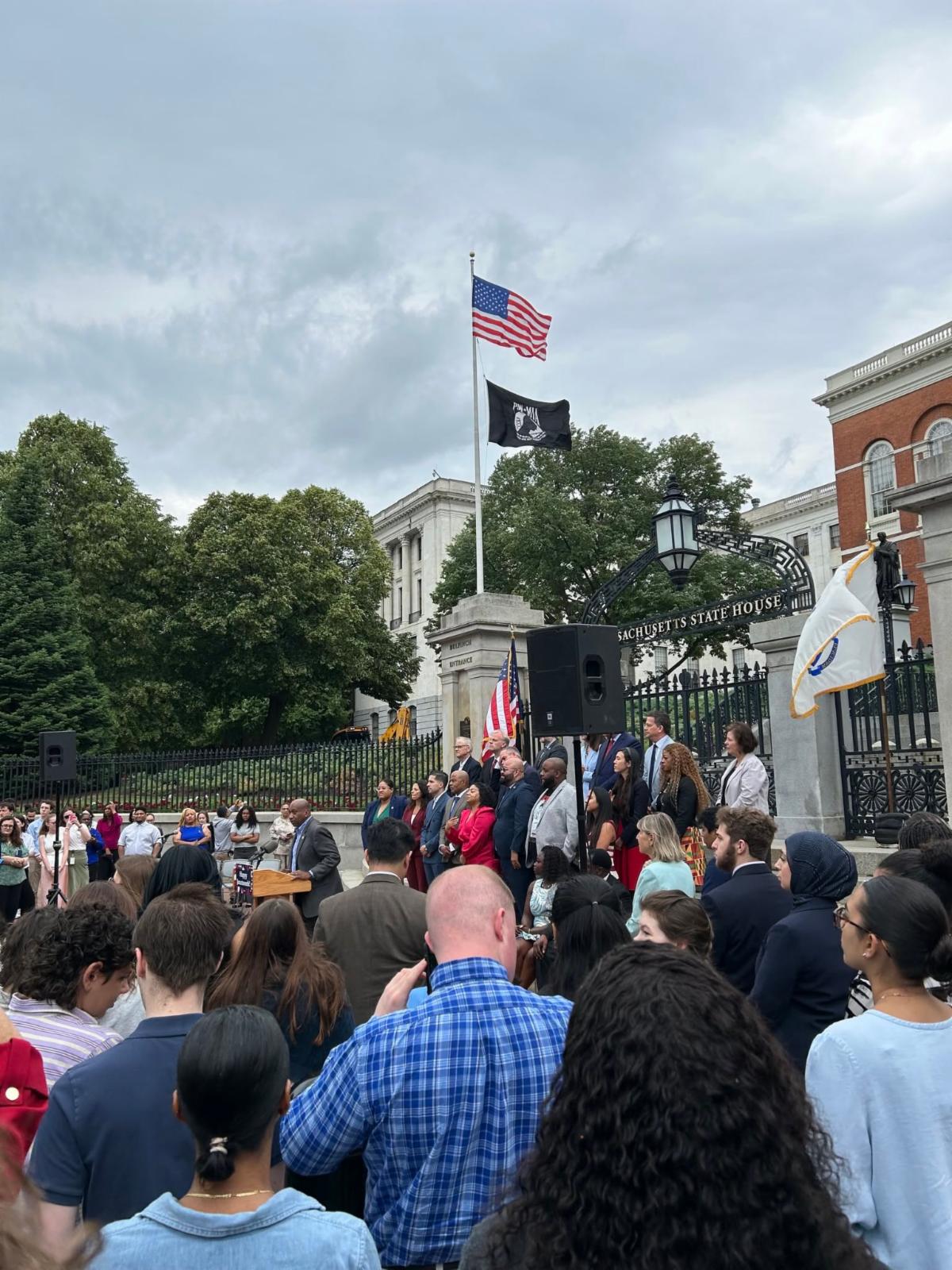
On June 18, I joined the Massachusetts Black and Latino Legislative Caucus to raise the Juneteenth flag over the State House, mindful of constituents like Dr. Amilcar Shabazz who originally called on the state to recognize Juneteenth as a holiday and a day of action.
Representative Russell Holmes is pictured speaking below reminding us that progress and freedom are not guaranteed. They must be fought for every day.
| | |
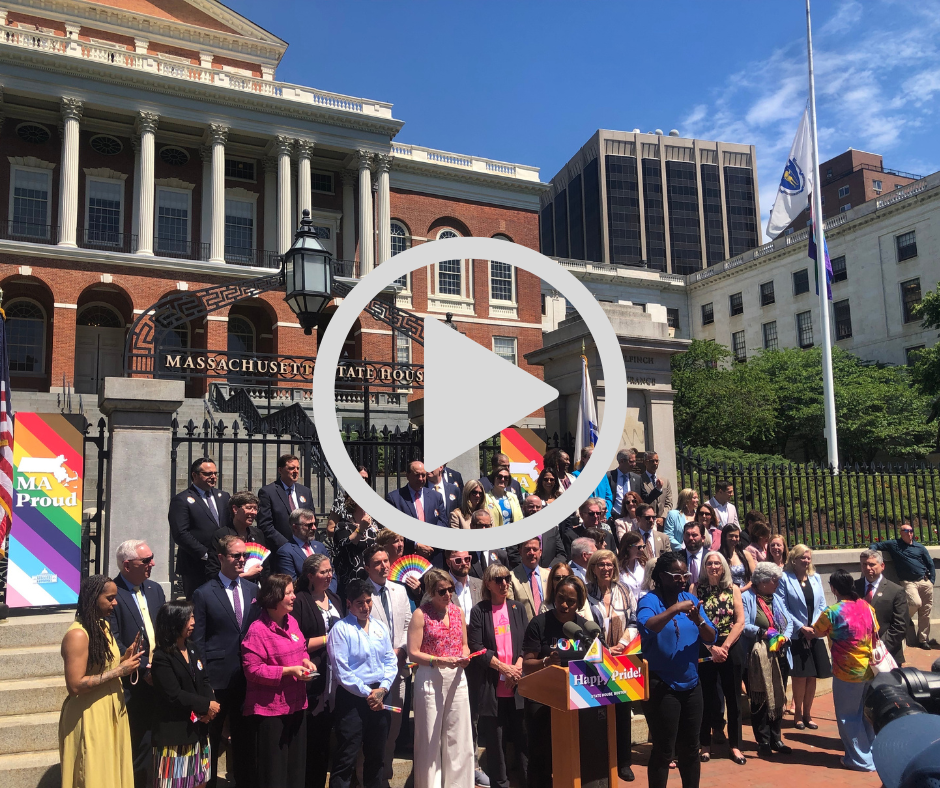
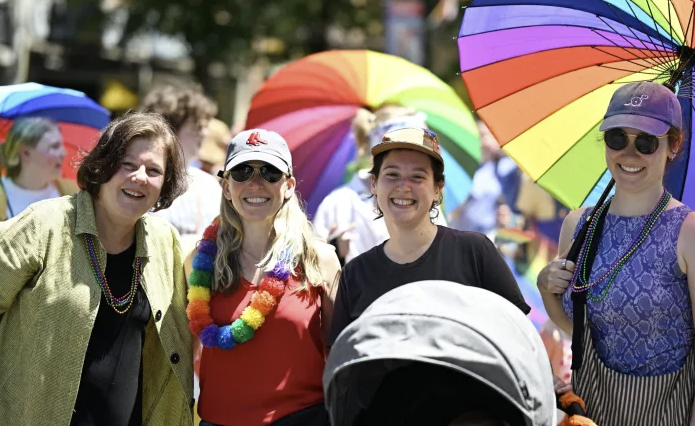
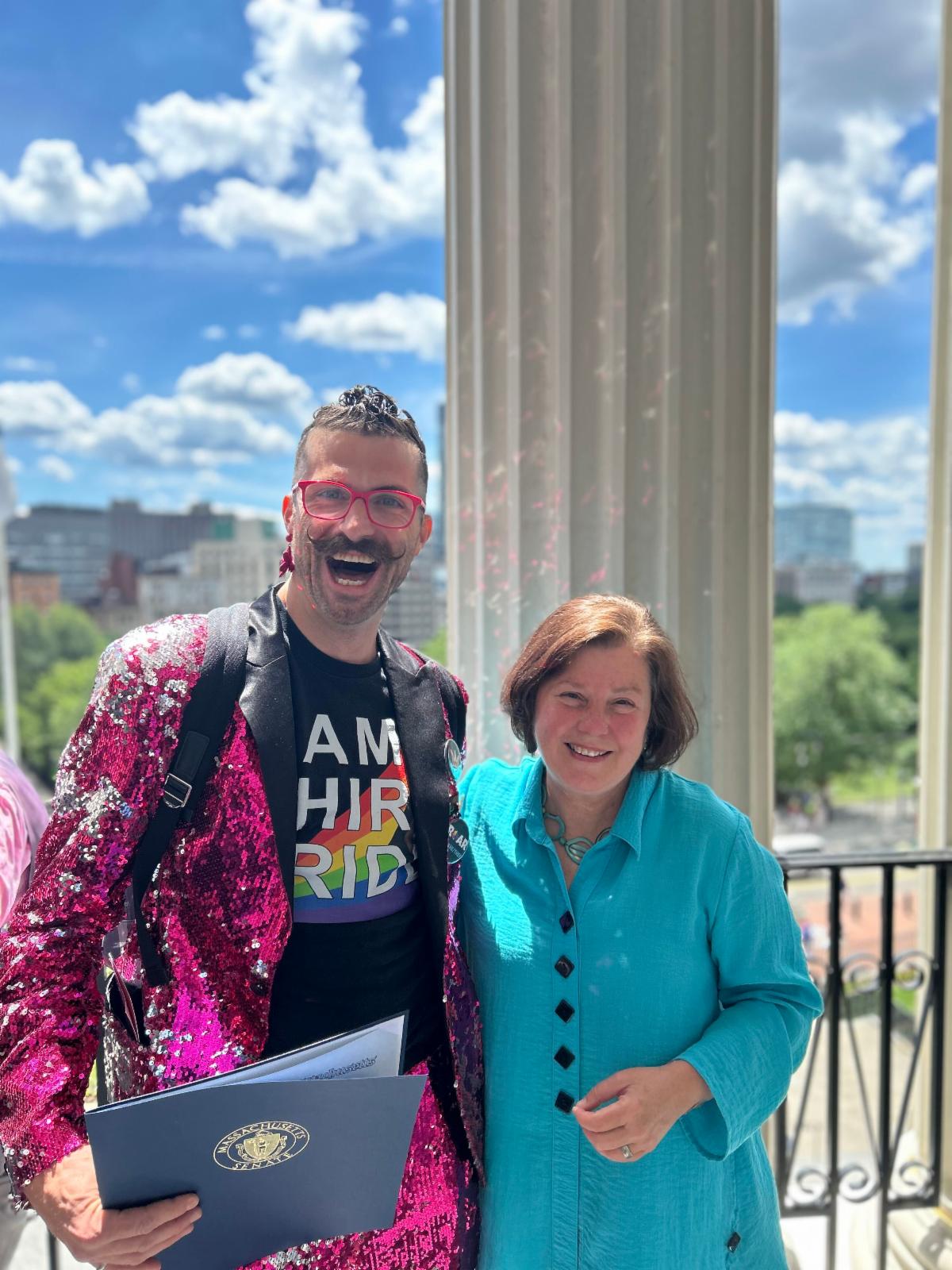
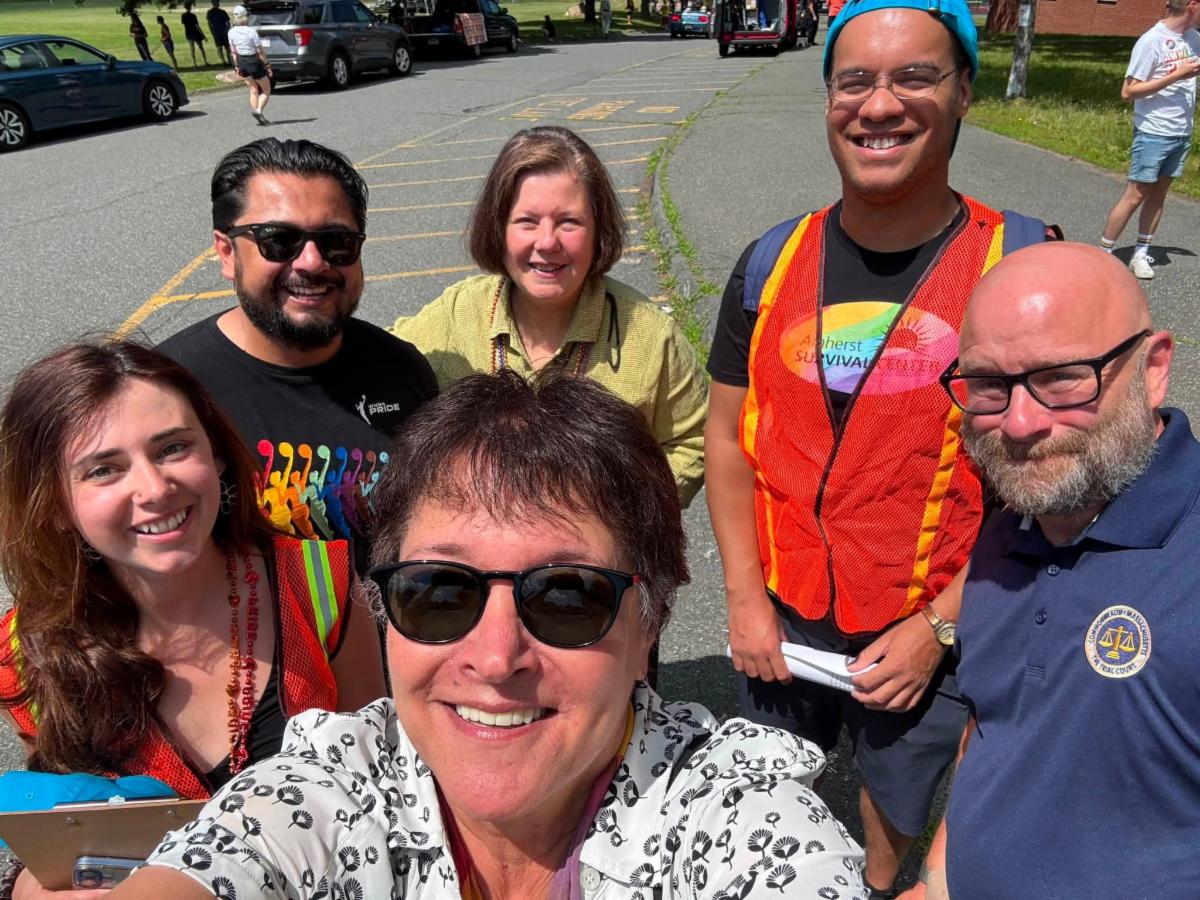
Throughout June, I joined in joyful celebrations of community, belonging, hope, and resilience as we celebrated LGBTQ+ Pride Month.
On June 3, we raised a rainbow flag at the State House for Pride Month — a powerful reminder that Massachusetts is united in protecting civil rights and liberties for all.
| | |
Video credits: Representative Kate Hogan's Office
On June 13, I was thrilled that Jessie Cooley, District Director Elena Cohen, Legislative Director Rachel Klein, and Communications & Engagement Director Katelyn Billings (behind the camera) participated in Franklin County Pride.
| | |
Photo Credits: Paul Franz at the Greenfield Recorder
On June 17, we celebrated Clay Pearson of Hampshire Pride and all those nominated for the inaugural Commonwealth Pride Awards.
| | On June 28, I joined Rep. Domb, Hampshire County Register of Probate Mark Ames, and parade leaders at Amherst Pride for another joyful celebration to round out the month. | | An update on broadband infrastructure | | |
The Mass Broadband Institute (MBI) is once again helping municipalities and constituents to understand where publicly-funded broadband buildouts are underway and how to track the progress. Through a new dashboard, MBI helps make visible the federal funds from the American Rescue Plan Act (ARPA) that were allocated by the state of Massachusetts.
View MBI’s new dashboard here.
| | Answering your calls to action on legislation and other pressing issues | | |
About one-third of the hundreds of emails I receive each day are from constituents calling me to act on pieces of legislation or pressing issues. Thank you for allowing this “bulk” reply to some of the issues I have heard most about in the recent weeks. I’ve also recorded short videos to answer your questions in real time. You can find You ask, I answer, here.
PETS Act
Earlier this spring, the Senate passed An Act promoting pet equity, treatment, and safety, also known as the PETS Act.
This bill puts an end to for-profit puppy and kitten sales in commercial pet stores, stops chemical testing, and expands a humane treatment law to cover all household pets.
I voted YES on this bill.
Ivory and rhinoceros horn trafficking in the Commonwealth
Many constituents have emailed me over the last few weeks with their support for An Act relative to ivory and rhinoceros horn trafficking.
I am a co-sponsor of this legislation and I have shared your advocacy with my colleagues in Senate Ways and Means as they consider this bill.
Opposing the federal Equal Access Rule revisions
Earlier in June, I signed a letter led by Senator Julian Cyr and Rep. Sam Montaño opposing a proposed rule from the federal Department of Housing and Urban Development (HUD) that would roll back longstanding non-discrimination protections in HUD-funded housing programs.
Smart Meters
I received many emails from constituents in support of an amendment filed by Senator Mike Moore to the Senate’s energy bill to require utilities to allow no-cost opt-out from smart meters. Unfortunately, this amendment was rejected during debate.
Throughout the spring, I have heard your concerns about the smart meters that are being installed by Eversource and the fee being charged monthly to those who have opted out.
I continue to convey constituent concerns about smart meters and opt-out fees to Senate leadership, as well as to the Department of Public Utilities, which regulates utility companies.
Plug in solar
I’ve received outreach from constituents with their support for plug-in solar options, which would allow folks with balconies or gardens to plug in solar panels to their homes as a way to get electricity.
Plug-in solar was included in the energy affordability bill that passed the Senate. I will share your advocacy for this policy with the conference committee (once it’s formed) so they know how important this is to our communities.
The Personal Care Attendant program
Nearly every day throughout June, I heard from constituents who rely on the personal care attendant (PCA) program and have grave concerns about any cuts.
The FY27 budget that was signed into law does not restrict the program beyond the 7-hour cap on meal prep and a 60-hour weekly cap which were proposed by the PCA Working Group for the program’s long-term sustainability.
As the federal government slashes healthcare funding I am glad that this program is being preserved in its current state — but we must push for more.
Cost of Living
Recently the Massachusetts Supreme Judicial Court ruled that the petition to lower the state income tax rate from 5% to 4% will not move forward to November’s ballot.
While I did not believe that this ballot measure represented an equitable solution to the cost of living crisis, I continue to hear from constituents about the strain they are feeling at the gas pump, the grocery store, paying for rent, and more. Your advocacy is keeping the cost of living as the central driver in all legislation considered and passed by the Senate.
Preventing workplace violence in health care
Constituents who work as nurses have been speaking up about being assaulted at work. In 2024, 68% of nurses said they had experienced at least one violent incident in the prior two years. The Senate listened and An Act requiring health care employers to develop and implement programs to prevent workplace violence (S.1718) is coming up for a vote on July 16.
At the same time — and importantly — people living with disabilities are concerned about the lasting negative impacts this policy could have, specifically imposing heightened criminal penalties upon people with intellectual and developmental disabilities, in residential environments often characterized by acute shortages of staff, use of temporary staff, and weak regulatory oversight.
The path forward will be a balance and my team and I are engaging.
End of Life Options
By September, nearly a third of Americans will live in states that have legalized medical aid in dying.
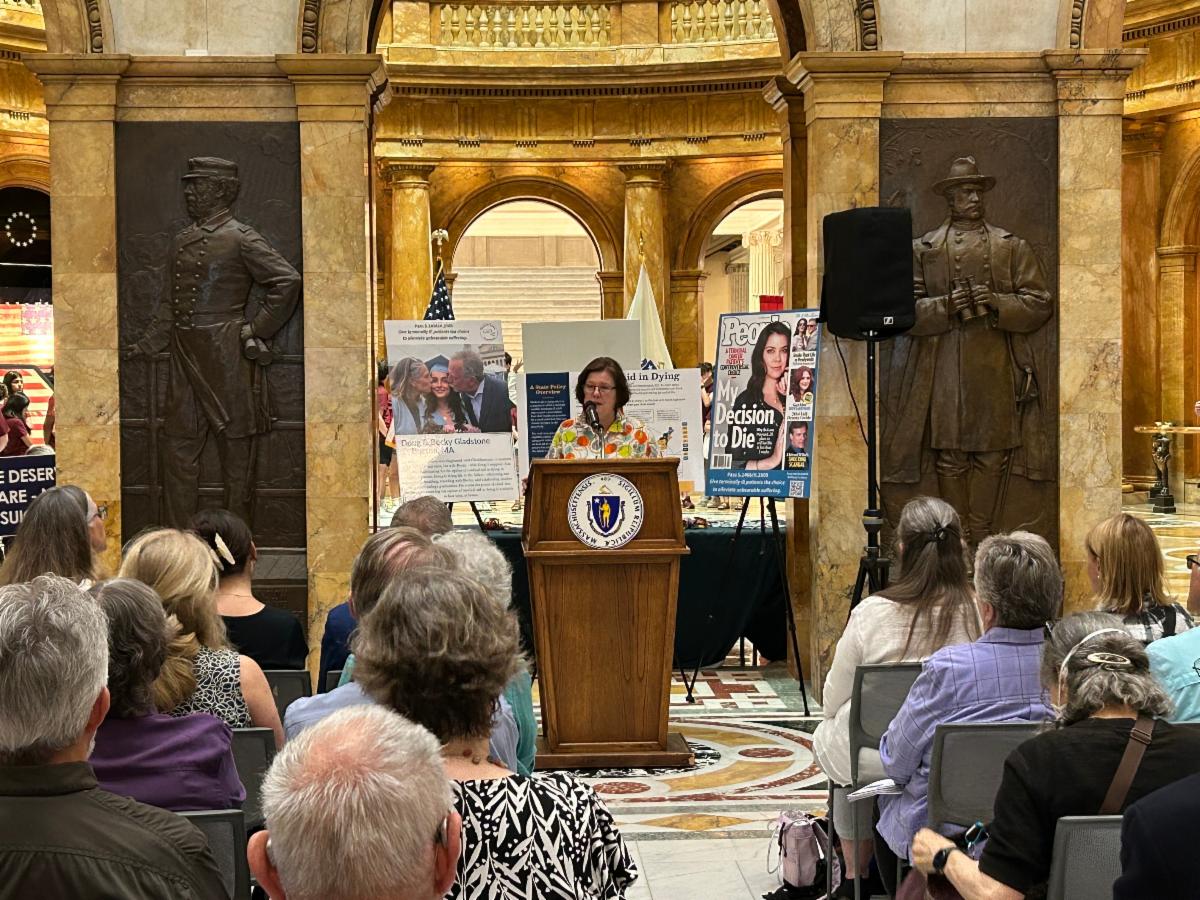
Massachusetts must be the next state to pass this law. Nearly 80% of Massachusetts residents support medical aid in dying, with important safeguards included in the legislation I file. There is not a day that goes by that I do not hear from constituents with their support for the End of Life Options Act.
I lead this work in the Senate alongside my colleagues Senators Will Brownsberger, Dylan Fernandes, and Jake Oliveira.
On June 11, I spoke at a Lobby Day in support of the legislation (pictured below).
The Senate version of the bill has been reported favorably by both the Public Health Committee and the Health Care Financing Committee, and it is now before the Senate Ways and Means Committee.
Arm in arm with you, we will keep moving closer to passing medical aid in dying in Massachusetts.
| | |
Office hours in July — Constituent Services Director Jessie Cooley will be hosting remote office hours via Zoom on Tuesday, July 21, 2026 from 11 a.m. to 1 p.m. Sign up here. Thanks to Jessie for leading!
And REMEMBER to participate in the PILOT listening sessions (outlined above).
| | |
We could go on, but we'll stop here and send our love to you.
Jo, Rachel, Jared, Katelyn, Elena, and Jessie
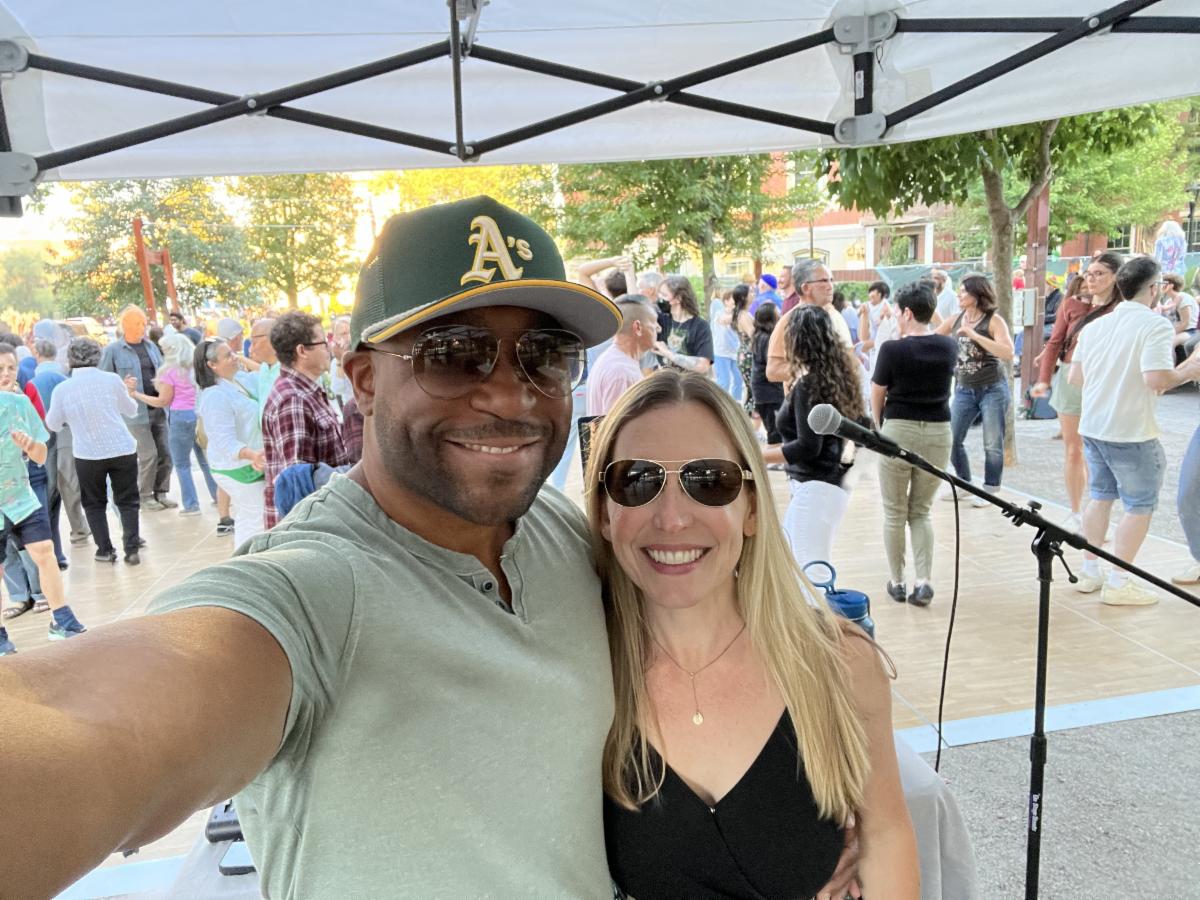
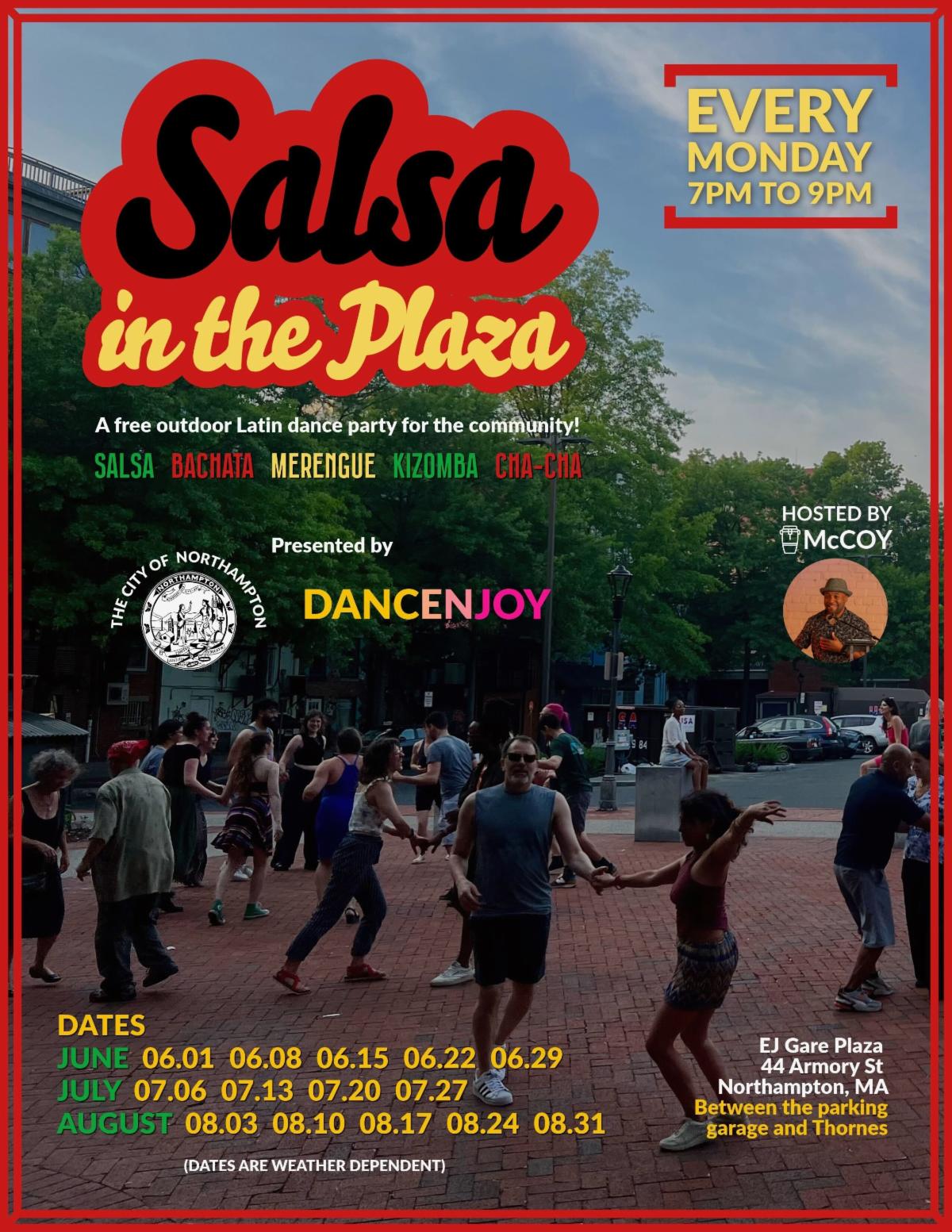
| | P.S. Constituent Services Director Jessie Cooley and her fabulous partner McCoy are teaming up this summer to host “Salsa in the Plaza,” a free outdoor Latin dance party for the community! Join in at EJ Gare Plaza in Northampton every Monday this summer to get your groove on. Free to all, and no prior dance experience required! I'm absolutely going soon. More here: https://www.facebook.com/share/1AK7s6cKEy/?mibextid=wwXIfr. | |
| Did you find the content of this email useful? | | | | |
Boston office
(617) 722-1532
State House
Room 410
24 Beacon Street
Boston, MA 02133
| |
Amherst office
(413) 367-4656
UMass Amherst
| | Please send all mail correspondence to the Boston office. | | | | |