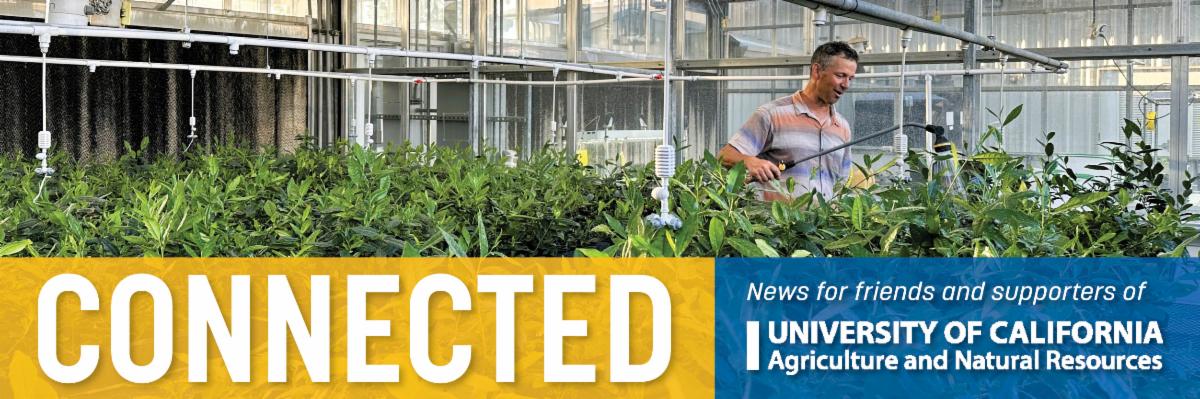
Man uses a sprinkler head to water tea plants in a greenhouse

March 2026 | Volume 10, Number 3

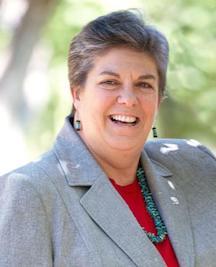
Headshot of Glenda Humiston

The Vantage Point


Glenda Humiston 

Vice President

UC Agriculture and Natural Resources 


I am excited to announce that the groundbreaking California Agricultural Research and Innovation Roadmap was published this month. Informed by feedback from farmers and ranchers across the state, this critical blueprint was developed by UC ANR, the California Department of Food and Agriculture, and academic and industry partners. By following this pathway to innovation, we will address the most pressing challenges facing the ag sector, train and upskill our workforce, and help secure the most productive, prosperous and sustainable future for California.


The roadmap outlines long-term research priorities for the duration of the 10-year plan: Climate Resilience and Environmental Sustainability; Water Management, Use Efficiency and Quality; Integrated Pest and Disease Management; Food Safety and Consumer Health; Technology, Automation and Data-Driven Farming; and Economics, Policy and Adoption Pathways.


At the same time, shorter-term priorities will be readjusted every two years to meet the urgent needs of the agricultural community. The California AgTech Alliance – for which UC ANR serves as a catalyst and convener – will define those priorities and drive the development and adoption of innovative solutions for a wide array of California’s commodities and communities.


The successful navigation of this roadmap relies on each partner, including CDFA, UC ANR, the California State University Agricultural Research Institute, California Community Colleges, Western Growers and the California AgTech Alliance. For our part, we are committed to supporting research projects that align with the roadmap, translating the latest findings for policymakers through the UC ANR Policy Institute, providing technical assistance to producers through Cooperative Extension, and leveraging our Program Teams and academics to focus resources on the areas of greatest need.


My thanks to all of you for fueling and co-piloting these efforts as we continue on this journey toward scientific discovery and practical new applications!


One area where UC ANR can and should lead is the growing bioeconomy. On March 5, I attended the Berkeley Bioeconomy Conference, where scientists, policymakers and entrepreneurs from around the world gathered to discuss an economy based on renewable biological resources.


Biological systems – historically harnessed for food, feed, fiber and fuel – also can be leveraged to sustainably produce bio-based materials and provide a host of goods and services. When developed with care and cross-sector collaboration, the bioeconomy can be a foundation for increasing productivity, boosting rural communities and protecting our water, air and the broader environment.


I had the great honor of speaking on a panel about the state’s bioeconomic development, alongside California Secretary for Natural Resources Wade Crowfoot and agricultural thought leader Robert Bonnie. My gratitude goes out to David Zilberman of UC Berkeley’s Department of Agricultural and Resource Economics for inviting me to participate – and kudos to the many UC ANR-affiliated speakers and panelists for their brilliant insights throughout the conference.


On March 7, I saw the brilliance of young minds at work (and play!) during the annual North Bay Science Discovery Day at the Sonoma County Fairgrounds. I was among the more than 10,000 attendees at the festival, which sparks young people’s wonder and curiosity about science, technology, engineering and mathematics through hands-on activities. I enjoyed perusing the interactive exhibits with Sonoma County Supervisor Chris Coursey, Statewide 4-H Director Kimberly Holmes and Cooperative Extension Area Director Lauren Cartwright. Many thanks to our host Steven Worker, UCCE 4-H youth development advisor, who does a phenomenal job coordinating this community-supported event.


Finally, to learn more about how UC ANR and our land-grant university peers are making a difference, I strongly recommend you check out this impacts database, an essential tool we use to showcase our work to lawmakers and other key audiences. Pam Kan-Rice of UC ANR Strategic Communications was part of a team that reviewed over 1,200 impact statements and selected outstanding stories from across the country to highlight. My thanks to Pam for her contributions, and to everyone behind the research and programs that improve the lives of our fellow community members!

Banner image above: Ryan Puckett of Kearney Agricultural Research and Extension Center waters tea plants in a greenhouse at Kearney REC; photo by Mike Hsu

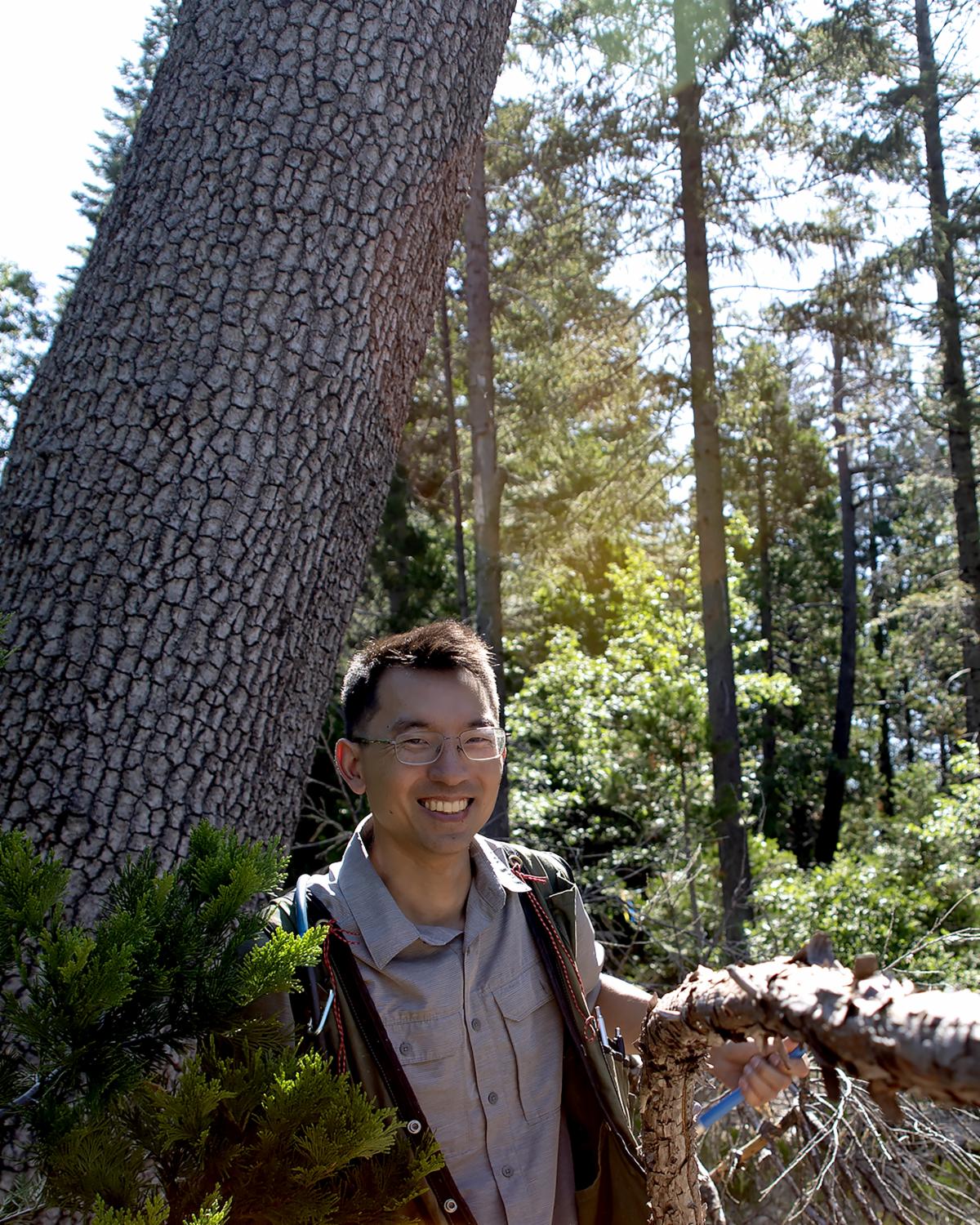
Man in glasses and vest smiles as he stands next to trunk of tree amid conifer forest

In the News


UC ANR was featured in stories on Berkeley grads in rural areas, need for ag research, SoCal grasshopper explosion, heat dome impacts, gas prices and ag sector, forest thinning effects on water, faulty weather apps, climbing beef prices, loss of pay for farmworkers, urban coyotes, World Cup and Olympics heat readiness, coming chaotic weather, heat wave and fire season, olive oil merger, pollination in avocados, rollback of tree monitoring, wildfire and home gardens, U.S.-Mexico border buoys, California food safety net, superlative climate extremes, heat and ski resorts, crisis facing Colorado River, weeds and tomatoes, climate change and El Niño and more.

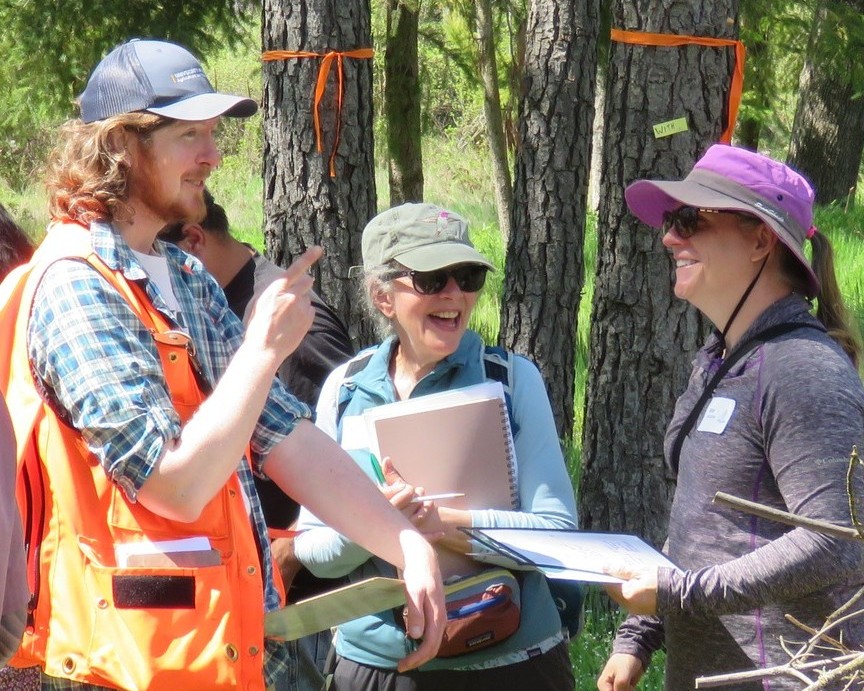
Instructor in blue UC ANR cap and orange vest gestures as he talks with two women wearing sunglasses amid a forest grove

UC ANR news stories


Editor’s Note: Some users are experiencing error messages when opening links to ucanr.edu content. Pasting the URL into a different browser should open the page.


Tree School covering forestry, wildfire resilience offered in Butte, Humboldt counties


UC Master Gardeners help create monarch butterfly habitat, education area in SLO County


CDFA, UC ANR and partners introduce California Agricultural Research and Innovation Roadmap


How do you feel about bioengineered pest control to protect citrus trees?


Sarah-Mae Nelson: A voice of science and hope for Earth's future


U.S.-China trade conflict harms California farming communities


More news stories


Spotlight on Practical Resources

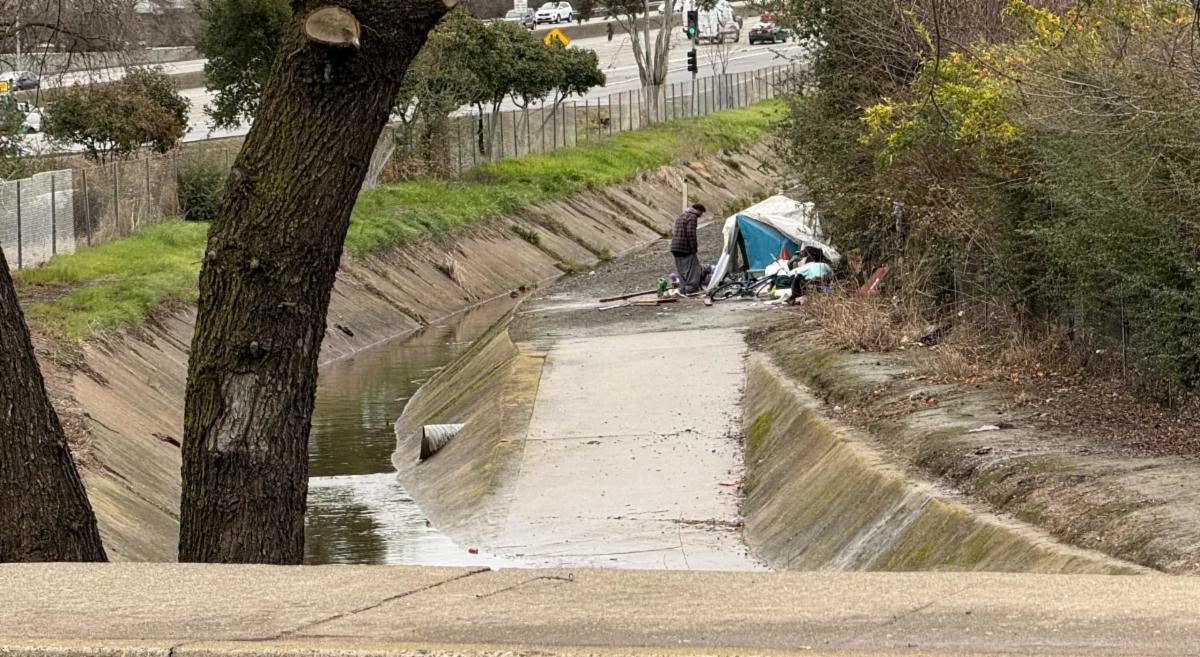
Man stands by a collapsed tent structure next to bushes in an urban stream corridor

Heavy rains threaten homeless people living in 
Bay Area stream corridors

Scientists, including UC Berkeley Professor Greg Pasternack and UC Cooperative Extension advisor Igor Lacan, used data from the Social Vulnerability Index and mapped severe-storm vulnerability of Bay Area census tracts across four socioeconomic themes. Their research reveals areas where additional resources may be most needed, and where timely storm warnings are most critical to ensure people who camp near creeks and rivers are safe from floods. Read article and download fact sheets.


Notes from the Field

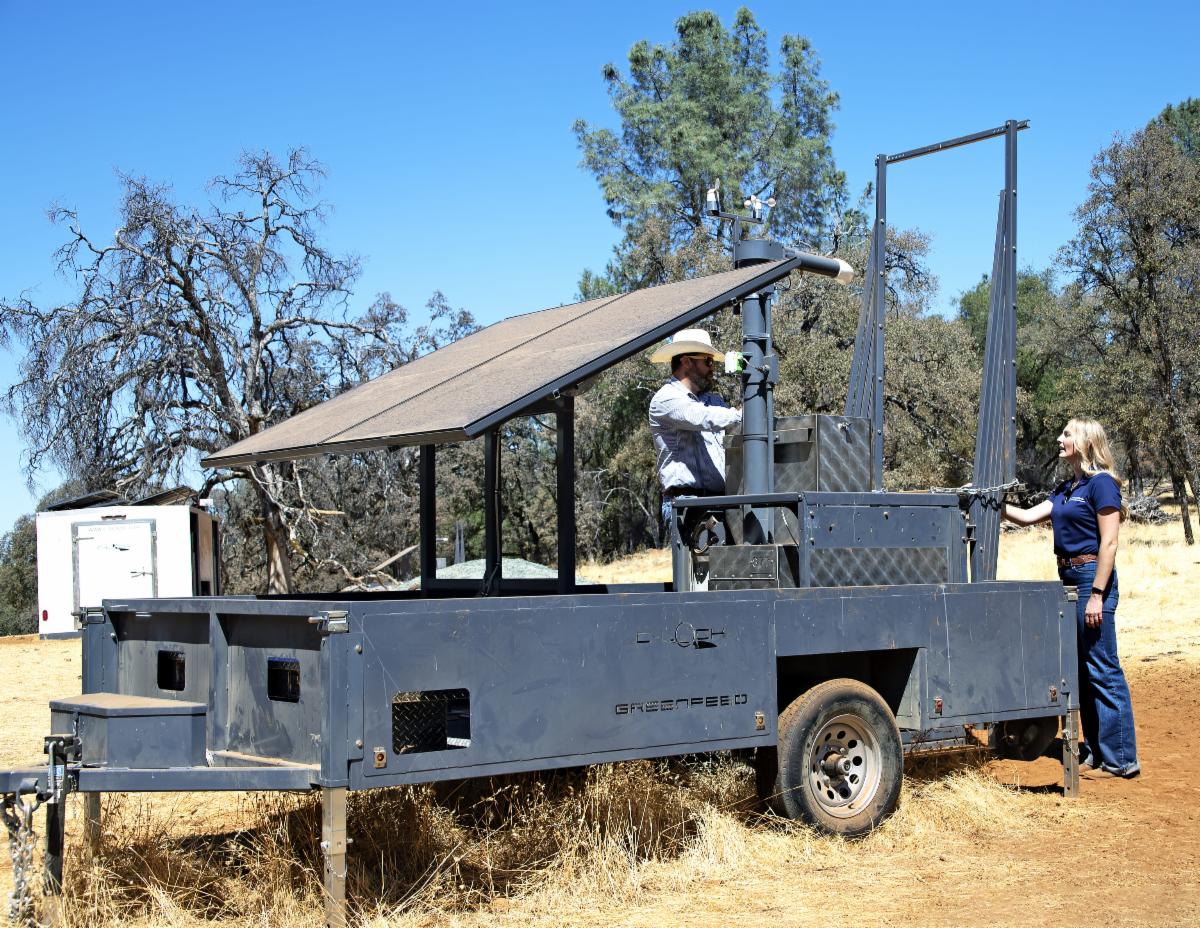
A woman stands next to a Green Feeder trailer, talking with a man wearing a cowboy hat who is in the trailer

Study examines practicality of methane-reducing seaweed for grazing cattle

Previous studies have shown that adding red seaweed (Asparagopsis taxiformis) to beef cattle rations could reduce methane – a potent greenhouse gas – produced by the animals by up to 90%. “The challenge now is finding a reliable method of delivering the seaweed product to cattle grazing on pasture,” said Andrea Warner, a UC Cooperative Extension livestock and natural resources advisor. Warner and her colleagues are doing research at Sierra Foothill Research and Extension Center to study the efficacy and feasibility of the seaweed additive in the rangeland setting. Read article and watch video.

 
Productive Partnerships
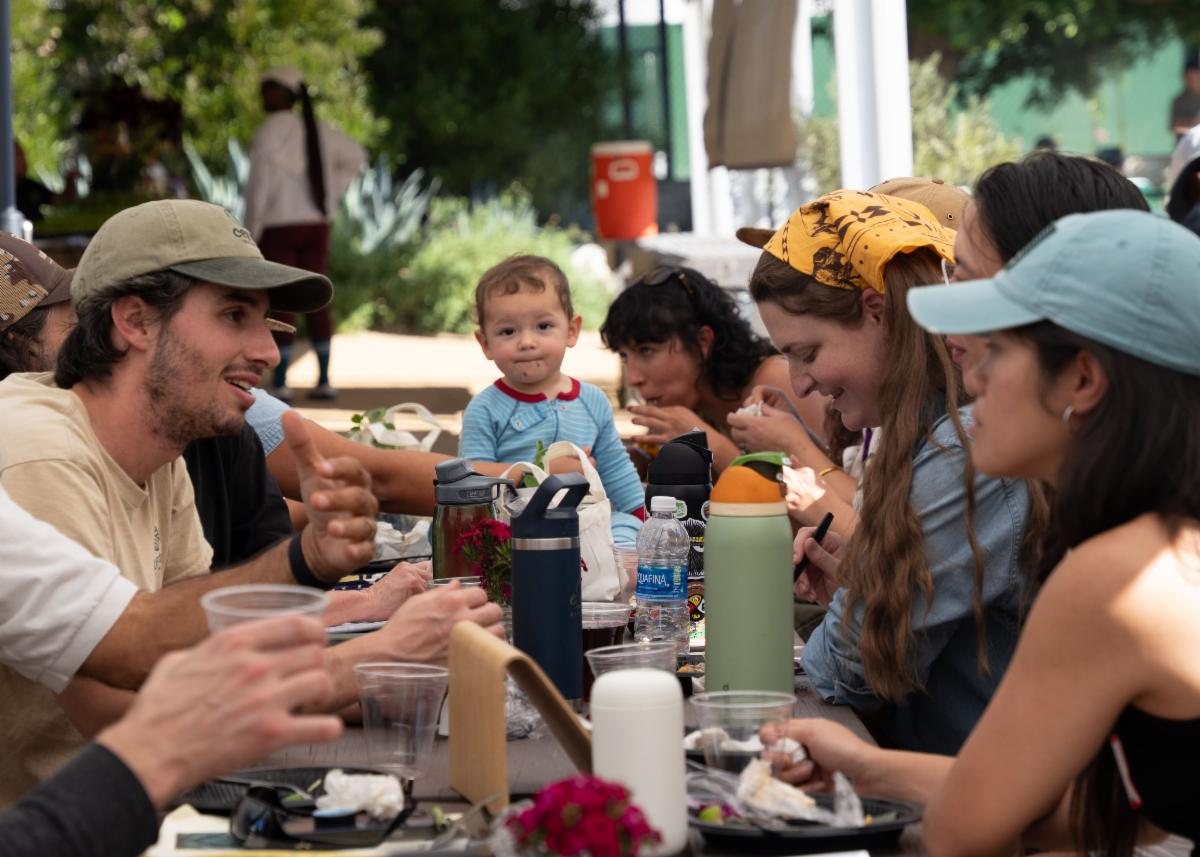
Participants in an agritourism workshop sit and converse at a table while a young child looks directly at the camera

Agritourism is trending; 
UC ANR helps urban farmers make it happen IRL

Last month, the UC ANR Climate and Land Equity (CALE) Project hosted a free agritourism workshop at Alma Backyard Farms, an urban farm in Compton. Organized alongside the LA Food Policy Council’s Cultivating Farmers program, the workshop focused on facilitating agritourism in urban areas. Rachael Callahan, statewide agritourism coordinator for the UC Sustainable Agriculture Research and Education Program, shared insights and candid advice with the participants. Read full story.

 
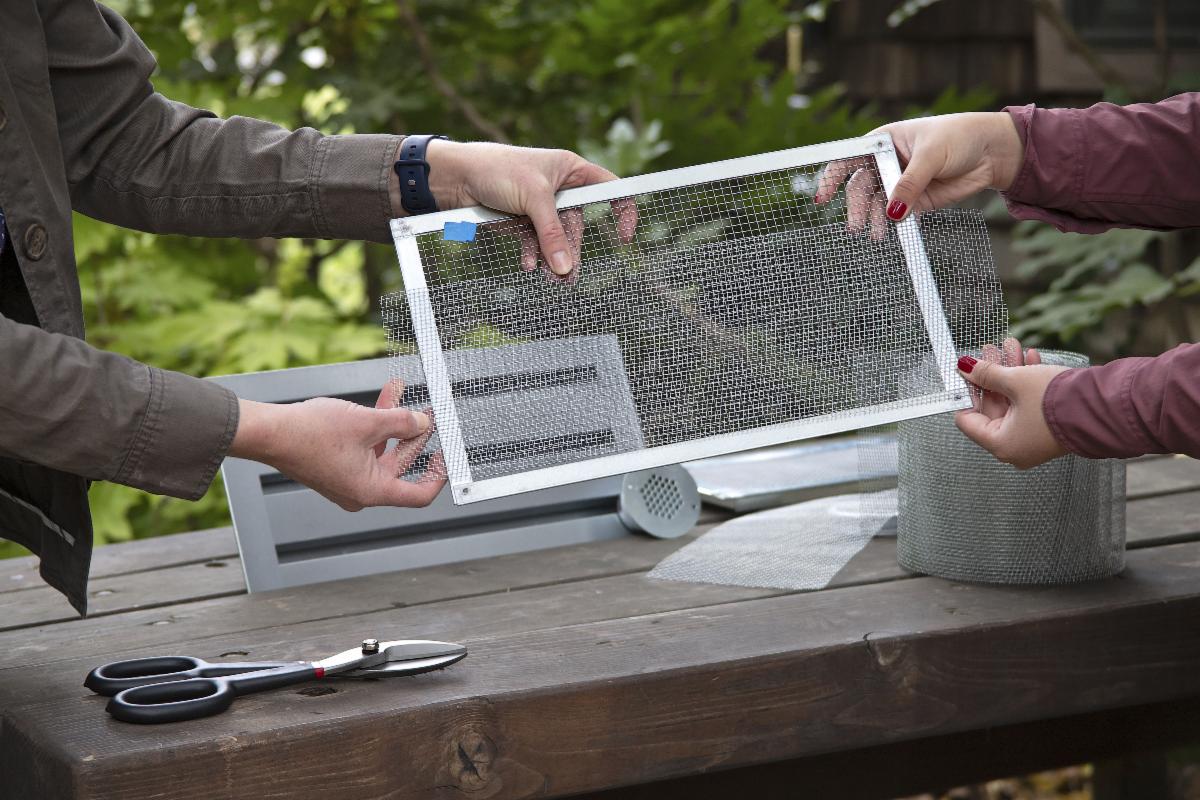
Two pairs of hands hold a fine mesh screen that should be used to keep fire embers out

Central Sierra: Effective 
Wildfire Resiliency

April 4, 10:30 a.m.-1:30 p.m.

El Dorado County Library, Placerville Branch

345 Fair Lane, Placerville, CA 95667

Brought to you by UC Master Gardeners of El Dorado County, this event will show you how to greatly reduce the chance that a devastating wildfire will wipe out your home. See physical examples of items to incorporate and hear about the latest research on what actually works. Registration is requested as space is limited.


Spring Cleaning: Where Indoor Pests Could Be Hiding

Online, April 16, Noon-1 p.m.

Are you thinking about spring cleaning and how to tackle that pile of junk in the corner or the best approach to tidying the pantry? This free webinar will go over the common pantry and indoor pests, and also some weird places you might encounter pests that you may not have noticed. Part of the UC Integrated Pest Management Urban and Community IPM Webinar Series. Register for event.


Ag Day at the Capitol

April 21, 11:30 a.m.-1:30 p.m.

West Steps of State Capitol, Sacramento, CA

Don’t miss this beloved annual event highlighting the best of California agriculture! Hosted by the California Department of Food and Agriculture, California Women for Agriculture and the California Foundation for Agriculture in the Classroom, Ag Day features farmers, ranchers, commodity groups and a host of organizations that support the sector. UC ANR will be there, showcasing produce grown at our Research and Extension Centers, 4-H youth programs, UC Master Gardener expertise and UC ANR Innovate technologies. See events details. (Note that 10:30 to 11:30 a.m. is reserved for elected officials and staff; event opens to general public at 11:30 a.m.)


No Backyard, No Problem: Composting with Worms in the City

April 26, 2-3:30 p.m.
San Francisco Public Library, Richmond Branch

351 9th Avenue, San Francisco, CA 94118

If you love gardening but have minimal outdoor space, creating compost to feed your plants can be challenging. But worms can create vermicompost for you, and they can do it in very small spaces – even indoors! In this presentation, find out how to create your own vermicompost using simple materials and kitchen scraps. Hosted by UC Master Gardeners of San Mateo and San Francisco counties. See event details.


See more UC ANR events


Social Media Posts of the Month
 
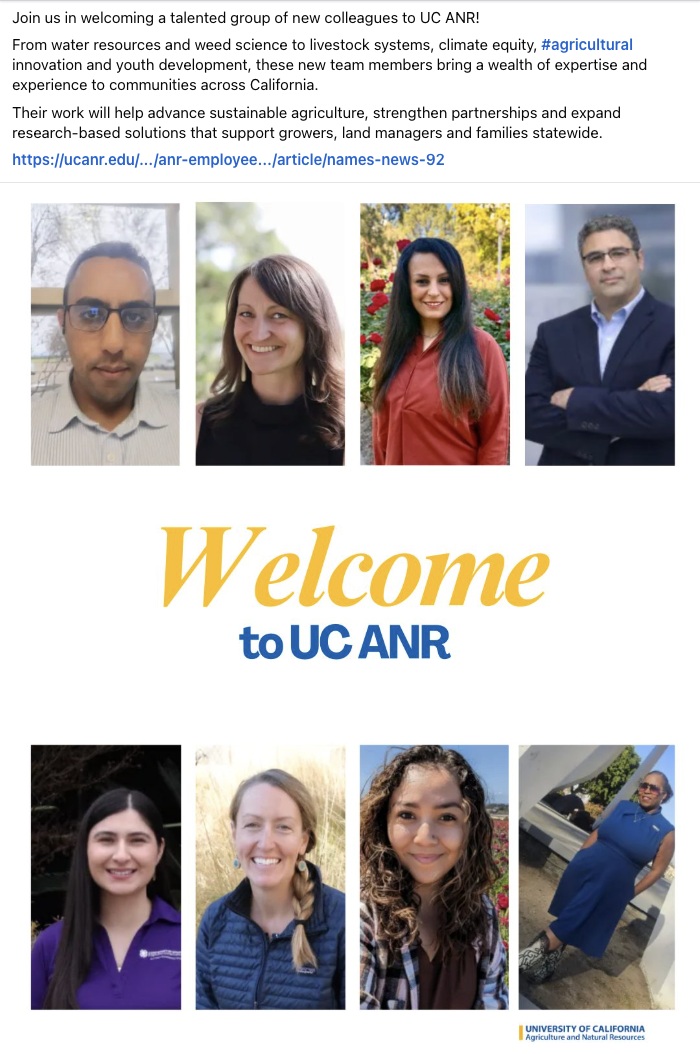
Screengrab of Facebook post about new hires at UC ANR, featuring professional headshots of eight new employees
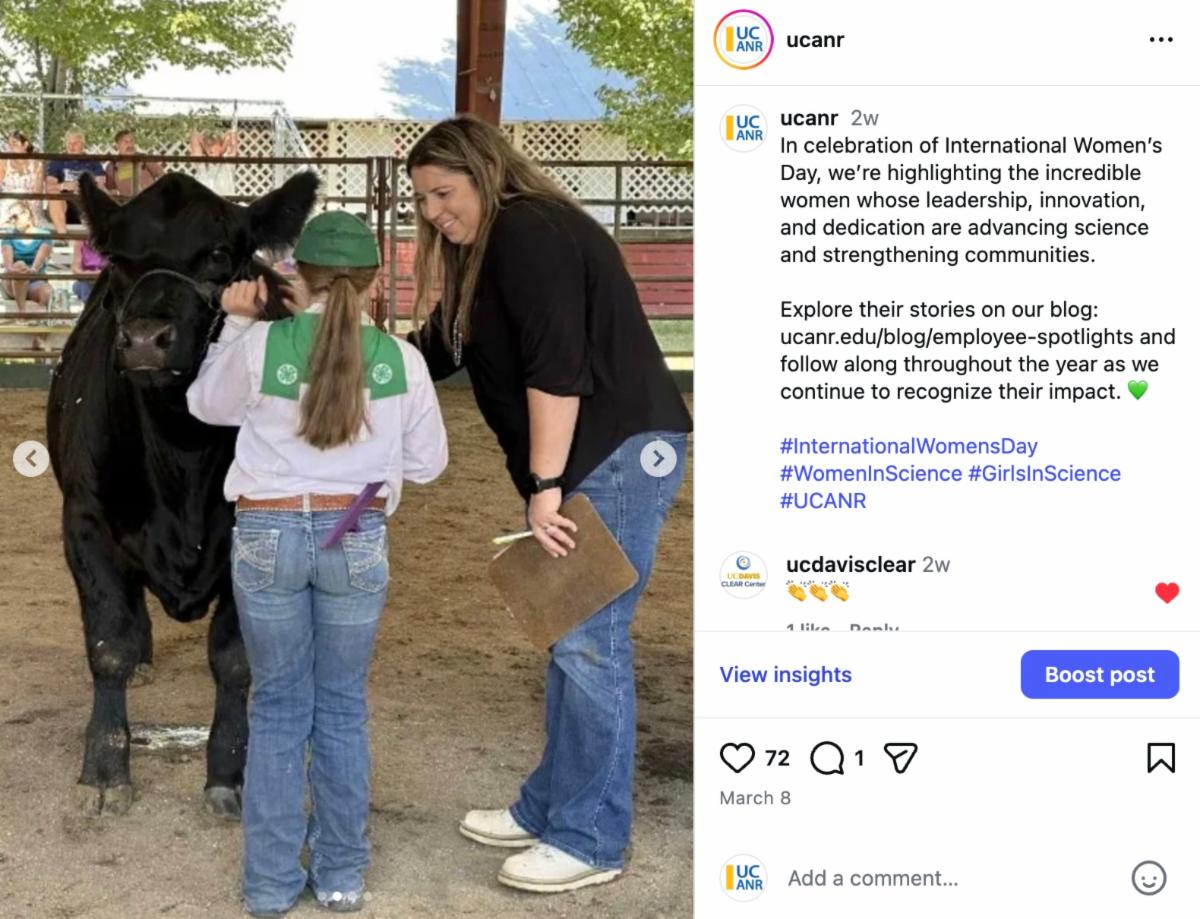
A woman leans forward to talk with a 4-H youth club member who is looking after cattle under a pavilion
 

Follow us on Bluesky, X (Twitter), Facebook, Instagram, YouTube and LinkedIn

for more UC ANR highlights!


Subscribe to our Food blog, Green blog and Healthy Communities blog.


It is the policy of the University of California (UC) and the UC Division of Agriculture & Natural Resources not to engage in discrimination against or harassment of any person in any of its programs or activities.Inquiries regarding nondiscrimination policies may be directed to UC ANR, Affirmative Action Compliance & Title IX Officer, University of California, Agriculture and Natural Resources,
2801 Second Street, Davis, CA 95618, (530) 750-1280, tljordan@ucanr.edu.
 
University of California Agriculture and Natural Resources
2801 Second Street
Davis, CA 95618
Website: ucanr.edu
STAY CONNECTED
Facebook  X  Instagram  Linkedin  Youtube