Strawberries from a variety trial on display

June 2026 | Volume 10, Number 6

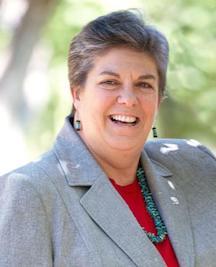
Headshot of Glenda Humiston

The Vantage Point


Glenda Humiston 

Vice President

UC Agriculture and Natural Resources 


This month, we had the pleasure of welcoming UC President James Milliken to our President’s Advisory Commission on Agriculture and Natural Resources meeting. President Milliken expressed great enthusiasm for our work. Given his founding role with The Daugherty Water for Food Global Institute at the University of Nebraska, he was especially interested in our efforts to develop drought-tolerant crops and other adaptations to climate volatility.


Our volunteer commissioners also appreciated his comments on reimagining “how and where UC happens,” beyond the walls of the campuses. With enhanced technology and Cooperative Extension’s strength in local outreach and partnership, President Millken noted that the UC is primed to provide all communities with lifelong learning opportunities and continuous upskilling and training. For example, he emphasized the need to stay abreast of the latest advances in Artificial Intelligence, as the UC must play a vital role in producing and deploying those tools effectively and ethically.


One way AI can benefit agriculture is through machine learning that aids growers and land managers in identifying weeds and pest-infested plants, while reducing the costs of manual monitoring and surveys. Mohsen Mesgaran, an associate professor in the UC Davis Department of Plant Sciences, has collaborated with international partners on several projects that improve early detection of invasive species and damaging pests.


Affiliated with UC ANR as an agInnovation (Agricultural Experiment Station) faculty member at UC Davis, Mesgaran also has worked with UC Cooperative Extension specialist Ali Pourreza on WeedChat, an AI chatbot that answers farmer queries about their weed concerns. For his contributions as a pioneer in this field, Mesgaran recently received the mid-career Award of Excellence in Agricultural Research Innovation from agInnovation-West.


A huge shout-out also goes out to Steven Worker, UCCE 4-H youth development advisor for Sonoma and Napa counties, who was honored with a Western Extension Directors Association Award of Excellence in Extension Programming.


Worker has been at the forefront of STEM (Science, Technology, Engineering and Math) education efforts in his region, cultivating partnerships with the Boys & Girls Club and the YMCA and developing innovative programs where young people explore coding, robotics, 3D printing, drones and more. Under his leadership, the North Bay Science Discovery Day has grown from 1,000 attendees at the 2021 virtual event to more than 10,000 participants in 2026!


I was thrilled to be able to congratulate Steven and Mohsen in person when they received their awards during a ceremony at the joint meeting of agInnovation-West, WEDA and CARET in Hawaii last week. During that gathering, I joined leaders of land-grant universities across the Western region to discuss biosecurity, agritourism opportunities, food as medicine, the mental health and well-being of farmers and – crucially – how to best leverage the funding opportunities of the Research Facilities Act Program.


Investing in agricultural research is investing in our food system that sustains the vitality, security and prosperity of the nation. As the 250th birthday of the United States approaches and we take time to reflect, learn from the past and look to the future, we see that our universities have been essential to our shared prosperity and progress.


The UC – and Cooperative Extension in particular as the expression of our land-grant mission – has been instrumental in making scientific breakthroughs and then helping to apply them to improve the lives of people in California and across the world. Thank you, as always, for your continued support of our work to help feed, strengthen, enrich and inspire our nation. Happy Fourth of July, everyone!

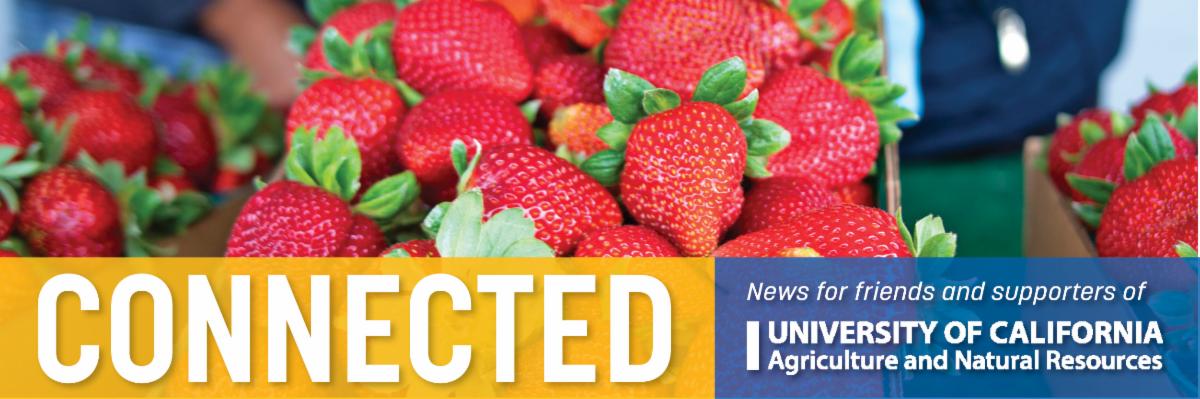
Banner image above: Strawberries harvested during variety trials in collaboration with a Iu Mien farmer; photo by Evett Kilmartin

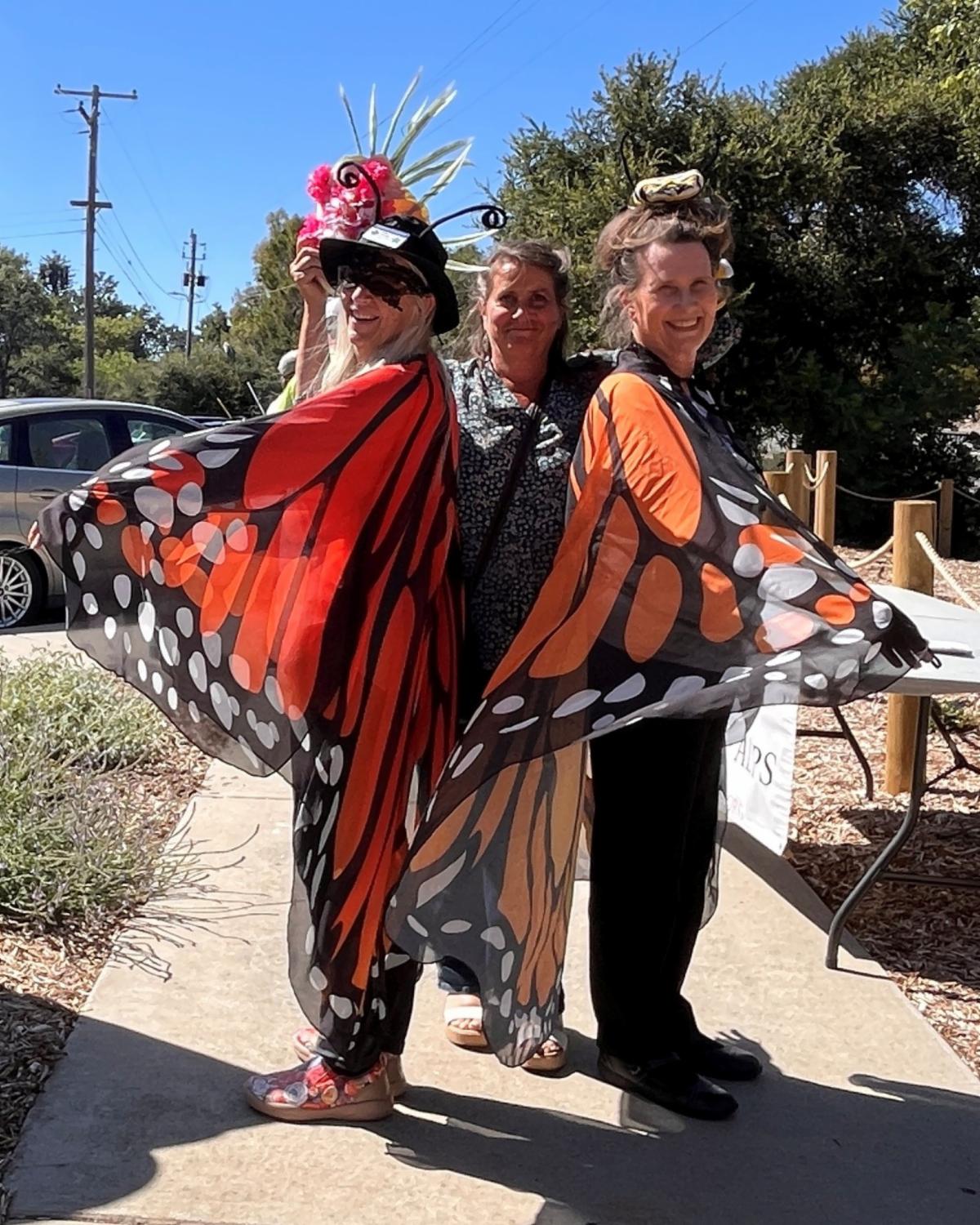
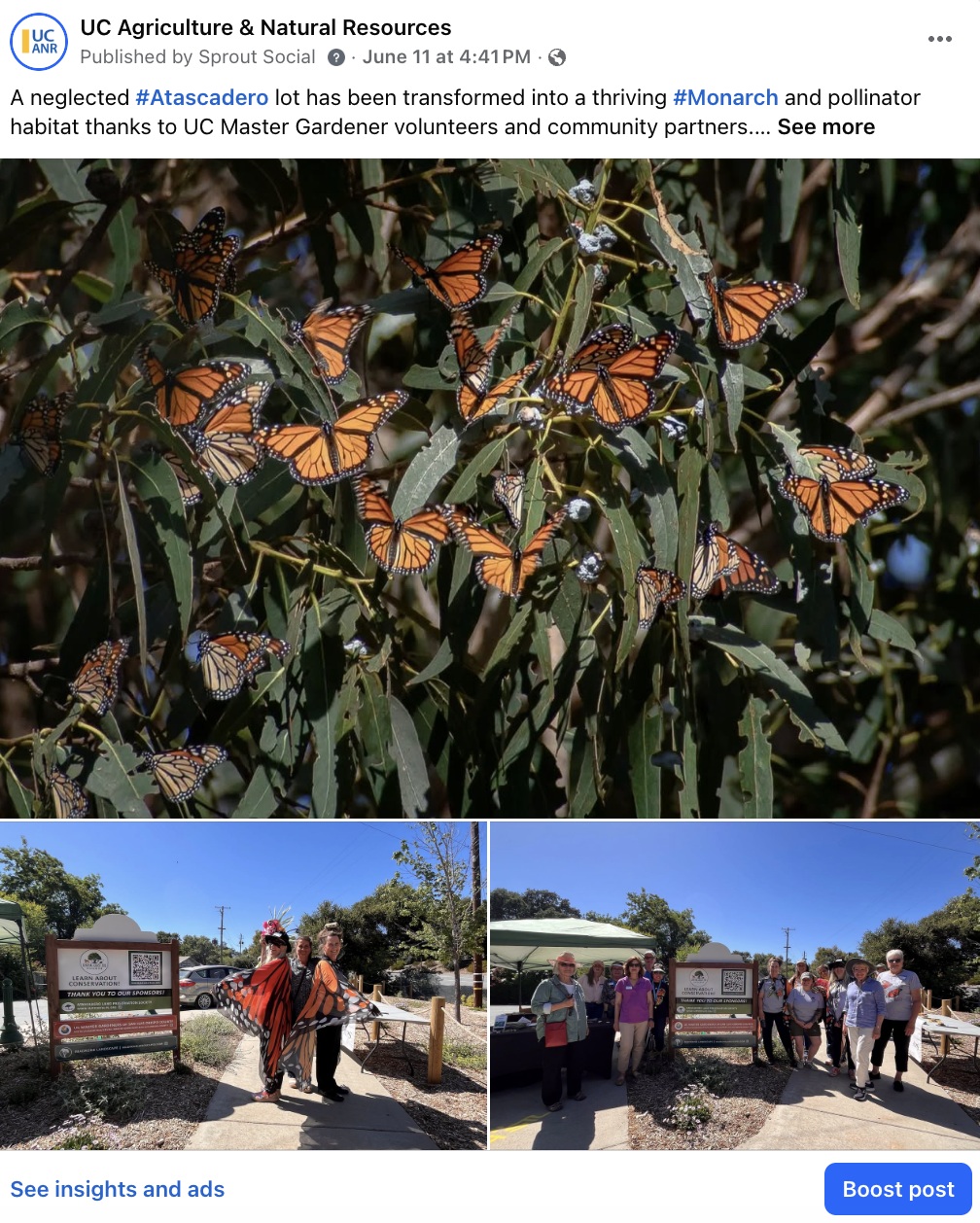
UC Master Gardener volunteers dressed in monarch butterfly costumes pose in a new pollinator garden during a ribbon-cutting event

In the News


UC ANR was featured in stories on a monarch garden ribbon-cutting, media’s 
go-to
climate scientist, western U.S. fire danger, impacts of snow drought, alerts for glassy-winged sharpshooter, potential El Niño flooding, latest on screwworm, cost of droughts, new abandoned orchard law, carceral facilities as new markets, agritourism and small farms, heat wave in Europe, roads and wildfire risk, Harvest of the Month program, prescribed fire benefits, effects of Market Match, climate impacts on home runs, UC agreement with Catalonia, backyard chicken book, new Imperial Valley area director, wildfire salvage into mass timber, UC Master Food Preservers at San Diego County Fair and more.

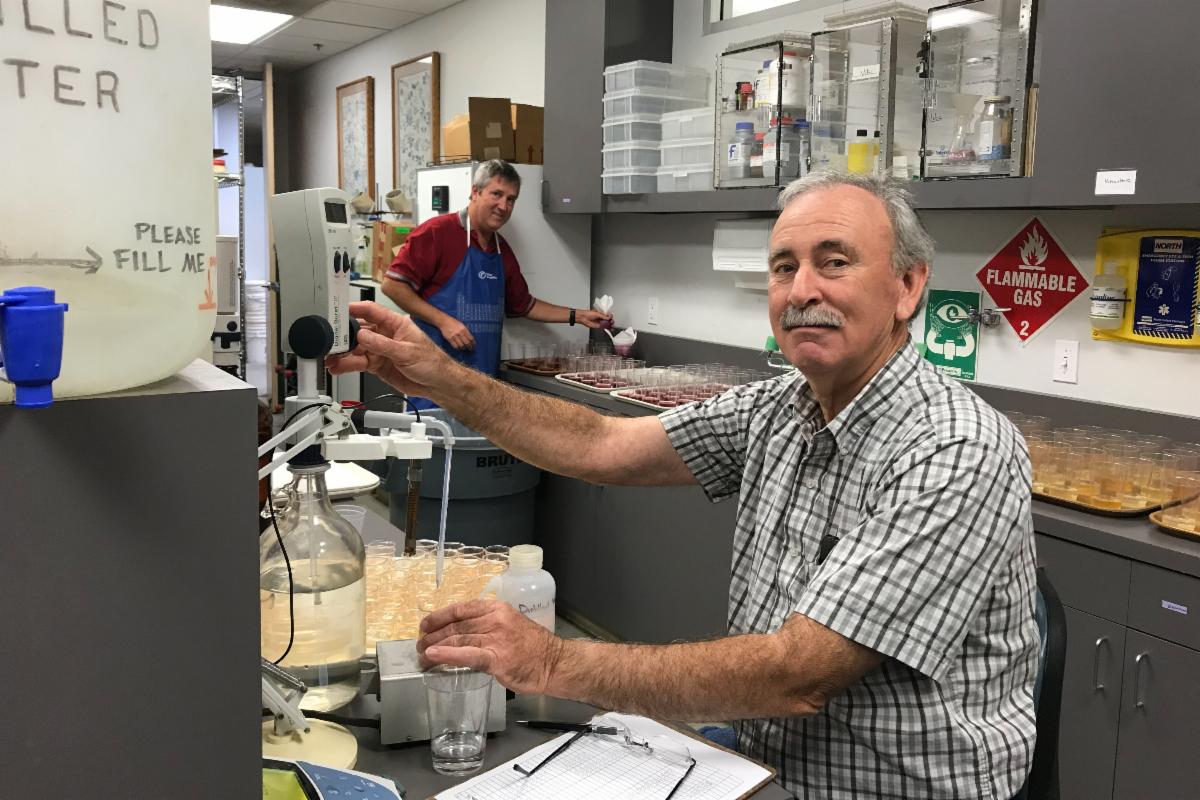
Larry Bettiga, right, works in a lab with technician Evan Oaks in the background

UC ANR news stories


Bettiga, leading light in viticulture, retires after 41 years as UC Cooperative Extension advisor


Central Coast UC Cooperative Extension advisor Larsen retires, known for his word ‘as good as gold’


California, Chile and Argentina scientists to discuss weather variability, farm issues June 23-26


A flesh-eating fly has returned to the U.S. What now?


More news stories


Spotlight on Practical Resources

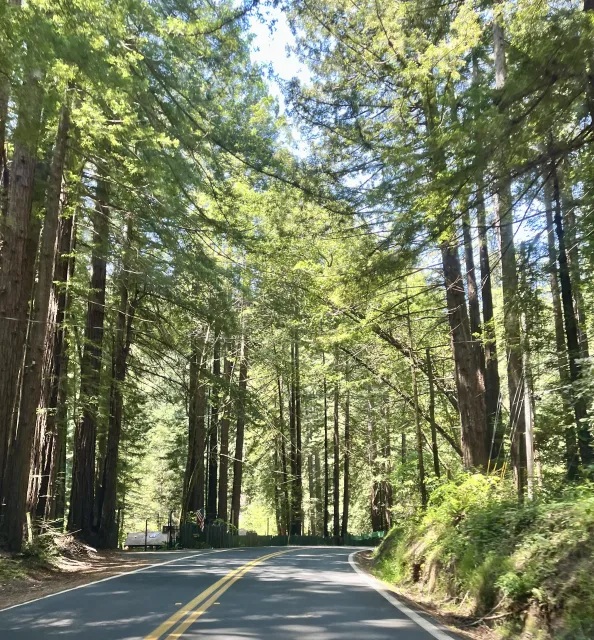
Road winds between towering trees

Six exits to safety: UC study finds wildfire survival depends on roads for evacuation

One of the strongest predictors of wildfire fatalities may be the number of roads out of a community, according to a new study from scientists at the University of California Santa Barbara and UC Cooperative Extension. Their research reveals that a specific number of roads separates high-risk communities from safer ones during a wildfire – six. The scientists also created an interactive map showing the vulnerability of communities across the United States based on the number of roads available for evacuation and wildfire hazard. Learn more about the research.


Notes from the Field

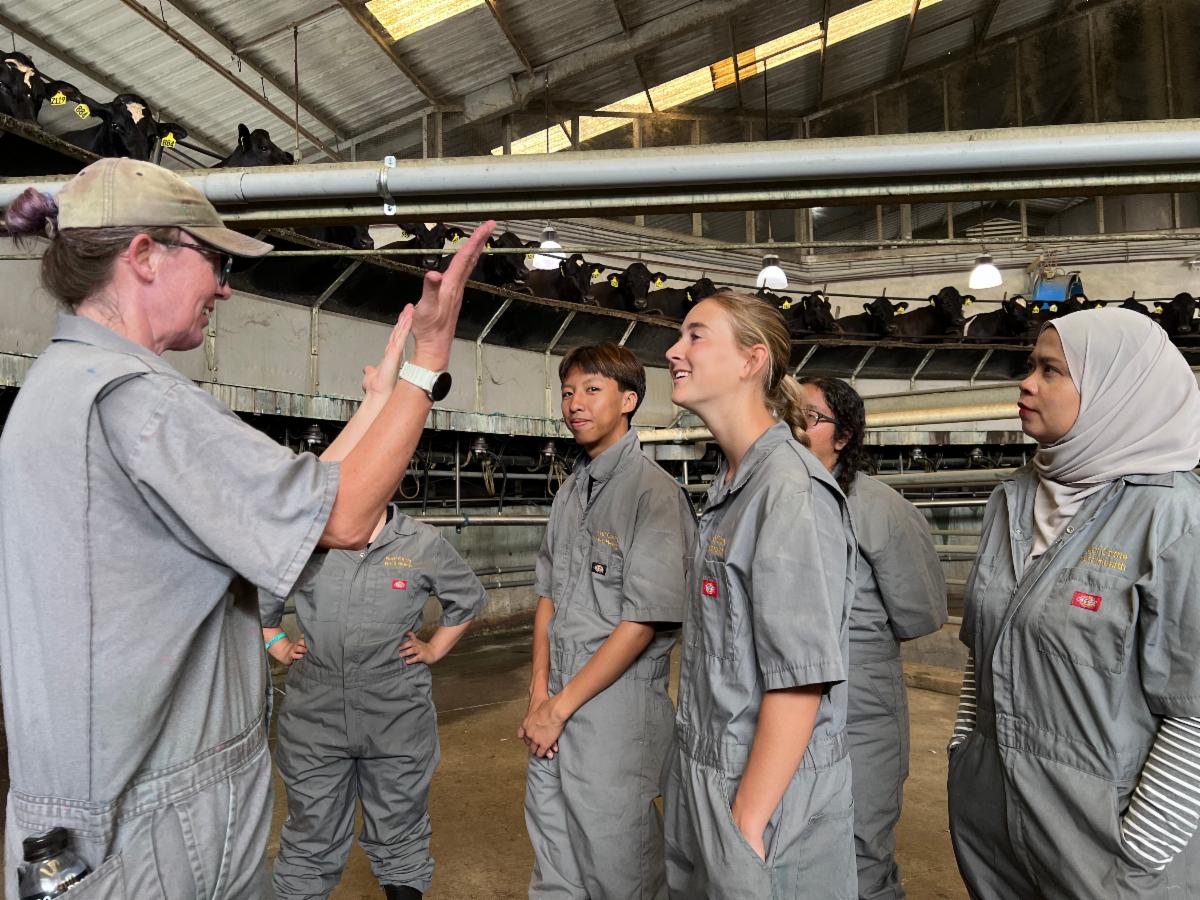
Interns listen to Deniece Williams talk about rotary milking parlors as the cows in the background look on

High school students try their hands as livestock vets to fill need in rural areas

“There are way fewer vets than we need,” said Sharif Aly, professor at the UC Davis Weill School of Veterinary Medicine. “For livestock, especially in rural areas, there are areas with little or no service at all; farms are having to go out of business because they don’t have veterinary health care expertise available.” For the past two years, Aly and Gaby Maier, Cooperative Extension specialist for beef cattle herd health and production at UC Davis, have been leading FarmVet2B, a hands-on internship program for high school students in Tulare County. Learn about the students’ experiences.

 
Productive Partnerships
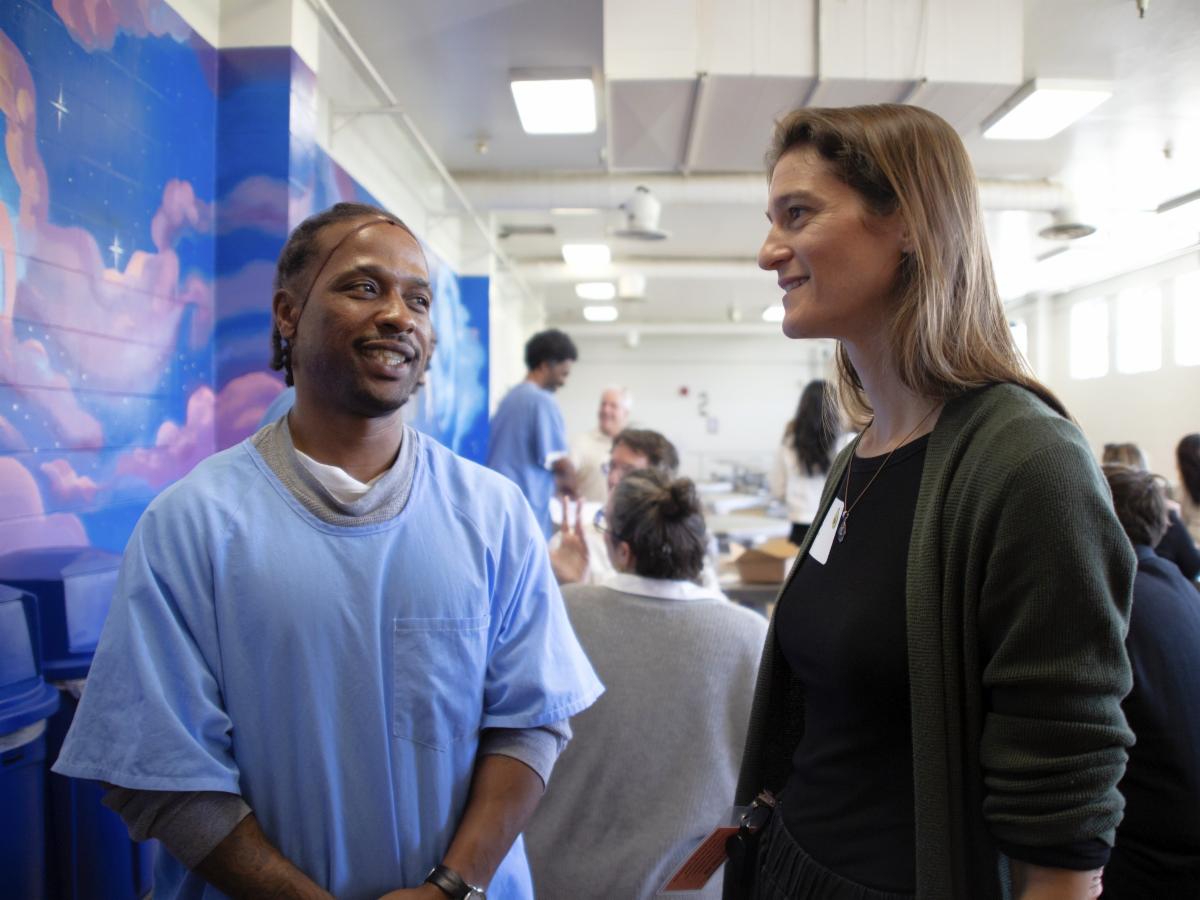
Grower Sarah Weil, left, speaks with an incarcerated resident at California State Prison Solano

‘Farm to corrections’ program benefits California growers, incarcerated people

The result of a cross-sector partnership initiated by UC ANR’s Nutrition Policy Institute, Harvest of the Month is the only program of its kind in a U.S. correctional system. NPI brought aboard the nonprofit Impact Justice and ChangeLab Solutions, and together they partnered with Spork Food Hub and the California Department of Corrections and Rehabilitation. Bringing fresh produce to incarcerated people at all 30 CDCR facilities, the program also helps California farmers by opening a new market, guaranteeing sales and providing stability. Read story and watch video.

 
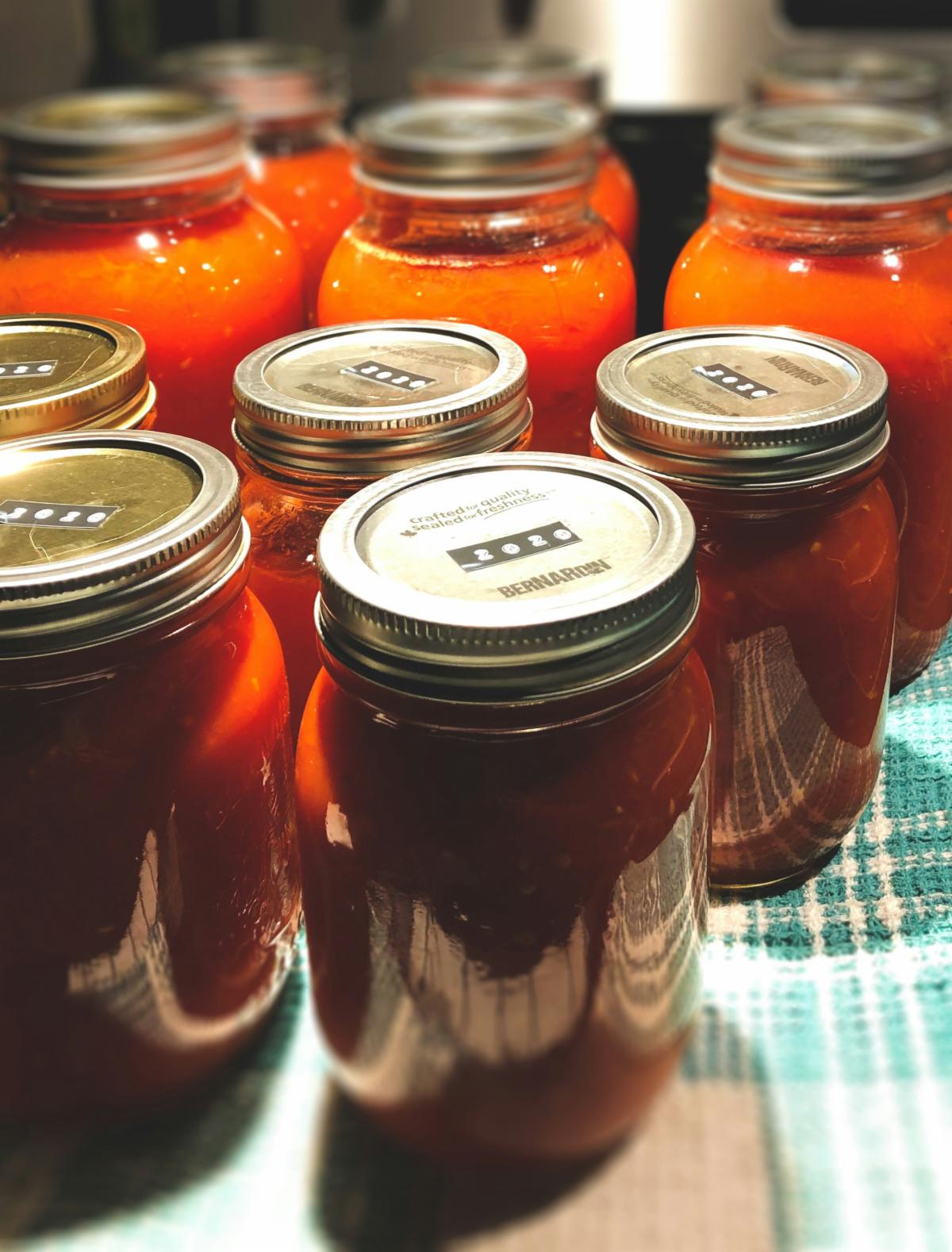
Rows of filled and sealed canning jars

A Beginner’s Guide to Canning 
Jams and Jellies

July 11, 9 a.m.-Noon

Bethell-Delfino Agriculture Building

311 Fair Lane, Placerville, CA 95667

Are you interested in learning home food preservation techniques, but don’t know where to start? UC Master Food Preservers of El Dorado County will teach you how! Come join us for this live demonstration on using home canning equipment and basic methods. This class is suitable for beginners and advanced preservers. Register for event.


Sassy’s 25th Birthday Party

July 11, 10 a.m.-1 p.m.

Elkus Ranch Research and Extension Center

1500 Purisima Creek Road, Half Moon Bay, CA 94019

Sassy the Donkey is turning 25, so come celebrate a quarter-century of sass, brays and barnyard charm! Join us for a fun-filled day with treats, laughs and plenty of birthday love for everyone’s favorite long-eared guest of honor. Bring your smiles and help us make Sassy’s big day extra special! $15 per person; children under the age of 2 are free. Learn more and register for party.


Update on Asian Citrus Psyllid in California

Online, July 16, Noon-1 p.m.

Join citrus IPM (Integrated Pest Management) advisor Sandipa Gautam for an update on the potentially devastating Asian citrus psyllid. Learn about practical ways to limit psyllid infestations in home gardens and landscapes. Part of the Urban and Community IPM Webinar Series, this session will cover identification, management strategies and steps you can take to minimize the spread of this pest. Register for the webinar.


Garden Tool Care and Sharpening Workshop

July 18, 9-10:30 a.m.

San Carlos Community Garden

6460 Boulder Lake Avenue, San Diego, CA 92119

Give your favorite garden tools the care they deserve! Join UC Master Gardener of San Diego County DeLayne Harmon for a hands-on workshop where you’ll learn simple daily habits and seasonal tune-ups that keep tools clean, sharp and rust-free. Watch a live demo and then practice cleaning, sharpening and oiling your tools. Bring one pair of working hand pruners. Advance registration is required.


See more UC ANR events


Social Media Posts of the Month
 
Facebook post showing monarch butterflies clustered on a tree and volunteers celebrating the opening of a new butterfly and pollinator garden
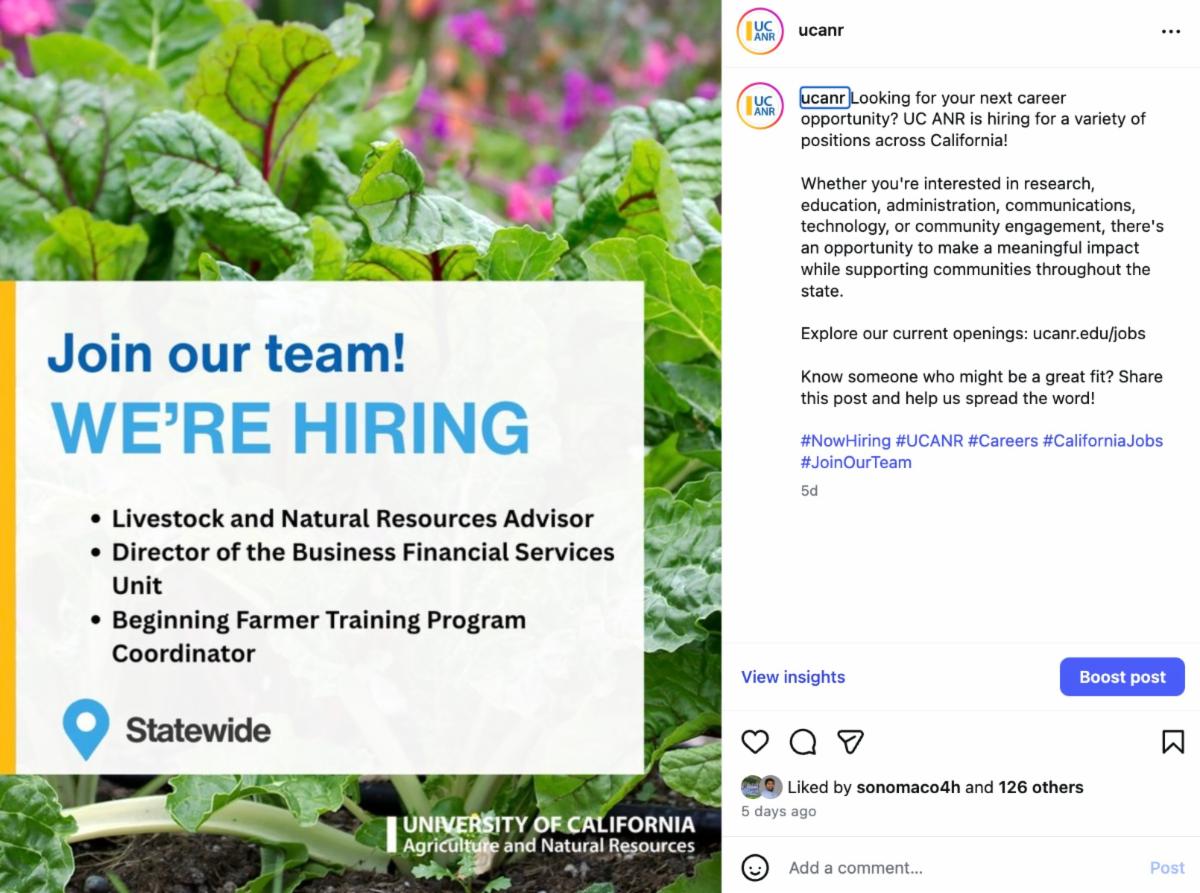
Instagram post with a graphic that says "We're Hiring"
 

Follow us on Bluesky, X (Twitter), Facebook, Instagram, YouTube and LinkedIn

for more UC ANR highlights!


Subscribe to our Food blog, Green blog and Healthy Communities blog.


It is the policy of the University of California (UC) and the UC Division of Agriculture & Natural Resources not to engage in discrimination against or harassment of any person in any of its programs or activities.Inquiries regarding nondiscrimination policies may be directed to UC ANR, Affirmative Action Compliance & Title IX Officer, University of California, Agriculture and Natural Resources,
2801 Second Street, Davis, CA 95618, (530) 750-1280, tljordan@ucanr.edu.
 
University of California Agriculture and Natural Resources
2801 Second Street
Davis, CA 95618
Website: ucanr.edu
STAY CONNECTED
Facebook  X  Instagram  Linkedin  Youtube