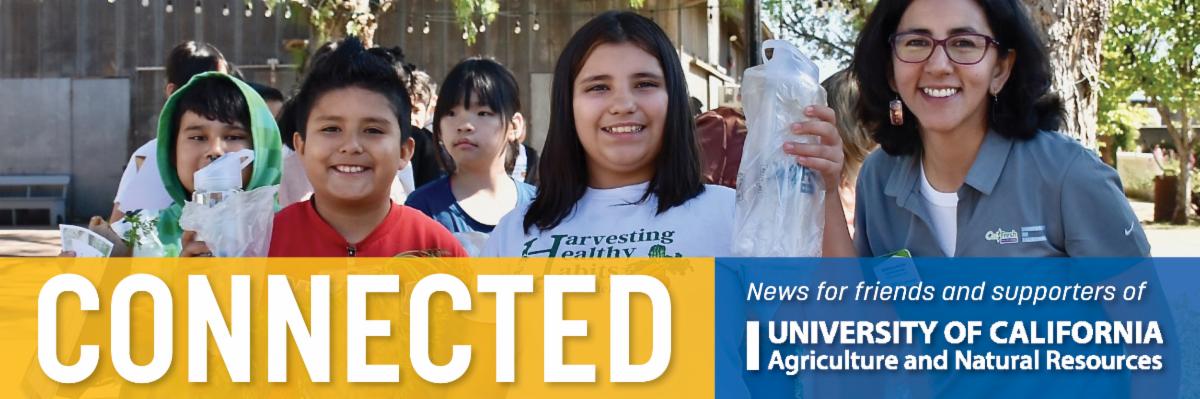
Connected banner image showing CalFresh Healthy Living educator with two kids holding up water bottles in bags

July 2026 | Volume 10, Number 7

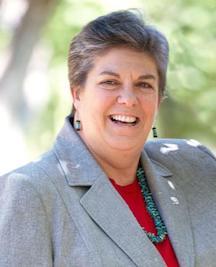
Headshot of Glenda Humiston

The Vantage Point


Glenda Humiston 

Vice President

UC Agriculture and Natural Resources 


Beyond our century-plus history in California, UC Cooperative Extension and UC ANR have had an immeasurable impact on the vitality and prosperity of the entire nation. To mark the 250th birthday of the United States, UC administrators and community members showcased some of UC’s extraordinary contributions to our country at the Board of Regents meeting on July 14. Speakers highlighted how we advance health care, drive innovation, expand opportunity, and support the farmers and ranchers who feed America and the world.


After illustrating how UC ANR reinforces California’s position as the top agricultural state in the U.S., Darren Haver, our interim associate vice president of research and Cooperative Extension, introduced Mark Mason, agricultural manager of Nature’s Reward/Huntington Farms in the Salinas Valley. Mark shared how the data-driven CropManage decision-support tool and insights from UCCE advisor Michael Cahn have helped his operation “do more with less” – scaling back inputs like water and fertilizer and reducing environmental impacts while maintaining productivity.


In addition to lauding collaborations with UCCE scientists (such as plant pathologist Yu-Chen Wang) on crucial variety trials, Mark called our advisors his “fire department” who respond promptly to the “9-1-1” emergencies that threaten the ag sector. As one example, he credited the work of advisor emeritus Richard Smith and his colleagues for guiding lettuce growers through the calamitous outbreak of the impatiens necrotic spot virus, which wiped out entire fields earlier this decade. Our deepest gratitude goes out to Mark for making the trip to San Francisco to tell his story (watch recording) – and for bringing a delicious bounty of romaine, cauliflower, berries and honey from his farm for the Regents to sample!


This week, at the 2026 Western Plant Health Regulatory Conference in Sacramento, Jim Farrar, director of the UC Statewide Integrated Pest Management Program, summarized emerging pest challenges and underscored the need for better monitoring, information-sharing, coordination and response.


I had the great honor of delivering the keynote address at the conference, during which I called out several overarching trends across California agriculture today, including increased demand for sustainably grown and produced food, and also the promising rise of the bioeconomy (read articles by M. Anne Visser, David Zilberman, Sat Darshan Khalsa, Patrick H. Brown and Alexandra Hill in ARE Update to learn more). In my talk, I also emphasized the tremendous opportunities presented by the judicious use of leading-edge technology, including robotics and AI – as well as the need to multiply strengths through novel partnerships across sectors and at the regional scale.


Those themes of innovation and collaboration are at the heart of the F3i Supercomputing Center, a shared resource for growers, startups, researchers and students to process large datasets, train AI models, run simulations and more. Built upon existing infrastructure at Fresno State, the center is also made possible by the technical know-how of the San Diego Supercomputer Center at UC San Diego and the connections and programs of F3i (of which UC ANR is a proud partner).


The center has immense potential to generate real-world solutions for the challenges of pests and diseases, water crises, extreme climate volatility and other pressing issues. As I remarked during the center’s July 9 launch event, I am excited about how this endeavor will not only facilitate much-needed workforce development, but also fundamentally supercharge our work to translate scientific research into practical tools that benefit growers and communities in the Central Valley and beyond.


Finally, I want to extend my heartfelt thanks to all the educators and staff who deliver CalFresh Healthy Living, UCCE programs across California; our CalFresh Healthy Living, UC colleagues who steward the grant and administer our program and evaluation; and the Nutrition Policy Institute researchers who work on CalFresh Healthy Living evaluation as contractors for the California Department of Public Health.


At our May and July UC ANR-wide Town Hall meetings, our community came together to express gratitude toward everyone involved with CalFresh Healthy Living – California’s name for SNAP-Ed, which was ended nationwide when H.R. 1, the “One Big Beautiful Bill Act,” was signed into law last year. While some of these folks have competed for and attained other positions at UC ANR, many will be leaving us in the coming weeks. I want them all to know their passion and dedication have been appreciated by their colleagues and communities – and that their legacy of healthy bodies, minds and spirits will endure in every corner of our state.

Banner image above: West Covina Unified School District fourth graders and educator Ingrid Alarcon (right) celebrate a garden harvest through a CalFresh Healthy Living, UCCE Los Angeles partnership; photo by Dohee Kim

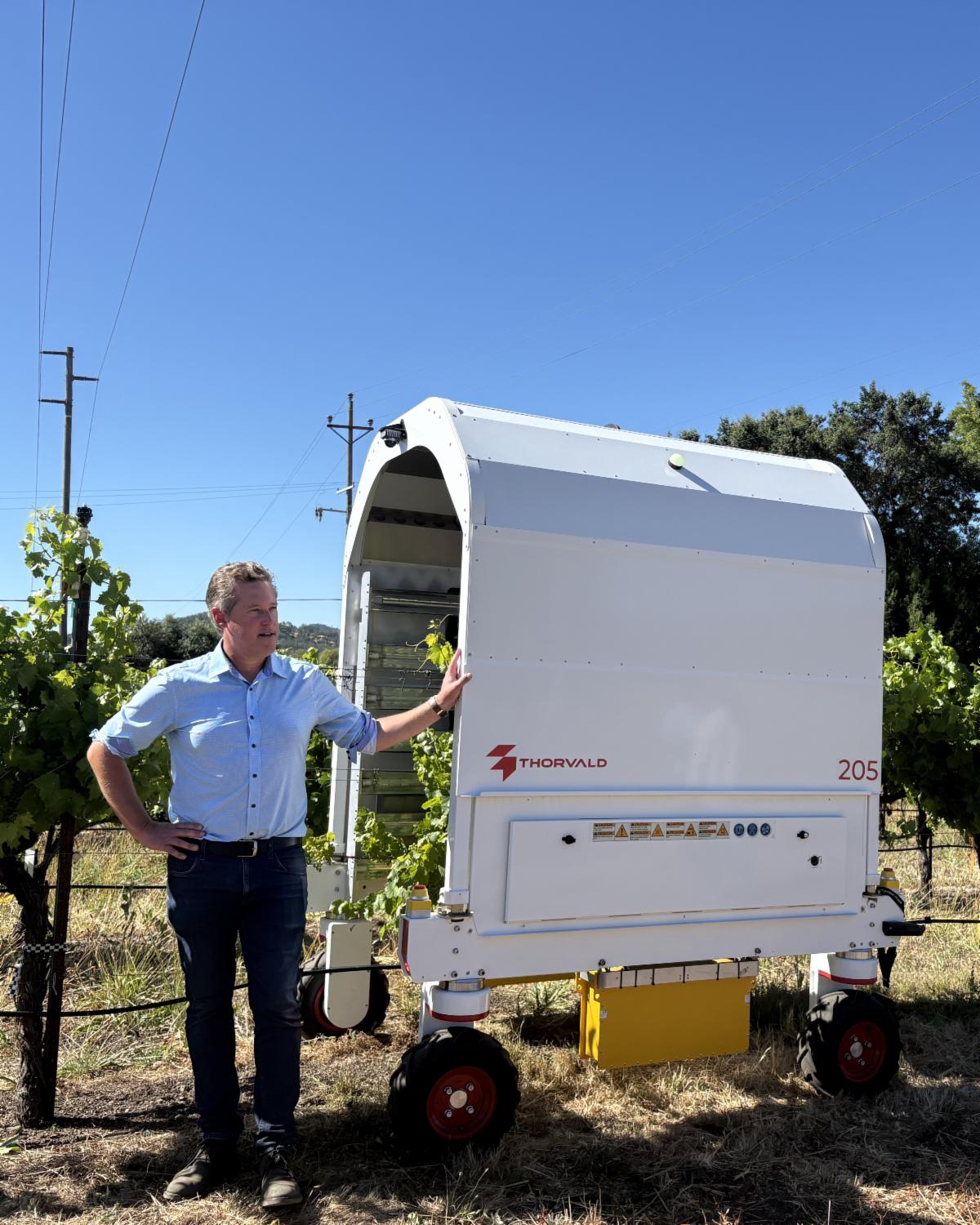
Autonomous robot that treats grapevines with UV-C light to control powdery mildew

In the News


UC ANR was featured in stories on ag tech field day at Hopland, grafted watermelon and pests, citrus research funding, agritourism revenue, rats in the garden, SGMA small-farm impact, vineyard fertilizer costs, uncertain El Niño effects, authenticity of avocado oil products, SF electrical grid, El Niño myths, fire and sequoias, farm bill and peach growers, post-fire garden food safety, gaps in nutrition programs, threat of spotted lanternfly, cattle in wolves’ diet, solutions for manure pollution, innovation in olive harvest, impact of overtime law, LA humidity, growing ginger, saving urban redwoods, misleading weather apps, migratory flight of butterflies, grape growers trying agave, resurrecting climate website and more.

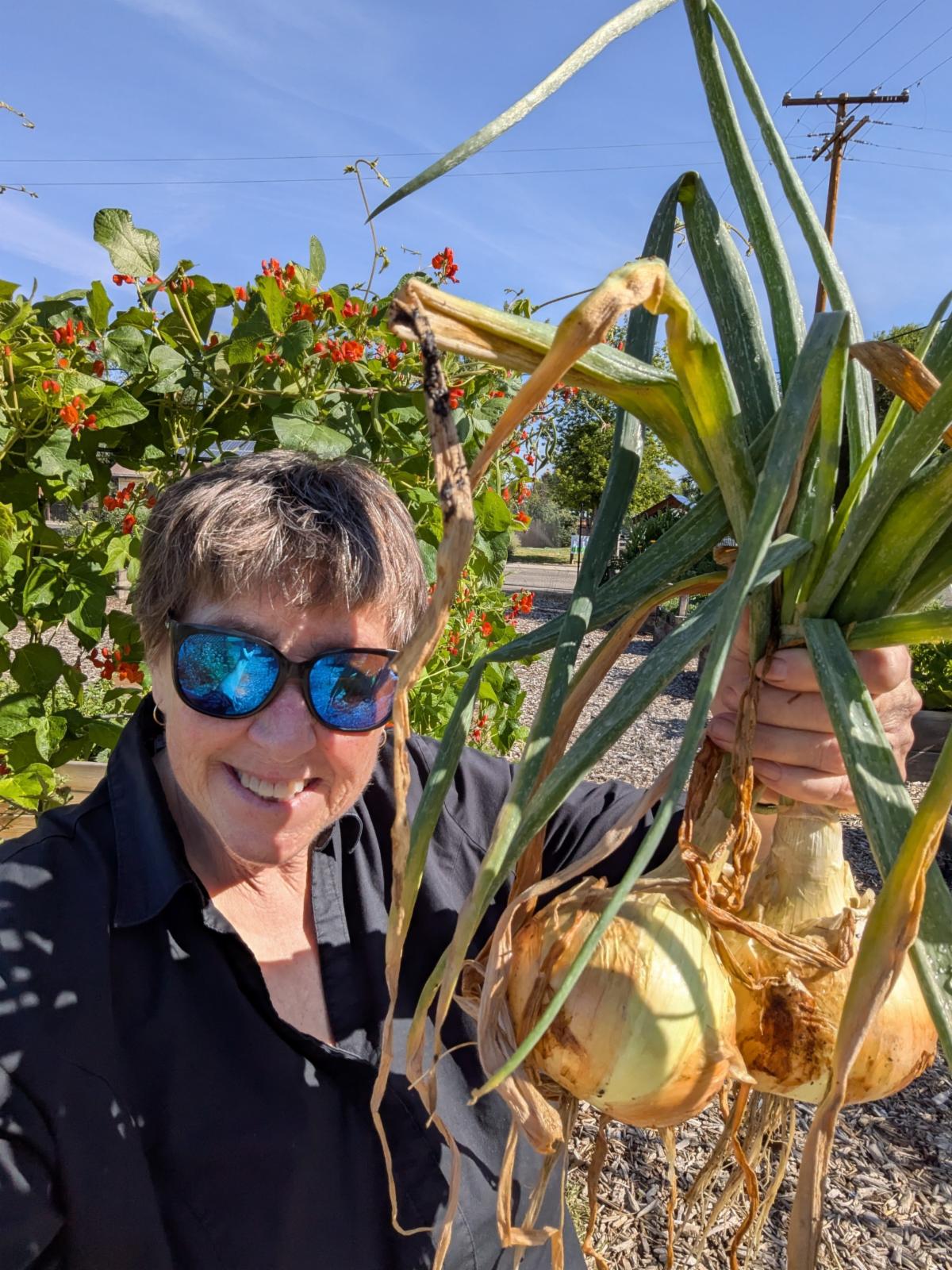
UCCE advisor Laurie "Lio" Wayne holds up Walla Walla onions grown in a community garden

UC ANR news stories


The ‘beautiful gift of learning’: Wayne reflects on journey to farming, UC ANR


Lile retires from UC ANR after 30 years of serving Lassen County ranchers


Lettuce, leafy greens focus of ag tech demonstrations on Salinas Valley farm Aug. 6


UC offers toddlers free milk to study health impacts of whole milk versus low-fat milk


Could bioeconomy unlock new value from existing resources?


That avocado oil chip you’re eating may not be made with pure avocado oil


California wolves feed heavily on cattle, study finds


Winter grain crops help farmers get the most out of the least water


More news stories


Spotlight on Practical Resources

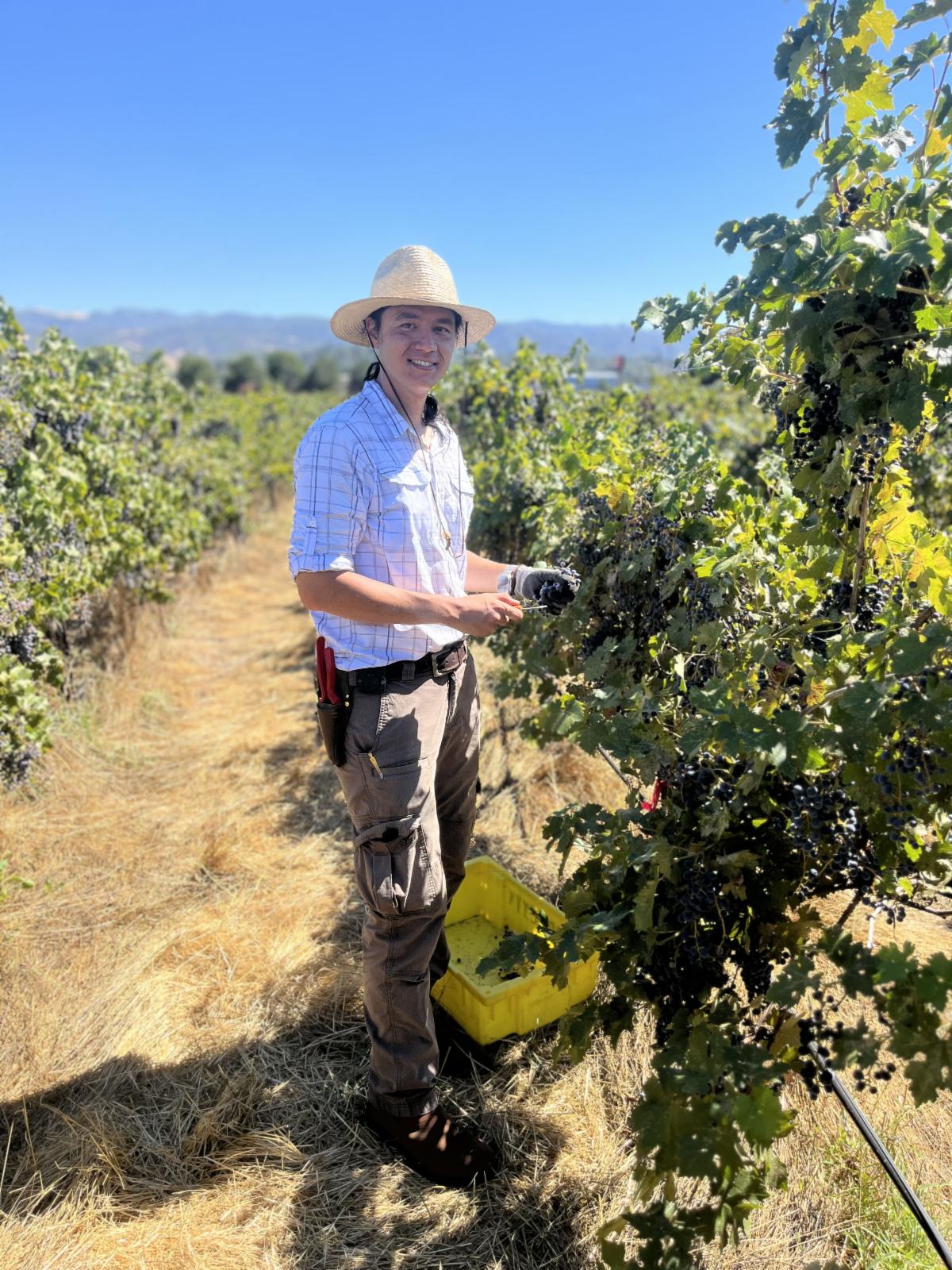
UCCE viticulture advisor Christopher Chen inspects grapes in a vineyard

Can vineyard ‘mothballing’ help growers weather wine market collapse?

Vineyard “mothballing” entails maintaining the vines with minimal labor and inputs (and not harvesting the fruit), with an eye toward rapidly ramping up production in the future.

During hard times, growers typically have two choices, either pull out their vines entirely and replant when the market improves or continue farming as usual, but at a loss. Mothballing can be an attractive “middle road” approach but currently the challenge is the lack of a roadmap. UC Cooperative Extension viticulture advisor Christopher Chen is doing groundbreaking research to chart the best paths for growers. Learn more about the research.


Notes from the Field

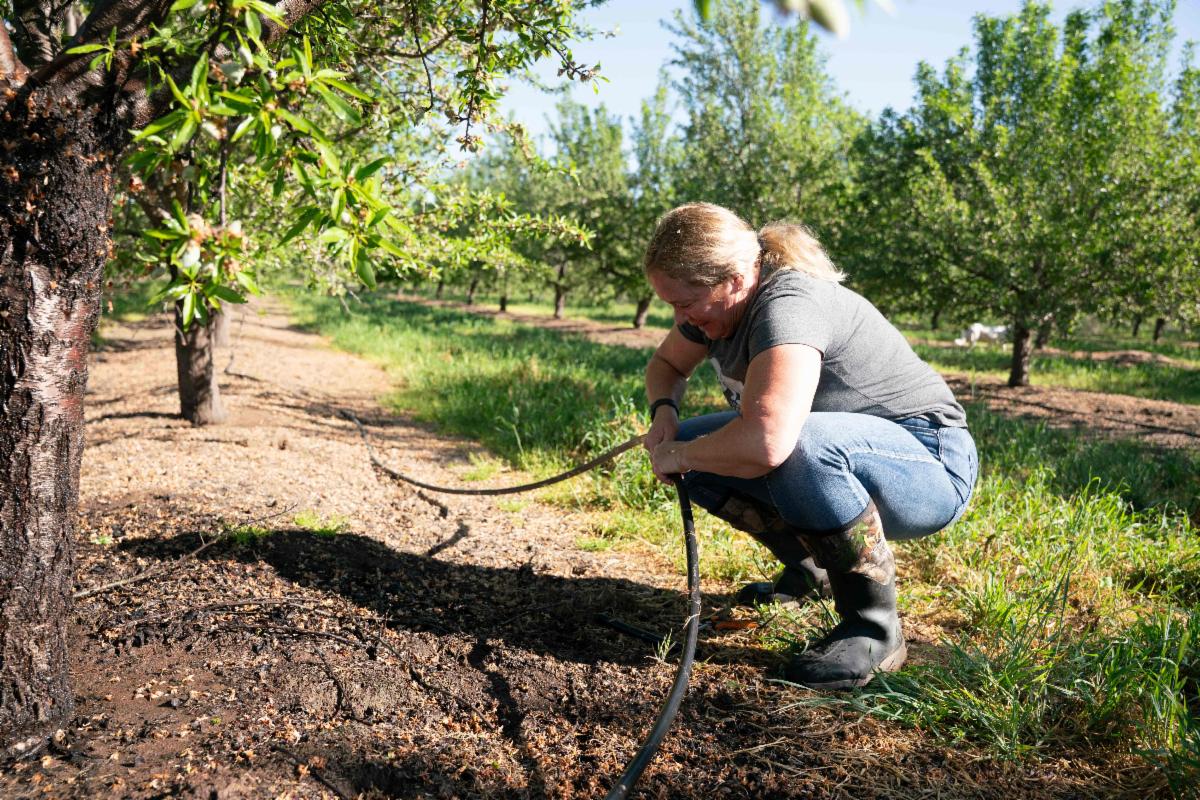
A Fresno County farmer repairs a leak in her irrigation line

Report: Groundwater challenges for California’s small-scale farmers expose regulation risks

Small farms across the state may not be able to comply with groundwater regulations and stay in business, according to a new report analyzing the impact of the Sustainable Groundwater Management Act (SGMA) on small-scale farms. In the first assessment of its kind, researchers at the UC Small Farms Network and the Community Alliance with Family Farmers document the challenges facing small-scale farmers. The report proposes 50 recommendations to protect small farms while valuing these farms as part of long-term groundwater management. Read more on the report’s findings.

 
Productive Partnerships
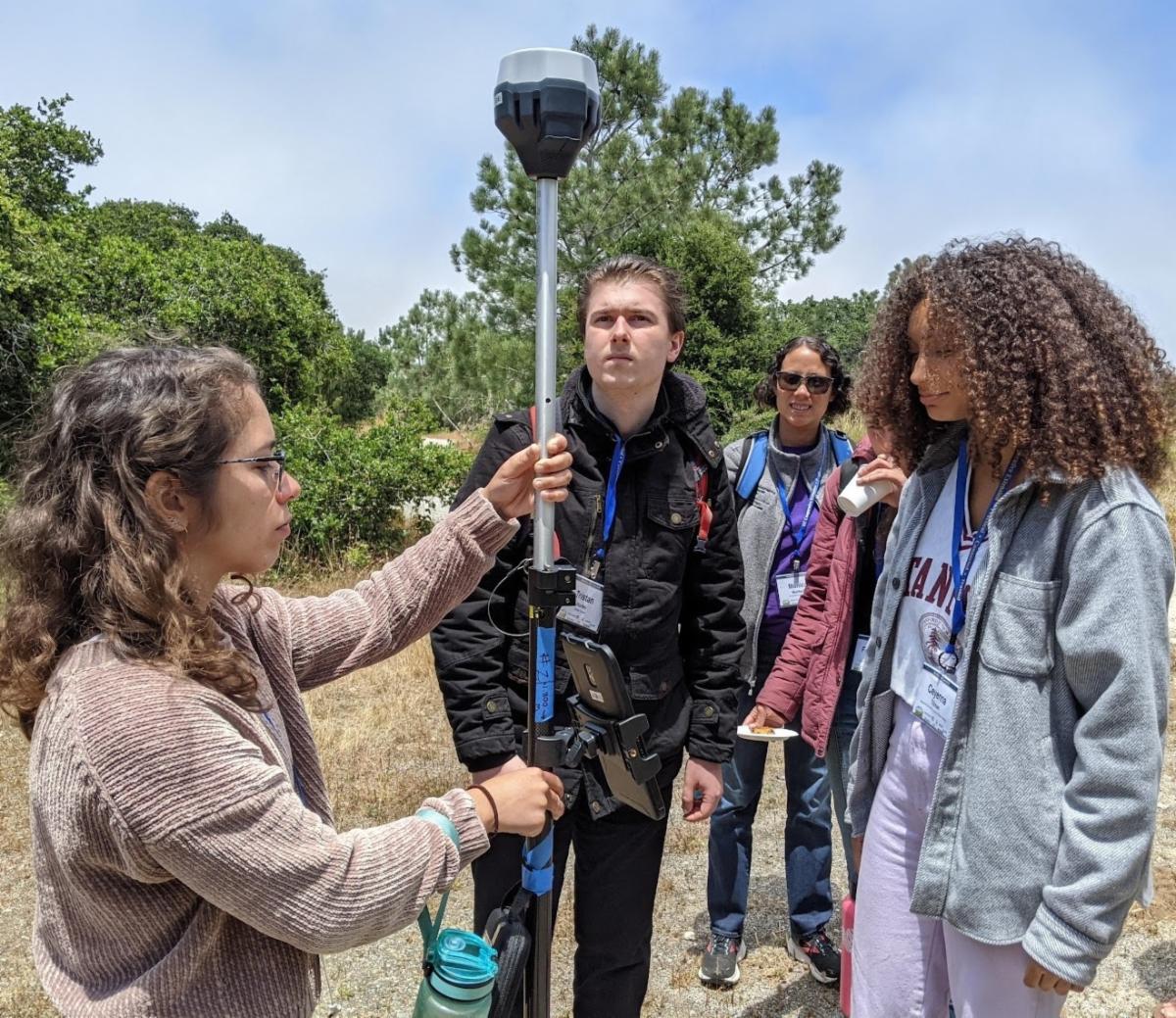
Attendees at DroneCamp learn how to use remote sensing technology

DroneCamp 2026 celebrates 10th year amid new regulations on tech

A collaboration of UC and California State University institutions, DroneCamp is a week-long short course in using drones for mapping, research and education. For the last 10 years, it has expanded access to drones and boosted participants’ confidence in safely using them for new purposes. “The university is the perfect provider for this,” said Andy Lyons, program coordinator with the Informatics and GIS (IGIS) Program at UC ANR. “Part of our mission is to train people on the tools we use in our own research.” Read how DroneCamp is keeping up with changes in tech.

 
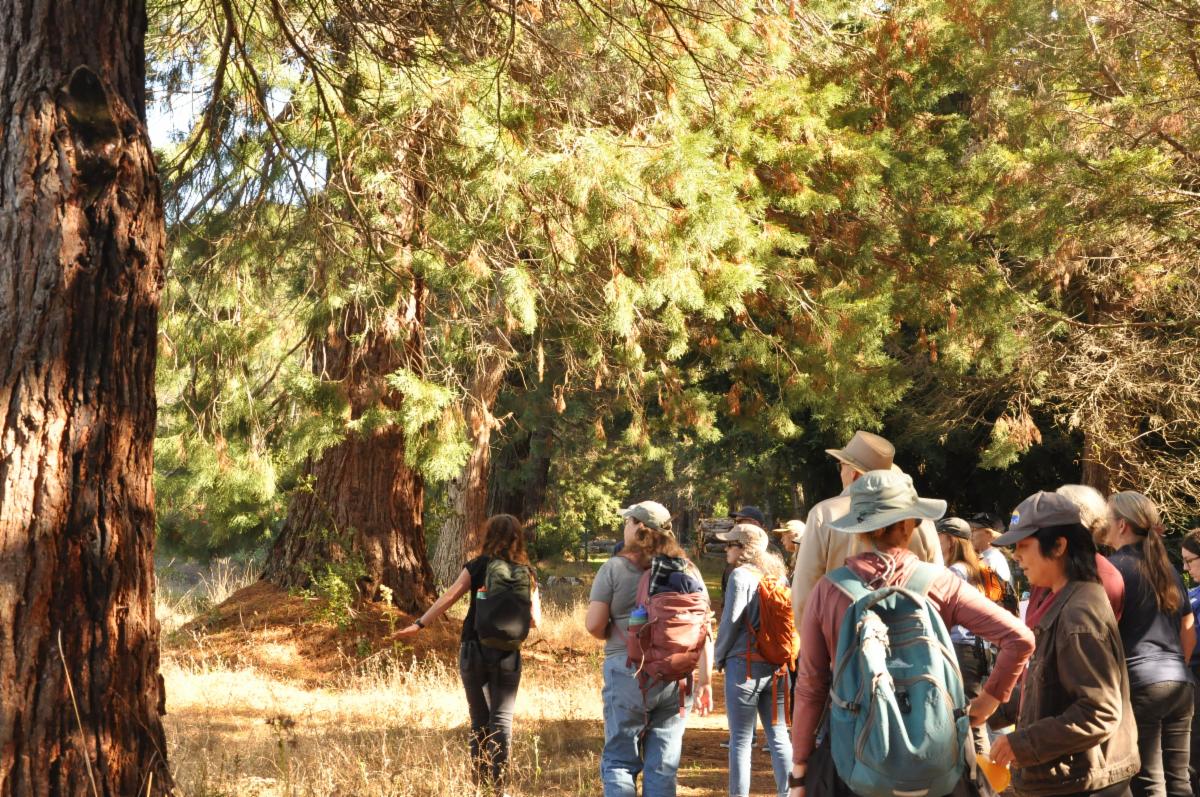
Participants in forest stewardship workshop head into the woods

Forest Stewardship Workshop

Online, Tuesdays from Aug. 4-Sept. 29
In-person Field Day, Aug. 29 (Plumas County)

Forest landowners across California are invited to the next Forest Stewardship workshop, where you will get equipped to better understand and protect your forestland. By participating, you will develop a forest management plan, connect with forestry professionals at UC ANR and become eligible for a free forester site visit on your property. Participants will use online resources to complete learning modules and short activities. Details on workshop.


Preserving Zucchini: Sweet and Savory Possibilities

Online, Aug. 4, 7-8 p.m.

Zucchini is famously abundant...so much so that Aug. 8 is celebrated as “Sneak Some Zucchini Onto Your Neighbor’s Porch Day!” Fortunately, there are many research-based ways to preserve this summer favorite safely for future meals and recipes. Because zucchini is high in water and low in acid, it requires specific preservation methods for both safety and quality. Join UC Master Food Preservers and discover practical ways to make the most of this versatile vegetable. Register for session.


UC Climate Stewards: Cosumnes River Preserve course

Begins Aug. 26

This Climate Stewards certification combines communication training, climate science, participatory science and field-based learning focused on floodplains, wetlands, valley oak riparian forest, vernal pool grasslands and compatible agriculture within the lower Cosumnes watershed. The Cosumnes River Preserve consists of over 50,000 acres of wildlife habitat and agricultural lands owned by seven partners. Details on course.


Common Diseases of Fruit and Landscape Trees 
and How to Manage Them

Online, Aug. 27, 3-4 p.m.

Spots, wilting, dieback, discoloration and unusual growth do not always mean that a plant has an infectious disease. Akif Eskalen, professor of Cooperative Extension in Plant Pathology at UC Davis, will share a practical, science-based approach for recognizing symptoms and signs, distinguishing diseases from environmental or cultural problems, and understanding what can and cannot be diagnosed by sight. Presented by UC Master Gardeners of Yolo and Solano counties, in partnership with the Yolo County Library. Learn more about talk.


See more UC ANR events


Social Media Posts of the Month
 
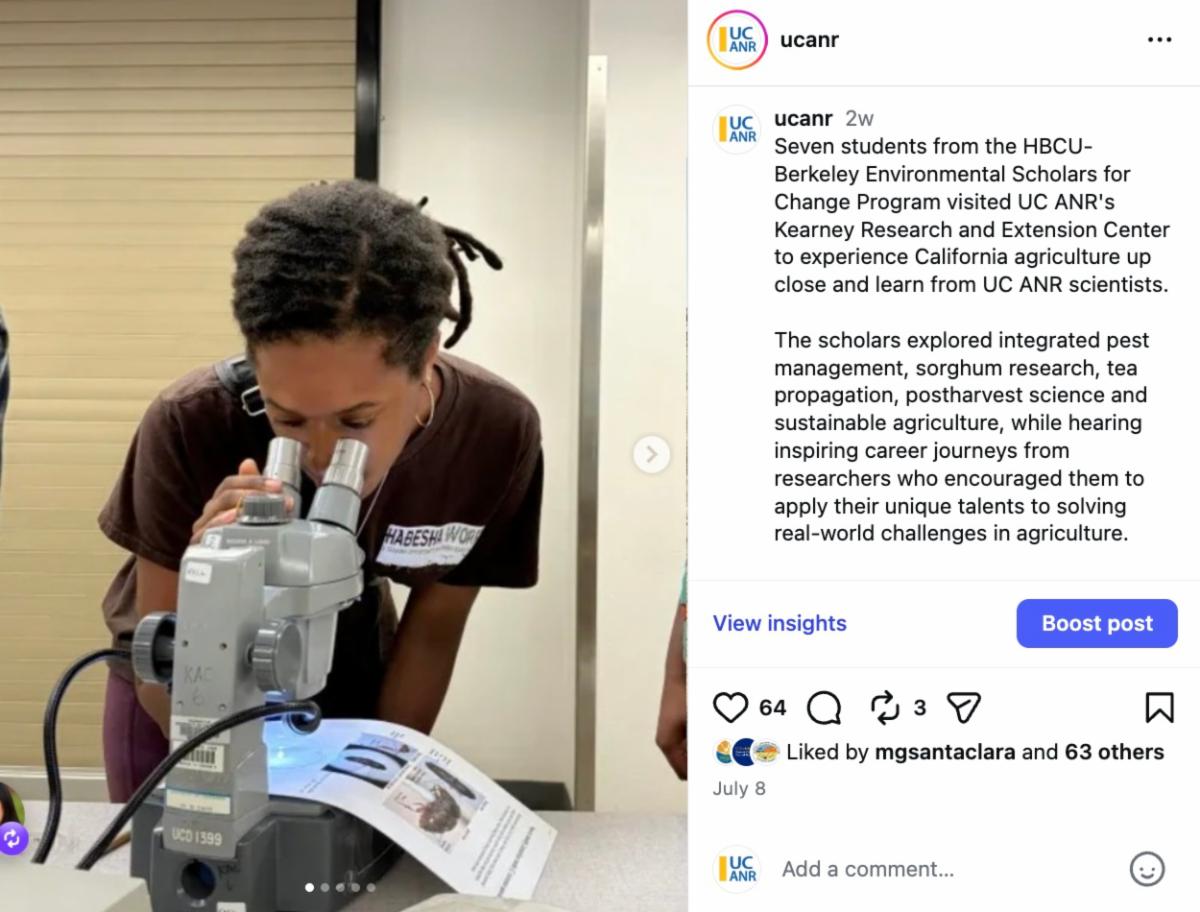
Instagram screenshot showing an HBCU student looking into a microscope during a UC Berkeley program
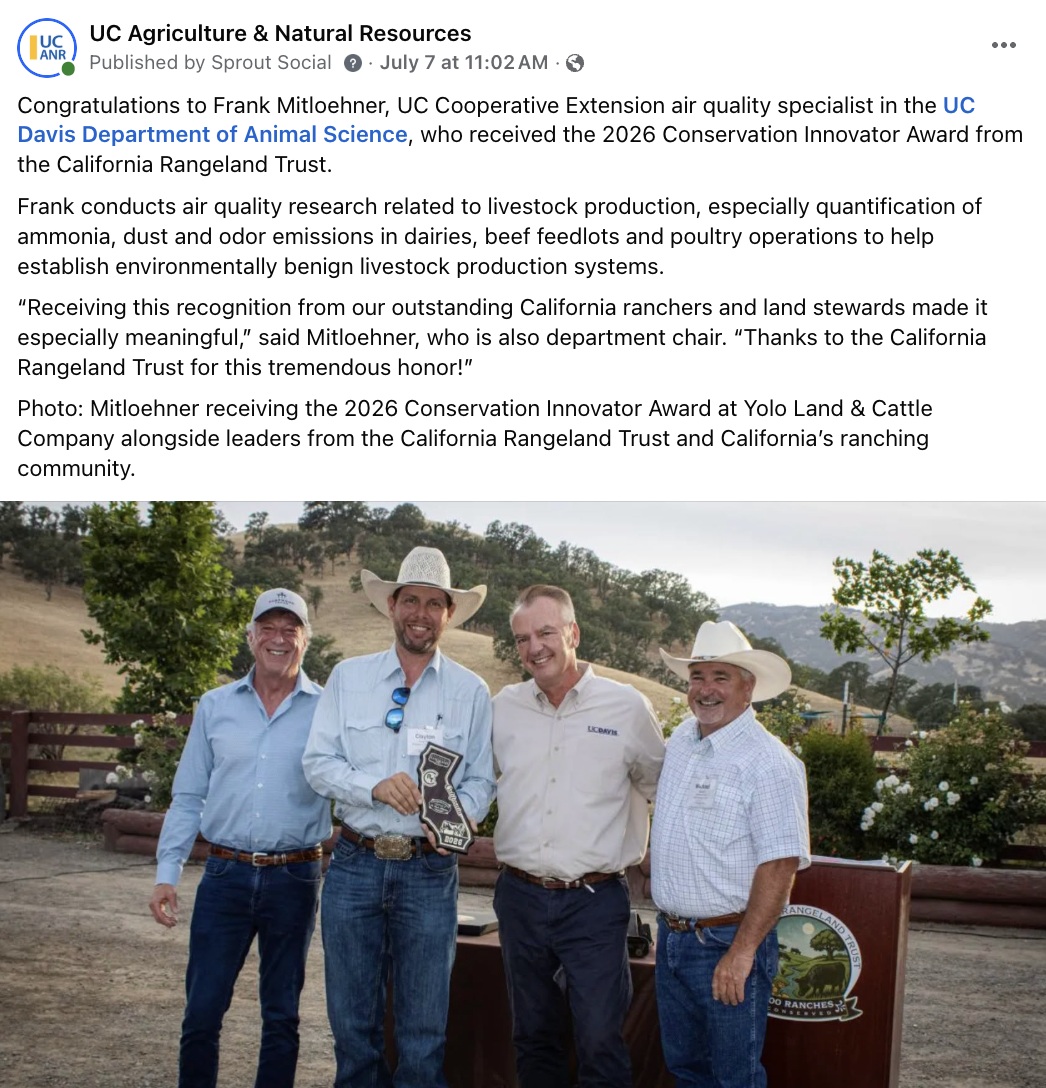
Frank Mitloehner, wearing a UC Davis shirt, flanked by ranchers as he receives a conservation award
 

Follow us on Bluesky, X (Twitter), Facebook, Instagram, YouTube and LinkedIn

for more UC ANR highlights!


Subscribe to our Food blog, Green blog and Healthy Communities blog.


It is the policy of the University of California (UC) and the UC Division of Agriculture & Natural Resources not to engage in discrimination against or harassment of any person in any of its programs or activities.Inquiries regarding nondiscrimination policies may be directed to UC ANR, Affirmative Action Compliance & Title IX Officer, University of California, Agriculture and Natural Resources,
2801 Second Street, Davis, CA 95618, (530) 750-1280, tljordan@ucanr.edu.
 
University of California Agriculture and Natural Resources
2801 Second Street
Davis, CA 95618
Website: ucanr.edu
STAY CONNECTED
Facebook  X  Instagram  Linkedin  Youtube