|
Welcome to our December newsletter!
Wisconsin CONNECT is a collaborative. We seek to provide technical assistance and training opportunities for substance use prevention and treatment grantees, providers, clinicians, social workers, and support staff.
We draw on local and national academic and community resources to reduce and prevent substance use and improve overall health and wellness in Wisconsin.
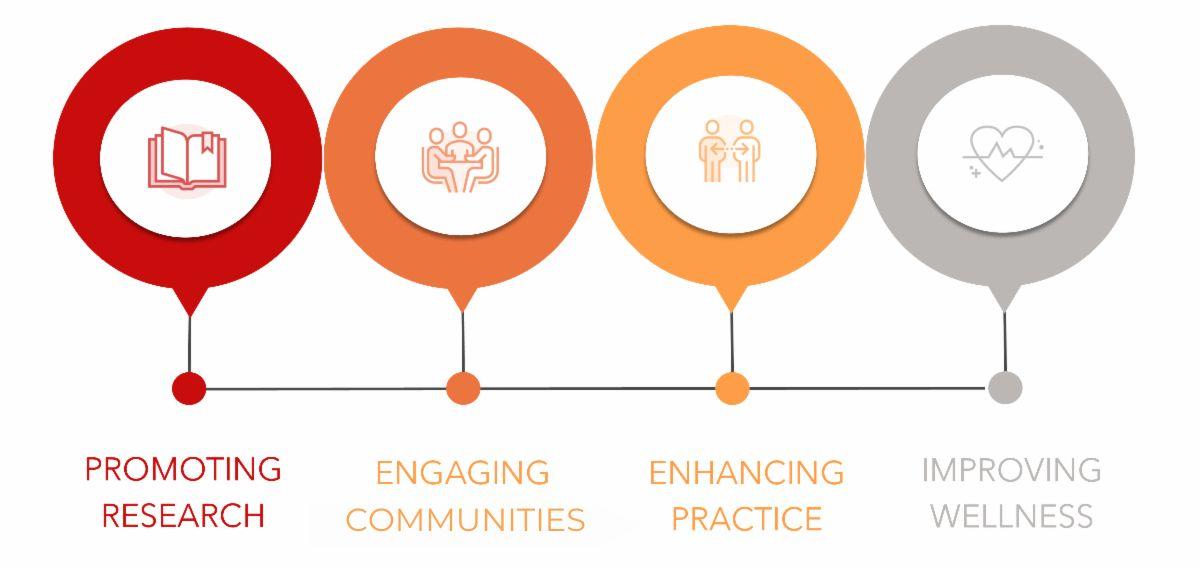
To that end, we want to help you connect the dots with this newsletter. It is a tool to support our efforts to promote new research, share tools and trainings that aim to help you engage in different communities, enhance practice and improve the health of your clients and program participants.
| |
Crisis of Connection
from American Psychological Association
Poll reveals a nation suffering from stress of societal division, loneliness
Loneliness and emotional disconnection appear to have become a defining feature of life in America as a majority of U.S. adults say societal division is a significant source of stress in their lives, according to the latest Stress in America™ survey released by the American Psychological Association (APA).
Half or more adults said they felt isolated (54%), left out (50%), or lacking companionship (50%) often or some of the time. The survey found that among more than 3,000 U.S. adults, nearly seven in 10 (69%) said they needed more emotional support in the past year than they received—an increase from 65% in 2024. This growing gap between emotional needs and available support highlighted a critical challenge: Even as adults recognize their need for connection, many are struggling to find it.
This year’s survey also showed many are evaluating what gives their lives meaning and purpose. An overwhelming 92% of adults recognized relationships as a key source of meaning in their lives. Further, 84% said they believe they can still create a good life, even if it looks different from past generations.
Read more here.
| | |
National Education Survey
from FASD United
Calling all Educators, Caregivers, Parents, Self-Advocates! Your daily experiences hold the key to creating better educational outcomes for countless children with FASD. FASD is often a non-apparent disability, and your perspective is vital for improving recognition, resources, and policy. Taking this short National Education Survey, even if you have taken it in the past, will directly inform future training and support initiatives. Please lend your voice! Take the survey and share it with your colleagues, friends, and family.
Take the survey.
| |
Join the Wisconsin IDD-MH System Improvement Community of Practice Check-In
from Wisconsin Department of Health Services
Earlier this year, the Wisconsin Intellectual and Developmental Disabilities and Mental Health (IDD-MH) System Improvement steering committee started turning plans into actions. We put together teams to work on three recommendations from the June 2024 report (PDF). Those teams are now ready to share updates with you, our Community of Practice!
Thursday, December 11, 2025
12:00-1:00 p.m. CT
You are one of more than 4,000 people in our Community of Practice. It’s a group of dedicated, determined people who are ready to help tackle the work proposed in the report. We need your feedback, ideas, knowledge, and participation to keep this work going.
Join us online to:
- Review the project, report, and recommendations
- Get updates and celebrate successes with our subcommittee leads
- Learn about new ways to get involved
- Vote on the next recommendations we should prioritize
You must register if you want to join. Sign language interpreters and captioning will be provided during the briefing. The presentation slides will be available in English, Spanish, and Hmong.
Register on Zoom here.
| |
Maternal and Child Health Grief and Bereavement Support Funding Opportunity Now Open!
from Wisconsin Public Notices
The Title V Maternal and Child Health (MCH) Services Block Grant, administered by the Wisconsin Department of Health Services (DHS), provides funding and support to local and Tribal health agencies and other organizations to improve the health and supporting the well-being of mothers, infants, children, and families.
The purpose of this funding opportunity is to provide statewide, comprehensive support and prevention resources to parents and families who have experienced sudden infant death syndrome (SIDS) or other forms of infant loss.
- All funding application submissions are due on December 14, 2025, by 11:59 p.m. CDT.
- Applicants will be notified of award decisions no later than December 18, 2025.
Apply here.
| | |
Certified Professional Recovery Coach Program
from University of Wisconsin-Stevens Point Institution for Behavioral Health and Wellness Training
Are you seeking ways to help clients in recovery?
Gain the tools, knowledge, and confidence to guide individuals through recovery with professionalism and purpose.
Open enrollment, start anytime.
Now At A Reduced Price!
Visit the website here.
| |
Acquired Brain Injury & Suicide Risk
from University of Wisconsin-Green Bay Behavioral Health Partnership Program
January 28-29, 2026, 8:30am - 12:15pm CST each day
Virtual via Zoom
Course Description
First, we discuss trauma informed care, adolescent and family development and the national concern about adolescent suicide risk. Then we teach a family-centered care approach to risk assessment and safety planning. Finally, we teach strategies for engaging families into the treatment process and how to conduct a first family session. Lecture, discussion, experiential exercises, and therapy videos are used throughout the workshop.
At the completion of the workshop participants should be able to:
- List the important aspects of a risk assessment.
- Explain importance of a family generated safety plan.
- Explain the barriers to engaging families in treatment.
- Describe the decision making process of what level of care is needed to match the level of risk.
- Describe strategies for dealing with family resistance to treatment.
Register here.
| | |
Check out past trainings from Wisconsin CONNECT
This winter, we plan on releasing updated versions of our on demand trainings, including the FASD Program and the SUD Certificate Program.
In the meantime, you can browse our past trainings. Let us know if there's something else you would like us to bring back!
Browse our training page.
| |
Suicidal Behaviors in Children
How DBT-C Can Mitigate Suicidal Behaviors in Children
from University of Wisconsin-Green Bay Behavioral Health Partnership Program
December 12, 2025, 8:30 - 10:30am CST
Virtual via Zoom
Course Description
This session will serve as an introduction to DBT-C (Dialectical Behavioral Therapy for Children) for clinicians. DBT-C (DBT for children ages 7-12 and their parent/caregiver) assists in mitigating risk of self-harm, suicidal ideation, suicidal actions, harm to others, and other high-risk behaviors by first focusing on parenting strategies before bringing the child in to treatment. DBT-C is unique in that only parents/caregivers are engaged in the first 8-12 weeks of treatment, meaning that commitment from the child is not needed (or even sought after) during this time period. During that time, parents/caregivers are engaged to learn both acceptance and change strategies to become the therapist for their "supersensers." They are taught behavioral management strategies as well as validation strategies to assist with understanding and decreasing the potentially harmful impacts of invalidation. Therapists also engage families in safety planning to assist in having structure in place to both minimize risk as well as respond when risky behaviors take place.
Learning Objectives:
- Learn how to assess the parent's role in their child's environment and why life-threatening behaviors are occurring
- Learn how to teach emotion regulation to parents navigating suicidal ideation from their children, and how to respond when children express suicidal ideation and/or engage in self-harm
- Identify the benefit of function over form and know when to be flexible in treatment approach
Register here.
| |
Caring for Your Mental Health During the Holidays
from Deconstructing Stigma
Read To Learn
- How to deal with pressure from family and friends
- Tips for getting support when living with loss, grief, or loneliness
- Ways to manage holiday stress and low moods
- When to reach out to a mental health professional
Read here.
| | |
Check out our video archive to find a session you might have missed.
You can also go back to the training session webpage to find other resources, slides and handouts.
| | | |
Click here below to see all the upcoming trainings and events across topics. | |  |
Have a training interest? Looking for technical assistance? Simply fill out this online form with what you are seeking, and we will follow up to further explore your needs. | | Wisconsin CONNECT Social Media | | Go follow the new Wisconsin CONNECT social media pages for regular updates on training opportunities as well as to connect and network with other professionals. | | |
|
We do this in partnership with the Bureau of Prevention, Treatment and Recovery within the Wisconsin Department of Health Service's Division of Care and Treatment Services, UW-Milwaukee, and our network of training providers. |
| | | |