August 2026 | CTSC Newsletter, Issue 2 | | To ensure you're always viewing the entire newsletter, check at the bottom of the email to see if the newsletter has been "clipped" and, if so, click "view entire message". You can also view the full newsletter on the News and Announcements page of our website | | Click on the images below to be directed to more information: | | |
Warm greetings,
I am excited to invite you to join us for Translational Science Week 2026: Champions in Research, taking place September 14–18, 2026. As the CTSC marks 19 years since its founding on September 17, 2007, we are proud to celebrate our third annual Translational Science Week with a theme that recognizes the innovators, collaborators, and teams moving research forward.
Throughout the week, attendees will have opportunities to connect with colleagues, explore CTSC resources, learn from esteemed speakers, and celebrate excellence in translational science through engaging virtual and in-person events. We encourage you to register and join the week’s programming as we come together to share ideas and spark new collaborations
Translational Science Week is a chance to celebrate progress, strengthen partnerships, and look ahead to the future of research and innovation. We hope you will join us and register for the week’s events as we recognize the work making a difference in science and health for all.
Read the full story about Translational Science Week 2026 and the 19 year history of the CTSC
| | |
A Week of Champions in Research
One of the highlights of Translational Science Week will be the CTSC birthday celebration on Wednesday, September 16, 2026. The afternoon will bring together researchers, partners, and colleagues to connect with CTSC resources, recognize excellence in translational science, and hear from an internationally recognized leader in behavior change research.
The celebration will feature David E. Conroy, PhD, of the University of Michigan, whose presentation, “Breaking the 30-Year Plateau in Behavior Change Science: Why AI & Wearables Demand a New Approach,” will explore how just-in-time adaptive interventions (JITAIs) and emerging technologies are creating new possibilities for behavior change research.
Wednesday, September 16 | BRB Lobby, CWRU
| | |
CTSC Expands Rural Health Outreach in Ohio
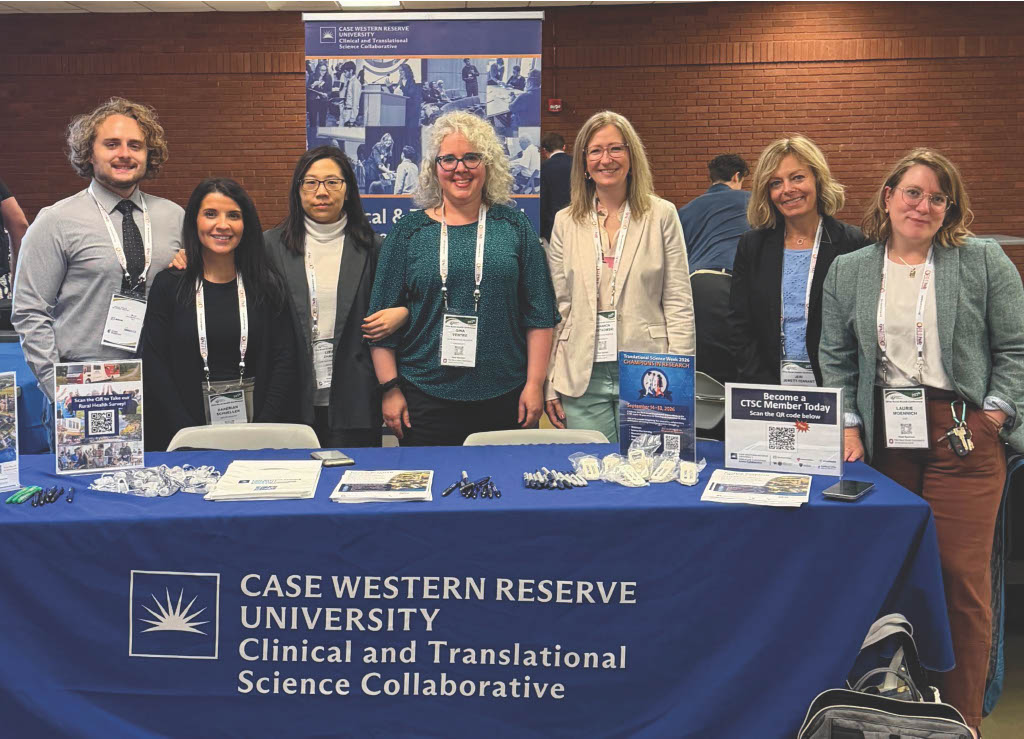
The CTSC of Northern Ohio was proud to sponsor the Ohio Rural Health Association Conference on August 6–7 in Wooster, where administrative and module staff connected with rural healthcare leaders and explored opportunities to expand the CTSC’s “research to real life” mission beyond Cuyahoga County. Conference discussions highlighted shared challenges across rural and urban care settings, including workforce needs, access, and sustainability, and reinforced the importance of trusted community partnerships in rural outreach.
To help guide future efforts, the CTSC has launched a rural health needs assessment survey and invites input from rural community organizations, healthcare providers, government agencies, and workforce development and health education professionals.
| | |
Join the CTSC Community Health Worker Research Academy
The CTSC Community Health Worker Research Academy, offered in partnership with Cleveland State University, is a 15-week program that prepares participants for careers in community health and research. Beginning September 12, 2026, the program is offered primarily through Zoom and includes in-person vital signs and CPR training. Participants earn Ohio Board of Nursing–approved Community Health Worker certification along with clinical and community-engaged research training, building skills in outreach, advocacy, ethics, community resources, and research fundamentals. Designed especially for community members from rural areas, the academy prepares graduates for entry-level roles such as Research Assistant, Research Data Collector, and Research Navigator. There is no cost to participants.
| | |
Apply Now for the CTSC CER Mentoring Program
The CTSC Community Engaged Research (CER) Mentoring Program supports investigators and community partners dedicated to collaborative, equitable, and community-driven research. Designed to address the unique opportunities and challenges of Community Engaged Research, the program offers mentorship, cohort learning, and access to CTSC resources to help participants strengthen skills, build partnerships, and advance impactful translational science. The program is now accepting applications for its third-year cohort.
Applications are due September 4, 2026
| | |
2026 Clinical Research Summer Observation Program
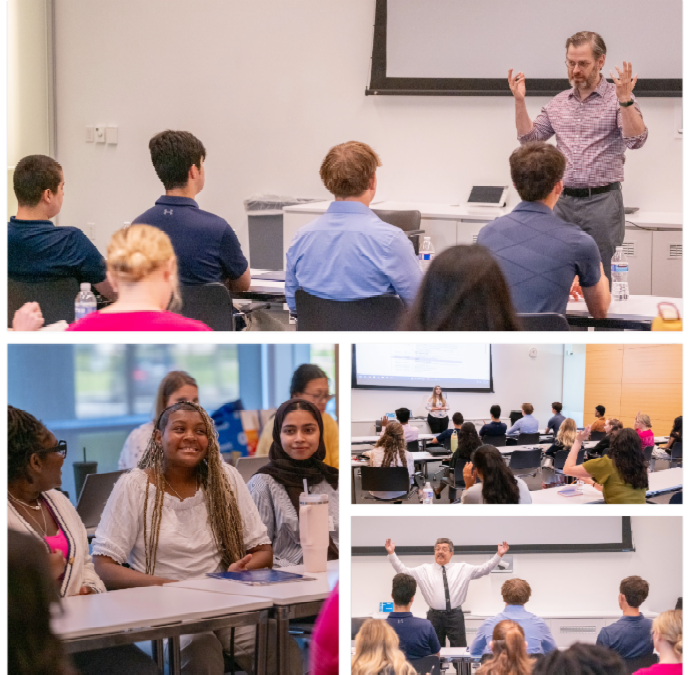
This summer, the CTSC Workforce Development team hosted its third annual Clinical Research Summer Observation Program, a week-long experience introducing students to career pathways in clinical research. Participants included students from St. Ignatius High School, Beachwood High School, Rocky River High School, John Hay High School, Strongsville High School, Lake Ridge Academy, Olmsted Falls High School, and Beaumont School, along with undergraduate students from several universities. Through shadowing and interactive learning sessions, 18 high school and undergraduate students gained firsthand exposure to the research process, built connections with professionals across the field, and deepened their understanding of how clinical research advances patient care and medical innovation.
Learn more about the CTSC Workforce Development Program
| | |
PRIMED-AI: Development and Testing of a Multi-use Frameworks Playbook for Precision Medicine with AI (U01 Clinical Trial Not Allowed): The NIH is inviting applications for the PRIMED-AI program to support development and preliminary validation of frameworks for multimodal AI tools that integrate imaging with other health data for clinical decision support. The goal is to create a “playbook” of guidelines and standardized protocols to advance reliable and scalable precision medicine applications. NIH anticipates 5 awards of up to $300,000 each.
| | |
PRIMED-AI: Data-to-Model Academic-Industrial Partnerships (D2M-AIP) for Precision Medicine with AI: Integrating Imaging with Multimodal Data (UG3/UH3 Clinical Trial Optional): The NIH is soliciting applications for the PRIMED-AI D2M-AIP program to support academic-industry partnerships developing multimodal AI-based clinical decision support tools. These projects will integrate clinical imaging with other health data to advance precision medicine and accelerate adoption of reliable, cost-effective, and sustainable AI tools in clinical care. NIH anticipates making 8 awards under this opportunity.
| | |
Model-to-Clinic (M2C) for Precision Medicine with AI: Integrating Imaging with Multimodal Data (PRIMED-AI) (UG3/UH3, Clinical Trial Optional): The National Institutes of Health is offering this funding opportunity (RFA-RM-27-013) to support the development of innovative, reliable, cost-effective, and sustainable AI-based clinical decision support tools that integrate clinical imaging with multimodal health data to improve precision medicine and patient care across a range of health conditions. Cooperative agreements will support the PRIMED-AI Program, with 8 awards anticipated.
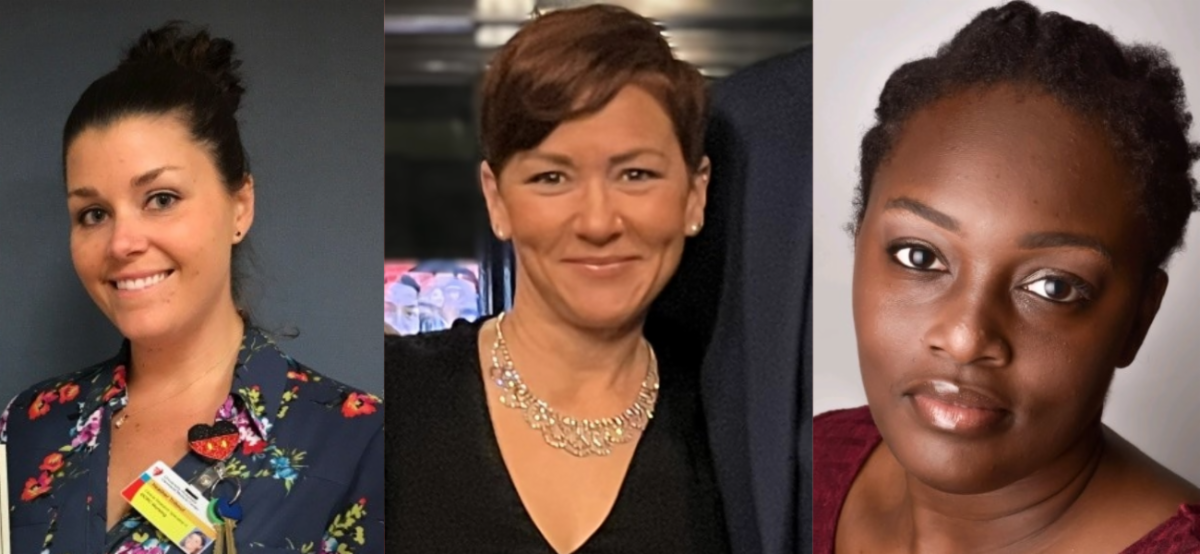
| | The CTSC proudly recognizes the 2026 Annual Pilot Awardees for advancing health through innovative, collaborative research across Northern Ohio: | |
| |
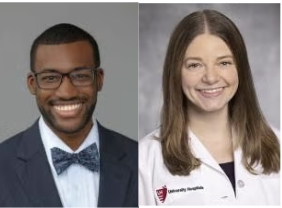
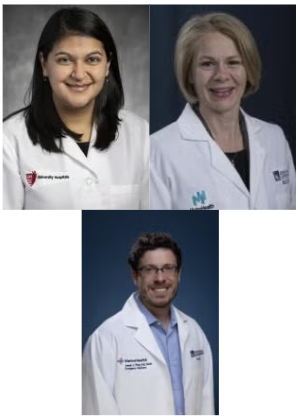
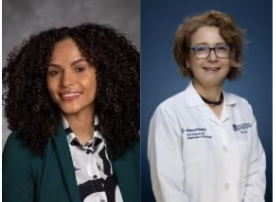
Implementation of an At-Home Collection Tool for Use in Inborn Errors of Acylcarnitine Metabolism (IEAM) and Application of a Machine Learning Disease Prediction Model
--
Kirkland Wilson, MD | CWRU
Rachel Vancoillie, DO | University Hospitals
| | | |
| |
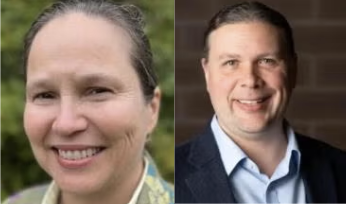
Target Trial Emulation of Simultaneous Vaccine Effectiveness of Multiple Adult Seasonal Vaccines Utilizing National and Regional Electronic Health Records
--
Pauline Terebuh, MD, MPH | CWRU
Adam Perzynski, PhD | MetroHealth
| | | |
| |
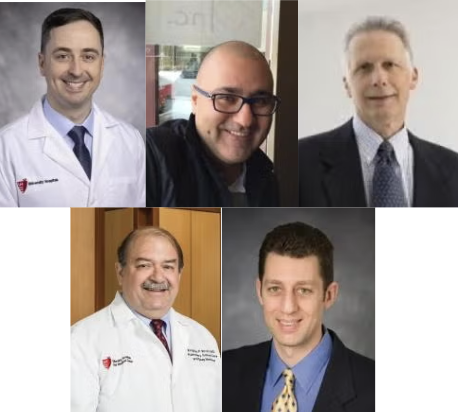
Respiratory and Sleep Physiologic Analysis in the ICU (RESPITE-ICU): Leveraging ECG and Oximetry for Novel Sleep-Disordered Breathing Detection
--
Zachary Strumpf, MD | University Hospitals
Farhad Kaffashi, PhD | CWRU
Kenneth Loparo, PhD | CWRU
Kingman Strohl, MD | CWRU
Frank Jacono, MD | CWRU
| | | |
| |
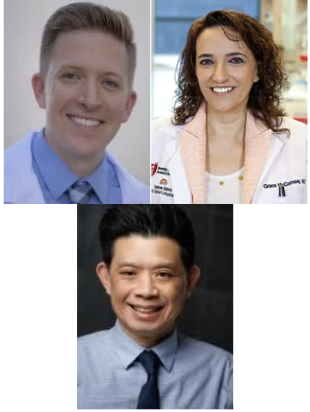
Fenofibrate Exposure and HPV-Related Cancers in People Living with HIV: Discovery, Validation, and Translational Insight
--
Aaron Fletcher, RDN, LD | University Hospitals
Grace McComsey, MD | CWRU
Quintin Pan, PhD | CWRU
Wendi O'Neill, DDS, MS | CWRU
| | | |
| |
VIBE: Ventilator Insights for Better Evaluation of Pediatric Respiratory Failure
--
Joseph Kohne, MD, MSC | University Hospitals
Juliann Di Fiore | CWRU
| | | |
| |
Towards Understanding the Clinical and Systemwide Benefits of Substance Use Navigator Specialists (SUNS) at University Hospitals and MetroHealth Emergency Departments (EDs)
--
Kiran Faryar, MD, MPH | University Hospitals
Joan Papp, MD | MetroHealth
Joseph Piktel, MD | MetroHealth
| | | |
| |
Bridging the Gap: Integrating Community Health Workers to Transform Epilepsy Care
--
Anny Reyes, PhD | Cleveland Clinic
Ebru Erbayat, MD | MetroHealth
| | | | |
Feature Learning Module:
"Pre-screening, Eligibility and Enrollment Process"
This month, we’re highlighting “Pre-screening, Eligibility and Enrollment Process,” a module in the Research Education & Resources for Research Support Professionals track. This module provides practical guidance on an essential stage of the research process, helping research support professionals better understand the steps involved in pre-screening, determining eligibility, and supporting participant enrollment.
| As part of the module, the featured video includes insights from Heather Tribout, Jennie Pexa, and LaToya Strickland, who share perspectives and best practices related to the pre-screening process. Browse this course and additional educational resources created to support skill development across the clinical and translational research workforce. | | | | |
As a benefit of your membership with the CTSC of Northern Ohio, you now have free access to Canvas Catalog - a collection of research, education, and resources provided by the CTSC Workforce Development team.
Access the catalog today!
| | |
Expanded Access to Early Developmental Screening
Helen Long, PhD, CCC-SLP, recipient of a 2025 CTSC Annual Pilot Award and ATLAS Cohort graduate, is advancing community-based efforts to support early identification of developmental concerns in young children. Through a free screening event hosted by United Cerebral Palsy of Greater Cleveland and Case Western Reserve University, families of children from birth to age 3 can connect with developmental specialists and learn more about developmental milestones and available supports. The event reflects Long’s research focus on improving early screening and strengthening pathways to developmental services for children and families.
Learn More About Early Developmental Screenings
| | |
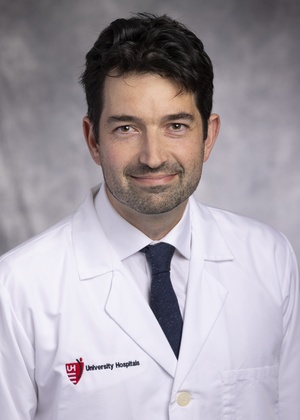
Anticoagulants in Mild Traumatic Brain Injury
James T. Ross, MD, MS, a CTSC K12 scholar, recently co-authored a clinical paper in Journal of Trauma and Acute Care Surgery examining the use of direct oral anticoagulants (DOACs) in patients with mild traumatic brain injury. The study found that DOAC use was not associated with worsened short-term clinical outcomes or increased radiographic progression, and that routine reversal with 4F-PCC or andexanet alfa did not show measurable benefit in this patient group. These findings add important evidence to an area of ongoing clinical uncertainty and may help inform decision-making around anticoagulation reversal in mild traumatic brain injury.
Learn More About DOAC Use in Mild Traumatic Brain Injury
| |
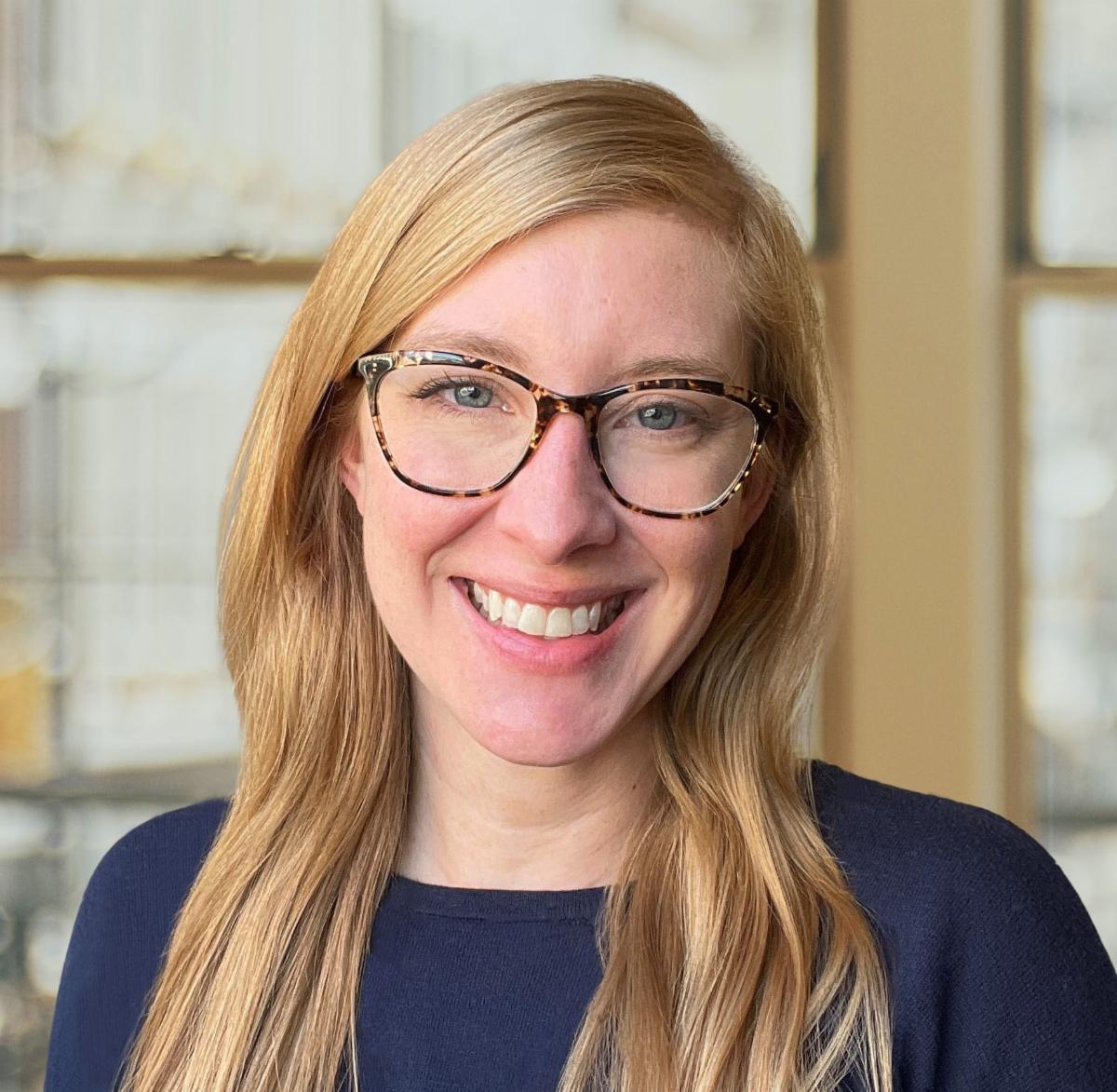
Leah Gates Advances CF Research
Leah A. Gates, PhD, a CTSC Core Utilization Pilot (CUP) Awardee, has received a Hartwell Foundation Individual Biomedical Research Award to study severe gastrointestinal complications in children with cystic fibrosis. Her project, Targeting Epigenetic Regulation in Cystic Fibrosis Gut Disease, will explore how epigenetic changes disrupt intestinal function and may identify new treatment strategies using FDA-approved drugs and therapies already in clinical trials. The award recognizes Gates’ innovative research addressing a critical unmet need in cystic fibrosis care.
Learn More about Cystic Fibrosis and Gut Disease
| | | | |
CTSC Scientific Writing Open Office Hours
Moderator: Roberto Alers-Velazquez, PhD
*No registration required
| | | | |
CTSC Big Data Informatics Open Office Hours
Moderators: Craig Jarrett, MD and Ashley Hughes, PhD
*No registration required
| | | | |
CTSC Resources & Services Office Hours
Moderators: Becki Algeri, Katie Gartner, MA, CCRP, CHRC &
Danielle Jones, PhD
*No registration required
| | | | |
CTSC Mock Study Section
Moderator: Roberto Alers-Velazquez, PhD
| | | | |
CTSC Epic Cosmos Datathon
MidTown Collaboration Center
| | Click on the images below to be directed to more information from the CTSC and our colleagues: | | | |
ACTS Membership for Community Members
CTSC community partners are eligible to become members of the Association for Clinical and Translational Science (ACTS). Community members are able to access ACTS' member benefits, including:
- Discounted registration to the annual Translational Science meeting
- Opportunities to participate in Special Interest Groups and Committees
- Access to the ACTS community platform website, Tradewing
- And more!
To join, community members can create an account on the ACTS website and join under Case Western Reserve University.
| | |
| How did you like this email? | | | | | | |