Feinberg.png


October 2025


A monthly newsletter from the Mesulam Institute for Cognitive Neurology and Alzheimer's Disease at Northwestern University Feinberg School of Medicine

The Mesulam Institute Supports Annual Walk to End Alzheimer's Disease


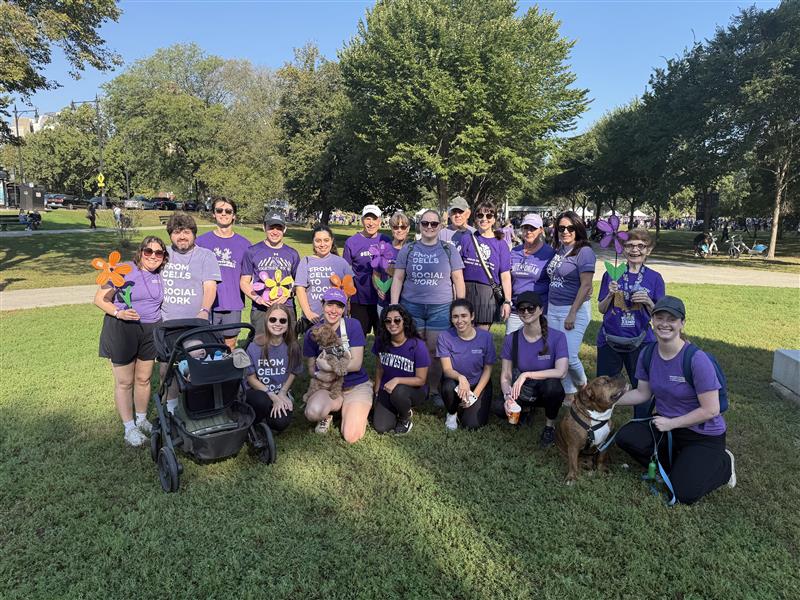
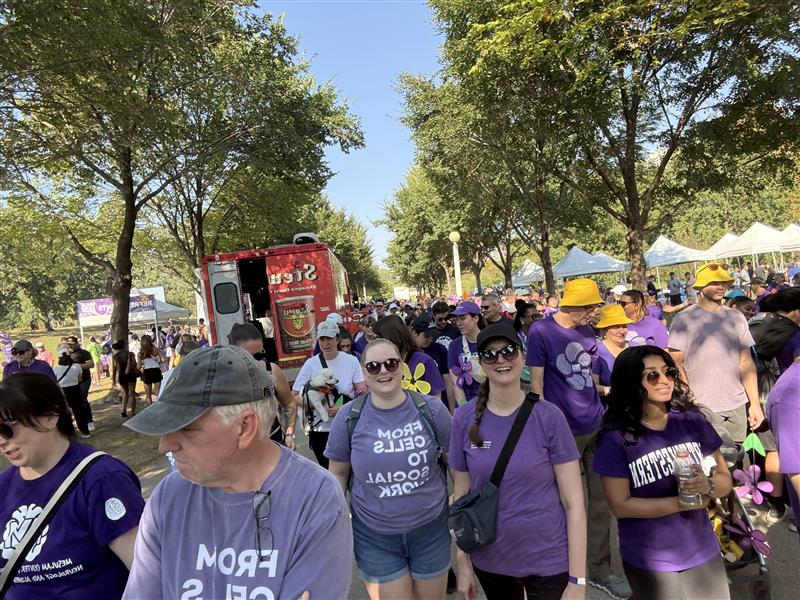
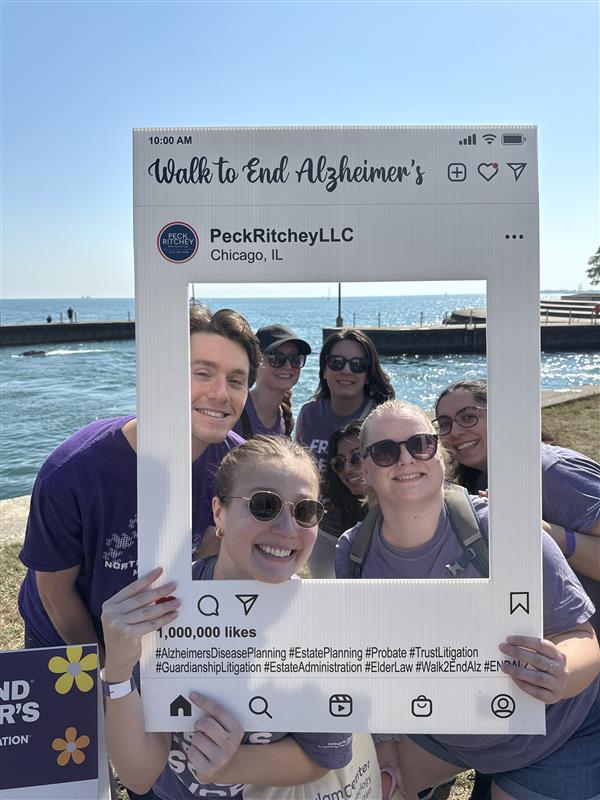
The Mesulam Institute team showed up proudly to support the Alzheimer's Association's Annual Walk to End Alzheimer's on Saturday Oct. 4 in Lincoln Park. 

Met with familiar faces and new ones alike, Institute staff and faculty raised awareness at the world's largest event dedicated to increasing visibility for Alzheimer's disease care, support, and research. 


Michelle Anne Los, a clinical operations manager at the Institute, left with a renewed sense of community, as she returned to walk this year.  


“It was an opportunity to connect with the broader Mesulam Institute community — and the community of people engaged in the fight against Alzheimer’s in Chicago,” Los said. “It’s also nice to see co-workers outside the office environment.”


The glowing fall day increased the day’s festivities ten-fold, warming our faculty and their furry companions alike.  


“My favorite part of the event was that it was dog friendly,” said Tracey Kaiser, program coordinator at the Institute. “It made it easier and more fun for me and many others to attend.” 


With another successful year in the books, the Institute team was grateful to support the global cause for Alzheimer’s disease awareness and advocacy. 


For more information on the Alzheimer's Association's Walk to End Alzheimer's click here! 


Featured Article:


Brain Imaging Study Completes First Year at Northwestern Mesulam Institute, Helping Nationwide Recruitment from Underrepresented Groups Cross 50 Percent


[6 minute read]

Equitable representation in research is not just a goal post.


For Dani Chitwood, senior community engagement coordinator, it is her life story.


A year to date, her mother was diagnosed with Alzheimer’s Disease. 

While seeking healthcare and support, Chitwood quickly realized that having brain health concerns is a privilege.


“You have to be rich to be sick,” Chitwood said. “My mom is someone who has a lot of resources, but even with a lack of socioeconomic barriers, there’s historical challenges that presented themselves.”


Chitwood’s personal struggle with overcoming brain health barriers is evidence that historical underrepresentation is not theoretical.

It is real.


A struggle that started personally became Chitwood’s motivation to stop bringing historically underrepresented communities to research and start bringing research to the communities instead.


The answer: aligning community-based recruitment with research outcomes.  


The Alzheimer’s Disease Research Center Consortium for Clarity in Alzheimer’s Disease and Related Dementias Research Through Imaging (CLARiTI) — a nationwide effort, to better understand Alzheimer’s disease and related dementias — completed its first year at the Northwestern Mesulam Institute for Cognitive Neurology and Alzheimer’s Disease, contributing to doubling the nationwide target for recruitment through historically underrepresented groups (URGs).


Understanding dementia is like shaping a complex painting — each new imaging data point adds a brushstroke, sharpening the picture to improve diagnosis and treatment.


More images help researchers piece together how the brain structurally and functionally changes as dementia progresses.


With more imaging snapshots, researchers begin to understand more about how brain tissue breaks down, how neural connectivity changes, and the differences between types of dementias.

Neural artists, or rather researchers, are collecting and piecing brain imaging data through CLARiTI.


As of Aug. 2025, the study recruited 152 individuals across all participating Alzheimer’s Disease Research Centers (ADRCs), adding to the data collected in three major categories: amyloid protein buildup, tau protein buildup, and neuroimaging scans.


By focusing on these data points, researchers hope to better understand biological changes, improve dementia subtype categorization, and improve diagnostic accuracy.


Todd Parrish, co-principal investigator in CLARiTI and director of the Mesulam Institute Imaging Core, said the study’s access to exclusive technology may contribute to more efficient dementia detection.


“Finding biomarkers that can be detected early in a noninvasive way [through these unique radiotracers] is going to be key for identifying the disease and identifying people for different types of treatment,” Parrish said.


But the focus is not just collecting as much data as possible — it is also collecting data from a diverse research cohort, according to Parrish and Darby Morhardt, PhD, LSCW, co-principal investigator in CLARiTI.


“Under-represented populations are essential in dementia studies to ensure findings are equitable, generalizable, and lead to accurate diagnostics and effective treatments for all communities,” according to CLARiTI’s nationwide seminar recapping year one results.


The wider, more diverse participant pool CLARiTI can recruit, the clearer the image on dementias’ prognosis gets.


The nationwide ADRC goal is to have 25% from a target total of 2,000 participants enrolled recruited from underrepresented groups (URGs) by the time the study completes.


“It’s [recruiting from URGs[Our URG recruitment criteria is] not just racial or ethnicity based,” said Jessica Moonjely, CLARiTI research study coordinator, “It’s also based on years of education, if they’re coming from a rural area, and family history [for example asking about any first-degree relatives — including biological parents, siblings, or children, that have dementia].”


All ADRC’s collectively have exceeded the nationwide minimum enrollment goal for underrepresented groups by crossing their original target of 25% of total enrollments coming from URGs to 52%, within its first year of active recruitment. 


Exceeding the target by 27% was not a happy accident.


In fact, accounting for historical marginalization in dementia-related research required taking a critical approach to recruitment.


“Historically, people from underrepresented groups, mainly Black folks, have been mistreated in various studies,” Chitwood said. “Where there’s mistreatment, there’s mistrust.”


This involved dedicated task forces creating intentional brain health programming for marginalized communities, so the focus shifted from how researchers can gain data from them to how communities can begin to trust researchers’ intentions.


Allowing communities to lead the conversation and questions about brain health, Chitwood fielded substantial interest in research through hosting brain health seminars.


“It’s important to be willing to listen and offer sources of trust and guarantee that [historically excluded] individuals will be safe from physical harm and psychological harm.”


Some communities she has helped CLARiTI establish their roots in include Bronzeville and Chicago’s West and South Sides. 


Lessons Learned in The First Year


CLARiTI gets interested individuals into the door, but it also leads them into a research pipeline.


 If qualification criteria are not met, the intent is to guide individuals to potentially pre-screen for other active studies within the Institute.


Chitwood believes solidifying this pipeline comes from implementing community feedback.


“Listening first is key,” she said. “Instead of talking about what we can offer, being a willing listening ear is imperative.”


Her community involvement also taught her that following up with interested individuals is a shared responsibility between community engagement leads and the research teams. 


One way the team is factoring this in is by implementing Listening Sessions, or open forums for interested community members to ask questions about brain health. 


Chitwood believes these sessions followed by periodical check-ins with interested individuals will help their team continue to capitalize on the high demand for research interest.  


CLARiTI Pilots ‘Return of Results’ for Curious Participants


The CLARiTI team is now partnering with Sandra Weintraub, clinical neuropsychologist and professor of psychiatry and neurology, to allow participants to access their MRI and amyloid buildup data.


The “Return of Results” process makes CLARiTI unlike most active cognitive imaging studies globally, allowing individuals with unique insights into their imaging data over the course of their study participation.

“It [study participation] does help society in general,” Parrish said. “But if people are really curious about their own stats, this is a way to get that information.”


This process will be piloted at the Institute through a select group of active participants before being rolled out as an option to the entire cohort.


Who Qualifies for Study Enrollment?


Individuals 50 or older and not enrolled in any other imaging studies are the target candidates for trial recruitment.


Visit the CLARiTI site for more information on the nationwide study and to see if you qualify. For more information on the study at the Mesulam Institute, contact Jessica Moonjely or Joshua Pasaye, CLARiTI research coordinators.


As CLARiTI begins its second year, the team hopes to continue building trust and supporting the URGs just as they have supported dementia research.


“This work is personal,” Chitwood said. “If we can help by sharing information about brain health and offering support for families, that’s exactly what we want to do.”


Upcoming Community Engagement Events


The Mesulam Institute constantly aims to create a strong community presence through our external partnerships.


We strive to work hand-in-hand with various community partners across the Chicagoland area — pushing for equitable access to healthcare and social care resources.


Check out upcoming events with our partners below!

Featured Event:

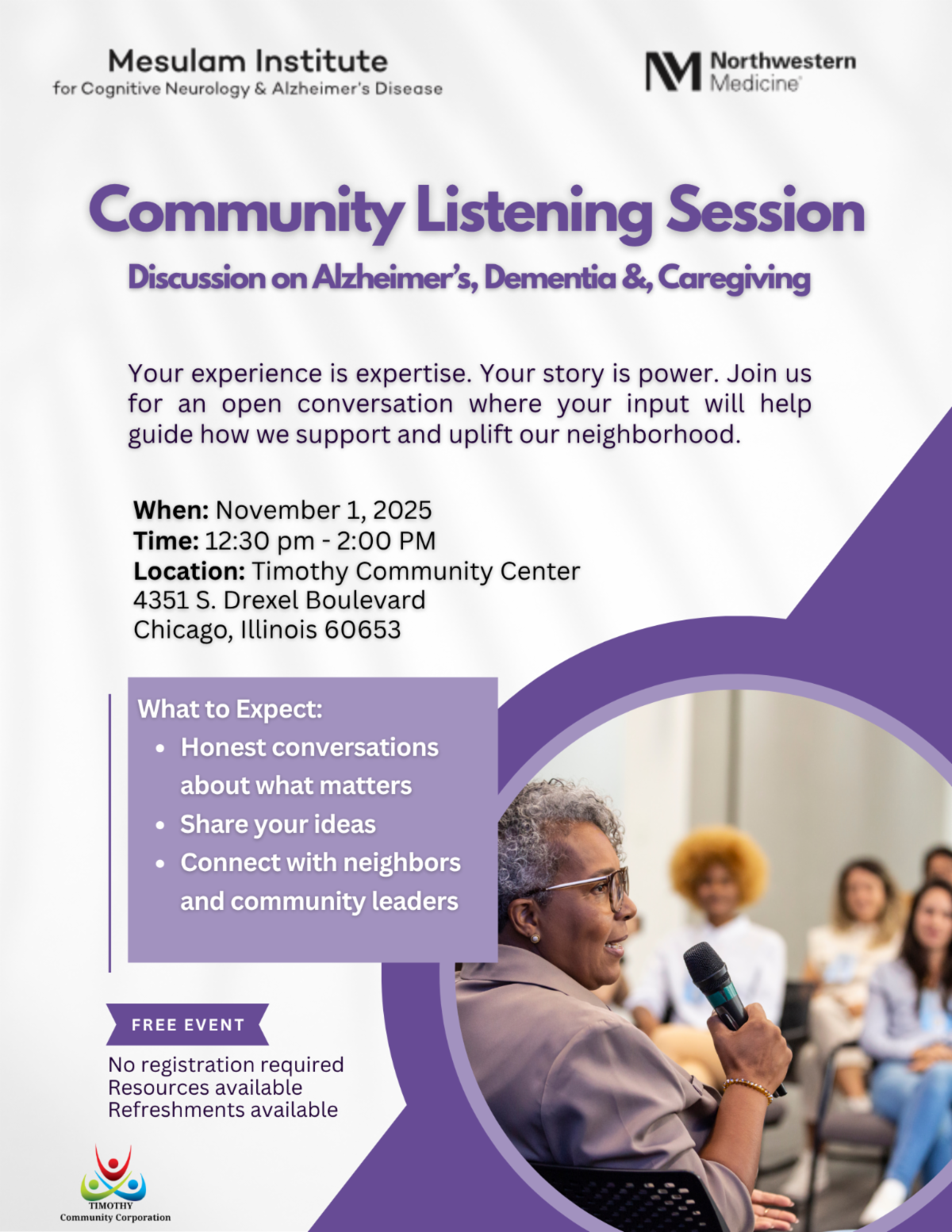
Community Listening Session in Collaboration with Timothy Community Corporation


The Mesulam Institute hosts a community-wide listening session with the Timothy Community Corporation.


When: Nov. 1 | 12:30 PM to 2 PM


Where: Timothy Community Center

4351 S. Drexel Boulevard

Chicago, Illinois 60653


Come share your experience with cognitive aging and healthcare, so we can continue improving how we show up for you.


For event information, refer to the flyer below!


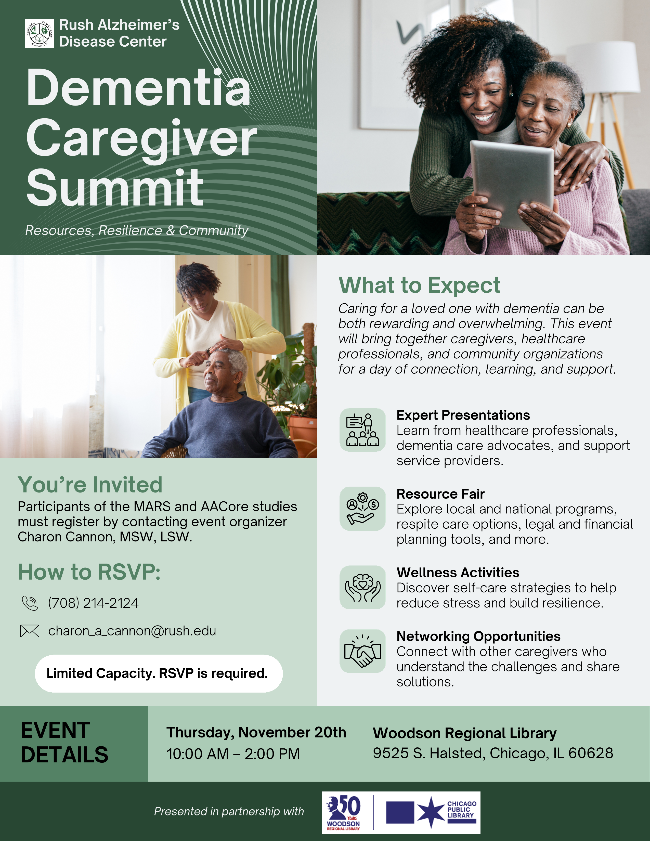
The Dementia Caregiver Summit: Resilience, Resources, & Community

Thursday, Nov. 20, 2025 | 10:00 AM - 2:00 PM


Where: Woodson Regional Library, 9525 S. Halsted, Chicago, IL 60628


Caring for a person living with dementia can be both rewarding and overwhelming.


The Carter G Woodson Regional Library and Rush Alzheimer's Disease Center will bring together caregivers, healthcare professionals, and community organizations for a day of connection, learning, and support.


Join to hear Darby Morhardt, PhD, LCSW, present her keynote address:


Don't Let Go: Taking Care of Someone Who Doesn’t Know They Need You


For more information and registration, visit Chicago Public Library's website and check out the flyer below.


Come join the Salvation Army Fall Festival!


When: Wednesday, Oct. 29 | 3 PM to 7 PM


Where: 945 W 69th St, Chicago, IL 60621


This fun-filled event is open to all and features games, food, music, and activities for the whole family. Celebrate the season with us and enjoy a day of community connection, laughter, and autumn fun!


The Institute will be sharing social work and caregiving resources.


For more information visit the Salvation Army website or reach out to Dani Chitwood.

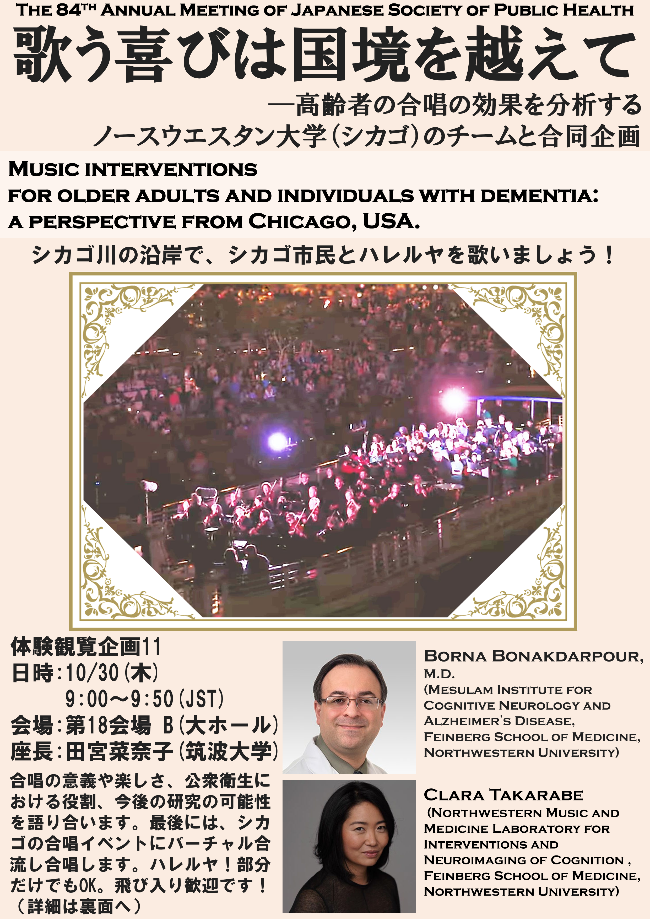
The 84th Annual Meeting of Japanese Society of Public Health: Music Interventions for Older Adults And Individuals with Dementia

When: Wednesday, Oct. 29 | 7 PM


Where: On Zoom


Meeting link: https://zoom.us/j/92077105186?pwd=APmedah3yVYU3apqbXNPkRtMJSolMn.1


ID: 920 7710 5186

Password: 812804


For more information, refer to the flyer below!

Community Engagement Highlights:

The Mesulam Institute Shows up in Your Neighborhoods

Advocates for Community Wellness: Aetna Day

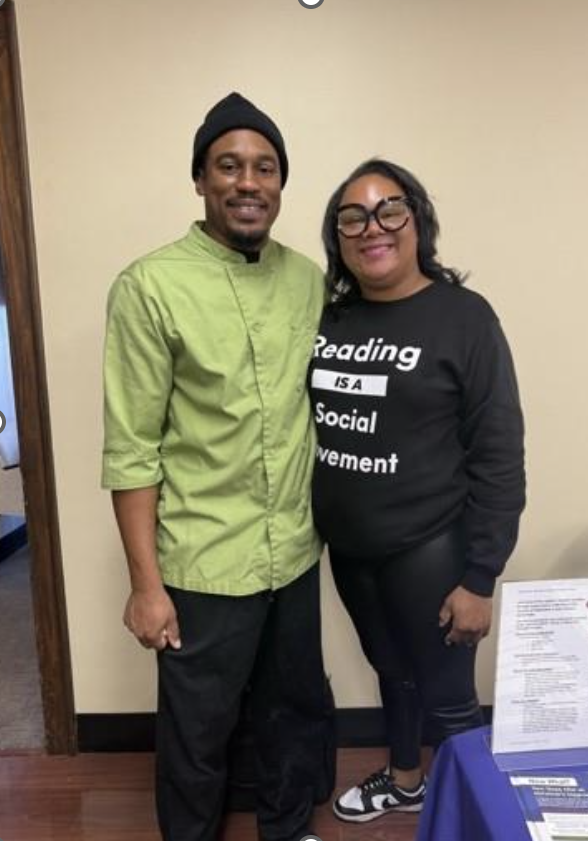
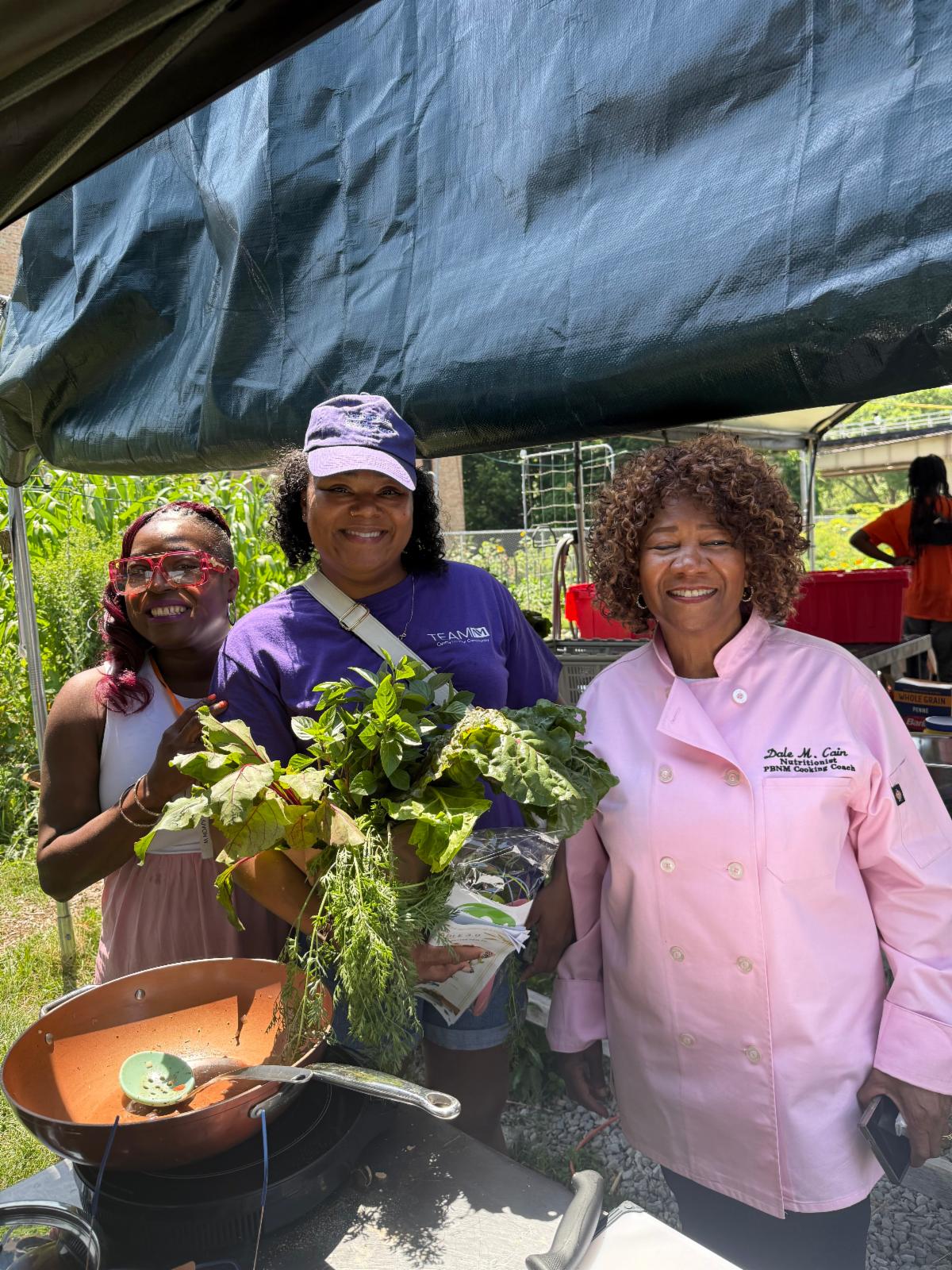
Ingrid Fowler-Wrather, senior community engagement coordinator, represented the Mesulam Institute at Advocates for Community Wellness’s Aetna Day Event.


Attendees listened in on the community experts’ insight on the relationship between diet and cancer.


The Institute took stake in conversations about food insecurity, nutrition, chronic illness and shared how these topics strongly correlate back to brain health.


We extend our gratitude to the ACW for the open forum and look forward to growing our community partnership with dementia-friendly and wellness initiatives.


Reach out to Ingrid Fowler-Wrather for more information on upcoming Community Engagement programming.


Community Engagement Team Shares Research Participation Findings, Pushing for Continued Focus on Underrepresented Groups

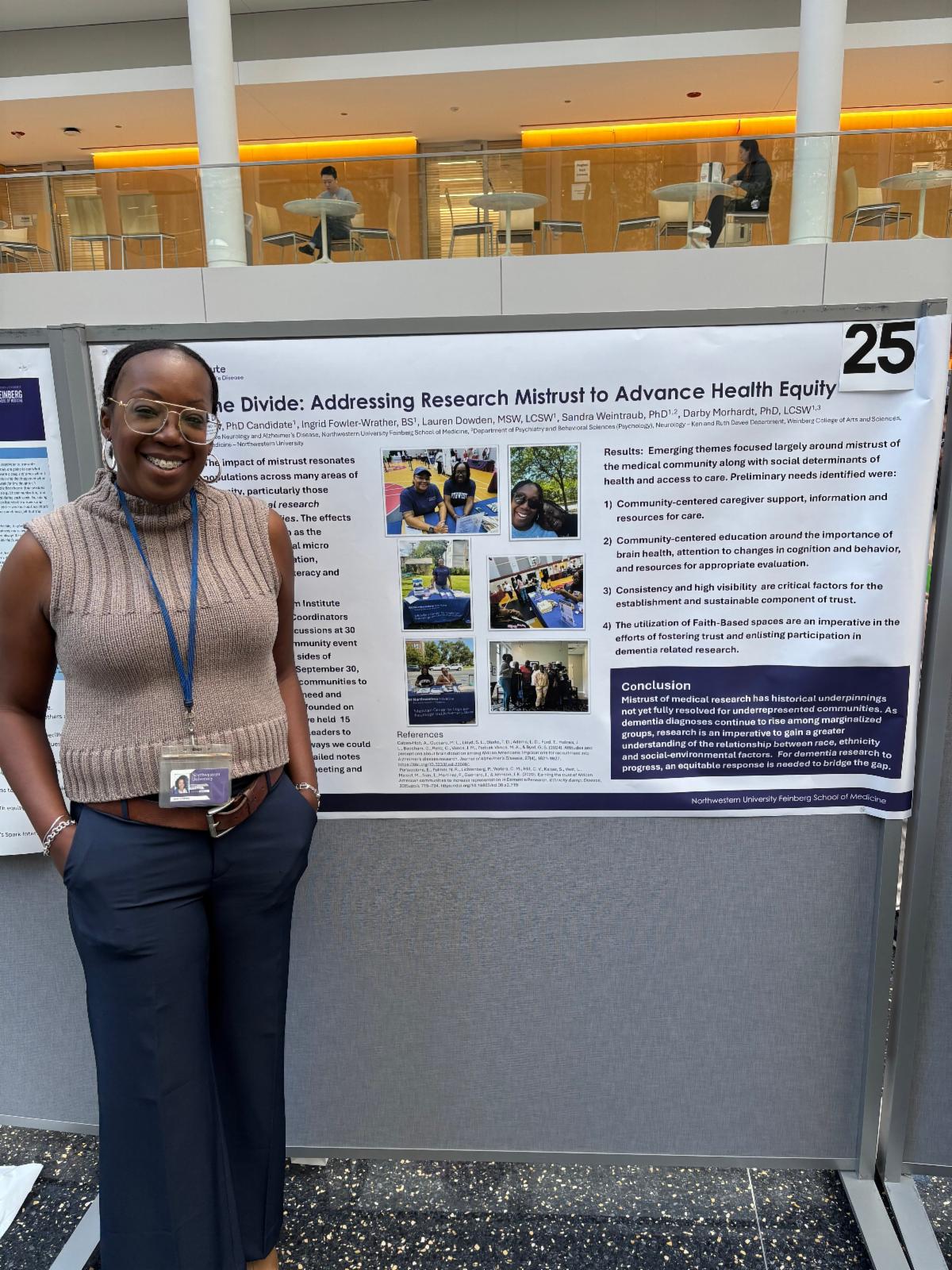
Dani Chitwood, senior community engagement coordinator, presented the community engagement team’s findings on research interest and involvement in Chicago’s South and West Sides at Northwestern Medicine’s Health and Equity Research Symposium on Oct. 14.  


Chitwood’s poster presentation — Bridging the Gap: Addressing Research Mistrust to Advance Health Equity — addressed the need to rebuild trust within historically underrepresented communities. Her presentation included insights on why underrepresented individuals have chosen to not participate in research as opposed to their counterparts.  


Chitwood and her colleagues hope to use the findings for further exploring how community engagement can play a key role in higher participant screening for Alzheimer’s and dementia research. 


Community Engagement has been a foundational area of focus for the Institute to build community relationships that are reciprocal, enduring, and encourage research participation.  


“By listening to community stories, we’ve learned what causes mistrust and what can help build stronger connections,” Chitwood said. 


She added that if the team’s goal is fair and equitable representation in research, then building trust over time through repeated resource-based integration is key in underrepresented communities.  


Forging ahead, Chitwood acknowledges how far the team’s work has come and the prospect for new milestones.  


“Although challenges remain, our work has already built new relationships, encouraged more community involvement, and opened the door to greater trust in research,” Chitwood said.  


Memory Lane: Community Connections with Ingrid


Because the science of brain health starts with the stories we live.


Keeping up Routine with Changing Seasons


Vol. 1 Ed. 2


This past summer was a season of showing up.


From neighborhood festivals and church health fairs to memory cafés and senior events, the Mesulam Institute team spent the warm months connecting with people where life happens.


Chatter along neighborhood blocks, heart-to-hearts in sanctuaries, and laughter under tents — each handshake, story, and interest card reminded me that brain health isn’t confined to the clinic. It’s lived out in our communities every day.


Now as fall settles in, the days are growing shorter, the air cooler, and our routines are shifting. These seasonal changes can touch all of us, but for people living with dementia and their caregivers, the effects can be more pronounced.


Here’s one moment that comes to mind: a caregiver once shared that when daylight saving time ended, her husband — who lives with dementia — began waking up at 3 a.m., convinced it was morning.


That one-hour time shift threw off their entire rhythm for weeks. These transitions can be disorienting, but they also remind us how sensitive and adaptable the brain truly is.


Less daylight may disrupt sleep or increase confusion. New schedules can feel unfamiliar, and Even changes in temperature and sunlight can influence mood and cognition.


As the season shifts, it’s important to tap into your evergreen resources: sticking to routine and reconnecting with your community.


Here are a few ways to ease the transition


  • Take in the fall mornings: Soak up natural light each morning to help regulate sleep and mood


  • Check in on your neighbors: social connection is as vital to brain health as nutrition and movement


  • Keep routines consistent: familiar mealtimes and bedtime rituals help orient loved ones


  • Engage the senses: warm tea, cozy textures, soft music, or fall scents can provide comfort and grounding


  • Explore local programs: memory cafés, caregiver support groups, and neighborhood senior centers often offer seasonal activities and health resources.


I’ve learned that the community engagement work we do at the macro level at the Mesulam Institute can be applied at the individual level too all by using simple tips and tricks to acclimate with changing times.


Turning to fall, our engagement work at the Mesulam Institute is full speed ahead.


We’re committed to ensuring communities have what they need to navigate these transitions with confidence and care. Whether it’s caregivers finding encouragement at a memory café, a church member picking up resources at a health fair, or a student volunteer learning how to support older adults — the work continues.


As fall settles in, let’s keep walking together.


Want to connect? Email me at to learn more about our work or visit our website.


Spotlight on The Institute

Join us in congratulating Darby J. Morhardt, PhD, LCSW on receiving the 2025 National Association of Social Workers (NASW) — Illinois Chapter Lifetime Achievement Award.


Her lifelong dedication to providing equitable dementia care and social work has been transformative to the Mesulam Institute and to the state-wide dementia-care community.


To read more about Morhardt's contributions, click here for the NASW announcement.

Featured Research


Atrophy Progression in Frontotemporal Lobar Degeneration-TDP-C with Primary Progressive Aphasia

Authors: Elena Barbieri, Allegra S Kawles, Michelle Los, et al.

Published: Oxford Academic Brain

Elena Barbieri, Research Assistant Professor of Physical Medicine and Rehabilitation, and fellow primary progressive aphasia researchers published their findings on brain tissue degeneration's correlation to loss of word comprehension. Click below to read more.

Want to learn more about this and other recent publications from the Mesulam Institute? Click here to view all recent publications.


Interested in Participating in Research?

We are currently enrolling participants in various research studies here at the Mesualm Institute. Our research studies lead to better understanding of Alzheimer's and related dementias and help inform future treatments for these diseases.


Please follow the steps below to join our research registry and learn more about our active research studies. Our work is possible thanks to the generosity of our research participants — we appreciate you.

  1. Join Our Research Registry: Click here or click the button below to join our registry.
  2. Match to a Study: We will contact you when we identify a study that might be a good fit. Click here to view our active studies.
  3. Participate: Participate in studies you choose and qualify for. Click here to view FAQs.


Consider making a gift to support the Mesulam Institute.


Stay Connected

Web        LinkedIn        Facebook        X

If this email was forwarded to you, and you want to join our mailing list, please sign up here.