|
Connections in Holistic Nursing Research
Vol. 10, No. 3
|
Editor: Heidi Honegger Rogers,
DNP, FNP-C, APHN-BC
|
|
|
|
|
Dear Colleagues,
 |
|
|
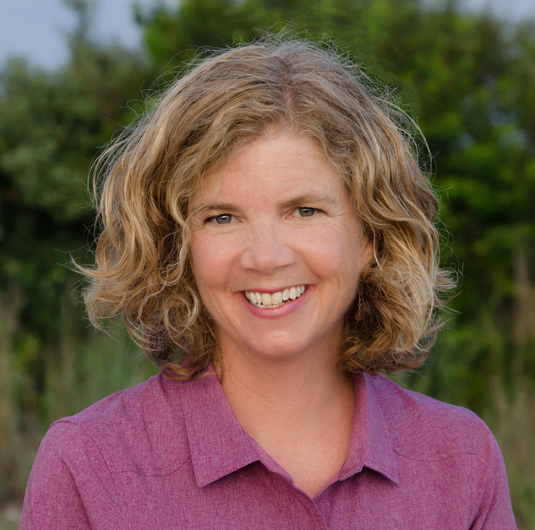
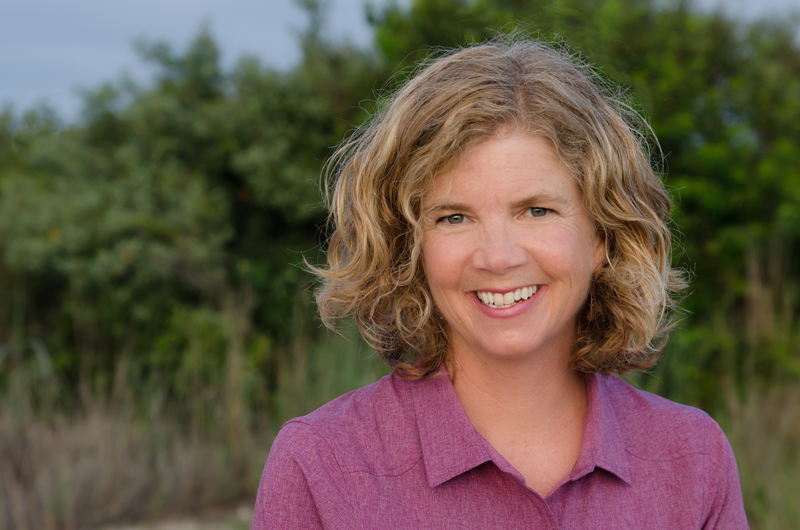
Heidi Honegger Rogers
|
What a fantastic conference! I so enjoyed interacting with the research team and meeting the folks who are trailblazing the way for holistic nursing research. I'm sure everyone else enjoyed the conference as much as I did. In this issue, we are highlighting one of our board members who is working in the fascinating area of how we embody self-care and compassion and how that translates to our patient care. I want to thank the research committee for the inspiration they sent along for this issue and extend an invitation to the membership to consider serving on this important committee!
|
NCCIH Research Studies on Mind and Body Approaches for Painful Conditions
|
Recent studies funded by NCCIH have added to the growing evidence that mind and body approaches may help people manage certain painful health conditions.
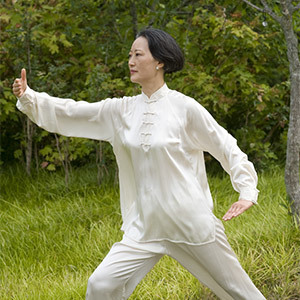
One study showed that practicing tai chi
can improve symptoms of fibromyalgia. In this study, tai chi was at least as helpful as aerobic exercise, the most commonly prescribed nondrug treatment for this disorder.
In an NCCIH-funded study conducted in a diverse urban population,
a structured yoga program was found to be as helpful as physical therapy for low-back pain.
For people with knee osteoarthritis, an NCCIH-funded study showed that
tai chi and physical therapy were equally helpful in reducing pain and improving physical functioning.
|
Ask the Community a Research Question
|
 Periodically members of the AHNA community need to reach out to the broader community to ask a question about research, we'd like to encourage you here! Send your questions to
Hrogers1@salud.unm.edu
and we will post them to our research committee and also include them in the next newsletter. Periodically members of the AHNA community need to reach out to the broader community to ask a question about research, we'd like to encourage you here! Send your questions to
Hrogers1@salud.unm.edu
and we will post them to our research committee and also include them in the next newsletter.
|
Are You Interested in Becoming a Researcher or Partnering with Other Researchers in the AHNA?
|
 The AHNA Research Committee offers a program for those nurses who want to conduct research or are working on a quality improvement project, but need some guidance. If you are a new researcher who would like some assistance, the AHNA Research Consultation Program is for you. The AHNA Research Committee offers a program for those nurses who want to conduct research or are working on a quality improvement project, but need some guidance. If you are a new researcher who would like some assistance, the AHNA Research Consultation Program is for you.
For AHNA members, this service is provided for $20 for one research consultation and $50 for three, and can be purchased online at
www.ahna.org/Shop/Specialty-CNE
. Consultations are expected to be less than one hour, and will be most productive when the Consultation Request Form is thoughtfully completed. For example, providing your area of research interest and other descriptors will enable the program manager to better match you with a consultant. After purchasing your consultation service, you will receive an email receipt that guides you in the process for your consultation. This program is managed by Margo Halm, who can be contacted at
margo.halm@va.gov
|
|
|
|
Interview with Roxane Chan, PhD, RN, AHN-BC
|
|
|
|
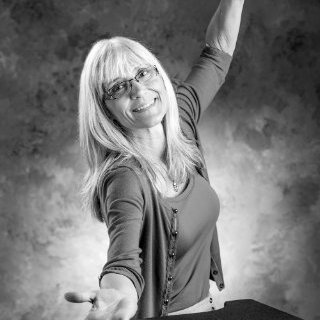
Roxane Chan |
Interview with Roxane Raffin Chan, PhD, RN, AHN-BC, Associate Professor, Michigan State University
Heidi and Roxane met in Niagara Falls at the Annual AHNA conference.
Heidi: Tell me about your research?
Roxane: I started out researching mindfulness in chronic disease with patients experiencing COPD and people with traumatic brain injury about 10 years ago. I had been meditating for a long time (since college in the 70s) I had been teaching meditation the community for 10 years. I was used to teaching meditation and, as a pulmonary nurse working with patients with COPD, I understood what kinds of things I would bump up against teaching these individuals meditation, especially in terms of emotional awareness and the air hunger. Initially, we selected the MBSR intervention because that was the only research ready intervention to use. We modified the MBSR model to accommodate patients with COPD and dyspnea because my experience with COPD patients helped me to identify that experiencing strong emotions, having an early focus on breathing and sitting in a class for two hours would all be difficult for them. We kept the eight-week format and all other topics and exercises. However, we shortened the class time, changed the focus on negative emotions to a focus on dyspnea and taught beginning meditation skills using alternative focus for those who were uncomfortable with a focus on breathing. During the study we collected survey, biomarker data and qualitative feedback using weekly journals, reflective writing and an exit interview. We learned a great deal from the feedback and were able to make some key adjustments before be sailed into working with people who have a TBI, who often have similar emotional aspects. It's my experience that some people hold a real sense of shame and guilt around why they're sick. What I learned doing this process is that people can only take little bites, you really have to go so slow and start with the basis of self-compassion and self-acceptance. Then I discovered Mindfulness Self-Compassion which is on equal footing with MBSR in terms of being research ready. So, I became trained through the UC San Diego with Kristen Neff and Christopher Germer in the mindfulness self-compassion protocol.
Heidi: How did you design your interventions around embodiment?
Roxane: It's been a process, I wanted to teach students to deliver interventions in mindfulness and other creative modalities with patients. So, I decided to do a participatory inquiry with the students, to help design the curriculum. I had students volunteer and I took them through two seminars on reflexology, guided imagery for sleep and use of lavender at the bedside. I was trying to teach them about three things that are evidence-based, and we have a lot of lavender and foot reflexology and guided imagery for sleep research. Then I brought them to the hospital and I had them offer interventions to their patients, like a salesman. They asked patients if there was anything they could do to help them with sleep and they offered the modalities they had learned as a menu. Of course, the patients said yes! The hospital viewed our activities as a quality improvement project so we did not require IRB approval. We did qualitative inquiry on their reflective practice after they delivered this care to their patients. In the reflective practice, the students picked up right away that they didn't have a complete sense of presence, some had inklings when they got it, but almost none of them could do a guided imagery for sleep because they perceived they weren't present. This experience has since informed our work with students around how to actually embody the intervention themselves. Now all the students do a 6-hour retreat for this course they take, so that they can start to really experience presence.
What we have realized is you to put them through something where they're actually making those connections for themselves in an embodied way, and that when they have this, they can be present with their patients and really deliver guided imagery specifically.
Heidi: That is fantastic! Tell me what challenges you have since faced in your work researching these interventions with patients?
Roxane: It's not as easy as just going out and teaching everyone with chronic disease an eight-week program. There needs to be a sustainability plan for how they can continue these practices after you teach them, that's the biggest problem I found. In general, we have to be able to find someone on staff in their clinic to lead the meditation groups after the study was over, which has been great. Actually, after some time one of these groups lost their staff person and interestingly, the group said, "we don't need anybody we can do it ourselves" and they did! I just recently published an ethnographic study on that
So, these people with COPD run their own meditation group and as new people come in they teach them, because they have this practice embodied and they feel confident in sharing it.
Heidi: It's interesting to think about how we figure out where that shift is in terms of when we embody our intervention and how do we talk about this in the research. What are the challenges and strategies for you in doing this work as a researcher?
Roxane: The number one is helping people understand what this idea is of holistic nursing and interventions around embodied experience. The hardest thing to explain is how you switch your mindset to be a holistic nurse even when you are practicing in a Western Medicine framework. I often refer people to the
tree image that the Center for Contemplation in Society uses.
Heidi: Tell me more about the work you are doing with the students to support this.
Roxane: I teach a class for the nursing students on self-care and integrative modalities. In this class, we do a six-hour retreat, we have now done this for 4-5 semesters. Our experience as faculty has been that now, the students are spontaneously offering guided imagery and other modalities to support their patients in the hospital. The faculty were impressed that these students could make those connections. The retreat is completely about self-care, they do mandalas and meditation, yoga, and they talk about and experience essential oils. They also practice compassionate listening and body listening and they get a little bit on energy work.
Heidi: How are you going to transplant this as you're thinking about moving into researching how we help our students embody these techniques?
Roxane: I think there's so many levels to that, we are really starting at square one with this embodied concept. There's not a whole lot out there on this. There is a small amount of research, but we have to look at this from a qualitative lens at this point. We can use some survey measures like the self-compassion measure. W
e can use maybe some
anxiety sensitivity
and focus measures as well. It's also going to have to be about how many students develop a practice of self-care while they are in school.
Roxane shared some interesting resources:
|
|
|
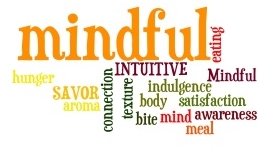 A growing body of research indicates that mindfulness-based interventions may help people reduce their consumption of potentially addictive substances such as alcohol, cigarettes, and opiates; lessen their cravings for these substances; and reduce their risk of substance use relapse. A growing body of research indicates that mindfulness-based interventions may help people reduce their consumption of potentially addictive substances such as alcohol, cigarettes, and opiates; lessen their cravings for these substances; and reduce their risk of substance use relapse.
Mindfulness-based approaches may work, at least in part, by decreasing the impact of negative emotional states, which are thought to serve as a trigger for substance use. People who practice mindfulness techniques may be better able to monitor and cope with discomfort, including cravings for alcohol, nicotine, or other drugs. Thus, training in these practices may be a helpful part of a comprehensive substance use treatment plan.
(National Center for Complementary and Integrative Health, May 2, 2018)
 The US in 2017 experienced a 12% drop in prescription opioid dosage volume, the steepest annual decline in 25 years, a report from the IQVIA Institute for Human Data Science showed. The report, which was based on data from insurance companies, clinical settings, and pharmacies, showed opioid prescribing began dropping after 2011 as prescribing guidelines, reimbursement, and regulatory and legislative oversight were tightened.
(United Press International, April 19, 2018)
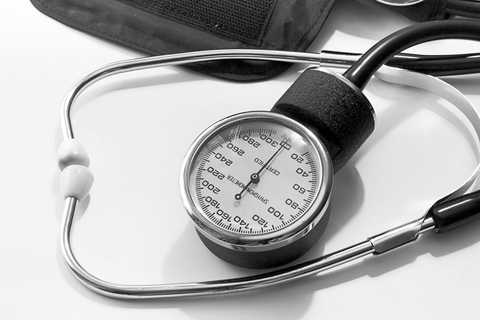 A study in The New England Journal of Medicine found 24-hour ambulatory blood pressure measurements had a stronger association with all-cause mortality and cardiovascular mortality than clinical measurements. The findings, based on data for 63,910 adults from the Spanish Ambulatory Blood Pressure Registry over the period from 2004 to 2014, showed mortality was higher with masked hypertension, which refers to normal clinical readings but elevated ambulatory readings, than white-coat hypertension or sustained hypertension.
(Family Practice News, April 18, 2018)
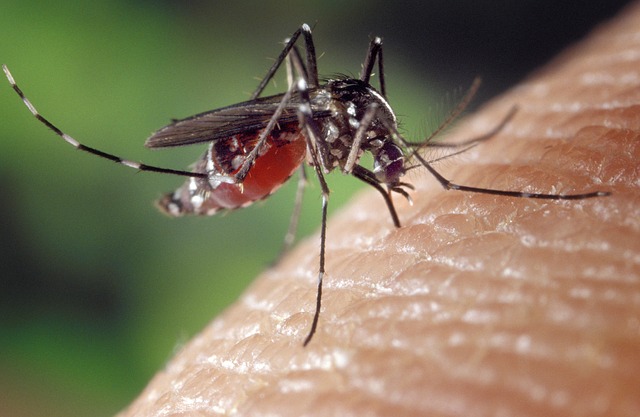 A new report from the Centers for Disease Control and Prevention has found that illnesses from mosquito, tick, and flea bites more than tripled in the United States from 2004 to 2016. The report shows that the number of reported cases of these diseases jumped from 27,388 in 2004 to more than 96,000 in 2016.
(The Washington Post, May 1, 2018)
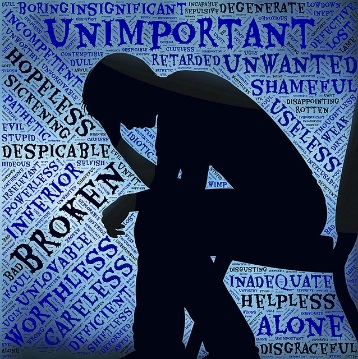 A new study conducted by a group of over 200 scientists identified 44 gene variants, or small changes in genes, that affect those who have depression, 30 of these variants had not been identified before. These gene variants can give healthcare professionals a target to use other drug therapies. The study has opened eyes on the complexity of depression and created more understanding of why there can be multiple ways of treating it effectively.
(Live Science, April 29, 2018)
 According to a study by UCSF's Weill Institute for Neurosciences and the San Francisco Veterans Affairs Health Care System, dizzying knocks to the head trigger dementia later in life in proportion to the severity of the resulting concussion. The risk is there whether it was a knockout blow or a staggering shot that only left the victim woozy.
(San Francisco Chronicle, May 7, 2018)
 Non-opioid pain medications such as nonsteroidal anti-inflammatory drugs and acetaminophen are underutilized in patients who have spine and joint surgery, according to new research published in Anesthesia & Analgesia. Patients are often given opioid medications instead. The study also found most patients do not properly store or dispose of unused opioid medications.
(HealthDay News, May 8, 2018)
 Many women with early-stage breast cancer who would receive chemotherapy under current standards do not actually need it, according to a major international study that is expected to quickly change medical treatment. The study found that gene tests on tumor samples were able to identify women who could safely skip chemotherapy and take only a drug that blocks the hormone estrogen or stops the body from making it.
(New York Times, June 3, 2018)
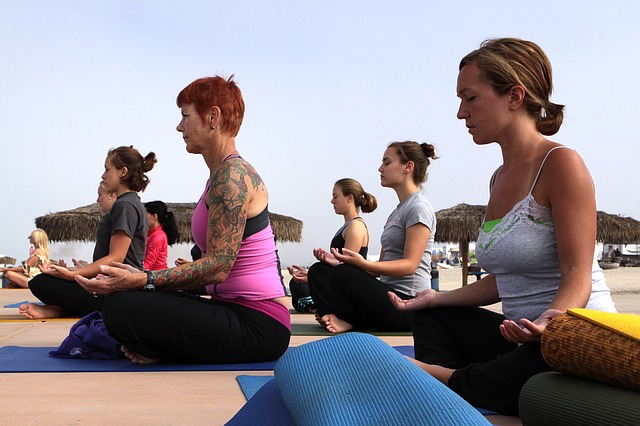 Findings from a small study found that yoga proved helpful in dealing with frequent bouts of urinary incontinence in older women, according to a presentation at an American Urological Association meeting. The women, ages 55 to 83, attended a three-month pelvis-focused group yoga program that resulted in a 75% decrease in the frequency of their incontinence.
(HealthDay News, May 22, 2018)
 A review of 29 randomized controlled trials involving 741 individuals, 69 of whom have type 2 diabetes, revealed that artificial sweeteners on their own do not raise blood glucose levels, but the content of the food or drink containing the artificial sweetener must be considered, especially among diabetes patients. The findings were published in the European Journal of Clinical Nutrition.
(HealthDay News, May 30, 2018)
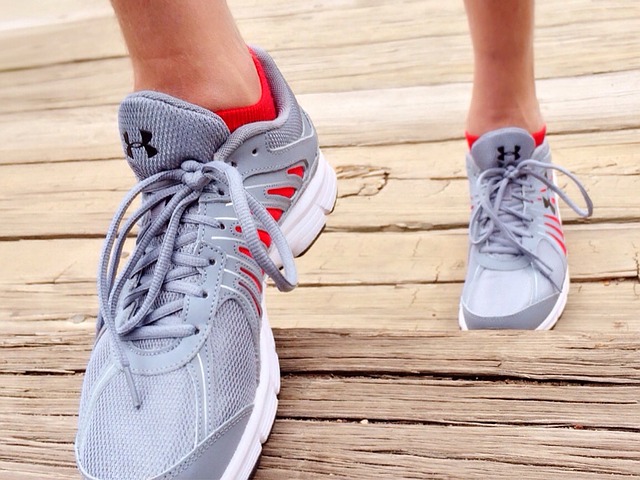 A study in Menopause showed that engaging in more than 150 minutes of physical activity per week completely attenuates the genetic predisposition to obesity among women aged 70 to 80. Researchers used a cohort of 8,206 postmenopausal women from the Women's Health Initiative, aged 50 to 80, and found that the genetic risk score for obesity was more strongly associated with body mass index among sedentary women compared with the most active women.
(Medscape, June 13, 2018)
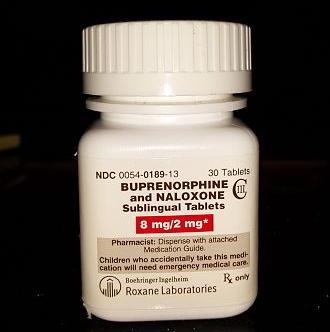 Only three in 10 people revived in an emergency department or by an emergency medical technician after overdosing were given medication to avoid another life-threatening event, researchers report in the Annals of Internal Medicine. Of those who did receive medication, those who took buprenorphine experienced 40% lower mortality after one year than those who did not take medication, and those who took methadone experienced 60% lower mortality than those who did not get treatment.
(National Public Radio, June 18, 2018)
 As the opioid epidemic rages, a Johns Hopkins surgeon and researcher is leading an effort to curb overprescribing by offering procedure-specific guidelines to ensure that post-surgical patients leave the hospital with enough, but not too much, pain medication.
(Kaiser Health News, June 22, 2018)
An award-winning data sharing model helped Wales reduce hospital admissions and violence recorded by the police in its capital city by 42 percent. Now, a community in Georgia is stemming violence through a pilot of the same model.
(Robert Wood Johnson Foundation, June 18, 2018)
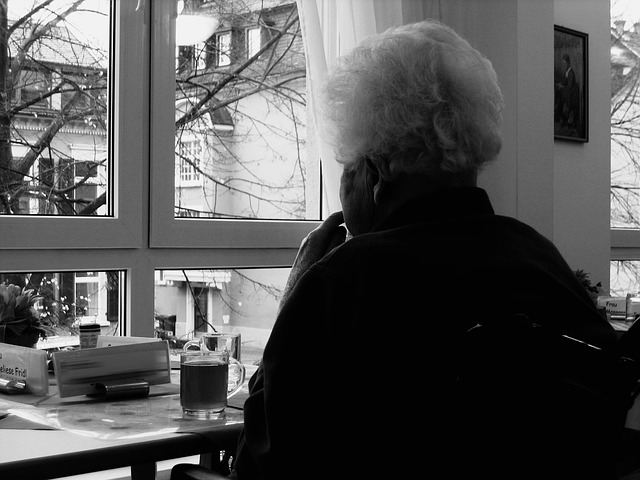 Researchers who examined brain samples from three different brain banks found that two strains of human herpesvirus were twice as high in people with Alzheimer's disease compared with those who didn't have the disease. Though since the 1980s viruses have been suspected as having a role to play in the development of the disease, the new evidence is the strongest yet, according to a study published June 21 in Neuron.
(Center for Infectious Disease Research and Policy, June 22, 2018)
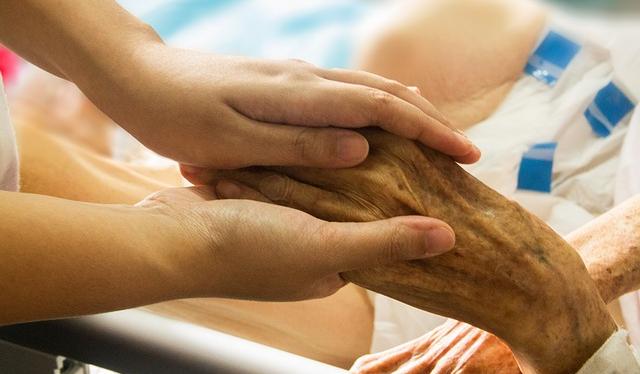 A new hospital-at-home model was associated with better outcomes and satisfaction among Medicare patients, along with lower costs and readmission rates, according to an observational study published in JAMA Internal Medicine. Care was provided by a physician or nurse practitioner in the home or through a video call at least one time per day, and a nurse visited the home once or more per day.
(Medscape, June 26, 2018)
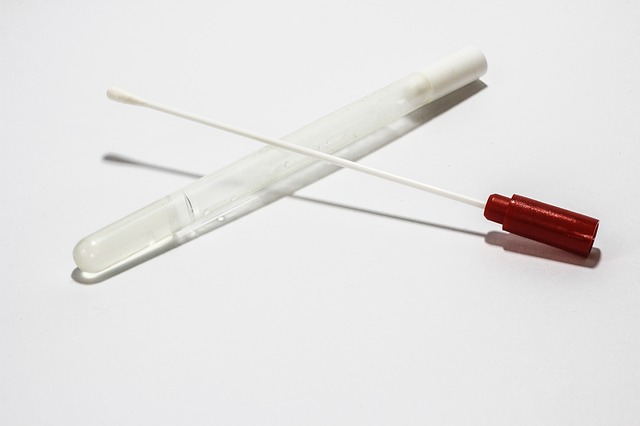 Cervical human papillomavirus testing may be better than a Pap smear in finding early signs of cervical cancer over a 48-month period, according to a study in the Journal of the American Medical Association. "Offering women HPV [testing] for cervical cancer screening detects more precancerous lesions earlier, and also a negative HPV test offers more assurance that women will not develop precancer in the next four years," said researcher Gina Ogilvie of the University of British Columbia.
(HealthDay News, July 3, 2018)
Click on title to read article.
|
AHNA Research Grant Opportunity
|
 The AHNA is offering a competitive research grant for $5000, for AHNA members who have been members of AHNA for at least one year and are conducting holistic nursing research that demonstrates advancing holistic nursing practices. Eligibility includes doctoral students who wish to apply for funds to support their research. Completed research proposals are due no later than February 15, 2019. Visit the
AHNA website for the grant application form, guidelines about the application process, and information describing how to write a research proposal. The AHNA is offering a competitive research grant for $5000, for AHNA members who have been members of AHNA for at least one year and are conducting holistic nursing research that demonstrates advancing holistic nursing practices. Eligibility includes doctoral students who wish to apply for funds to support their research. Completed research proposals are due no later than February 15, 2019. Visit the
AHNA website for the grant application form, guidelines about the application process, and information describing how to write a research proposal.
|
|
AHNA Researchers in Action
|
A special thanks for the fantastic presentations on research at the June Annual Conference!
2018 Conference Research Presentations
A Nurse Coaching Intervention: The Road to Wellness after Breast Cancer
: Tammy Faye Adams, RN, BSN & Susanne Cutshall, DNP, APRN, CNS, APHN-BC
The Effects of Self-Massage on Osteoarthritis of the Knee: a Randomized, Controlled Trial
: Dorothea V Atkins, RN BSN, MA ThD
Reflect, Realign, Revise: Creating Capacity and Sustainability for Faculty Scholarship
: Cindy Barrere, PhD, RN, AHN-BC & Jean Lange, RN, PhD, FAAN
Student Nurses Interaction with Poverty Using Embodied Nursing Curriculum; Cultivating Empathy
: Roxane Raffin Chan, RN, PhD, AHN-BC
Learning Balance: Self -Care in Nursing Curriculum
: Kathleen Cino PhD, RN, CNE
Holistic Strategies to Decrease Anxiety in Nursing Students
: Eileen Deges Curl, PhD, ANEF; Gina Hale, PhD, RN; Cindy Stinson, PhD, RN & Iva Hall, PhD, RN
The Experience of Holistic Nurse Coaching for Patients with Chronic Conditions
: Colleen Delaney PhD, RN, AHN-BC & Linda Bark PhD RN MCC NC-BC NBC-HWC
Essential Oils and Gastroparesis: Power for Transforming Health, Hope, and Quality of Life
: Dorothy J Dunn, PhD, APN, FNP-BC, AHN-BC
Efficacy and Acceptance of Reiki as a Viable Option for the Management for Chronic Pain in Military Healthcare
: MeLisa Gantt, PhD, RN, CNOR, RNFA
Impact of Eden Alternative on Hope
: Sylvia Kubsch, RN, PhD
The Spiritual Experience of Puerto Rican Women Coping with Chronic Disease: Jean Lange, RN, PhD, FAAN
The Face Of Diabetes Pilot Study 2017: Shari Liesch APNP, CDE
A Survey of Hospice and Palliative Care Nurses' and Holistic Nurses' Perceptions of Spirituality and Spiritual Care
: Julia Lukovsky, MSN, ANP-BC
Exploring Indigenous Holistic Healing Practices: Identifying Connections with Nature and Spirit to Enable Providers to Meet the Healthcare Needs of Indigenous People
: Margaret Susan Draskovich Mete, RN, MPH, MS
Randomized Study Using Jin Shin Jyutsu Self-Help for Nurses
: Julia Millspaugh, MA, BSN, RN, HNB-BC; Catherine Errico, MSN, RN, HWNC-BC; Sunnie Mortimer BSN, RN, HWNC-BC & Carole Reifsnyder, BSN, RN, HNB-BC
Promoting Healthy Lifestyle Behaviors in RN-BS Completion Students: A Mindfulness Approach
: Maria Nikolaidou, DHEd, MSN, CNE
HIV-Infected African American Women's Narratives of Self-Care
: Jill N. Peltzer, PhD, APRN-CNS
A Mindfulness Intervention to Enhance Leadership Effectiveness
: Deborah Raines, PhD, EdS, RN, ANEF, FAAN & Diane Ceravolo, MSN, RN
The Impact of Aromatherapy on Stress and Happiness on the Nursing Unit
: Deborah Raines, PhD, EdS, RN, ANEF, FAAN & Diane Ceravolo, MSN, RN
Results of a National Survey of Nurse Coaches
: Alyson Ross, PhD, RN
Exploring the Use of Structured Reminiscence as a Holistic Nursing Practice
: Cynthia Stinson, Dr, PhD & Elizabeth Long, DNP
Non-Pharmacologic Interventions for Pain & Anxiety: Enhancing Skills for End-of-Life Comfort Care (NPhCC)-a Pilot Study
: Sharon Stout-Shaffer, PhD & Kate Dean-Haidet, PhD, RN,PCM-CNS
Personal Resilience, Workplace Civility, and Staff Retention in Behavioral/Mental Health Crisis Stabilization Units
: Paula D Stover, DNP, RN, CNS
Evolution of a Theory: Intentionality: The Matrix of Healing
: Rorry Zahourek, PhD, RN, PMHCNS-BC, AHN-BC, FAAN
2018 Conference Research Posters
Randomized Study Using Jin Shin Jyutsu Self-Help for Nurses
: Julia Millspaugh, MA, BSN, RN, HNB-BC
Effects of Healing Touch in Patients Experiencing Orthopaedic Surgery: Implications for Holistic Nursing Practice
: Mary Ann Friesen, PhD, RN, CPHQ
The Impact of an Active Music Therapy Intervention on Vital Signs, Pain and Anxiety on Patients in the Intensive Care Unit
: Mary Ann Friesen, PhD, RN, CPHQ
The Effects of Aromatherapy Using True Lavender (Lavandula Angustifolia) to Decrease Pre-procedure Anxiety/Distress
: Susan M Gallina, MSN, MAS, RN, CNOR, HN-BC, CCAP
Holistic Nursing Values in Nurse Practitioner Education
: Elizabeth Kinchen PhD, RN, AHN-BC
Holistic Program to Increase Self-Efficacy of University Nursing Faculty in Preparation for On-Site Accreditation Visit
: Catie Chung, PhD, RN, CNE, PHN, CCM, CCP, WCC
We would love to hear about your research. Have you started your dissertation, had a paper published, presented, etc. Send your "Researcher in Action" to research@ahna.org. For publications, click on the article title for link to abstract (if available).
|
|
39th Annual AHNA Conference, Tulsa, OK, June 2-7, 2019
Holistic Nurses: Unifying Heart, Presence & Voice
|
2019 AHNA Annual Conference,
June 2-7, 2019, Tulsa, OK
The site of the 39th Annual AHNA Conference will be the Hyatt Regency Tulsa in Oklahoma on June 2-7, 2019. The conference hotel is the Hyatt Regency Tulsa
, Tulsa, Oklahoma. Hotel room rates are $114.00 per night and the hotel overlooks the scenic gardens of the Williams Center Complex and is only eight miles from Tulsa International Airport. Room rate is available for booking through Friday, May 10, 2019.
 Proposal Space is now live!
Guidelines for Submission
- Access Proposal Space using the link: www.proposalspace.com
- Complete proposals
- Pre-Conference & Workshop Proposals by Monday, October 15, 2018
- Posters & Research Papers by Saturday, December 1, 2018
- Additional information may be requested from review committee prior to selection
- Limit of three (3) proposals per person/group
- Direct questions to education@ahna.org or (785) 234-1712 ext. 17
NOTE: Proposal Space is the vendor AHNA uses for submission of conference proposals in all categories.
You must register for a LOG IN on Proposal Space in order to submit a proposal (
your AHNA login WILL NOT work on this site). This allows you to register all of your demographic information and establish a password to save your work as you go. Again, Proposal Space will
not accept your AHNA member login: You must register for an account on the Proposal Space
(unless you have previously registered and submitted a proposal in 2014 - 2018)
Review and Selection Process
- Only fully completed proposals will be reviewed
- All proposals undergo a BLIND peer-review
- In order to ensure no bias in the review process, your submission MUST:
- Be titled with only the presentation name. DO NOT INCLUDE YOUR NAME IN THE TITLE OF THE FILE SUBMITTED
- The content of the proposal MUST NOT contain references to ANY presenters
- Additional information may be requested
Notifications
Notice of Acceptance: Pre-Conference and Conference Workshops
- You will be notified via email on or before Monday, December 10, 2018
Notice of Acceptance: Posters and Research Papers
- You will be notified via email on or before Friday, February 1, 2019
Instructions regarding preparation of presentation for the conference will be included with the acceptance notice
This could be you! Submit a pre-conference, conference, poster, or research poster for 2019!
|
|
Your Help is Needed
|

- There is a need for new consultants for our Research Consultation Service. If you are interested, please contact Margo Halm at margo.halm@va.gov
- We are always looking for contributors to this research e-newsletter-Research Profile, Research Term, Student Corner, etc. If interested please contact Hrogers1@salud.unm.edu
|
|
AHNA Journal Club
|
 After conducting a survey of AHNA members requesting presentations that connect research to practice, the Research Committee began offering a quarterly Journal Club. (For Members Only) The purpose of the Journal Club is to read, evaluate, and discuss research related to holistic practice. During each Journal Club presentation, Research articles from the Journal of Holistic Nursing will be discussed so that all members will have online access to the articles. Although there will be a presentation, the richness of the Journal Club comes from participants sharing experiences and strategies for improving holistic care. After conducting a survey of AHNA members requesting presentations that connect research to practice, the Research Committee began offering a quarterly Journal Club. (For Members Only) The purpose of the Journal Club is to read, evaluate, and discuss research related to holistic practice. During each Journal Club presentation, Research articles from the Journal of Holistic Nursing will be discussed so that all members will have online access to the articles. Although there will be a presentation, the richness of the Journal Club comes from participants sharing experiences and strategies for improving holistic care. The next Journal Club is Friday, November 9, 2018. Watch for more details in upcoming issues of Connections in Holistic Nursing Research and other AHNA emails. Or watch for information here.
|
Volunteers Needed: Research Survey
|
Leighsa Sharoff, EdD, RN, NPP, AHN-BC, PI and CUNY Faculty member is conducting a research study and seeking participants to explore Holistic Nurses' Understanding of Genetics in Nursing Practice. Volunteers are encouraged to complete an anonymous 15-20 minute online survey.
|
Do you want to reach out to AHNA membership to participate in your research project?
|
|
Your Help Needed: Research Survey
|
As Registered Nurses and Advanced Practice Nurses, you are invited to participate in a research survey titled "A Survey of hospice and palliative care nurses' and holistic care nurses' Perceptions of Spirituality and Spiritual Care". Principal Investigator, Elizabeth McGrath, DNP, APRN, AGACNP-BC and Student Investigator, Julia Lukovsky, MSN, ANP-BC are conducting this study, along with their research committee from the Department of Nursing at Northeastern University. The purpose of this electronic study
is to assess the Hospice and Palliative Care specialty nurses' and Holistic nurses' perceptions regarding the provision of spiritual care.
Your participation in this study is voluntary and you are free to withdraw your participation from this study at any time. The survey should take approximately 10 minutes to complete.
By completing and submitting this survey, you are indicating your consent to participate in the study. Your participation is appreciated.
|
Do you want to reach out to AHNA membership to participate in your research project?
|
|
|
Call for Submissions: Journal of Holistic Nursing
|
The purpose of the
Journal of Holistic Nursing (JHN) is to publish work that contributes to development of the knowledge, advancement of the science, and promotion of the practice of holistic nursing and health care. To determine if a manuscript is relevant to our audience, authors should review the
aims and scope of the journal. One of the most common errors that authors make is a failure to make an explicit connection of their work to holistic nursing or health care.
 JHN publishes these types of peer reviewed manuscripts:
- Research (quantitative)
- Research (qualitative)
- Research (mixed methods)
- Critical Literature Reviews
- Concept Analysis and Theory Development
- Philosophical Analysis
- Education
- Practice
- Aesthetics
Find the JHN Submission Guidelines
here.
|
|
|
 Masters and Doctoral students are invited and encouraged to send abstracts of their thesis/ dissertations/quality improvement projects and submit to
Connections in Holistic Nursing Research for possible publication in the Student Corner. This gives students an opportunity to publish and allow others to gain interest in their work. If you are a mentor or advisor for a graduate student, please encourage them to share with us. Please send your submissions to Dr. Heidi Rogers
Hrogers1@salud.unm.edu. We look forward to reading about your scholarly work and inviting you to be highlighted in our next newsletter.
|
Holistic Nursing Internship Opportunities Now Available for Students
|
Projects include data collection, analysis, and reporting on leading-edge holistic nurse practice issues and holistic nursing trends for position statements on behalf of the profession. For example, from May 15 until December 31, 2017, two graduate interns from Florida Atlantic University (FAU) are contributing to AHNA's Pain Relief Toolkit project. Projects that support the nursing community at large through the holistic nursing lens. These projects can be policy, practice, grant, or regulatory focused. We invite you to contact us to discuss internship opportunities for academic credit with members pursuing higher education. Every contribution to such AHNA's initiatives will be acknowledged and may be published.
For more information email AHNA's Practice Specialist, Sharon Burch, MSN, APRN, NC-BC at
practice@ahna.org
|
AHNA 2018 Elections - Deadline for Applications is Saturday, September 15th
|
Visit
www.ahna.org/Get-Involved/AHNA-Nationally/Elections
for AHNA Nominations Handbook with elected position descriptions and the AHNA Nomination Biographical Form for self-nomination. The deadline for returning applications to the nominating committee is Saturday,
September 15, 2018
. Membership Voting will occur November 1- December 1, 2018.
AHNA positions that will be elected in the fall of 2018 are:
- President-Elect
- Treasurer
- Board of Directors-at-Large (2 to be elected)
- Nominating Committee (2 to be elected)
Members of the 2018 Nominating Committee are:
Chair Mary Joseph:
mjo71595@verizon.net
,
|
|
|
The International Council of Nurses (ICN) announced the launch of its
Call for Abstracts
for the ICN Congress 2019 in Singapore. With the theme, Beyond Healthcare to Health, the Congress will take place June 27 - July 1, 2019 at the Marina Bay Sands Expo and Convention Centre. The on-line submission system will be open from September 1 - October 31, 2018.
|
|
|
|
Heidi Honegger Rogers
|
Heidi Honegger Rogers, DNP, FNP-C, APHN-BC
Heidi is a family nurse practitioner, advanced practice holistic nurse, assistant professor and the Director of Interprofessional Education for the University of New Mexico Health Sciences Center. Heidi earned her BSN and MSN at the University of Pennsylvania in Philadelphia and has worked as a family nurse practitioner for 20 years in Los Angeles, Albuquerque, Santa Fe and Espanola. She received her doctorate in nursing practice from the University of Colorado in 2015. She is passionate about women's leadership models, collaborations between nurses and social activists and the importance of sleep for well-being. She is currently exploring how we care for ourselves as nurses in difficult times.
|
|
|
Feel free to share the content in this eNewsletter with your email contacts, list-serves, or favorite discussion boards/ blogs. Please just be sure to mention that
Connections
is a benefit of AHNA membership.
Connections in Holistic Nursing Research
Editor:
Heidi Honegger Rogers, DNP, FNP-C, APHN-BC
Contributors:
Thanks to Rorry Zahourek and Terri Roberts for sending in
interesting articles and information for this newsletter
AHNA Board of Directors
Liaison
to Research Committee:
Margaret "Maggie" O'Brien King, PhD, RNBC, AHN-BC, CNL (Cincinnati, OH)
Chair of the Research Committee of AHNA:
Jeanette Plodek, PhD, CCAP (Laurel Hill, FL)
Vice-Chair: Maryann Abendroth, PhD, RN (Elburn, IL)
Although the AHNA supports the concepts of holism, it refrains from endorsing specific practitioners, organizations, products, services or modalities. Opinions expressed in this eNewsletter may not reflect the position of the AHNA.
You are receiving this email from American Holistic Nurses Association because you are a member of AHNA. If this email has reached you in error please contact
membership@ahna.org
. If you are a member and wish to change your email address please visit "
My Profile
" at
www.ahna.org
.
AHNA values your privacy. We never rent, sell or share your email address.
UNSUBSCRIBE if you no longer wish to receive Connections in Holistic Nursing Research.
|
|
|
|
|