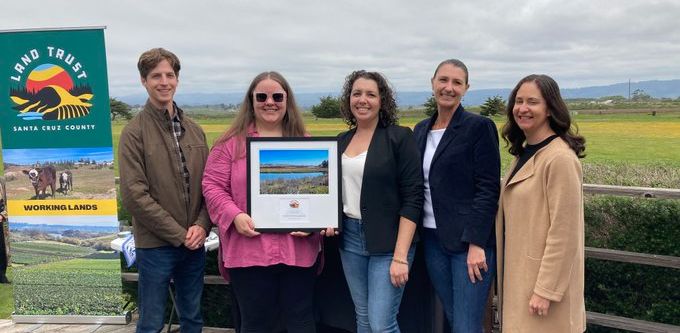
In May, CalConservation joined the Land Trust of Santa Cruz County, California Coastal Conservancy, and Wildlife Conservation Board to celebrate the conservation of Beach Ranch in Santa Cruz County. The project protects 247 acres of habitat, farmland, and community protection against flooding.
The Department’s own Chris Driesbach made a notable fossil discovery! Chris unearthed an “unusually complete” whale fossil dating over 13 million years old that was excavated, airlifted, and now resides at the Santa Barbara Museum of Natural History for further study.Read More
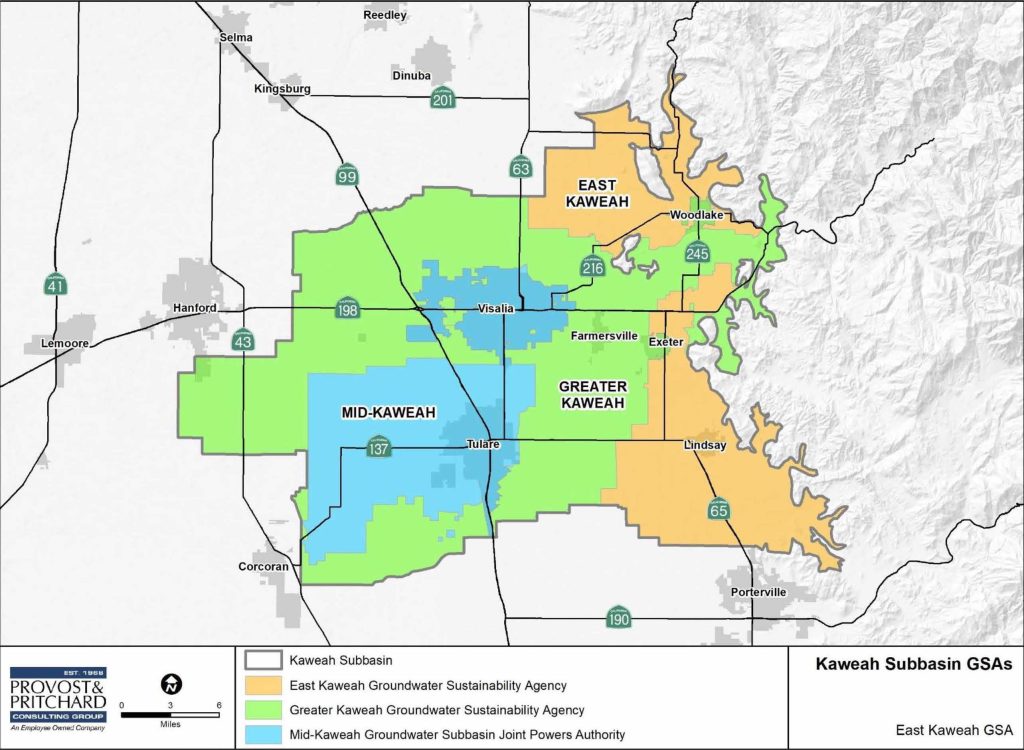
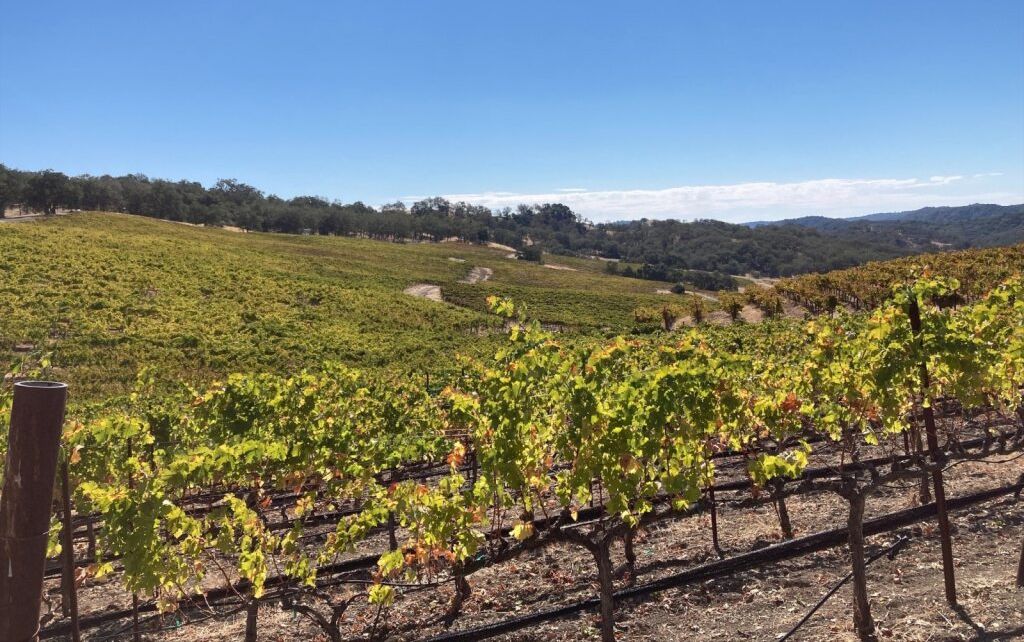
Adelaida Springs Ranch and the Land Conservancy of San Luis Obispo recently secured an easement from Conservation and the Strategic Growth Council to protect 890 acres of woodland and rangeland.
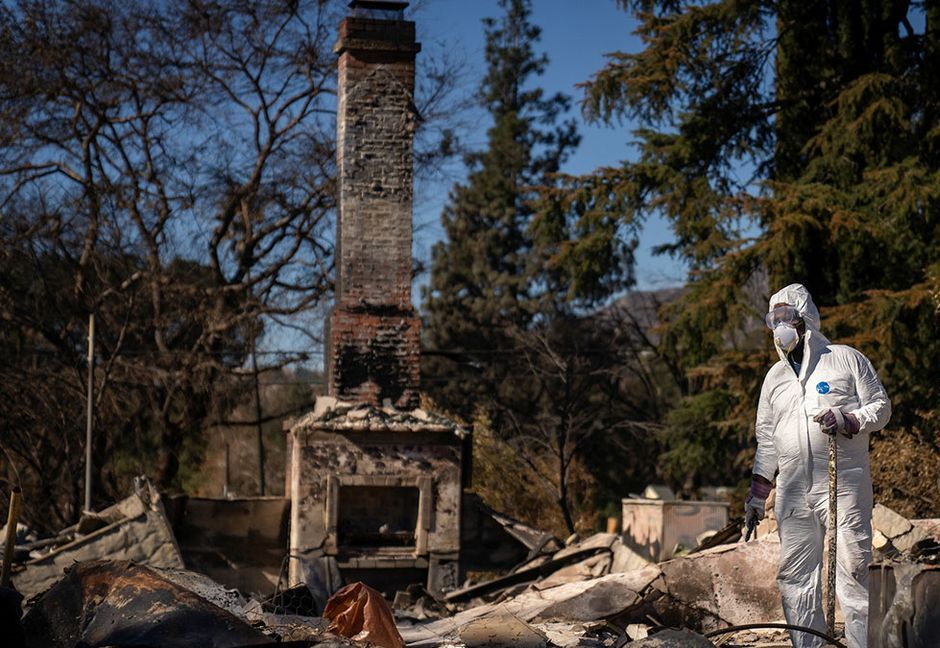
State Mining & Geology Board member Stephanie Landregan’s is working to preserve trees in the Altadena area in the aftermath of the destructive Eaton Fire. Her ongoing efforts in the community, including with the American Institute of Architects Pasadena and Foothill Chapter, are helping protect the region’s iconic cedar trees, among other species. Read more about her efforts
CalConservation and the California Air Resources Board (CARB) held a May 27 public meeting for the Methane Task Force. The meeting shared highlights from recent SB 1137 health protection zone workshops, a recap of CalGEM’s Project Plug efforts, and updates on CARB’s methane monitoring program.
Don Lindsay from the California Geological Survey spoke last month at a Post-Fire REcover All Hands All Lands meeting hosted by the Washington state Department of Natural Resources. Lindsay briefed attendees about the team's role in recovery from January's Los Angeles wildfires, providing insight to our partners across the west coast. Watch the Video
With funding from Conservation, CalFIRE, and other state partners, local landowners have transformed a high-risk brush field into grazing lands and grasslands while significantly lowering the area’s fire risk.
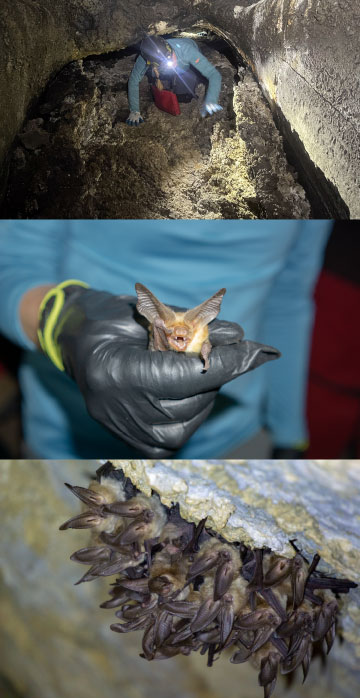
A fungus has been decimating American bat populations for years, causing the deadly disease White Nose Syndrome to flourish in bat caves across the continent. The Department’s own Trinity Smith continues to dedicate her time and passion, protecting native bat populations through her extensive fieldwork tracking the fungus's spread within California'sabandoned mines and beyond. Learn more from the New York Times about how preserving bat colonies and protecting the public from the abandoned mines they thrive in go hand-in-wing.
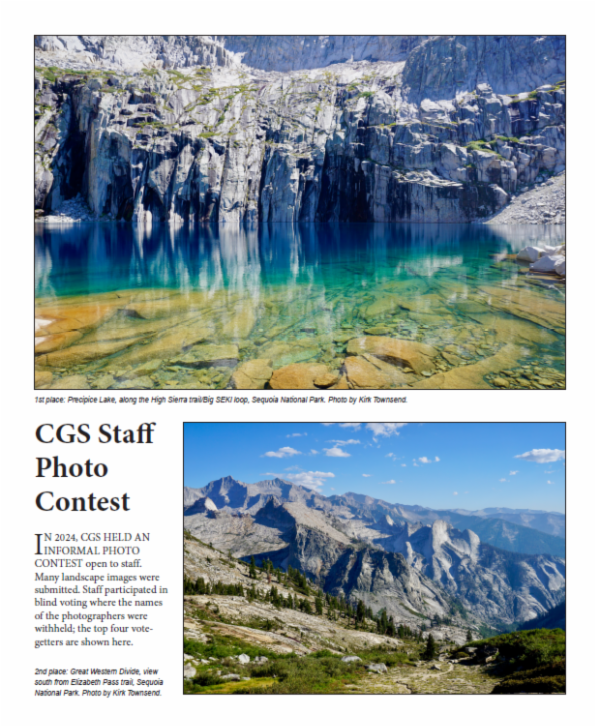
It is common for the California Geological Survey Team to catch a glimpse of California’s beauty when in the midst of their fieldwork. Check out the winners and runners-up of their internal photo contest in the latest issue of CGS Magazine. Click Here
Want more updates like this but aren't yet subscribed?



.JPG?width=350&height=197)