|
In just a few short weeks, we are going to see some changes! Leaves will be changing color, temperatures will start to drop, and the fall season will be here. Before we start seeing these changes, however, we still have the rest of summer to deal with. There are plenty of hot days ahead and, along with that, possible water shortages. Stay on top of your water usage by taking a few moments to read this latest edition of our newsletter. Need help? Give us a call! Home Repair and Care: "We do the little things that never seem to get done", and so much more!
| | Tips for Conserving Water Before, During, and After a Drought | | |
This summer season feels like it’s been a mixed bag as far as weather goes, with sudden downpours one week, and desert-like conditions during another. Drought is no stranger to summer. In fact, summer is the season in which most droughts occur, due to the high temperatures and rapid evaporation. It’s during this season that being mindful of our water usage is especially important. There will be times when water shortages become droughts and water restrictions become mandatory. But whether we are in a drought or not, water conservation is important. Read on and learn more...
Check for Leaks
It may be hard to believe, but approximately 1 trillion gallons of water is wasted nationwide, every year, due to small household leaks. In our own homes, for example, a faucet dripping once every second can waste up to 3,000 gallons over the course of a year, while a toilet with a leaky flapper can waste 200 gallons a day! Taking shorter showers, as you will read later in this article, can certainly save water, but fixing these household leaks are even more effective and can save way more water.
-
Check all plumbing for leaks by taking a reading of the water meter. Wait 30 minutes without using any water and then take a second reading. If the meter reading changes, you have a leak.
- Check for toilet leaks by adding food coloring to the tank. Color will appear in the bowl within 30 minutes if you have a leak. Often, replacing the flapper will resolve the leak and it is an inexpensive repair if you do it yourself.
- Repair those dripping faucets we mentioned just a moment ago by replacing washers.
-
Inspect plumbing and irrigation (sprinkler) systems each year, for leaks. More about sprinklers, below.
- A well pump, if you have one, should be checked periodically, too. If the automatic pump turns on and off while water is not being used, you have a leak.
Water Usage in the Bathroom
More than half of the water we use each day happens in our bathrooms. From showering to shaving, from baths to brushing teeth, the water is running quite a bit.
- Turn off the water while brushing your teeth, shaving, or washing your face. It may not seem like it would make a difference, but it does and can save approximately four gallons of water every time you do it.
-
Showering generally uses less water than taking a bath. Optimize this by taking short showers, turning the water on only to get wet, shutting off water while lathering up, and then turning the water on again to rinse off. You can also use a timer to keep track of the length of your shower. Additionally, replace your showerhead with a low-flow version. This will save water and energy by restricting water flow and reducing water usage by up to 50% compared to traditional showerheads. This minor upgrade is an inexpensive way to significantly increase water conservation.
-
Flush the toilet only when necessary. As a person who spent time growing up in New York City during a water shortage, the words of former Mayor Ed Koch will forever be engraved in my mind: “If it’s yellow, let it mellow. If it’s brown, flush it down”. Additionally, dispose of tissues and other such waste in the trash rather than the toilet. When replacing an older model toilet, consider purchasing a low-volume toilet that uses less than half the water. Dual-flush water-efficient toilets may be a more expensive upgrade, but they can save thousands of gallons a year, and can be installed by those with basic plumbing knowledge. If you’re not in the market to replace your non-efficient toilet right now, put a brick or full water bottle into the tank to reduce water volume.
Run Full Loads
Full loads are the way to go, when it comes to saving water.
- Running several smaller washing machine loads uses more water than one full load, so maximize water efficiency by waiting until you have enough laundry for a full load. If you absolutely have to run your washer when it is less than full, make sure to select the appropriate load size, if your machine has such a feature, so that the washer uses only the water it needs.
-
Using a dishwasher uses less water than washing dishes by hand! In fact, it can save up to 2,400 gallons a year when compared to handwashing. An Energy Star dishwasher, for example, uses less than four gallons of water, while handwashing can use up to 20. As with washing machines, be sure to run your dishwasher only when it is full, too, which will reduce how many cycles and gallons of water are used. In addition, save even more water by scraping food off the plates instead of using water to rinse them before they go in the dishwasher.
- Not everyone has a dishwasher, so be sure to follow this water saving tip for hand washing your dishes, if so. In your sink, fill two basins—one with soapy water and the other with rinse water. You can even put a small amount of chlorine bleach in the rinse water basin. This method saves water by not having to continuously run the faucet as you wash your dishes.
Water Usage in the Yard
It is estimated that approximately 30% of Americans’ daily water usage is spent tending to the outdoor areas of our home….unless it’s summer. In the summer, that number can jump to as high as 70%!
- As we mentioned earlier, you should make sure to check your sprinkler system for any leaks, and make any repairs to ensure it is in good working condition. Just one broken sprinkler head can waste approximately 25,000 gallons of water in only six months! Consider replacing traditional sprinklers with low-flow or high-efficiency sprinkler nozzles, which will conserve more water during irrigation.
- Adjust sprinkler heads so that water is going where it’s needed most, and not being wasted by landing on paved areas. You can also invest in efficient irrigation systems that target specific areas like lawns and shrubs, and avoid unwanted areas such as driveways, walkways, and other paved surfaces. More about irrigation systems, next!
- Choose a water-efficient irrigation/lawn watering system such as drip irrigation or soaker hoses for your trees, shrubs and flowers. These customizable systems can reduce evaporation and save water by targeting specific areas and efficiently delivering water directly to the base of plants. You can further reduce water waste by installing a timer on drip irrigation systems, to ensure water is delivered at the optimal times. Check these devices regularly, to be sure they operate as they should. Modern technology has also brought us smart controllers or weather-based irrigation controllers that will automatically adjust the watering time and frequency based on soil saturation and precipitation. These are not too difficult to install and are an investment that can pay for itself in the not too distant future.
- Finally, let’s talk about rainwater harvesting systems, such as rain barrels, which lessen your reliance on municipal water supplies by collecting and storing rainwater for later use, helping to fight water scarcity, especially during extreme drought conditions. This collected water can be used for watering gardens, lawns, and plants, washing cars, and even flushing toilets, instead of having to rely on potable water to do it. An efficient rainwater harvesting system can be implemented by diverting rainwater from roofs and gutters into rain barrels or other storage containers. You can also direct the rain water to specific areas by using rain chains or downspout extensions.
Smart Landscaping
Water-smart landscaping for your yard requires less water, fertilizer and pesticides.
- Planting native, drought-tolerant, and regionally appropriate plants, lawn seed, grasses, ground covers, shrubs and trees are a great option for water-smart landscapes, because they require less water and fertilizer. Native grasses can also be a great replacement for some or all of your turf grass, helping to reduce or eliminate areas of lawn that are not frequently used.
- Use mulch around trees, plants, and shrubs to keep moisture in the soil, lessen evaporation and the need for frequent watering, and help to control weeds that consume water intended for the plants.
- Using fertilizer increases the need for water. Don't over-fertilize your lawn. Instead, apply fertilizers that contain slow-release, water-insoluble forms of nitrogen.
- If your lawn does require watering, do so early in the morning or later in the evening, when temperatures are cooler, to minimize evaporation. Watering in several short sessions, rather than one long one, helps your lawn to better absorb moisture and avoid runoff. Keep in mind that lawns only need about one inch of water per week, so don't overwater. Reducing water usage on your lawn can significantly conserve water. In general, grass only needs to be watered every five to seven days in the summer. A heavy rain can eliminate the need for watering for up to two weeks! During a drought, consider allowing your lawn to enter a dormant state as an effective way to conserve water. In extreme drought, allow lawns to die in favor of preserving trees and large shrubs.
-
You can save up to 40% of water by hand watering your garden and shrub beds, instead of using sprinklers.
- Don't install ornamental water features, such as fountains, unless they use re-circulated water.
Avoid Miscellaneous Water Usage
- Keep on top of leaves and other debris by using a leaf blower or broom on driveways, sidewalks and steps instead of using a hose to spray them down.
- Wash your car with water from a bucket (see our paragraph about using rain barrel water!). When using a commercial car wash, choose one that recycles their water.
The EPA’s Water Sense Program
When purchasing new appliances, make sure to look for Energy Star or water-efficient labels to ensure they meet water conservation standards.
- Water-efficient washing machines use sensors and high-pressure sprays to clean your clothes while using less water, only about 10 gallons versus 40 on older models. Upgrading to a water-efficient washing machine can save about 30 gallons per load.
- Water-efficient dishwashers are also designed to use less water during each cycle, using improved spray patterns and filtration systems that can reduce water consumption without compromising on the cleanliness of your dishes.
The Environmental Protection Agency (EPA) offers a great resource on their Water Sense website. The website provides a product search feature that consumers can use to track down everything from toilets to shower heads to irrigation controllers that have all met the EPA’s Water Sense standards. Check it out HERE!
Other Things You Can Do
- Install high-efficiency faucet aerators with flow restrictors on your household faucets. It’s an inexpensive, easy way to significantly reduce water usage while still maintaining sufficient water pressure for everyday tasks.
-
If you own a pool, be sure to install a water-saving pool filter.
- Clean fruits and vegetables in a pan filled with water rather than running water from the faucet.
- Find ways to reuse water, rather than wasting it. Examples of this include using water that was captured, instead of left to run down the drain, while waiting for it to get hot. Use it to water plants! (You can also opt to heat the water on the stove or in the microwave, instead of running the water until it gets hot). Boiled water can be reused on dirty dishes, to soak and pre-rinse, and cleaner boiled water can be cooled down and used to water plants.
- Running water to thaw meat or other frozen foods can waste a lot of water. Instead, defrost food overnight in the refrigerator or use the defrost setting on your microwave.
-
Kitchen sink disposals use lots of water. Decrease water waste and encourage sustainable practices by using your garbage disposal sparingly. You can also compost vegetable food waste as another way to dispose of food waste.
- Wash towels less often and wear clothes more than once
While some of these tips may sound extreme to some people, they are very useful, easy tips that work to save water, especially when needed most. Most of these tips are relatively inexpensive to accomplish and many are DIY-friendly for those who wish to take care of it themselves. HRC is here to get it all done for you, though, if you need our help. Just reach out to us and let's get started!
| | What Exactly IS a Drought?? | | |
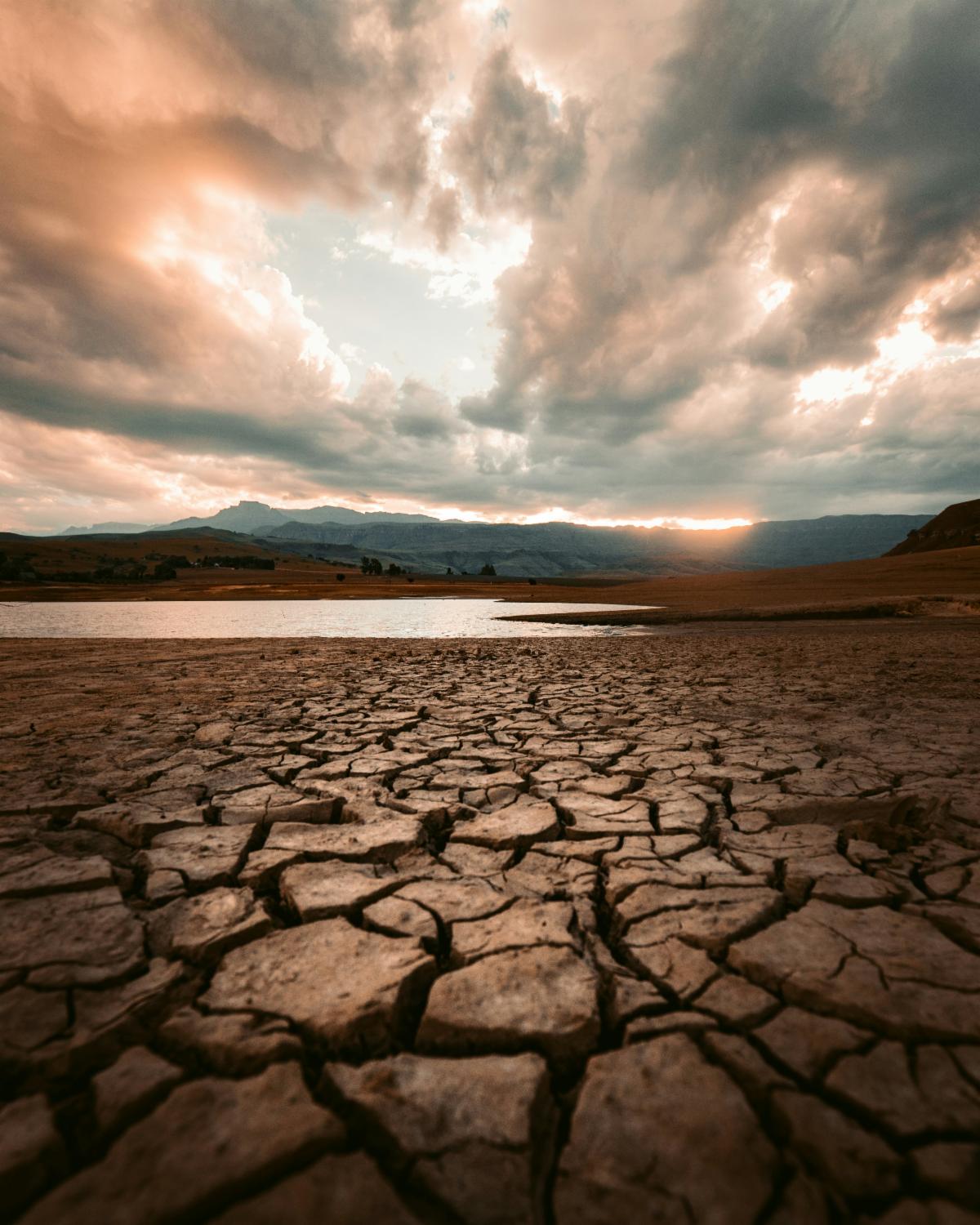
Most of us know that a drought involves a lack of water, but there’s a little more to it than that. A drought is a period of an absence of water that persists long enough to impact agriculture, ecosystems, and communities, by causing things such as crop damage and shortages in the water supply. How severe a drought becomes depends on the amount of moisture deficiency, how long it lasts, and how big the size of the affected area is. Since drought affects various sectors in different ways, droughts are defined as four main types:
-
Meteorological Drought—when an area experiences a prolonged period of dryness, causing a deficit in rainfall/precipitation. Because of climatic differences, what is considered a drought in one area may not be a drought in another area.
-
Agricultural Drought—when the amount of moisture in the soil is no longer enough to meet the needs of a particular crop and or livestock. Deficits in rainfall and soil water, and reduced ground water or reservoir levels, are all contributing factors to an agricultural drought.
-
Hydrological Drought—when the surface and subsurface water levels, such as those found in rivers, reservoirs, and groundwater, are below normal, often following months of a meteorological drought.
-
Socioeconomic Drought —when the demand for an economic good is more than the supply due to a weather-related deficit in water supply. Production of goods such as fruits, vegetables, grains, and meat, as well as water that is needed for water energy production or food availability, is directly affected when water supply is unable to meet the demand.
Water conservation measures are sometimes necessary when droughts occur, and officials may recommend these measures in order to restrict use of water. In these instances, you may be asked to do such things as water your lawn and wash your cars on odd or even days of the week, at night, or on weekends. The restrictions may also limit the amount of time you can use water or they may prohibit use of water, or require that you hand water instead of using sprinkler systems that use much more water. You should check with your local authorities or water utility for information on any recommended or mandatory water conservation and water shortage rules that may be taking place in your area. You’ll be included in the restrictions even if your water comes from a private well.
Conserving water is especially important when a drought occurs, but it’s also a good habit to get into to save water all the time, for environmental reasons, and it can put some change in your pocket by keeping your water bill low, too! Keep in mind our tips for saving water, from our first article, and try to do at least one thing each day to conserve water. You’ll be glad you did!
| | |
Home Repair and Care has a facebook page! We put reminders for upcoming events and other useful things here! CLICK HERE to follow us. You can even leave a review for HRC! We greatly appreciate hearing some kind words from our long list of terrific customers!
| | |
You can also give your review of Home Repair and Care on Google (CLICK HERE!).
| | |
We also have a nextdoor account! You can join our neighborhood, HERE. Feel free to "Fave" us and leave a review, also!
| | |
8/22/26: Somerset County (NJ) Document Shredding Event, Hillsborough, 9am-1pm. For more information on this event, CLICK HERE!
8/29/26: Hunterdon County Electronics Recycling Event, Flemington, 9am-1pm. For more information on this event, CLICK HERE!
9/12/26: Somerset County (NJ) Electronic Waste Recycling Event, Hillsborough, 8am-2pm. For more information on this event, CLICK HERE!
9/19/26: Hunterdon County (NJ) Document Shredding Event, Flemington, 8am-11:30am. For more information on this event, CLICK HERE!
9/26/26: Mercer County (NJ) Hazardous Waste and Electronic Waste Recycling Event, Lawrence Twp., 8am-2pm. For more information on this event, CLICK HERE!
10/3/26: Somerset County (NJ) Electronic Waste Recycling Event, Hillsborough, 8am-2pm. For more information on this event, CLICK HERE!
10/17/26: Hunterdon County (NJ) Document Shredding Event, Flemington, 8am-11:30am. For more information on this event, CLICK HERE!
10/17/26: Mercer County (NJ) Paper Shredding Event, Trenton, 9am-12pm. For more information on this event, CLICK HERE!
10/17/26: Somerset County (NJ) Household Hazardous Waste Recycling Event, Hillsborough, 9am-2pm. For more information on this event, CLICK HERE!
10/24/26: Somerset County (NJ) Document Shredding Event, Hillsborough, 9am-1pm. For more information on this event, CLICK HERE!
Bucks County (PA) Electronics Disposal Information. The following is a list of locations for electronics disposal. NOTE: A fee will be charged at these sites. Contact individual locations for further details. For a list of
locations, CLICK HERE!
| | July Monthly Maintenance List | | |
- Inspect visible pipes for leaks.
- Check area around water heater for leaks.
- Check for cracks, signs of dampness/leaks, and evidence of termites, rodents, etc. in basement or crawl space.
- Check for wear or damage of electrical wiring/cords/plugs and replace if necessary.
- Test smoke and carbon monoxide detectors for proper operation.
- Inspect water softener for proper operation. Add salt as needed.
- Inspect loose/missing grout or caulking. Regrout or recaulk if necessary.
- Inspect shower door/tub enclosure for proper fit. Adjust if necessary. Inspect caulking and recaulk if needed.
| | |
HRC is always thankful for having such wonderful customers to work with. Maintaining a home takes a lot of work but, if we work together, we can get it done! We're just a phone call away so remember: "We do the little things that never seem to get done", and so much more!
| | |
Don't forget, we also post tips, reminders and project updates on our social media!
FOLLOW US
| | | | |