Cover design, Cool it with Art, courtesy of MAPC
The Planet is Getting Hotter. Could Public Art Make it Cooler?
By Jessica Wallen, APA Arts and Culture Fellow
A report from Boston's Metropolitan Area Planning Council (MAPC) says artists could be a key part of cooling cities — both literally and figuratively. The report, titled Cool it with Art: A How-To Guide for Tackling Rising Temperatures with Art in Our Communities, highlights ways local governments, community organizations and artists can dream up projects that both mitigate the physical effects of extreme heat and promote more equitable climate-conscience and resilient communities.
Some of the examples in the report are as simple as finding ways to creatively use art as shelter from heat itself. Artist Mary Lucking, for example, worked with the state of Arizona in the past decade to create a series of swooping, intricately designed cut-steel screens, seats and railings to protect commuters from the blazing Phoenix sun. “The steel arcades of shade double as community landmarks that celebrate the history and features of the surrounding communities,” the report notes.
Other projects can be more conceptual, targeted to spark conversations within the endangered environment itself. Artist Eve Mosher, whose work the report says “uses the public realm as a medium to disrupt the status quo and to communicate the impact of climate change,” needed just a chalk line to inspire discussions around rising sea levels. For her first project in 2007, Mosher chalked nearly 70 miles of New York City’s coastline to show the extent of increased flooding brought on by climate change. As she drew the line, she was able to engage in conversations with neighborhood residents about the very real threats climate change posed to them — and this was five years before Hurricane Sandy proved how vulnerable the city was. The artist has since taken her chalk line to other cities, including Miami and Philadelphia.
The report includes resources, practical guidance for increasing the awareness of heat risks in the community and precedents for creative heat resilience interventions. It lists guiding principles for this kind of climate-centered community art, along with information about procurement, funding sources and project stewardship, along with an explainer of the dangers of increased heat and the toll heat exhaustion can take on the body. It is important to understand that those risks are disproportionately shared by communities that are most vulnerable to heat: from urban heat centers to the socially isolated.
“People’s experiences of heat largely depend on where they live. Low-income residents and Black, Indigenous, and People of Color experience the greatest heat burdens resulting from historic and ongoing disinvestment and discrimination.”
The report stresses the need to acknowledge the effects of historical disinvestment and racial injustice on communities when thinking about heat mitigation strategies, and to plan climate-centric projects with communities where they are based. It is also important to remember that conversations about climate can put people “in vulnerable and uncomfortable situations where they realize their home and daily rituals are directly threatened”. Working in partnership to provide humane places and thoughtful engagement can help people feel less uncomfortable.
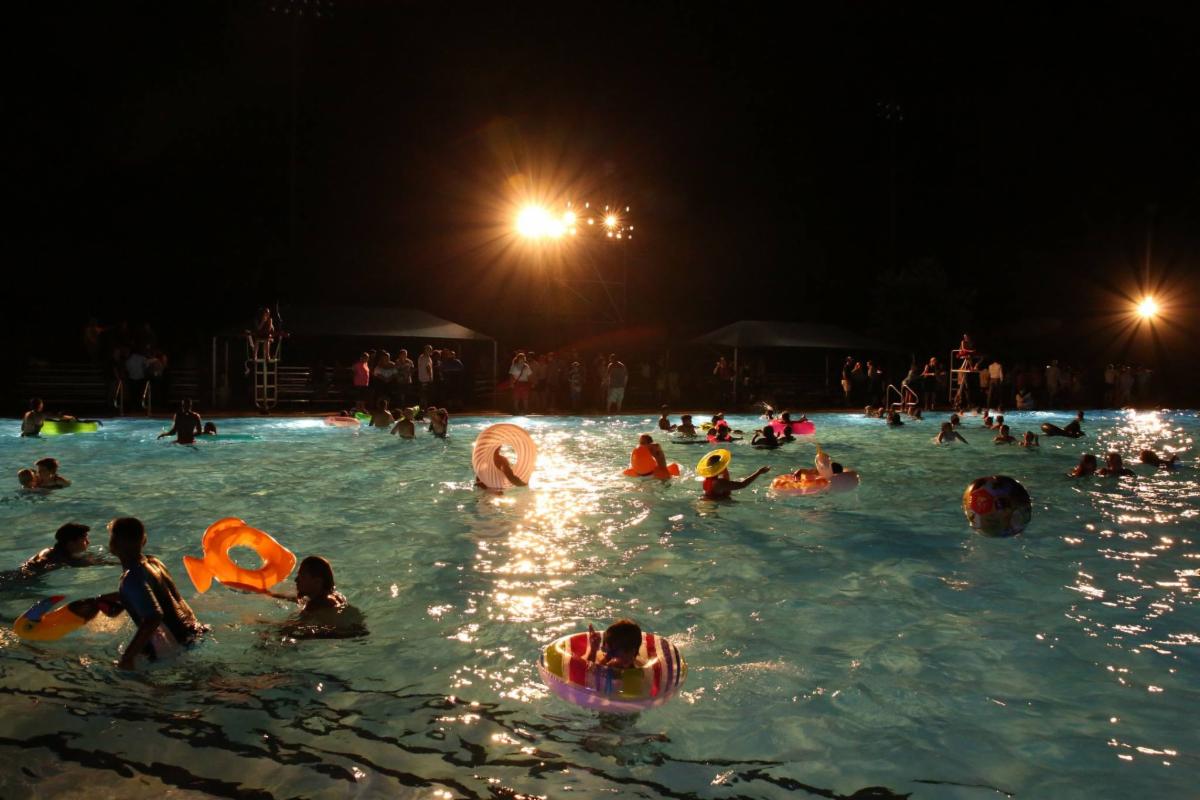
The most successful arts and planning projects include culture, practice, programs, and activities that engage residents and provide solutions. My Park, My Pool, My City is a great example highlighted in the report that shines a light on pools as cooling infrastructure that, if revitalized after public disinvestment, can provide great social and heat-mitigating benefits to the communities they serve. This project was a collaboration between the City of Austin Parks and Recreation Department Aquatics Division, East Austin neighborhoods, and Forklift Danceworks. Cool It is a great resource that illuminates how partnerships like these work to bring people together through participatory arts, encourage civic engagement, and spur innovations in climate resilience.
Cool It was issued by the Arts & Culture Department of MAPC, the regional planning agency for people who live and work in the 101 cities and towns of Metropolitan Boston. The Council is a public agency established in 1963 to work toward sound municipal management, sustainable land use, protection of natural resources and more. The Arts and Culture Department helps provide technical assistance in emerging areas of cultural planning and placemaking (such as climate-change preparedness); along with community development, policy, and data collection and analysis. It provides services that help local governments research projects, delivery trainings and build planner expertise in the fields of art and creativity.
|
|
Photo by Amitava Sarkar for Forklift Danceworks |
|
NEWS AND ANNOUNCEMENTS
WE WANT TO HEAR FROM YOU!
On August 2nd from1:00-2:30 pm PDT, join us for the next Arts & Planning Division Board Meeting and weigh in on future programs, professional development opportunities and platforms in development. This conversation is open to all of our readers, using this link.
A NOTE TO APD MEMBERS:
Keep an eye on your inbox for special announcements and invitations to further shape and refine the goals of the Division, and save the date for APD's Business Meeting on September 6th. APA elections are coming up! Please add mailto:noreply@directvote.net to your contacts as you will get a direct email from this address inviting you to vote for APD Division leadership on July 19th. The voting period closes on August 20th.
PLEASE CAST YOUR VOTE!
NOT AN OFFICIAL MEMBER YET?
Paid members will receive priority and internal communications pertaining to the Division's work plan, bylaws, opportunities to serve in leadership positions and more. Join now and stay tuned for upcoming elections and programs.
NEW! ARTS & PLANNING READING CIRCLE
We are gathering a group to read and discuss books (nonfiction and fiction) that speak to arts and planning issues and topics. Our first convening will be in August, co-hosted with APA's Tribal and Indigenous Planning Division. If you would like to join, please send an email and we will send you the details. Know of a good book for us to consider? We would love to hear about it.
|
|
STEERING COMMITTEE
Miguel A. Vazquez, AICP
Chair
Annis Sengupta
Vice Chair
Jessica Wallen
APA Arts & Culture Fellow
Patricia Walsh
Membership
Julie Burros
Treasurer
Cheryl Derricotte
Professional Development
Brittany Delany
Secretary
Leonardo Vazquez
Ethan Ellestad
Advisor
|
|
If you are interested in becoming more involved with the Arts & Planning Division, please reach out by sending a message to the email below.
The Division provides a forum for identifying, developing, and refining policy and planning tools that promote the integration of arts and culture into community development and planning. This includes exploration of topics like creative placemaking and placekeeping, cultural planning, public art planning, cultural economic development, and zoning pertaining to arts uses and facilities.
Have an announcement or a project you would like to share? Email a brief description and link to apa.apig@gmail.com.
|
|
|
|
|
|
|