|
PROGRAM OVERVIEW
Nitric oxide (NO) is a key signaling molecule in redox biology with diverse functions across different cell types. This lecture will explore the cell-specific roles of NO in cardiovascular physiology and pathology, with a focus on its regulation, bioavailability, and therapeutic potential. We will discuss how NO produced in endothelial and red blood cell (RBC) contribute to vascular homeostasis, blood pressure regulation, and cardioprotection. Special attention will be given to translational aspects of NO-signaling in cardiovascular pathophysiology. Using insights from cell-specific genetic mice models, analytical techniques, and functional assays, this talk will highlight recent advances in understanding NO signaling and its implications for novel pharmacological strategies.
ABOUT THE SPEAKER
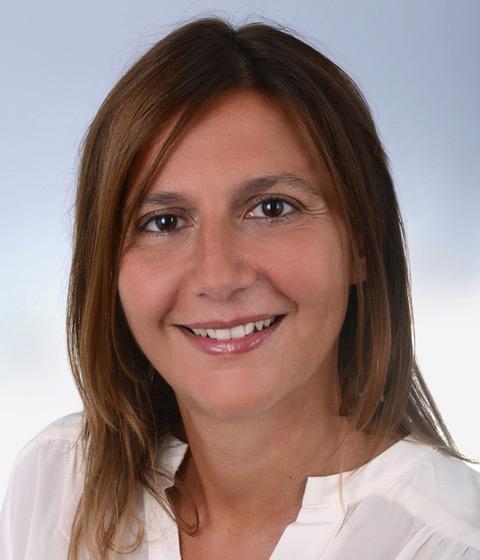
Dr. Miriam Cortese-Krott is an internationally recognized expert in cardiovascular pharmacology, specializing in nitric oxide (NO) and redox signaling. She graduated with honors in Pharmaceutical Biotechnology from the University of Milan and earned her PhD in Pharmacology with distinction from Heinrich Heine University (HHU), where she investigated the role of inducible nitric oxide synthase (iNOS) in inflammation. After her PhD, Dr. Cortese-Krott conducted pioneering research on the in vivo role of endothelial nitric oxide synthase (eNOS) in red blood cells (RBCs) and its impact on cardiovascular regulation at RWTH Aachen University and HHU Düsseldorf. In 2016, she was appointed Professor at HHU, where she established her research group. She has developed cell-specific eNOS knockout (KO) and knock-in (KI) mouse to elucidate the physiological and pathological roles of NO across different tissues. She then spent two years as a Wenner-Gren Research Fellow at the Karolinska Institutet in Stockholm, focusing on NO-mediated metabolic regulation and cGMP signaling. Dr. Cortese-Krott has received multiple awards for her contributions to redox biology and NO research. She holds leadership roles in major scientific societies, serving as President of the Nitric Oxide Society, a council member of the cGMP Society, and a council member of the Society for Redox Biology and Medicine (SfRBM). In addition to her research, she serves as Chief Editor of Nitric Oxide and Senior Editor at the British Journal of Pharmacology.
|