News & insights from Cornell Center for Health Equity - send your latest research and program updates on health equity to Saie Kim. | | |
- Carla Dias, B.A. on New Graduate Chapter
| |
- Cayuga Health Updates
- Community Practice
- Preparation for New Medicaid and SNAP Updates
| |
- Health and Algorithmic Age
- Second Primary Cancer Risk
- Inflation Reduction Act
- The Welfare Workforce
| |  | |
- Health Equity Seminars
- Building Leaders in Research
| |
- Medicaid Work Requirements Impact
- Residential Segregation Affects Heart Health
| |
- Health Equity Seminar
- Annual CCHEq Research Symposium
| | A New Graduate Chapter Advancing Efforts to Reduce Health Disparities | | |
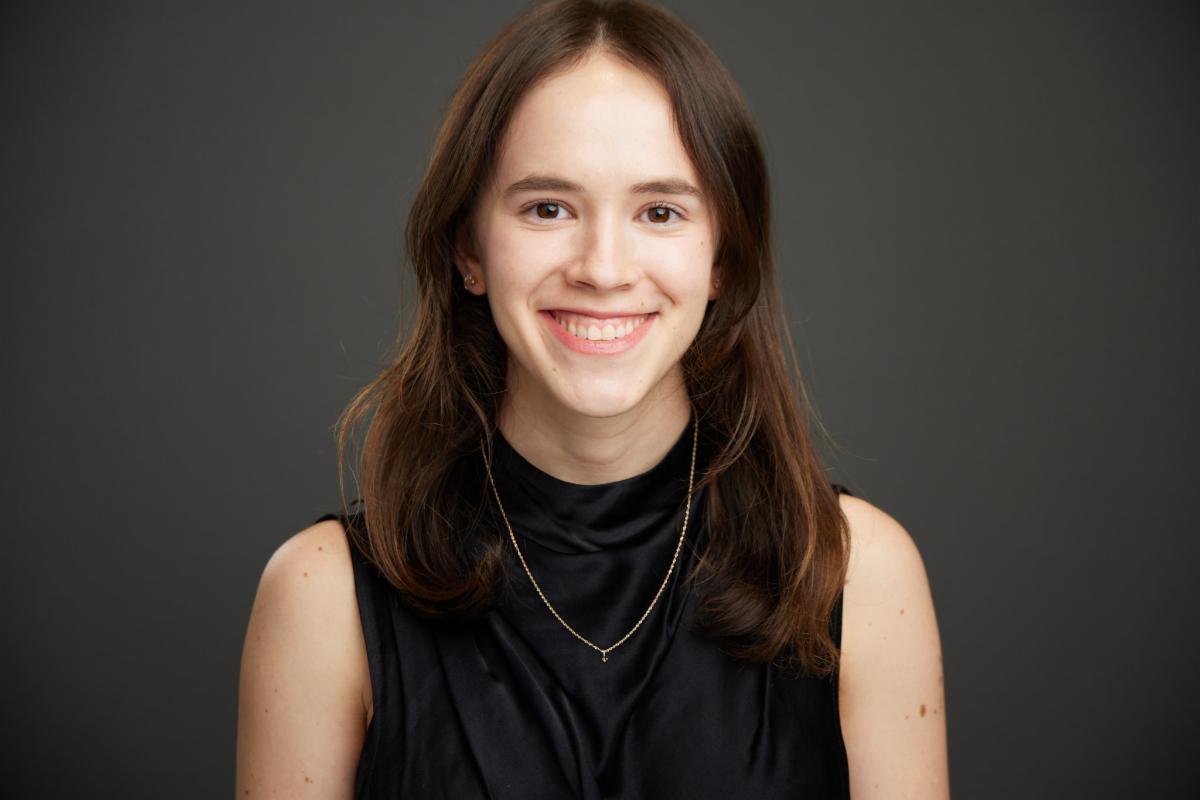
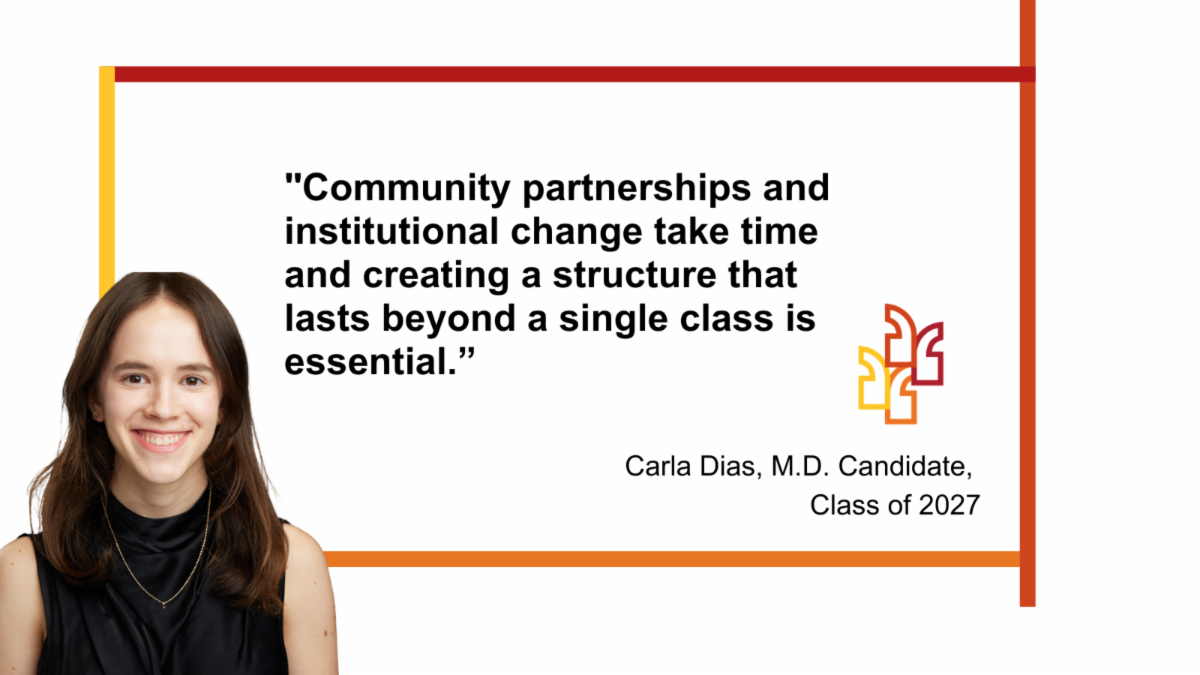
Center Member, Carla Dias, B.A., a third-year medical student at Weill Cornell Medicine, is leading the creation of a new graduate chapter dedicated to strengthening student engagement in work related to reducing health disparities. This chapter will provide a lasting structure that preserves institutional knowledge, supports continuity across class years and expands access to the many health‑equity–focused research and community initiatives at Cornell University and Weill Cornell Medicine.
Carla emphasized that early priorities include increasing student participation in CCHEq symposia, organizing a fall panel on equity‑centered research and developing a guide to health‑equity opportunities so students can identify projects earlier in their training. The chapter is also working to strengthen mentorship by building a network of faculty and alumni who can engage in recurring informal conversations about career paths and equity‑driven work.
“Community partnerships and institutional change take time and creating a structure that lasts beyond a single class is essential,” Carla shared. “Our hope is that this chapter will support long‑term, meaningful engagement in health equity work across the institution and throughout the wider NYC community.”
| | Cayuga Health Receives $2.5M Grant to Support Street Medicine Residency | | |
Cayuga Health, a Member of Centralus Health, has been awarded a $2.5 million grant from the Health Resources and Services Administration (HRSA) to support the Street Medicine Access Residency Training Initiative (SMARTI), a first-of-its-kind program in the region designed to train future physicians to provide compassionate, inclusive healthcare to individuals experiencing homelessness.
The five-year award, which provides $500,000 annually, will enhance Cayuga Health’s Internal Medicine Residency Program by developing hands-on, community-based training opportunities focused on street medicine and care for vulnerable populations. The initiative will equip residents with the skills to address not only clinical needs but also the social determinants of health that influence long-term wellness.
“As a community health system, we recognize the importance of meeting people where they are, both literally and figuratively,” said Judy Griffin, M.D., Program Director of the Cayuga Primary Care Internal Medicine Residency. “This grant allows us to train residents in a model of care that prioritizes empathy, access, and partnership.”
Read more
| | | Reducing Health Disparities: 2025–2030 Tompkins County Community Health Assessment | | |
Cayuga Health and Tompkins County Whole Health developed the 2025–2030 Community Health Assessment and Improvement Plan, offering an equity‑focused view of local health needs grounded in the NYS Prevention Agenda. The assessment brings together surveillance data, a countywide survey, qualitative research and community input to examine conditions shaping health across five key domains: Economic Stability, Social and Community Context, Neighborhood and Built Environment, Health Care Access and Quality and Education Access and Quality.
Read more
| | Preparing Counties for Medicaid and SNAP Work‑Requirement Changes | | |
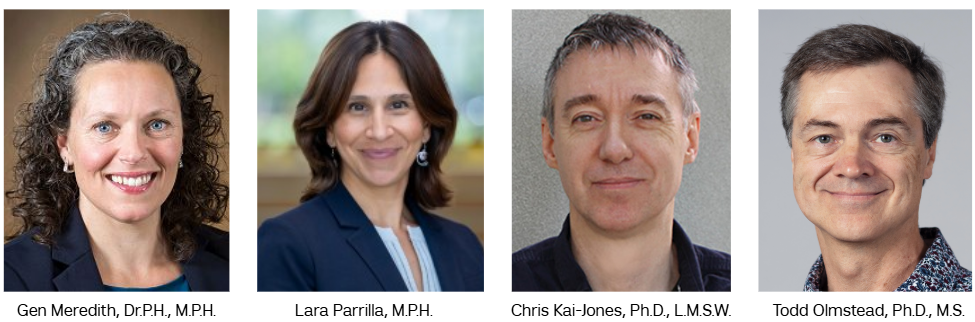
Center leaders and Members, Gen Meredith, Dr.P.H., M.P.H., Lara Parrilla, M.P.H., Chris Kai-Jones, Ph.D., L.M.S.W. and Todd Olmstead, Ph.D., M.S. are advancing a CCHEq‑funded project focused on helping Tompkins County (and potentially other counties) to prepare for new Medicaid and SNAP work‑requirement policies. This work currently focuses on monitoring changes affecting Able‑Bodied Adults Without Dependents (ABAWDs)—SNAP recipients ages 18 to 64 who are able to work, do not live with a child under 14 and do not qualify for exemptions from federal work requirements.
The team is partnering with a County-led working group, and other County and community partners to anticipate local needs and collaboratively support residents seeking to maintain or enroll in SNAP and Medicaid. In order to better understand and respond to the broader social‑service and health‑system impacts of coming changes, graduate students are reviewing lessons from other states, while faculty collaborators assess federal and state decisions that will shape requirement implementation.
This long‑term project aims to strengthen county preparedness, support evidence‑informed decision‑making and help communities navigate the significant social and economic implications of new work‑requirement policies. The next steps include continued CCHEq collaboration, faculty engagement, undergraduate student involvement and early interventions on cost‑measurement and health‑system impacts, including potential partnerships with Cayuga Health.
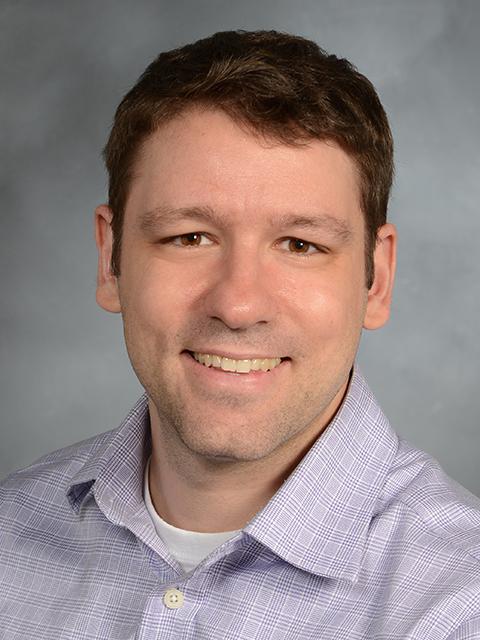
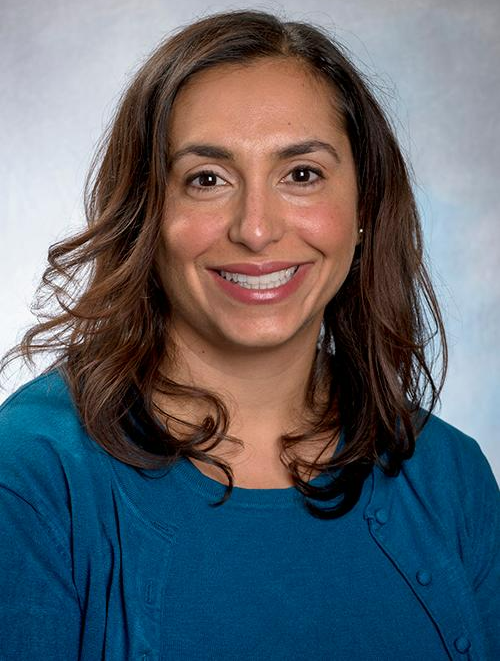
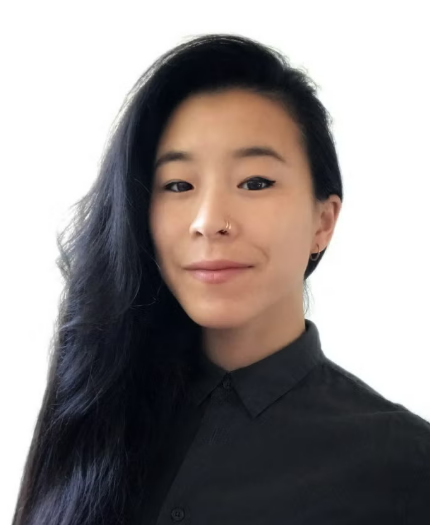
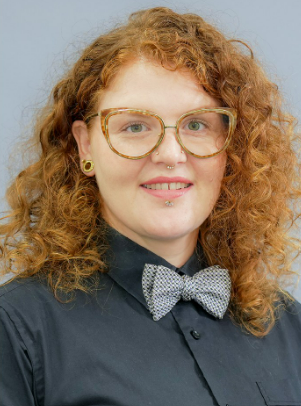
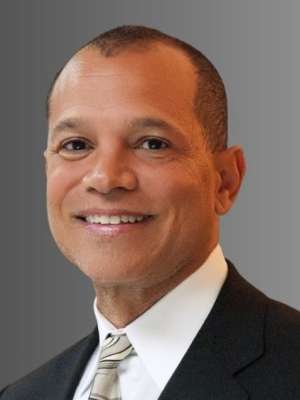
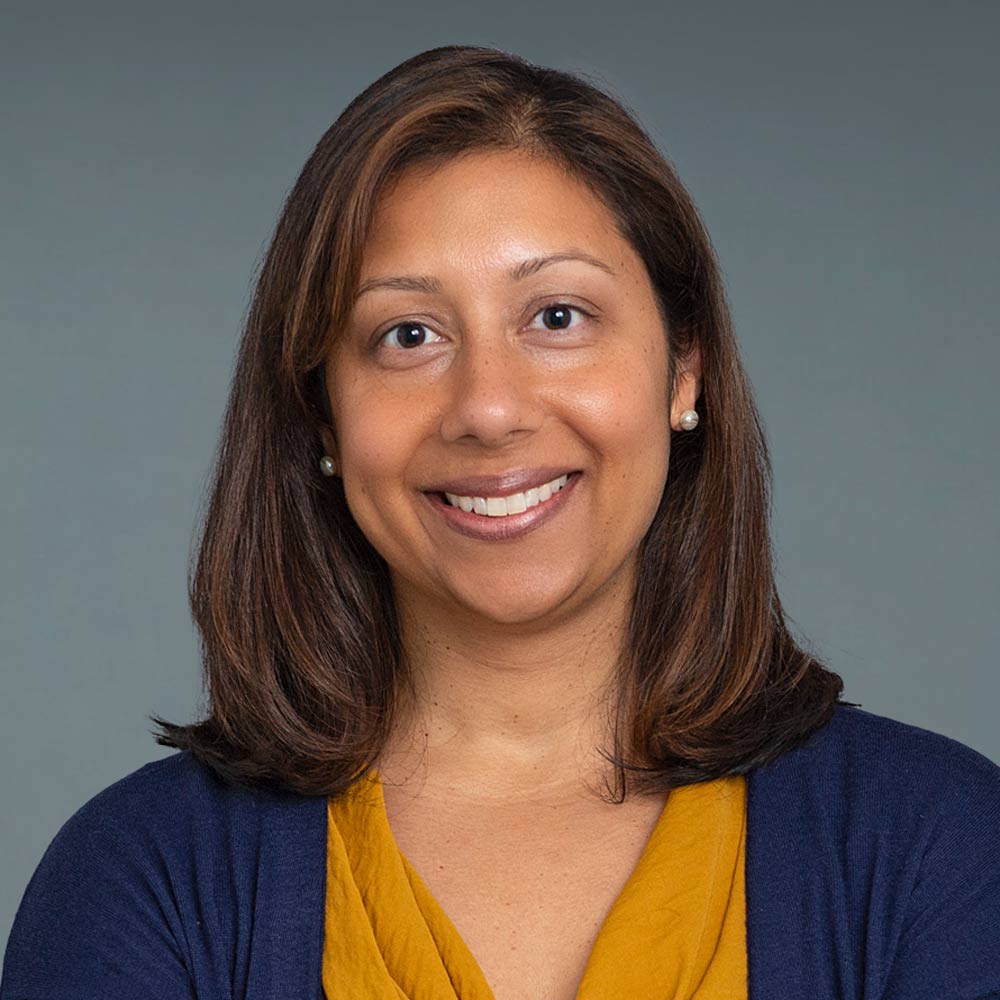
| | Health Promotion in the Algorithmic Age: Recognizing the Information Environment as a Determinant of Health | | Center Member, David Scales, M.D., Ph.D., calls for reimagining health promotion to address the digital information environment as a critical determinant of health. His article argues that inequities in access to accurate and trustworthy health information shaped by algorithms, platforms and profit-driven systems must be tackled through ethical standards, regulation and community empowerment. By fostering digital literacy, advocating for inclusive governance and redesigning health services to engage with patients’ online exposures, the work emphasizes equity-driven strategies to reduce digital harms and ensure fair access to health information. | | David Scales, M.D., Ph.D. | | Gaps in Second Primary Cancer Incidence and Survival | | Center Member, Rulla Tamimi, M.S., Sc.D., examines differences in second primary cancer (SPC) risk among breast cancer survivors across racial and ethnic groups with a focus on disaggregated Asian American subgroups, highlighting an important health equity gap in her research. Using data from more than 430,000 survivors, the researchers found notable variation in both SPC incidence and survival outcomes. White and Chinese survivors had the highest SPC rates, while Pacific Islander and Vietnamese survivors experienced the greatest mortality impact once an SPC occurred. These findings show that grouping Asian Americans together masks meaningful differences in cancer risk and outcomes. The study underscores the need for tailored surveillance, prevention and survivorship care that reflects the diverse experiences and risks within the U.S. breast cancer survivor population. | | Rulla Tamimi, M.S., Sc.D. | | Real-World Evidence for Medicare Drug Price Negotiations | | Center Member, Colleen Carey, Ph.D., analyzes the impact of the Inflation Reduction Act on prescription drug affordability for Medicare beneficiaries, a critical step toward reducing financial barriers to care. Her research highlights how granting Medicare the authority to negotiate prices for high-cost single-source drugs, starting with 10 medications in 2026 can lead to significant price reductions of 8% to 42%. These changes aim to improve access for older adults and individuals with chronic conditions, addressing inequities in medication affordability and promoting more equitable health outcomes. | | | The Welfare Workforce and the Pursuit of Mental Health Equity | | Center Member, Isabel M. Perera, Ph.D., highlighted health equity in her book, “The Welfare Workforce”, which offered a thought‑provoking examination of how mental health care systems served or failed to serve those most marginalized. She showed how affluent democracies pursued deinstitutionalization but differed greatly in their ability to create equitable access to care, with some expanding services despite stigma and limited resources while others left major gaps. Drawing on research in the United States, France, Norway and Sweden, she demonstrated how the strength and structure of the welfare workforce shaped whether people with the least power received meaningful support. Her work underscored how political choices, resource distribution and social service capacity influenced mental health equity across societies. | | | November Seminar Speakers Sarah Glushchitz, C.M.I. and Tiffany Fung presented on “Health Equity – Medical Illustration in Action.” They highlighted how social and political contexts shape visual representations in medical materials, such as biology textbooks and how these illustrations influence access to equitable healthcare. Factors such as race, cultural norms, socioeconomic status, age, geography, gender and disability contribute to how medical illustrations are interpreted and applied in clinical settings. Ultimately, they emphasized that medical illustration could serve as a vital tool in bridging gaps within the healthcare system. | | | | December Seminar Speaker Keith C. Norris, M.D., Ph.D., presented on “Best Practices for Integrating Race, Ethnicity and Ancestry in Medical Care and Research.” His presentation emphasized the importance of moving beyond simplistic racial categorizations to incorporate nuanced, ancestry-informed approaches that improve patient outcomes and research validity. He explained that evidence-based care prioritizes clinical, laboratory, imaging and pathology data to guide diagnosis and treatment, while excluding race, ethnicity or other social factors in individual decisions. Clinical algorithms and therapies should remain free of racial adjustments, except when considering population-level risk or health-related genetic variants. Finally, he highlighted that diagnoses should never be made or ruled out based on race, ethnicity, religion or similar characteristics. | | Keith C. Norris, M.D., Ph.D. | | Brita Roy, M.D., M.P.H., M.H.S. was another featured speaker at our December Seminar where she presented “Using Participatory Systems Science to Design Public Health Interventions.” She shared two new examples of applying participatory systems science to develop interventions for complex public health challenges, specifically gun violence and community clinic linkage. In discussing gun violence, she highlighted the importance of viewing the community itself as a system for intervention and walked through the group model–building process, including how models are developed, leveraged and tested, while emphasizing the need for an equitable approach in which all stakeholders help identify the core drivers of the problem. For the community clinic linkage model, she underscored the significance of a strong continuum of care and how improved linkage can lead to better health outcomes. | | Brita Roy, M.D., M.P.H., M.H.S | | J. Craig Phillip, L.L.M., Ph.D., R.N., A.C.R.N., F.A.A.N., F.C.A.N. presented at the February Seminar on “Health Practitioners’ Actions for Global Health at Home and Abroad.” He addressed human rights, health disparities and social determinants of health. His talk explored human rights, health disparities and the social determinants of health, highlighting key milestones from the early and mid‑20th century through the modern era. He discussed the nursing code of ethics with an emphasis on advocacy, equity and patient autonomy. He also examined structural determinants such as societal values, culture, governance, laws and institutional practices. The presentation covered the meaning of health equity with examples related to HIV, women’s health and gender equity. He also shared practical actions nurses and health practitioners can take, including testifying for equitable housing, education and environmental policies and supporting initiatives that expand Medicaid coverage. He closed by reflecting on how we can mobilize our collective actions for the future. | | J. Craig Phillip, L.L.M., Ph.D., R.N., A.C.R.N., F.A.A.N., F.C.A.N. | | Building Future Leaders in Health Disparities Research | | Our Center Members, Sarah Young, Ph.D., M.S.W., David Scales, M.D., Ph.D., Arnab Ghosh, M.D., Koeun Choi, M.D., Laura Pinheiro, Ph.D., M.P.H., Mangala Rajan, M.B.A., Monika Safford, M.D. and Amy McMenamin, M.Phil., B.S.N., Ph.D. are working with the new cohort of Spring interns from Hunter College, Tosmien Ahmed, Mohammed Fahim, Muhammad Anus, Lyle Roddey, Evelyn Ho and Kimberly Maldonado for the Weill Cornell Medicine Division of General Internal Medicine and Hunter College Internship Program. They will provide mentorship in health services research with a strong emphasis on health disparities, research ethics and unconscious bias, IRB fundamentals, data analysis, manuscript development and professional skill‑building to support the growth of future leaders. | | American Journal of Managed Care: Medicaid Work Requirements Set To Leave Millions Without Insurance | | |
Under the One Big Beautiful Bill Act, new Medicaid work requirements will begin in January 2027. Enrollees will be required to verify at least 80 hours of qualifying activity such as employment, caregiving, or education every six months to keep their coverage. Experts warn that these rules could cause millions to lose insurance due to administrative hurdles and confusion, particularly among self-employed individuals and those with health issues. Center Member William Schpero, Ph.D., M.Phil., M.P.H. cautioned that the policy could impose serious financial strain on rural hospitals, as funding from the Rural Health Transformation Program is unlikely to make up for expected Medicaid cuts. Studies also indicate that Medicaid coverage itself helps people stay employed, challenging the premise of tying eligibility to work requirements.
Read more
| | William Schpero, Ph.D., M.Phil., M.P.H. | | TCTMD: Residential Segregation Adversely Affects Black CVD Health - REGARDS | | |
Co-Director of the Center, Monika Safford, M.D., shared that Black individuals living in the U.S. with high residential segregation are facing a significantly higher risk of dying from coronary heart disease (CHD). She said the study of more than 24,000 participants “ substantially strengthens the evidence” around structural racism’s contribution to health inequities in cardiovascular disease in a field that has been laser-focused on individual determinants of health like blood pressure and cholesterol levels.
Read more
| | | | | |
Mark your calendars! Our monthly Friday, from 12:30 pm to 1:30 pm, health equity seminars feature speakers from research institutions, healthcare organizations and community organizations from across the U.S. This forum brings current topics to Center Members from leading thinkers, scientists and activists.
-
April 3rd, 2026: Marcus Lambert, Ph.D. presenting on "Building Equitable Pathways in Health Equity Research: Mentorship, Training and Community Partnership." More details will be shared soon.
| | Cornell Center for Health Equity Symposium | | | | |
Save the date! Our annual research symposium will be held on May 11th, 2026, at Cornell University’s Ithaca campus. This year’s theme is ‘Nothing About Us Without Us.’ Join us as we work to reduce health disparities through community partnership and share your insights.
Share your work on health equity by submitting a poster abstract. Submit here. The submission deadline is March 30th, 2026.
| | |
We extend a warm invitation to all interested individuals to complete the membership application and join our community today.
By becoming a member, you will gain access to a wealth of resources, opportunities for collaboration and a supportive network dedicated to advancing health equity. We look forward to welcoming you into our growing community of change-makers and advocates for a healthier, more equitable future!
| | |
CCHEq welcomes your contributions to the quarterly newsletter! Please share your health equity-related accomplishments, resources, events and opportunities.
Share your updates with Saie Kim.
| | | | |