September 2026


Take Out a Barberry Bush ➡

Get a Free Native Shrub.


Sustainable Jersey grant helps Madison property owners get a free native shrub when they remove a barberry bush.


1) Why replace your Japanese barberry? 

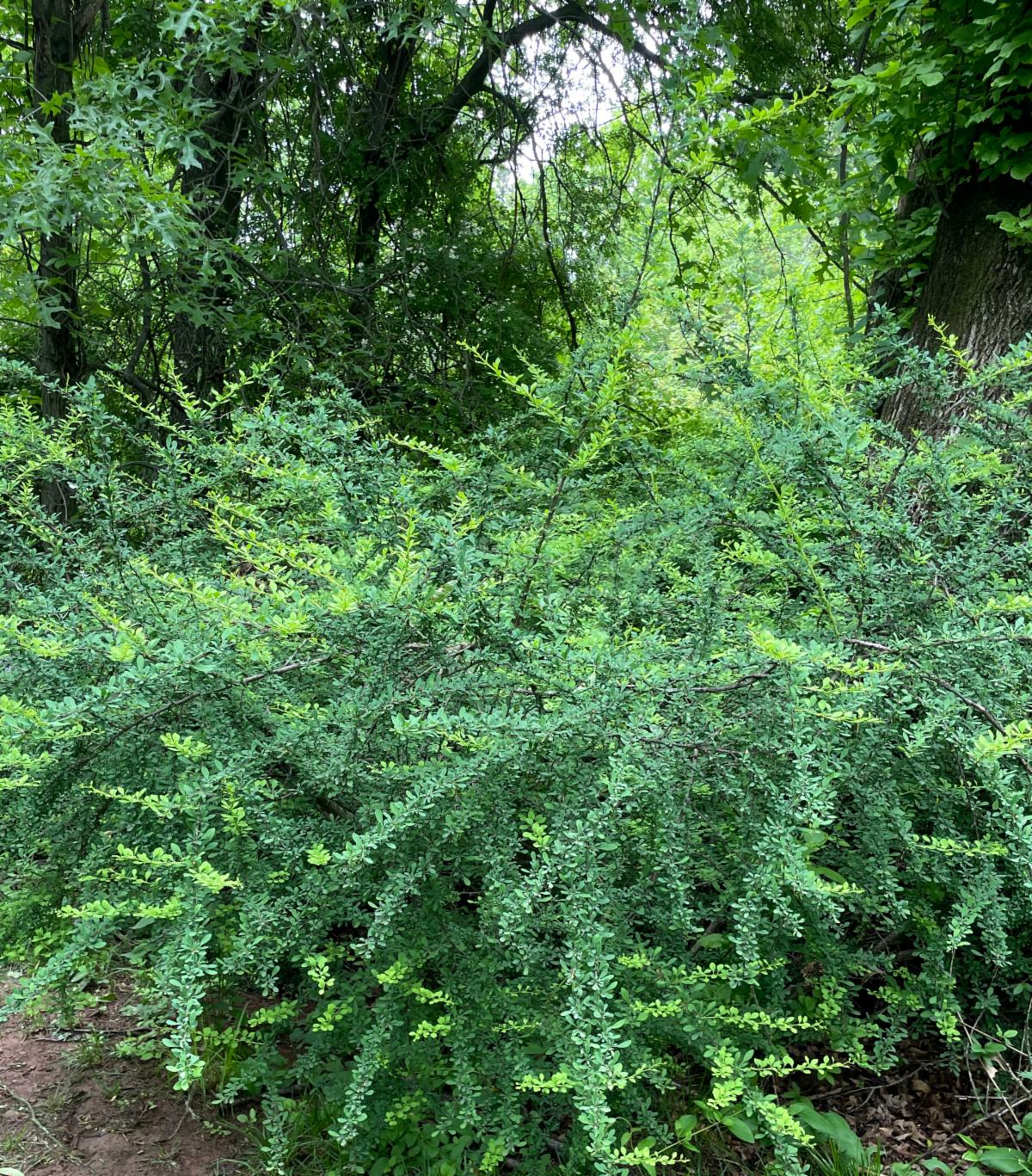
This shrub spreads quickly beyond your yard — birds carry its berries into parks and forests, where seeds grow into thorny thickets. Barberries crowd out native plants and create a humid hideout for ticks.


Japanese barberries are listed on NJ's invasive species list, and a dozen other states have restricted its sale due to the environmental and public health risks.

Barberry infestation at the Madison Recreation Complex

2) How do I swap out my barberry for a FREE native shrub?

If you have a barberry on your property, fill out our Shrub Swap Interest Form below to get on the list! Shrubs will be available in spring. Check out possible replacement native shrubs on the shrub swap form.


3) How do I know if I have a barberry on my property?

While leaves of barberry cultivars vary, there are some common attributes:

  • Small oval leaves in rosettes
  • Sharp single spines
  • Red berries appear in fall


You can also use the iNaturalist app for help.


🧐 What's Madison's #1 Summer Water Guzzler?


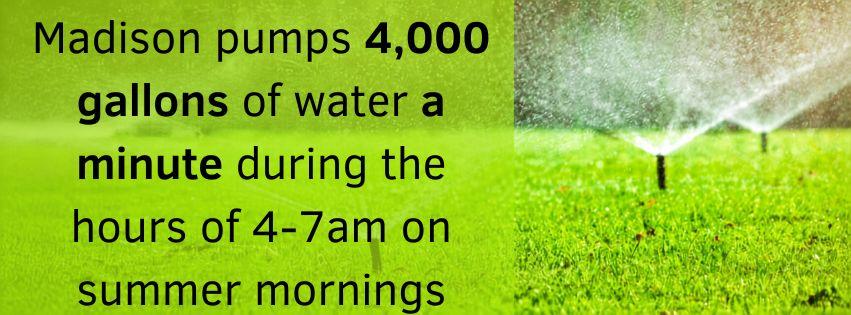
In the summer, outdoor watering spikes Madison's water use making pumps work overtime and depleting our groundwater. This puts long-term pressure on the Buried Valley Aquifer, the underground reservoir that provides 100% of Madison's water. Every gallon of water saved helps our municipal utility, benefiting the community and future generations.

💧Simple ways to reduce outdoor water use


  • Refrain after the rain — skip running sprinklers after a rainfall


  • Plant a tree or shrub —trees and shrubs help rain soak into the ground — their leaves slow the rainfall and their roots filtrate precipitation into the soil. A suburban lawn cannot absorb heavy rain.


Get more water saving tips at New Jersey's water conservation website.


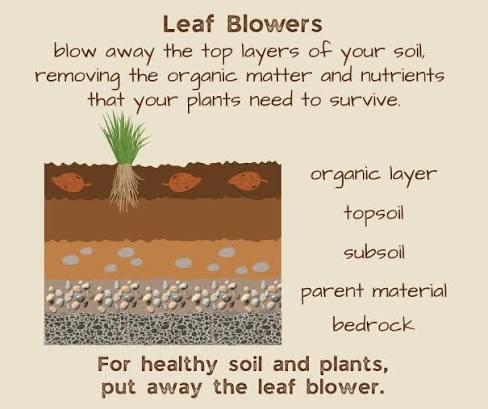
Skip the leaf blower for a healthier yard

Image from Bee-Friendly Gardening

 
  • Ask your landscaper to pause gas blowing, now through Sept. 30. With just a phone call, you can help create a safer place for children to play outside, and for birds, fireflies—and even your lawn—to thrive. Read more about Madison's Quiet Summer initiative.
  • Attend a free, eye-opening presentation by MEC member Bridget Daley to learn how you can add more beauty and life to your yard by keeping fallen leaves and dead perennial plant stems on your property.


Leave the Leaves (and Stems): Why and How

Wed., Sept. 30, 7 PM

Madison Public Library


🍁 Fall is an ideal time for tree planting

Stronger roots and cooler temperatures make fall a great time to plant a tree

Madison Shade Tree Management Board (STMB) and the Department of Public Works (DPW) are conducting fall tree planting. Eight species of street trees will beautify Madison (and raise property values). The native trees —which include American elm, willow oak, and serviceberry — improve our community with cleaner air, less flooding and cooler temperatures.


If you would like to get on the schedule for future street tree plantings, please reach out DPW at dpw@rosenet.org.


Check out the Shade Tree Management Board page on Rosenet for tree recommendations and helpful resources.


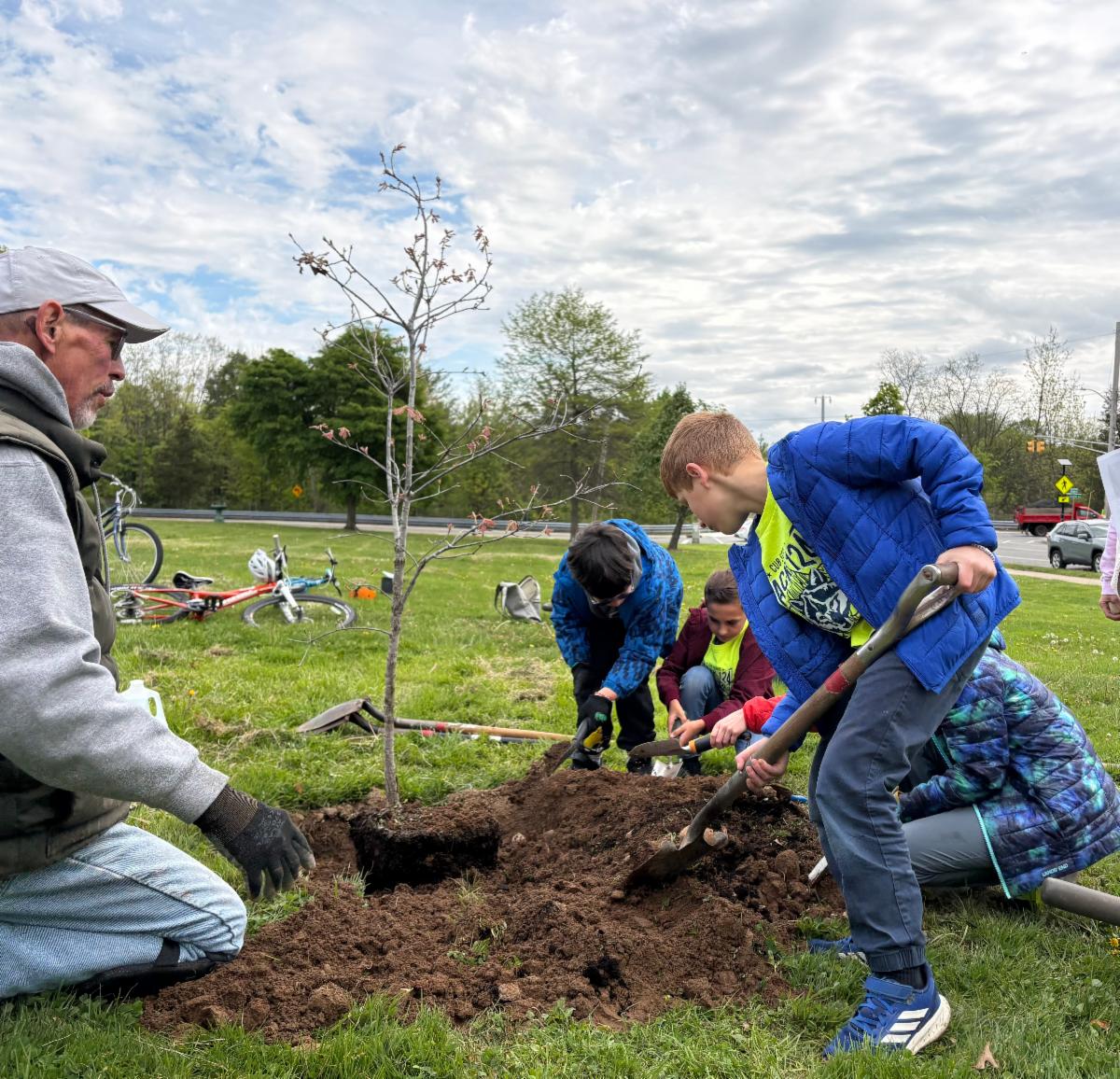
STMB also helps get trees planted in Madison parks including a Salem Oak sapling in Cole Park. This tree was grown from the acorns of a magnificent 600 year-old oak tree from Salem NJ.

After the Salem Oak tree fell, the state grew seedlings from its acorns and gave one to every NJ municipality. Madison planted its sapling last spring. Learn more about the Salem Oak here.


Photo Above: STMB member George Limbach guides cub scouts in planting Salem Oak tree in Cole Park.


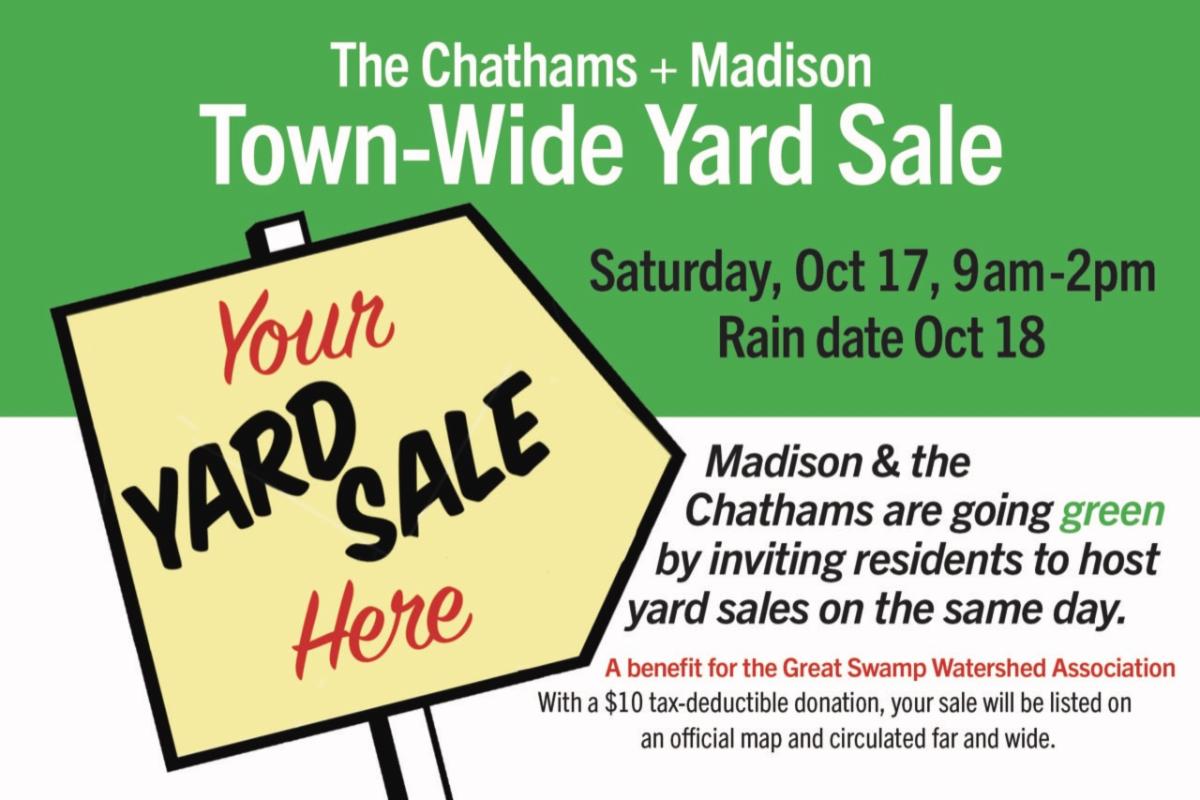
Registration is open for the

fall town-wide yard sale. Sign up here!


NJ's new "Skip the Stuff" law takes effect August 1. Here's what to know.

 
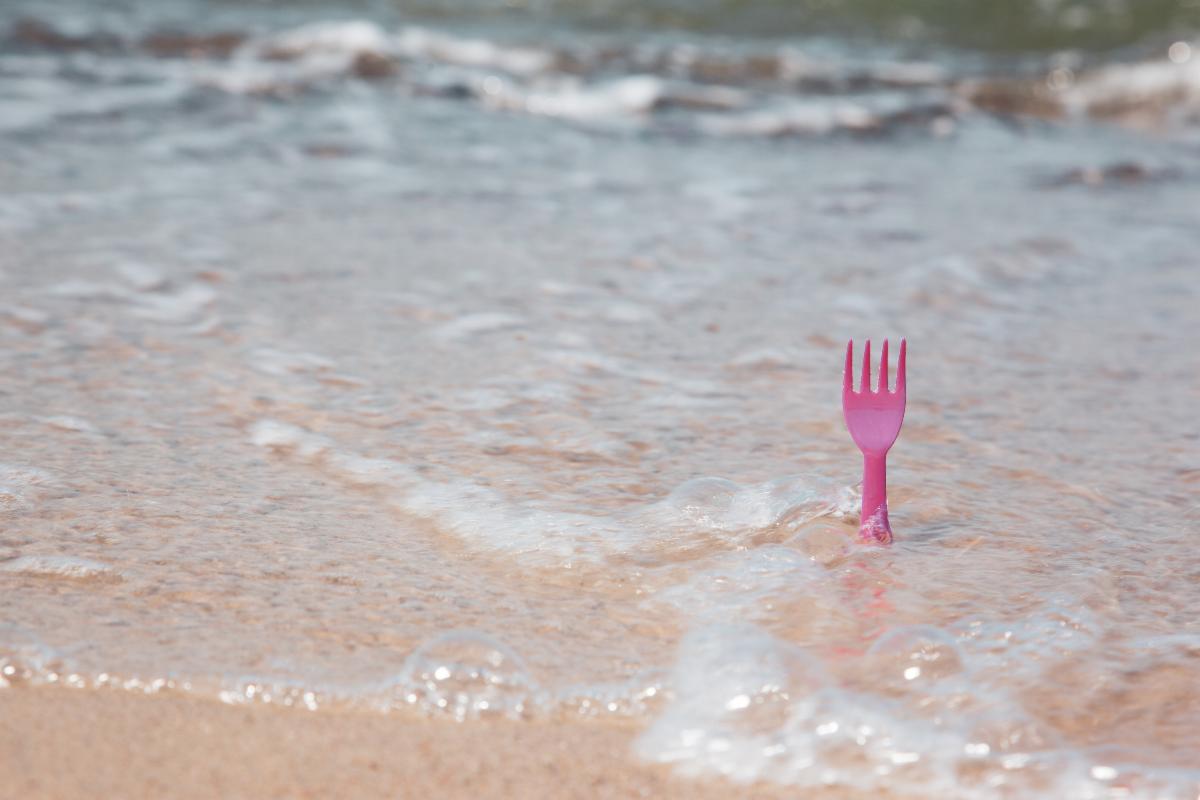
As of August 1, restaurants are forbidden to hand out single-use plastic utensils and condiment packets unless a customer specifically requests them. That's the zero-waste push behind NJ's new "Skip the Stuff" law, the strictest in the nation.
What to know:
Skip the Stuff applies to restaurants, cafés, coffee shops, diners, food trucks, takeout and delivery establishments and drive-thru restaurants. Whether dining in or ordering take-out, food orders shall no longer automatically include plastic utensils, condiment packets, or plastic straws.
Online ordering platforms must default to “no utensils or condiments.” Customers must actively opt in if they want them.
Full-service restaurants with 10 or more seats must provide reusable, washable utensils for dine-in customers rather than single-use items.
Casual dining establishments where customers cannot easily request utensils may use dispensers or self-serve systems. However, they cannot provide bundled packs of multiple items after August 2027.
The bottom line: Plastic doesn't biodegrade, it degrades into smaller bits that create microplastics in soil, water and air. Which means that every plastic fork you've used still exists, in some form or another.
 

Tell a Friend


Sign up here to receive future issues of the Madison Environmental Commission's newsletter, about once a month.


Connect With Us


The next MEC meeting is Thursday, Sept. 24 at 7:30 PM on Zoom. We're on holiday in August.


Follow @GreenMadisonNJ on social media for the latest eco-tips, events, discussion & more. We want to hear your thoughts there, too!


Facebook  Instagram