|
Citrus and avocado trees do best when they're planted from now through May, especially as our daytime temperatures have been consistently in the high 60s and low 70s. Choose a southwest exposure that is protected from the wind, cold weather and frost.
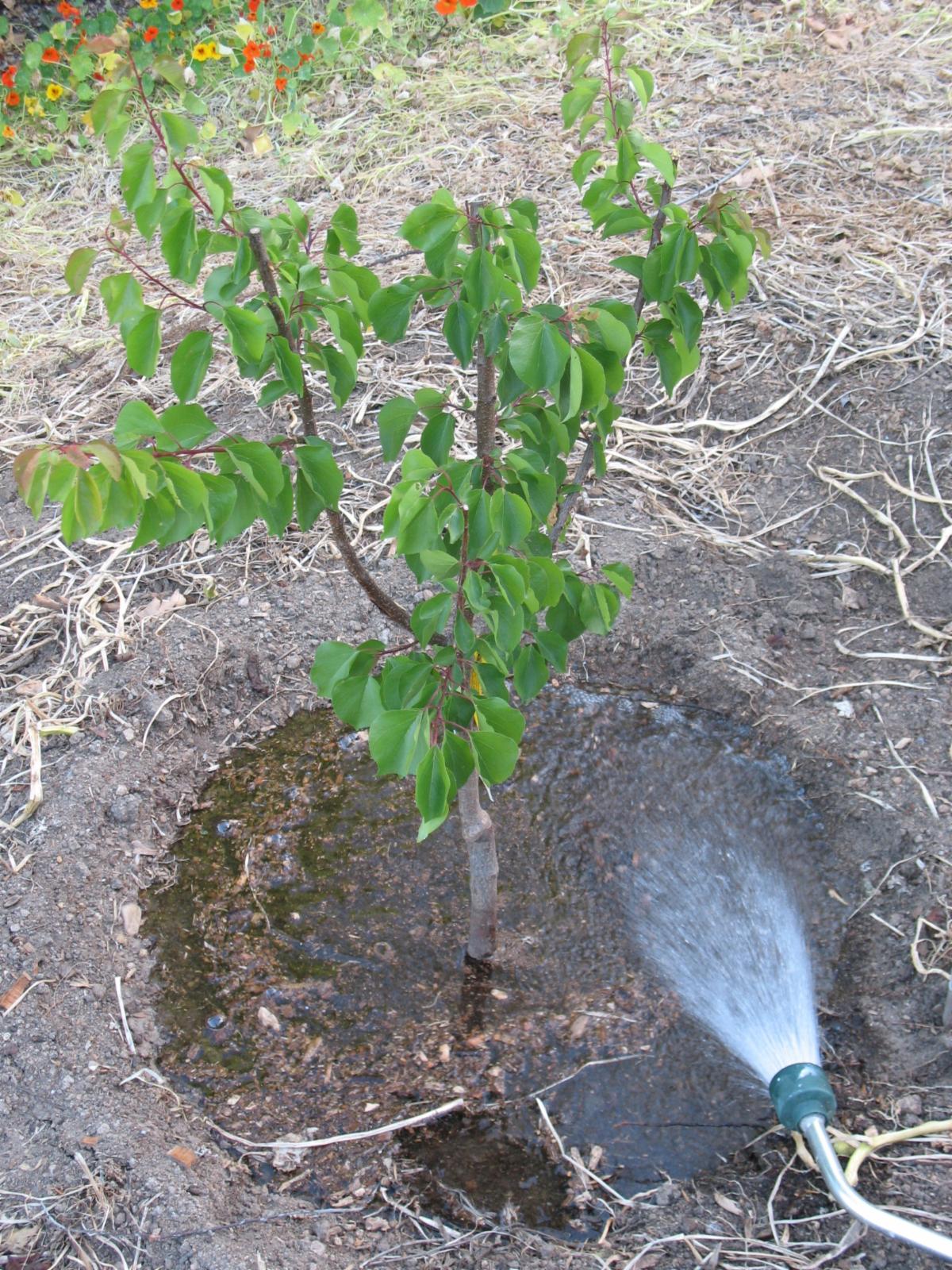
Plant them on a mound or in a raised bed so water drains away from the trunk down into the rootzone for new developing roots.
Tree roots can extend almost four times the distance from the trunk to the dripline. The longest ones – the "feeder" roots – are near the soil surface only about 12-18 inches deep. When planting trees, dig the planting holes twice the width of the rootball but only as deep as the rootball. Then loosely turn over the soil several inches deep out another several feet. This will enable new roots to more easily grow out into the native soil and become well-established. In addition, keep walking, decks, and other heavy-traffic activities and construction at least five feet away from the trunk, so feeder roots won't be harmed. Keep a 4-inch layer of mulch on the soil from about a foot from the trunk out to about 5 feet to delineate this area.
Newly planted trees may need support for a year while they develop strong root systems and trunks. First, remove the stake that was taped to the trunk from the nursery. Into the ground on either side of the trunk and a foot out from it, drive two sturdy 1-inch or 2-inch wide stakes about 16 deep. About two-thirds the way up the trunk, tie loops from each stake around the trunk in a figure “8” using soft material like stockings or rags or old garden hose pieces. Tie the loops loosely so the trunk can sway gently in the breeze about 4 inches in each direction. This movement strengthens the trunk and stimulates strong root growth. Remove the stakes after a year.
As you consider fertilizing new and established fruit trees, don't try to rush growth of nectarines, peaches, or plums by providing too much nitrogen. This contributes to generally poor fruit quality – poor color development, delayed maturity, softness, reduced storageability, and poor fruit set for the following year. If the trees have good growth with dark green leaves in the spring, they have sufficient nitrogen.
Article and photo by MG Yvonne Savio
|