NASA Newsletter


In this week's newsletter, discover the cosmic mystery NASA's Hubble Space Telescope has uncovered in nearby dwarf galaxies; learn about NASA's newest experimental aircraft, the X-70 Fractal; and find out which mission will perform a first-of-its-kind spacecraft maneuver this weekend. Plus, catch up on more stories you might have missed.


THE UNIVERSE

Cosmic Neighborhood Mystery Uncovered

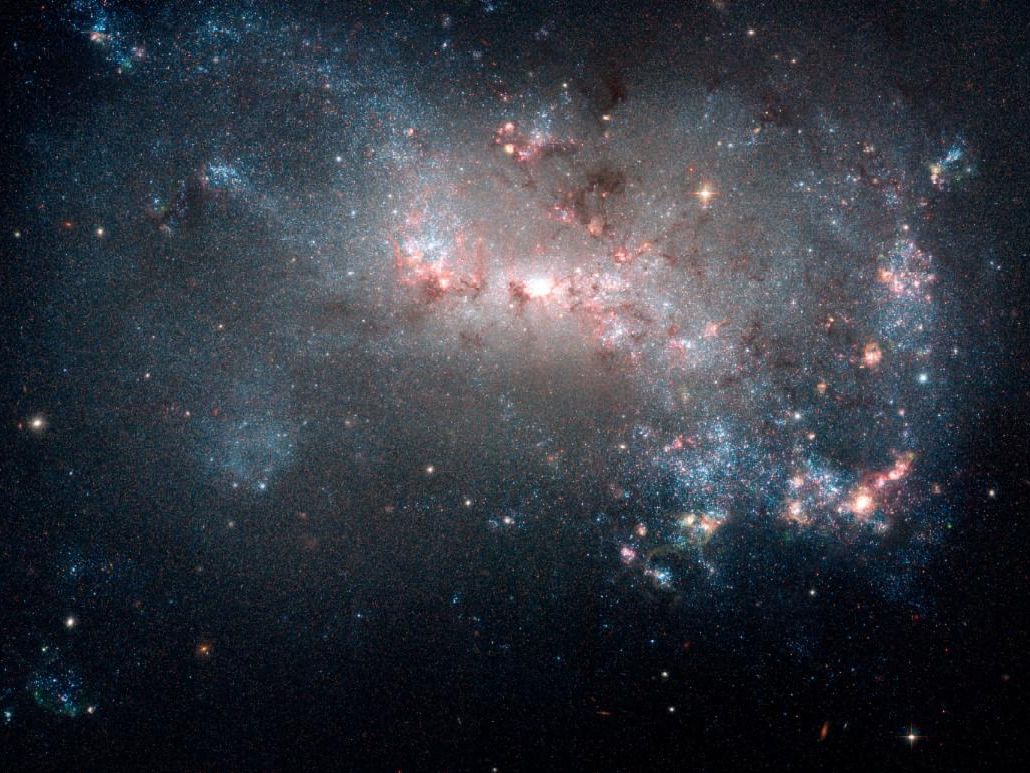
NASA's Hubble Space Telescope has uncovered a mystery in our cosmic neighborhood. In a study published Monday in The Astrophysical Journal, researchers examined 37 nearby dwarf galaxies and found that much of the oxygen they expected to see is missing.


Dwarf galaxies are relatively small systems, containing anywhere from a few thousand to hundreds of millions of stars. Based on computer simulations, scientists expected these galaxies to contain significantly more oxygen, which serves as a key tracer of heavier elements produced by stars. So where did it go? 


The new findings suggest that powerful galactic winds driven by supernova explosions are ejecting oxygen from low-mass galaxies more efficiently than current models predict. As a result, dwarf galaxies appear to retain only a small fraction of the oxygen their stars create. 


GALAXIES LOSING OXYGEN VIA WINDS


TECHNOLOGY

Safer Lunar Landings


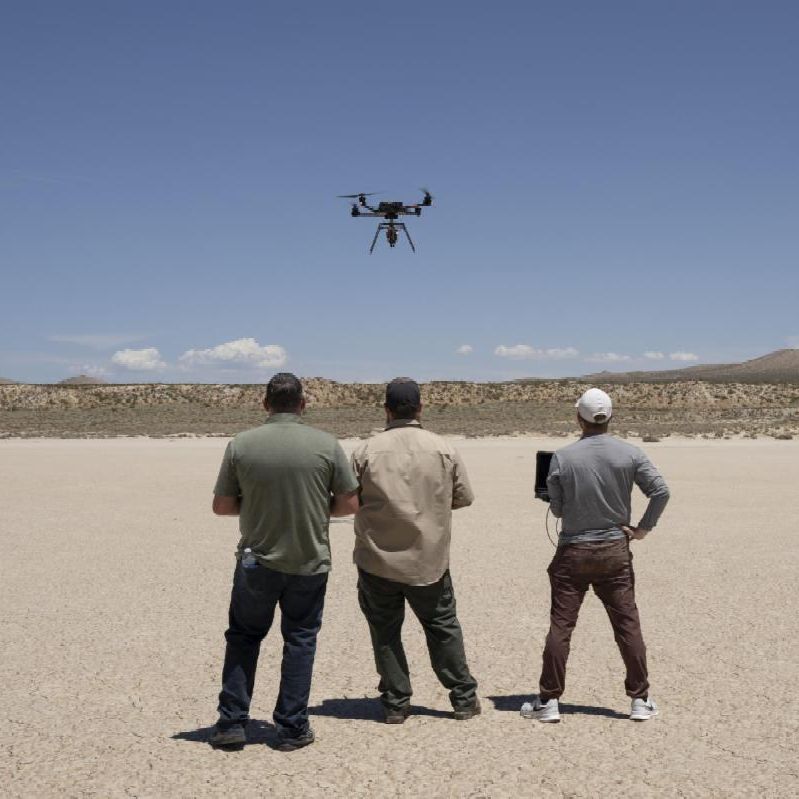
On Aug. 27, NASA successfully demonstrated a technology designed to help spacecraft autonomously identify and navigate to safe landing sites on the Moon. During the test, an Alta X drone equipped with the agency’s Safe and Precise Landing-Integrated Capabilities Evolution, or SPLICE, payload performed simulated lunar descent and landing maneuvers using an advanced terrain-relative guidance system.


SPLICE


THE SOLAR SYSTEM

Double Slingshot 


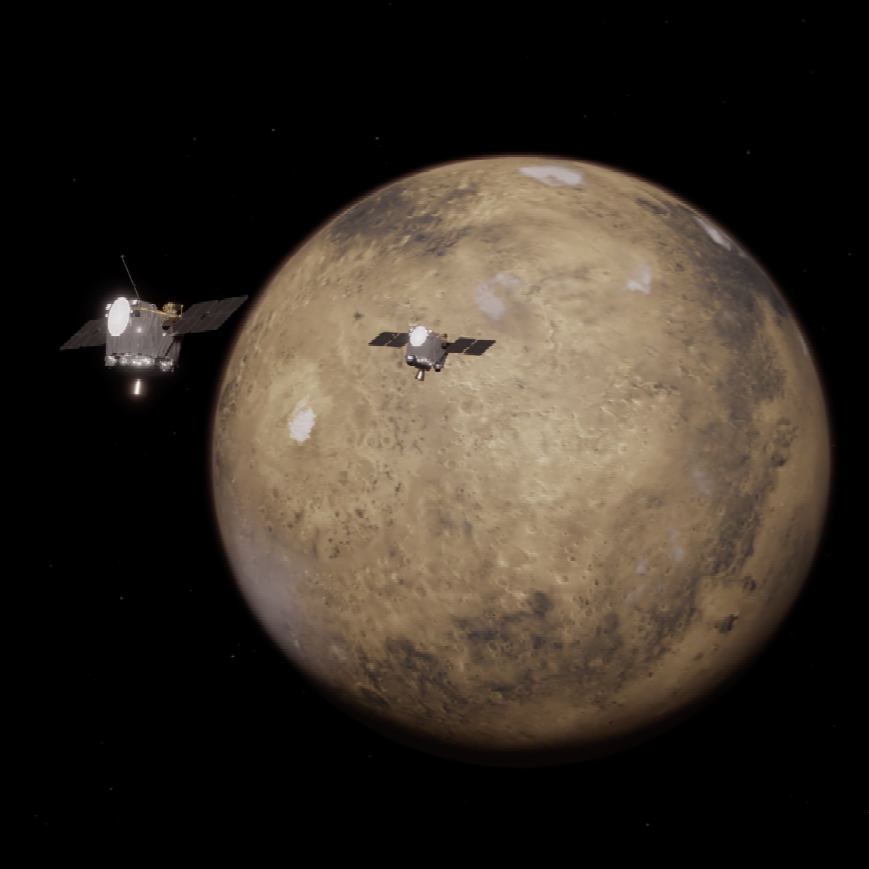
In a few days, NASA's ESCAPADE, or Escape and Plasma Acceleration and Dynamics Explorers, mission will perform a maneuver no agency spacecraft has attempted, and do it twice. Each of the mission's two spacecraft will execute a powered flyby of Earth, combining Earth's gravity with an engine burn to slingshot toward Mars. The first spacecraft will perform the maneuver at approximately 5 a.m. EST on Saturday, Nov. 7, and the second will follow at approximately 6 a.m. EST on Monday, Nov. 9. 


ESCAPADE


AERONAUTICS

Advancing Flight Research


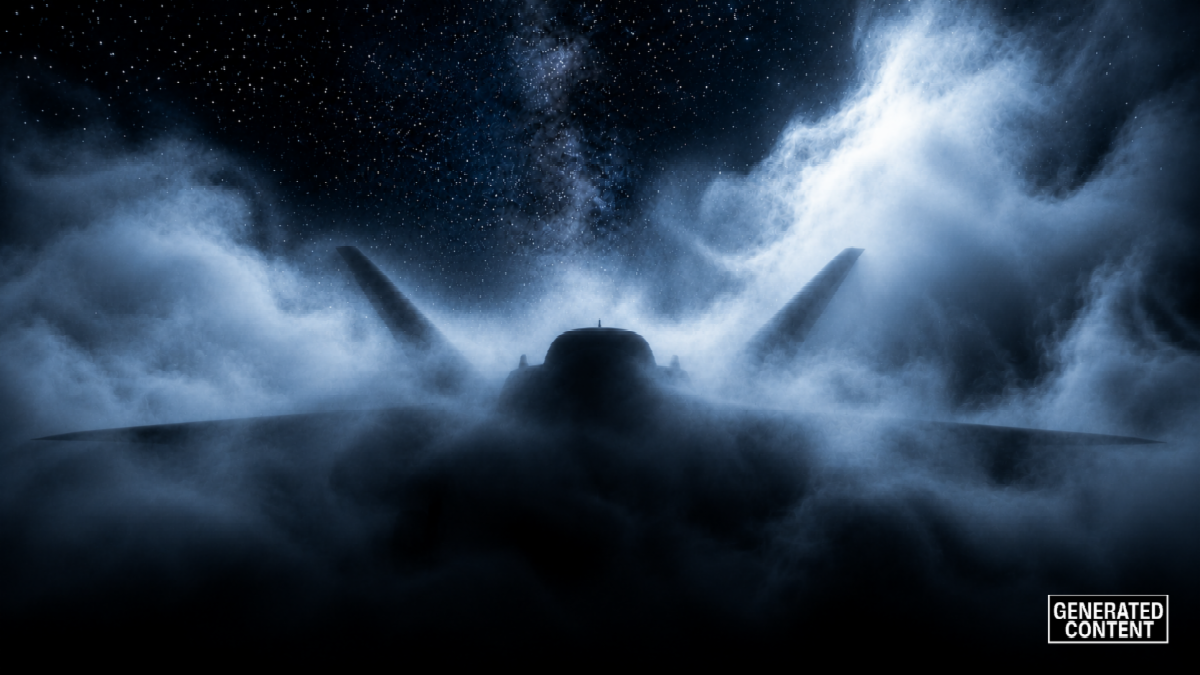
On Wednesday, NASA unveiled its newest experimental aircraft, the X-70 Fractal. The crewed X-70 is will feature advanced, rapidly reconfigurable flight-control technology that will enable researchers to study aircraft maneuverability in ways not previously demonstrated in crewed flight.


LEARN MORE

THE UNIVERSE
Swift Re-Enters Atmosphere


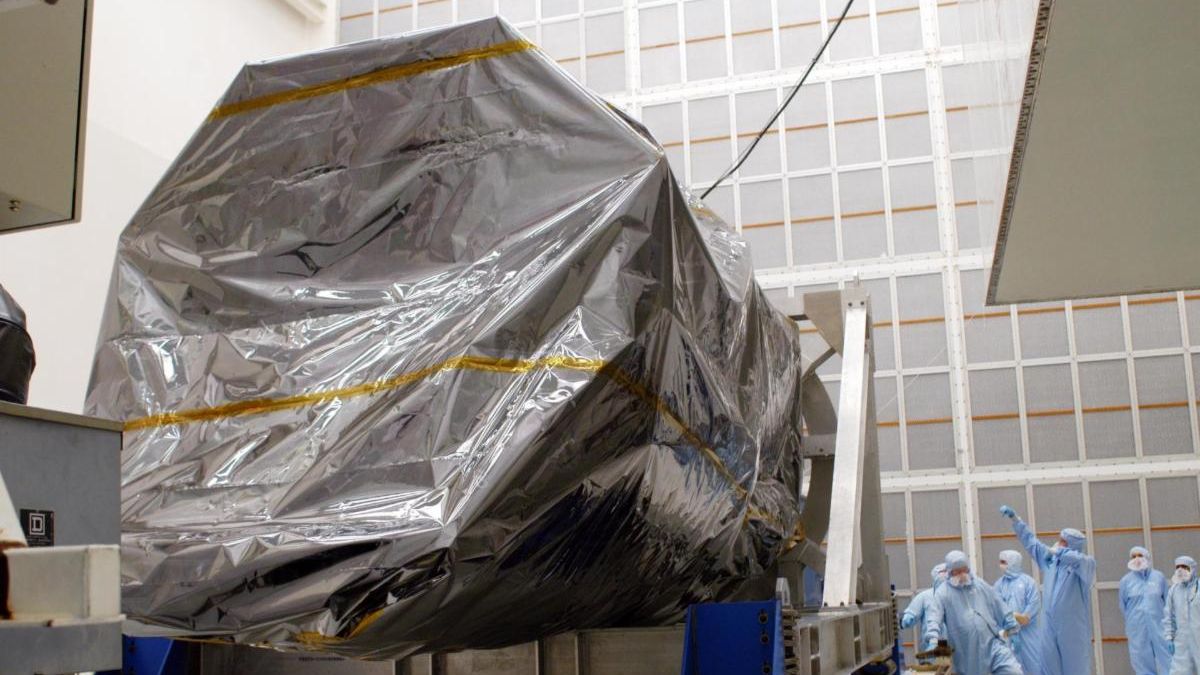
NASA’s Neil Gehrels Swift Observatory reentered Earth’s atmosphere on Wednesday, bringing to a close a mission that lasted nearly 22 years after its launch in 2004. At the time of its launch, Swift was the first observatory of its kind, combining three telescopes to study the universe’s most powerful explosions across multiple wavelengths of light.

The U.S. Space Force confirmed that the Swift spacecraft reentered the atmosphere at 7:39 a.m. EST Wednesday over the North Sumatra region of Indonesia.


LEARN MORE


More NASA News

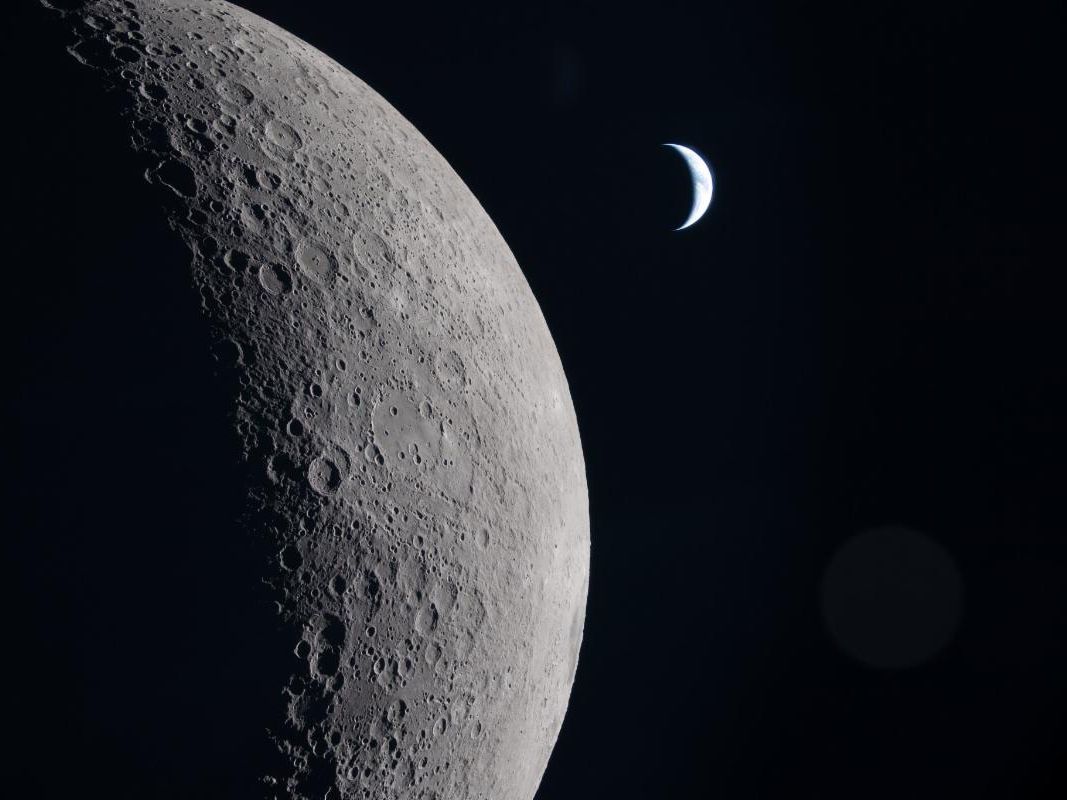
At 5 p.m. EST on Saturday, Nov. 7, NASA Administrator Jared Isaacman will provide an update on the agency's progress toward establishing a sustained human presence on the Moon. The event, broadcast live from MAX POWER at NASA's Kennedy Space Center in Florida, will highlight NASA's work with industry partners to advance lunar exploration and support plans for a future Moon base near the lunar South Pole.


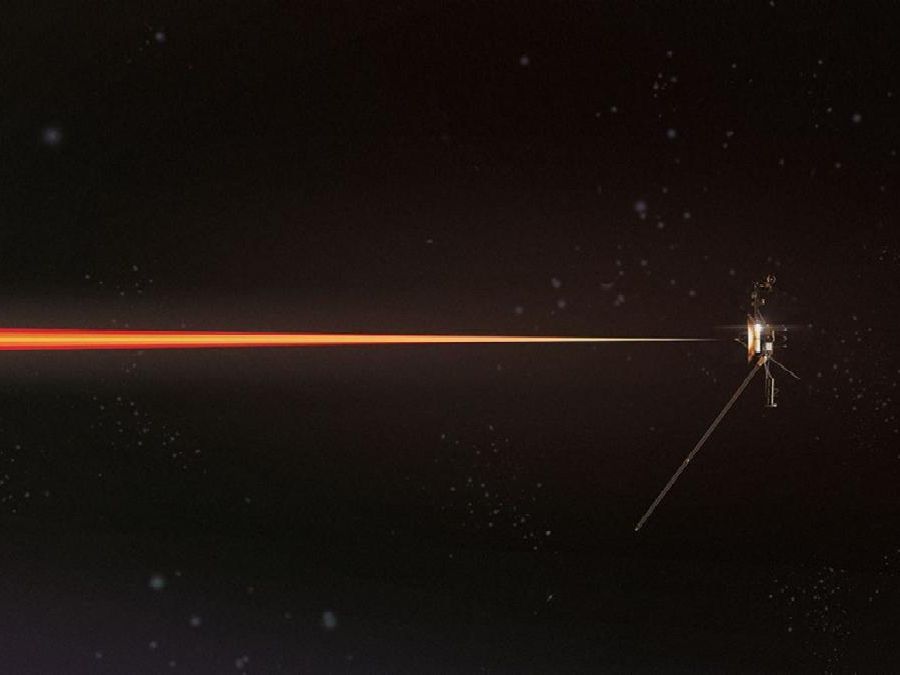
This month, skywatchers can catch the Taurid and Leonid meteor showers, spot Mars near Jupiter, celebrate Voyager 1 reaching a light-day from Earth, and enjoy November's supermoon. 


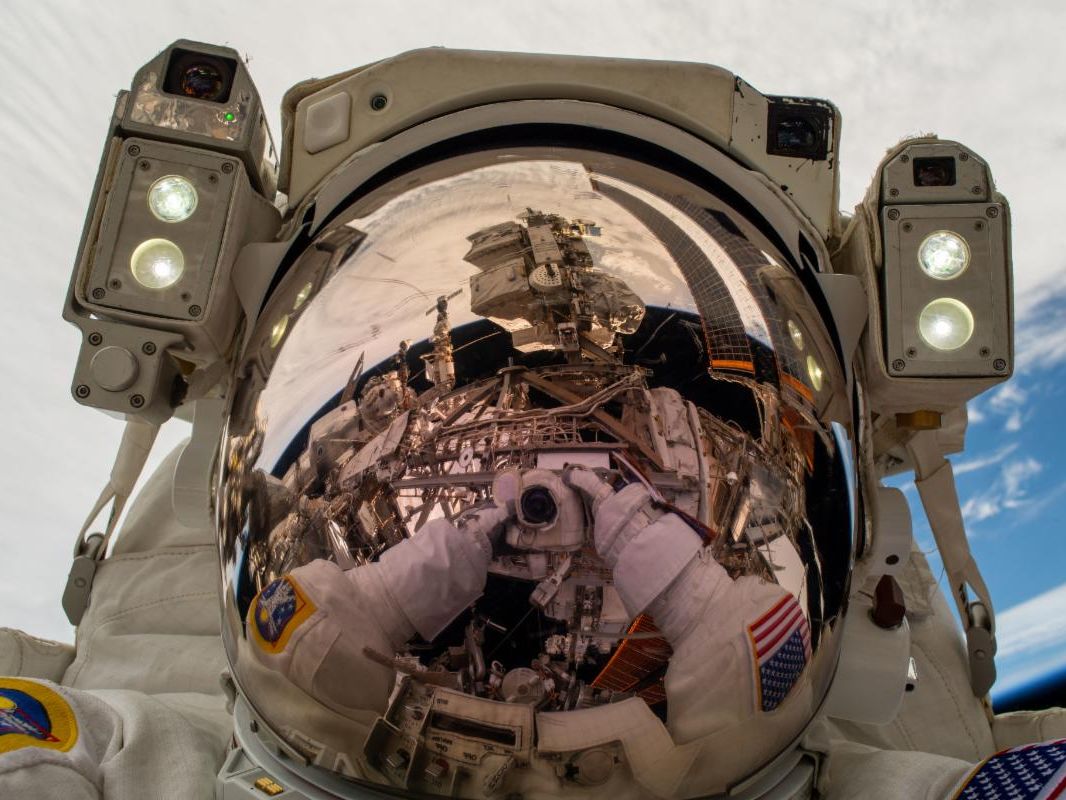
NASA astronaut Anil Menon and CSA (Canadian Space Agency) astronaut Joshua Kutryk concluded U.S. Spacewalk 101 outside the International Space Station at 3:35 p.m. EST Thursday. During the 6-hour, 59-minute spacewalk, the astronauts installed and deployed the eighth and final International Space Station Roll-Out Solar Array, completing the station's power augmentation upgrades.


Do You Know?

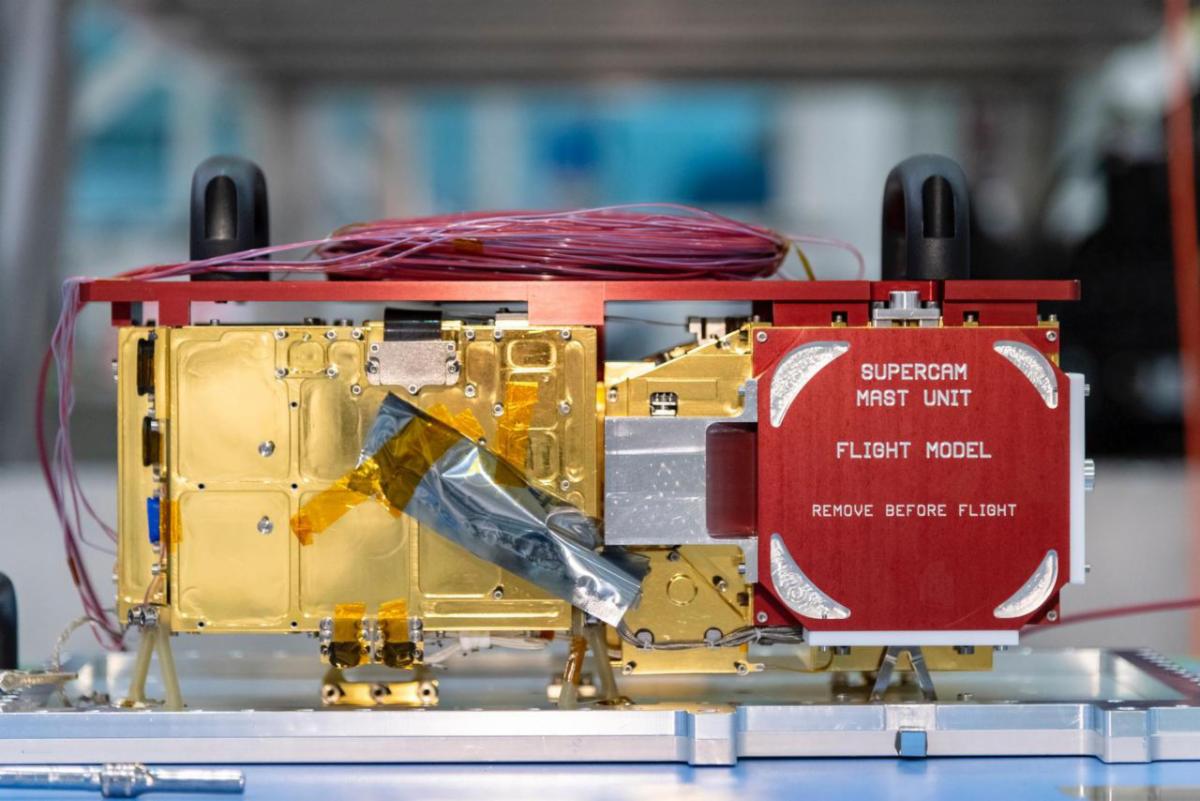
In Oct. 2021, NASA's Perseverance rover recorded electrical discharges and mini sonic booms with its SuperCam microphone, confirming a long-theorized phenomenon and providing new insights into Mars' atmosphere, climate, and potential habitability.

What weather phenomenon was it observing?

Find out the answer in next week's NASA newsletter! 🤓


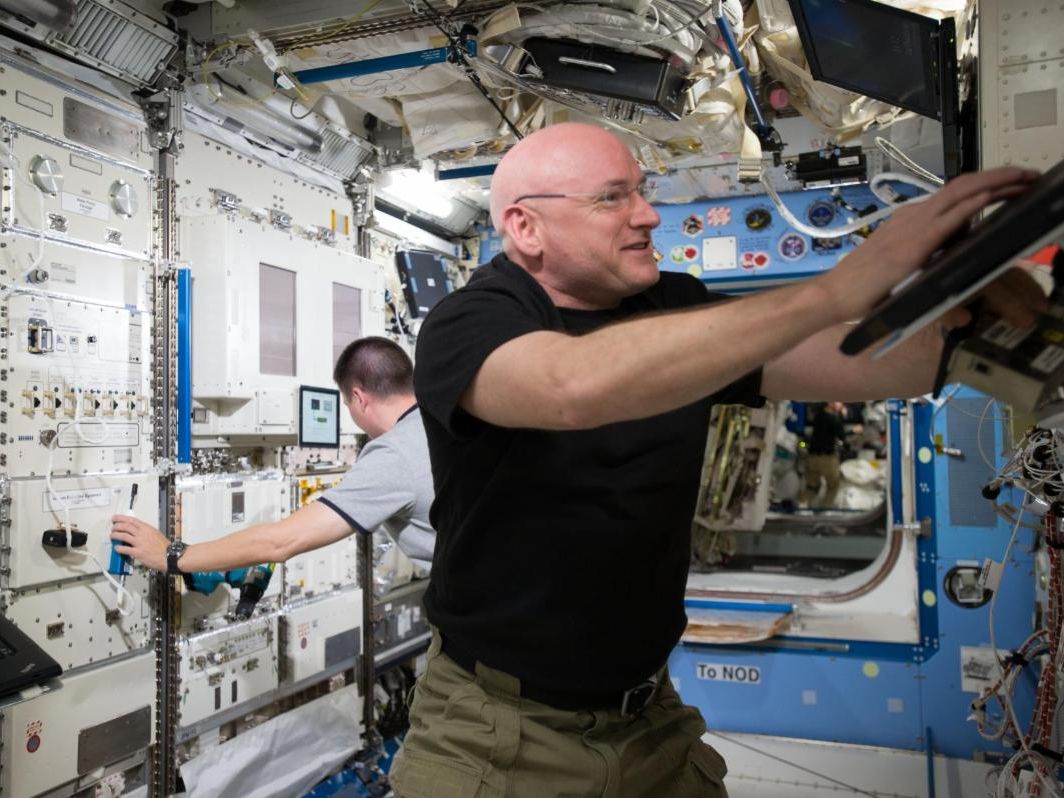
Last week, we asked which astronaut dressed in a gorilla suit in an unexpected moment aboard the International Space Station in Feb. 2016. The answer? Scott Kelly. On Kelly's historic “Year in Space” mission – during which he spent nearly a year aboard the station helping researchers study the effects of long-duration spaceflight on the human body – the gorilla suit was sent to him by his twin brother, Mark. Kelly donned the suit and chased European Space Agency (ESA) astronaut Tim Peake through the station in a video that quickly became an internet favorite. Kelly later said a little humor helped lighten the mood during the demanding mission. 


National Aeronautics and Space Administration


NASA explores the unknown in air and space, innovates for the benefit of humanity, and inspires the world through discovery.


Visit nasa.gov

Follow NASA

Facebook  Instagram  LinkedIn  X  YouTube