|
Iron Supplements
Coming up with a topic that I haven’t written about is always a challenge. It’s not uncommon for a patient to suggest a topic that I write about or read a recent study covering a topic that I think might be interesting. I was surprised that I hadn’t written an article on iron supplementation because it is a challenge for so many patients. The beauty of iron supplementation is that no one size fits, and many options to choose from.
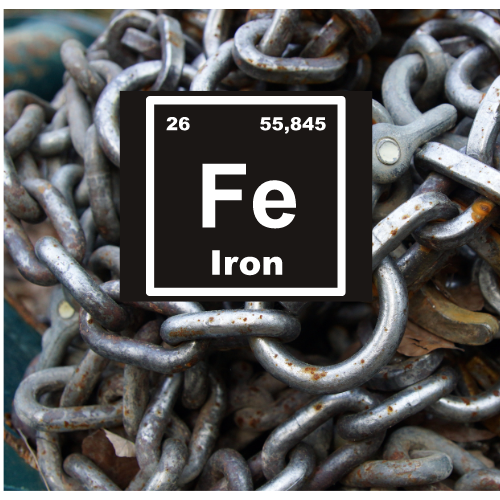
If you are a fan of the periodic table, which lists all of the elements discovered, you will find the iron element in the 26th spot between manganese and cobalt. Iron is the most abundant element in the world, just edging out oxygen. Iron is a mineral found in our soil and is obtained through our diet because we have no bodily function that can make it. Minerals come in two forms, macronutrients and micronutrients. The macronutrients mean we need large quantities and include calcium and magnesium. The micronutrients are also required in smaller amounts, and iron is one of those.
Why is iron so important? The number one reason that is most common is the need for iron to support our blood. Iron is part of the complex that makes up heme which comes from the Greek word meaning blood. Heme is part of the makeup of hemoglobin. Having low hemoglobin is also referred to as anemia and is typically associated with low iron status. Iron is the transporter of oxygen, via hemoglobin, to every cell in the body. If we don’t have oxygen going to our cells, we cannot make energy efficiently.
How does a person know if they are low on iron? The number one sign would be fatigue or low energy. Other symptoms include weakness, shortness of breath, headaches, and decreased ability to exercise. Fortunately, we can test our iron levels with a blood draw.
Patients most susceptible to iron deficiency anemia are:
- Small infants and children.
- Pregnant women.
- Women with heavy periods.
- Individuals who choose to follow a vegan diet.
Food sources are always the best way to get your nutrients, and the most common sources are red meats and leafy green vegetables. Other less known food sources are poultry, nuts, seeds, legumes, and tomatoes.
Many patients have tried unsuccessfully to bring their iron levels up with your diet, and you are still suffering from fatigue. What are your options from here? If you had a problem, this is not bad due to the many options to choose from.
I don’t want to get too deep into the chemistry of iron, but I need to explain iron itself is a charged element and, therefore, it needs to be attached to something to neutralize the charge. When we add, thereby creating an iron salt or iron chelate. The salt form that is most commonly recommended is ferrous sulfate. The most common dose is 325mg which yields an elemental dose of about 65mg. The sulfate form is the least expensive form, which is an excellent quality these days, but it is associated with the most side effects, making it a struggle for some patients.
Side effects are typically why people stop taking their iron supplements or look for an alternative. The side effects usually revolve around the gut. The most common are nausea, stomach pain, loose stools, and constipation. Most iron supplements lead to black or dark stools; this is normal and is not a concern.
What is my favorite iron supplement, and why? The first is a supplement that is a combination of ferrous succinate and heme iron that we have recommended for years. Heme iron is derived from animal sources vs. non-heme iron, which is plant-based. The product is super gentle on the stomach and has raised patients’ hemoglobin consistently over the years, even in some cases where it wasn’t moving with traditional salt forms.
The second one is a chelated form called ferrous bis-glycinate. Chelation occurs when minerals are bound to other molecules, making them more accessible for the body to absorb and utilize. The bis-glycinate form is highly absorbable with minimal side effects for patients who struggle with salt form side effects.
If you can’t take oral iron products, an injectable form called iron dextran is given as an intramuscular injection. Iron dextran avoids the oral route entirely if that is the concern.
There are some interesting things to consider when normalizing our iron levels. The first is that our bodies can only handle so much iron at one time. Taking mega doses of iron won’t correct the deficiency quicker.
The two areas where you will find iron in your body include 70% in your blood and 30% as ferritin in your liver, spleen, and bone marrow. If you have a low iron status, it can take months for us to correct a deficiency, so settle in for the long haul. Eventually, it will get fixed.
Cofactors are nutrients that can help aid the absorption and assimilation of iron. The most common one is vitamin C, which will enhance iron absorption when added to the formulation. Vitamin B12 and folate are also crucial in maintaining healthy red blood cells and can support the overall circulation of our blood.
If you routinely take a calcium supplement, you will want to separate it by at least 2-3 hours, if not at the other end of the day, because calcium tends to decrease iron absorption. Taking a liquid form of iron can also stain teeth, so that needs to be considered. Lastly, having low iron levels can affect your thyroid and your hair.
My staff and I would like to help you with questions regarding iron supplementation and choosing the right product, so call or stop in to schedule a consultation. Please visit my website at www.irsfeldpharmacy.com to find this and other archived articles in the blog section. Until next time, be vigilant about your health!!
|