|
Zoom in: Fourteen children in La Crosse County had lead poisoning in 2024, triggering interventions by public health nurses from the La Crosse County Health Department.
Impact: Childhood lead poisoning has been linked to lifelong negative health outcomes, including lower IQ levels, learning difficulties, and behavioral challenges. The Health Department works to protect children from lead poisoning through early detection and intervention.
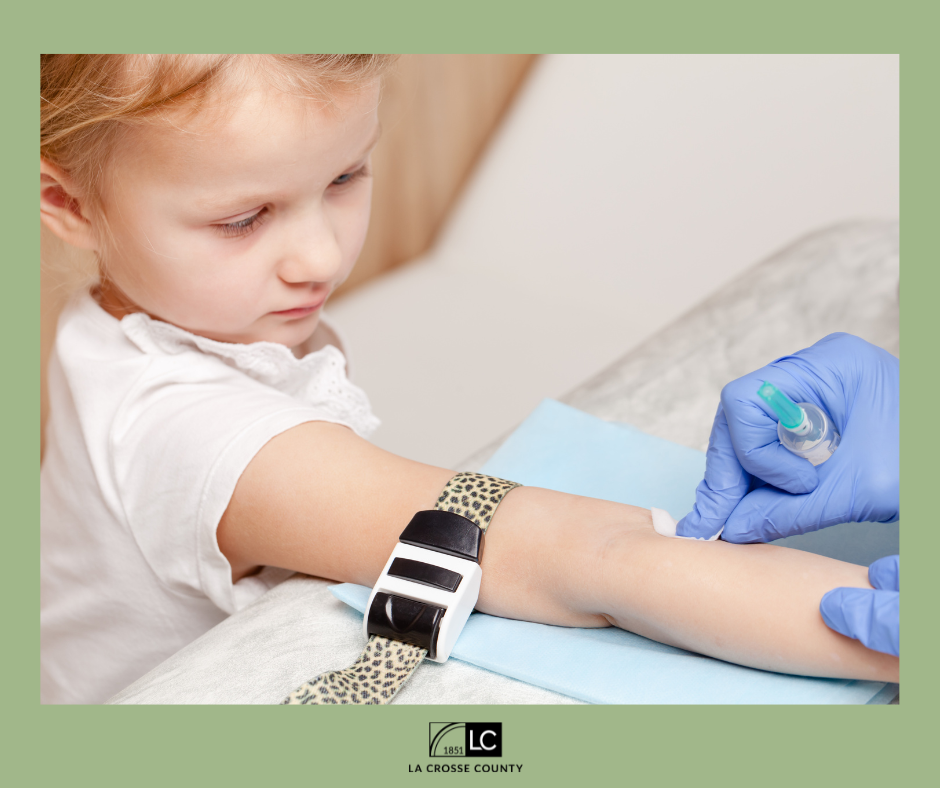
Testing: All children aged between 1 and 5 are eligible for blood lead screening at the Health Department, regardless of insurance status, or with their health care provider. However, many children are still not being tested. Last year in La Crosse County, 593 children aged between 1 and 2 received at least one lead test, but 1,647 did not receive one.
What they said: “We are using every tool at our disposal to close the testing gap,” said Bridget Boland-Cardinali, Access to Care Manager at the Health Department. “However, we need the public’s help to raise awareness about the importance of lead testing for children.”
Case study: One local example shared by Health Department staff was a 12-month-old who had a lead level of 41.8 mcg/dL (a visit by a public health nurse occurs for children who test at 3.5 mcg/dL and above). The child lived in a rental home built in 1901 with lead-based paint throughout. Lead paint was the most common cause of poisoning in La Crosse County last year. The unit the child lived in was subsequently condemned. The child’s last lead level (three years after the initial test) was still above the level of concern but was improving.
Learn more: View a presentation by the Health Department on lead testing here.
|