|
Q: Meredith, can you tell us about your background and how you came into this role?
I’ve had the opportunity to work for La Crosse County Human Services for two and a half years. I started in the crisis unit before transitioning last August into a new role through the Deflection Program as a social worker.
Q: What is the Deflection Program, and why is it important?
The program was funded through a Wisconsin Department of Justice grant the County received in 2025 to help individuals who have frequent law enforcement contact. Instead of moving toward incarceration, we connect them with mental health services, housing support, substance use treatment, and long-term case management. It’s really an early intervention approach.
Q: What does your day-to-day work look like?
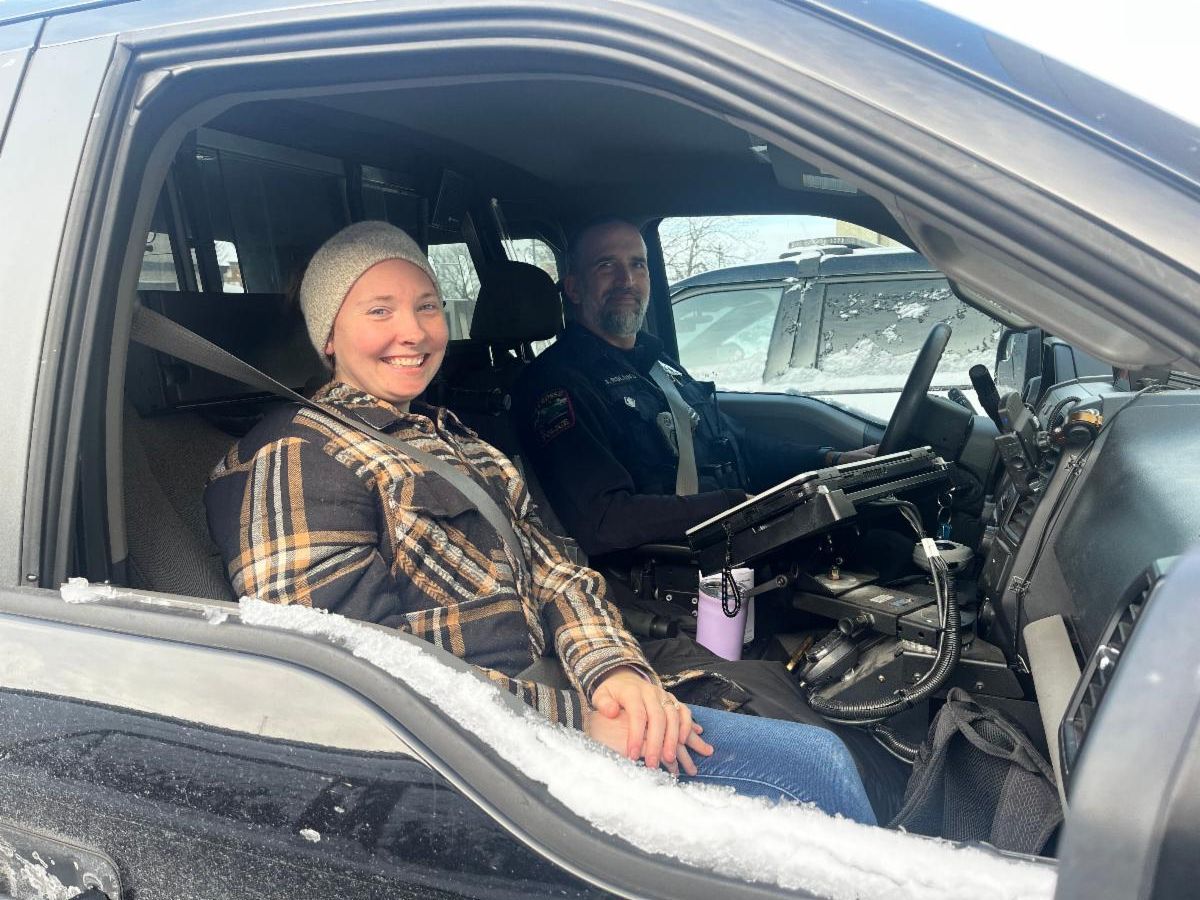
I work closely with the La Crosse Police Department, specifically the Neighborhood Resource Officer unit. I often collaborate and occasionally go out with officers to meet individuals downtown to see if we can provide immediate resources and work on connecting them to longer-term services. I also work with the Homeless Outreach Team, St. Clare's Mobile Med Clinic, and the Salvation Army.
Q: How is this different from the County’s crisis co-response work?
Crisis co-response is about immediate mental health emergencies—risk of harm to self or others. Deflection is more targeted and longer-term. It’s about people who are unsheltered or repeatedly coming into contact with law enforcement and helping stabilize things before they escalate.
Q: What are the program’s goals?
Throughout the grant, the goal is to provide outreach services to at least 50 individuals per year, while maintaining a caseload of about 20 individuals. One key goal is to help at least 15 individuals secure housing. The grant runs through 2027, and if successful, we hope to extend and expand it.
Q: What challenges do you see most often?
Housing remains the greatest barrier, particularly for individuals with criminal histories or struggling with mental health needs.
Q: Why should the public know about this program?
It’s about prevention. By supporting people early, we reduce law enforcement calls, prevent incarceration, and help people stabilize their lives. Ultimately, it benefits the entire community.
|