|
The Office of Emergency Management is encouraging residents to take a few simple steps now to stay safe and avoid preventable issues if temperatures drop or winter weather impacts travel and power.
Here are OEM’s recommended winter weather readiness tips:
1. Protect Your Home and Infrastructure
Ensure heating systems are functioning properly and set thermostats to maintain consistent indoor temperatures. Insulate exposed pipes and seal drafts around windows and doors to prevent heat loss and frozen plumbing. Clear gutters and downspouts to reduce ice buildup and potential water damage.
2. Prepare for Power Outages
Assemble essential outage supplies, including flashlights, batteries, and fully charged portable power banks. Identify safe alternative heating methods and understand carbon monoxide risks. Know how to safely shut off utilities if needed during an emergency.
3. Maintain Essential Supplies
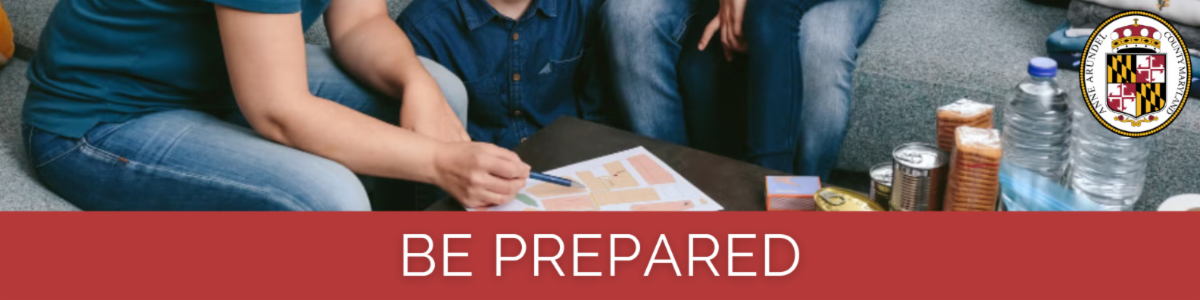
Stock at least a three-day supply of food, water, medications, and medical necessities. Ensure adequate warm clothing, blankets, and hygiene items are readily available. Include supplies for pets and any special dietary or medical needs within the household.
4. Ensure Vehicle and Travel Readiness
Avoid unnecessary travel during winter storm conditions. Prepare vehicles by checking tires, antifreeze, and windshield washer fluid. Keep fuel tanks adequately filled and carry an emergency kit with blankets, food, water, and basic tools in case of travel delays.
5. Prioritize Personal and Community Safety
Dress appropriately for cold exposure, using layered clothing to reduce frostbite risk. Use heating devices safely and never operate generators or grills indoors. Monitor weather updates and check on vulnerable individuals, including elderly neighbors and those with access or medical needs.
|