News and information to help journalists serve the public and stay safe.
|
|
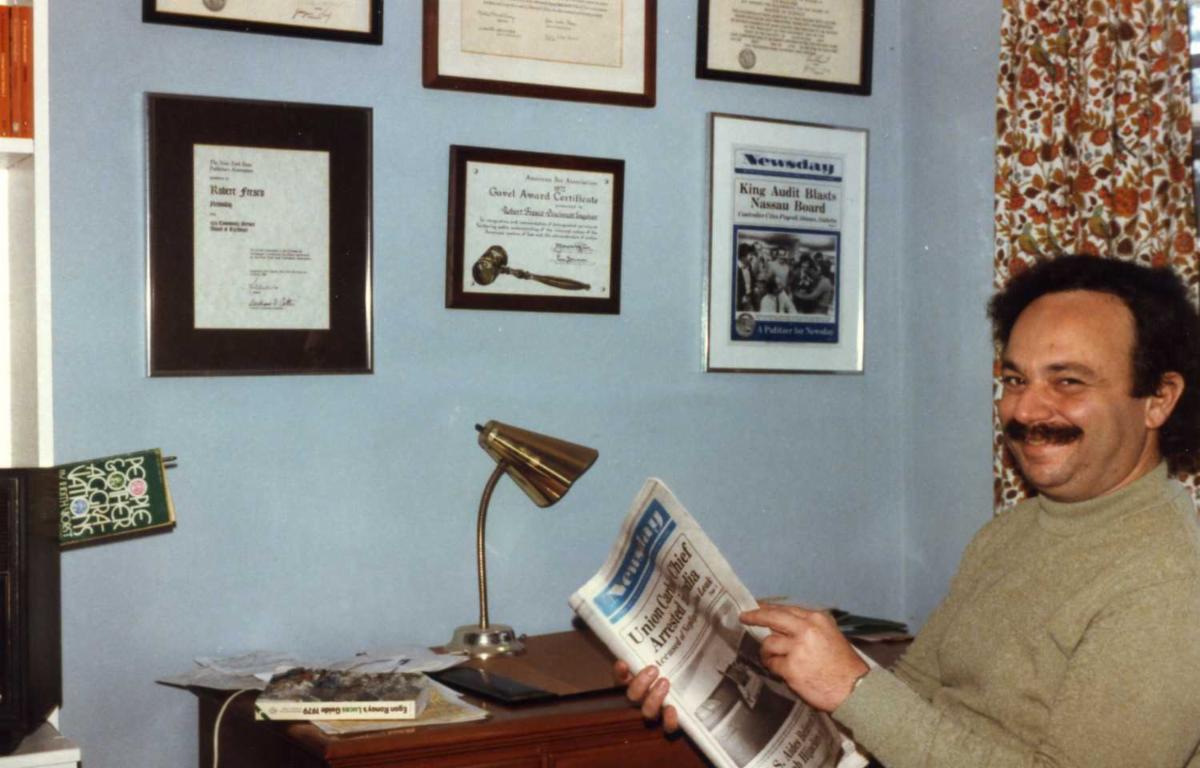
Former Newsday reporter Robert Fresco dies of coronavirus complications
|
Long-time Newsday reporter Robert Fresco, member of a Pulitzer Prize-winning team at the Long Island newspaper, has died of complications of COVID-19,
Newsday reported Tuesday
. He died Sunday on his 78th birthday. Fresco, who took a buyout from Newsday in 2004, was diagnosed with Parkinson’s disease in 2008 and had been in poor health for several years. In 1984, he participated in the coverage of a disabled newborn - the Baby Jane Doe story - which won Newsday a Pulitzer Prize. “He loved his work and attacked every reporting assignment with an unabashed earnestness,” former Newsday editor-in-chief Howard Schneider said. (Photo courtesy of
Janet Fresco.)
|
|
As objections to stay-at-home orders grow louder in some states, newsroom editors are deciding how to cover public protests by making on-deadline calls about news judgment, ethics, and the health and safety of their reporters.
How have the protests been organized, how widespread is the anger, is there accountability for violating social distancing – all those questions have been swirling around the coverage of what in many communities is undoubtedly a story. How to cover them responsibly remains a matter of continued debate, illustrated by
Facebook’s decision
to remove posts for protests that specifically promote flouting social distance.
“
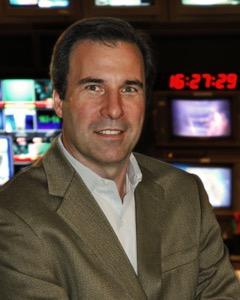
Dissent is not a one-way street, it’s a roundabout,” Benz said in an email interview. “Editors need to ask who else is affected by the dissent or protest? We are seeing some counter-protests by medical professionals. What is their agenda? What about those who may be forced to return to work when they feel unsafe?
“Protests and dissent are opportunities for journalists to educate. The coverage should be fair to those who disagree as well as those protesting.”
What factors should editors take into account when they decide when and how to cover these protests?
Benz
: Obviously not every protest is news. Deciding when to cover these events involves a number of factors. Here are some questions journalists should try to answer as they grapple with decisions about coverage:
How timely and how expansive is the issue or issues at the heart of the protest? These protests obviously pass that test.
Who are the protestors? Do they come from your audience / community? Do they reflect others who may feel the same but were unable or unwilling to join? Again, these protests do seem to reflect the diverse and dissenting feelings of many in the community and they are relatively sizable.
What is at the heart of the protest? This is a much more difficult question, especially as we learn more about how the protests have been organized. Journalists should reveal the organizations that are sponsoring these protests when they can, but that cannot be the end of the coverage. Not everyone participating may be aware of those origins. Journalists should work to reflect the diverse points of view of those participating, whether they are aware of the origins or not. As I
wrote in the article
you saw,
“
Often, those caught up in the march have no idea who is leading or organizing the protest — they simply saw or heard an issue that appealed to them and joined.”
Read on
to learn what journalists’ obligation is to cover protests, when to be transparent, and Benz’s guidelines for coverage.
|
|
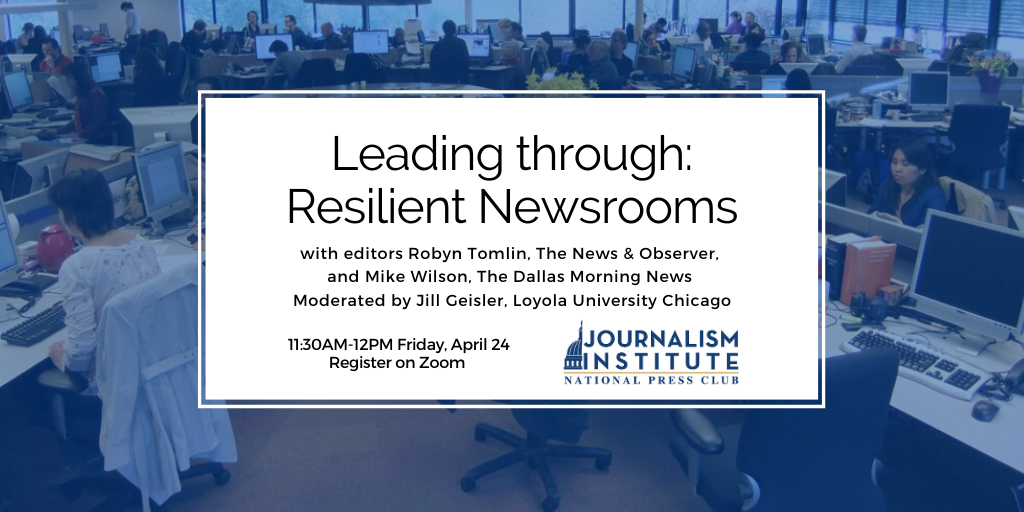
Join two experienced newsroom editors on
Friday, April 24
as they share their perspectives on leading newsrooms through unprecedented challenges caused by the COVID-19 pandemic.
Robyn Tomlin
, southeast regional editor for McClatchy and president and editor of The (Raleigh) News & Observer and The (Durham) Herald-Sun, and
Mike Wilson
, editor of The Dallas Morning News, will discuss how to handle the uncertainties journalists face and the ambitions that inspire us. The conversation will be moderated by
Jill Geisler
, Bill Plante Chair in Leadership & Media Integrity and Loyola University Chicago Freedom Forum Fellow in Women’s Leadership.
|
|
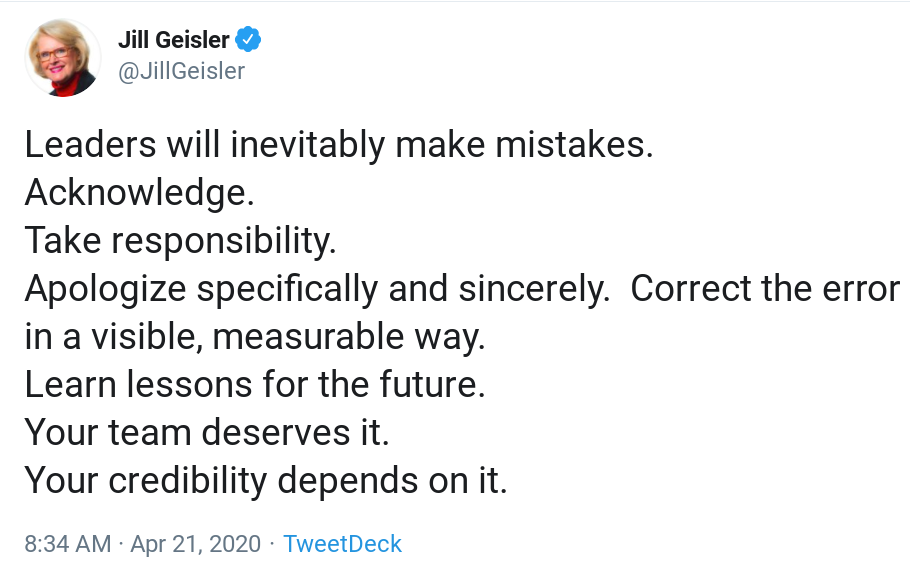
Advice from
Jill Geisler
, Bill Plante Chair in Leadership & Media Integrity, Loyola University Chicago, Freedom Forum Fellow in Women’s Leadership
|
|
|
Self-Care:
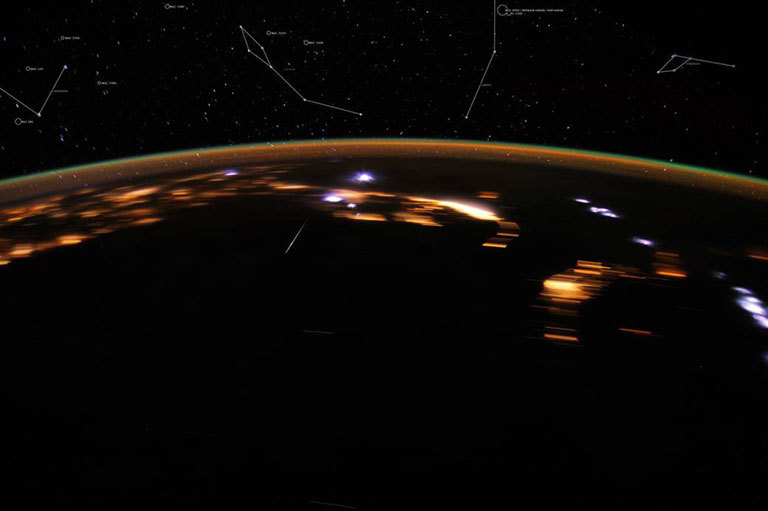
The sky’s the limit
|
Things seem a little out of this world right now. So why not connect to the universe?
|
|
NPPA opens Covid-19 Emergency Relief Fund applications
|
The goal is to help support NPPA members who have been financially impacted by the COVID-19 pandemic. The Emergency Fund is meant to provide a small amount of one-time support for members who need immediate assistance — there are no restrictions on what the funding can cover: it can be healthcare, childcare, rent, and/or professional expenses.
Applications are limited to current members of the NPPA, whether staff or independent, who can demonstrate they derive their primary income from photography. The application will ask basic questions such as how you have been impacted and basic documentation of cancelled assignments; professional references; social media handles and/or a website.
The application for the first round of emergency funding closes Saturday, April 25, 2020 at Noon EDT.
|
|
Round 3
voting has begun. Deadline is midnight on Thursday, April 23.
|
|
This newsletter is written & edited by the National Press Club Journalism Institute staff: Beth Francesco, Holly Butcher Grant, Jim Kuhnhenn, and Julie Moos.
Send us your questions and suggestions
for topics to cover.
|
|
The National Press Club Journalism Institute promotes an engaged global citizenry through an independent and free press, and equips journalists with skills and standards to inform the public in ways that inspire civic engagement. Support our important work with a tax-deductible contribution today.
|
|
|
|
|
|
|