News and information to help journalists serve the public and stay safe.
|
|
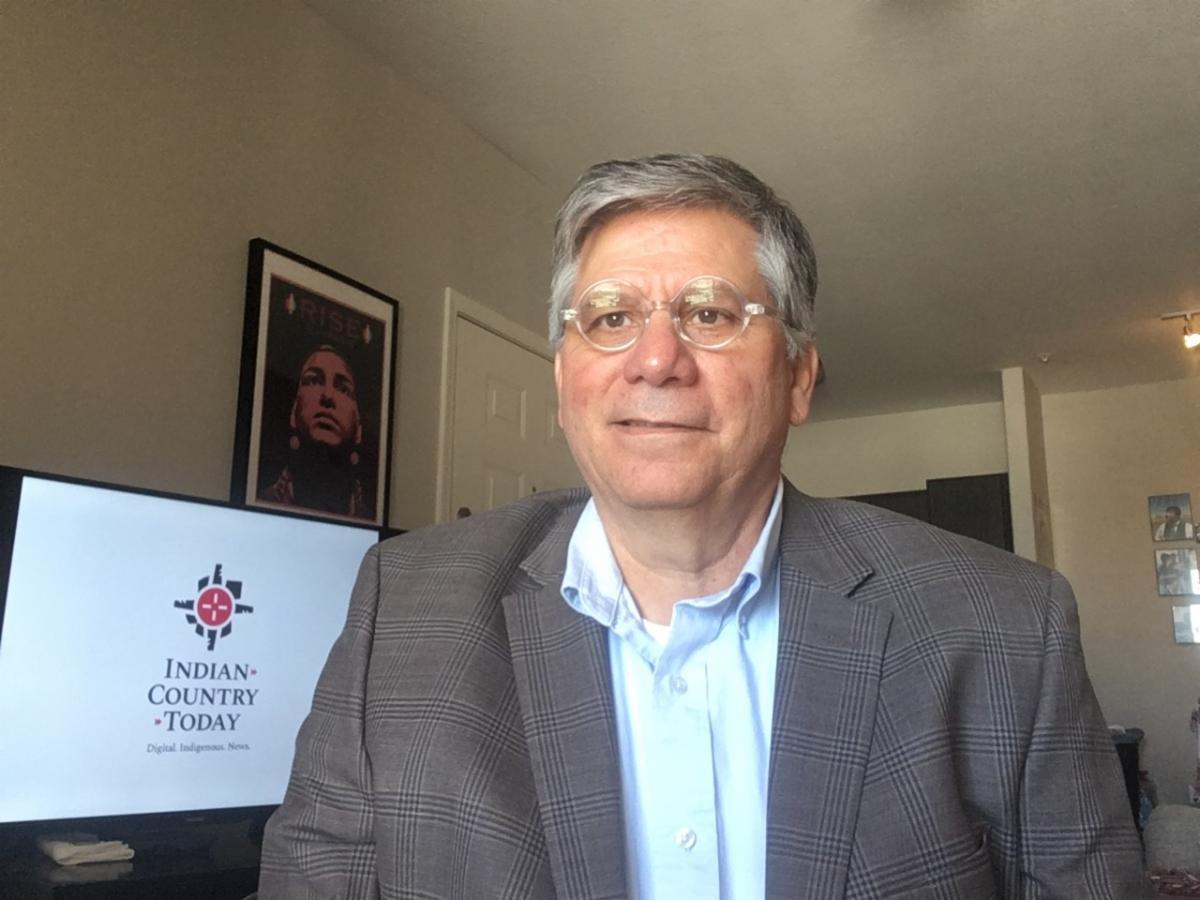
As the largest news site covering tribes and Native people throughout the Americas,
Indian Country Today
is uniquely positioned to report on COVID-19’s impact in ways that mainstream media outlets are not.
How is Indian Country Today covering the coronavirus impact on indigenous communities?
We also launched a new
daily television show
. After two weeks it's now been picked up by several PBS affiliated networks.
What are some of the stories you are publishing that are not covered by mainstream media? Who else is doing it right?
Trahant
: I have not had a lot of time to reach mainstream media. Some of the national stories, one in the
NYT last week
, have been quite good. Others fall into traps, such as getting overly romantic.
We built our own tracking devices.
The Indian Health Service
only reports numbers reported to it or from its own facilities. We wanted better representation so have created a more comprehensive model.
Read on
to learn more about the role of journalism in times of crisis and the importance of representation.
|
|
|
Explore how truth-telling in tough times creates community, with syndicated columnist and author
Connie Schultz
, and journalist and author
Jon Mooallem
.
They will discuss their experiences in “
Resilience and Community
,” from 11:30 a.m. to noon Wednesday, April 29, on Zoom.
|
|
We are seeing city councils and other local and state governments putting their meetings on video for the public to see. But are journalists encountering limits on their ability to get information from elected officials and public servants?
Osterreicher
: While most state and local governments are complying with open records laws, there are still a number who have made it more difficult to get information regarding COVID-19.
In one of the more
publicized cases
, Florida officials denied pressuring attorneys to drop [a] planned public records lawsuit over unreleased coronavirus data. That case was then commenced by another firm and, a week later, Florida Gov. DeSantis
released the names
of elder care homes with coronavirus cases, which the state’s surgeon general had been refusing to do.
Iowa, on the other hand, is
still denying
the public access to some [of] its COVID-19 records and information. It appears
Virginia
is doing the same thing. The Columbia Journalism Review cites a
lack of transparency
by governments in making available information about tax incentives and money provided under the $2 trillion stimulus package. But such information is vital to help inform the public about such things as where to
get a coronavirus test
.
In late March, a reporter for the Miami Herald and Tampa Bay Times
was barred
from the Florida governor’s coronavirus press conference, and in Illinois, the governor’s press secretary
announced
that only one print pool reporter and one broadcast pool reporter will be allowed to attend the daily COVID-19 press briefings to ensure adherence to “social distancing guidelines.”
In response to these incidents, the
RTDNA
posted an update “calling on state and local authorities across the United States to be completely transparent with the public about the COVID-19, and to answer questions about it asked by journalists without unreasonable restrictions.”
In one bit of positive news, the U.S. Supreme Court
announced
“it would hold arguments remotely and, in an unprecedented move, make the live audio of those arguments available to the public.”
Read on
to learn about drone laws, defamation lawsuits, and unemployment benefits for freelancers.
|
|
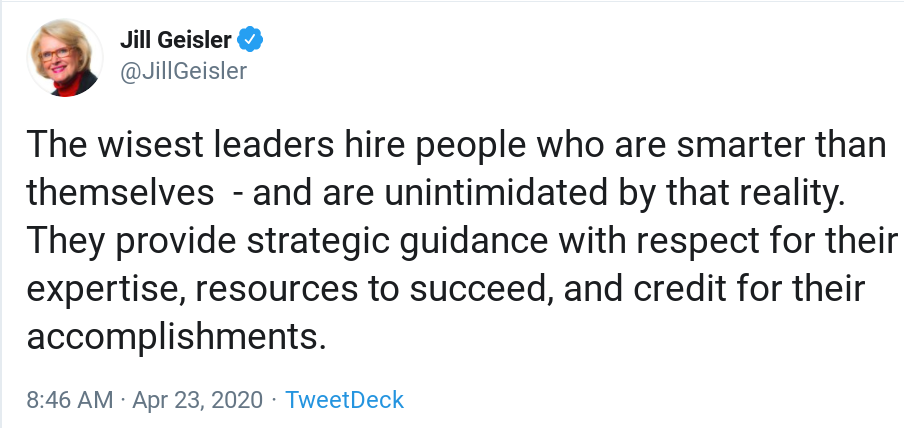
As Steve Jobs said
, “It doesn't make sense to hire smart people and then tell them what to do. We hire smart people so they can tell us what to do.”
Advice from
Jill Geisler
, Bill Plante Chair in Leadership & Media Integrity, Loyola University Chicago, Freedom Forum Fellow in Women’s Leadership
|
|
|
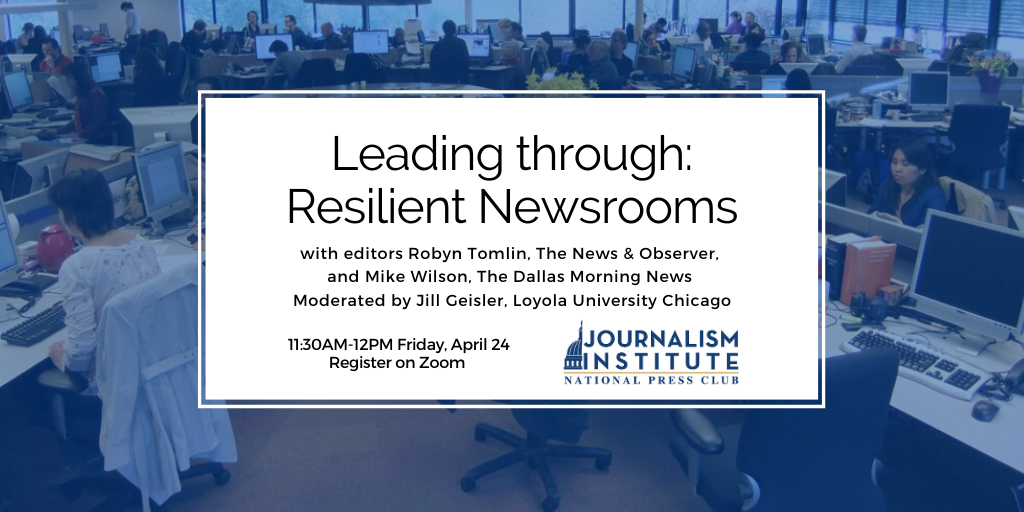
Join editors
Robyn Tomlin
and
Mike Wilson
tomorrow,
April 24
as they share their perspectives on leading newsrooms through unprecedented challenges caused by the COVID-19 pandemic. The conversation will be moderated by
Jill Geisler
, Bill Plante Chair in Leadership & Media Integrity and Loyola University Chicago Freedom Forum Fellow in Women’s Leadership.
|
|
|
Self-Care:
Try these tips to ease eye strain
|
Here are some eye-opening tips we’re trying:
- The “20-20-20” rule: every 20 minutes, take 20 seconds to look at something 20 feet away.
- Schedule gaps between work meetings. Five to 15 minutes gives you time to change location, take a walk, or process your last discussion.
- Switch from gallery view to speaker view. Doing so more closely mimics a conference room meeting, where you direct attention to the speaker.
- Eye yoga: Look to the left and hold, then do the same to the right. Look up, hold the position, and repeat while looking down. Close your eyes, then repeat several times.
- Allow time between work and your virtual happy hour or family gathering.
- Ask: Do we really need to meet? Will an old school phone call or note suffice?
|
|
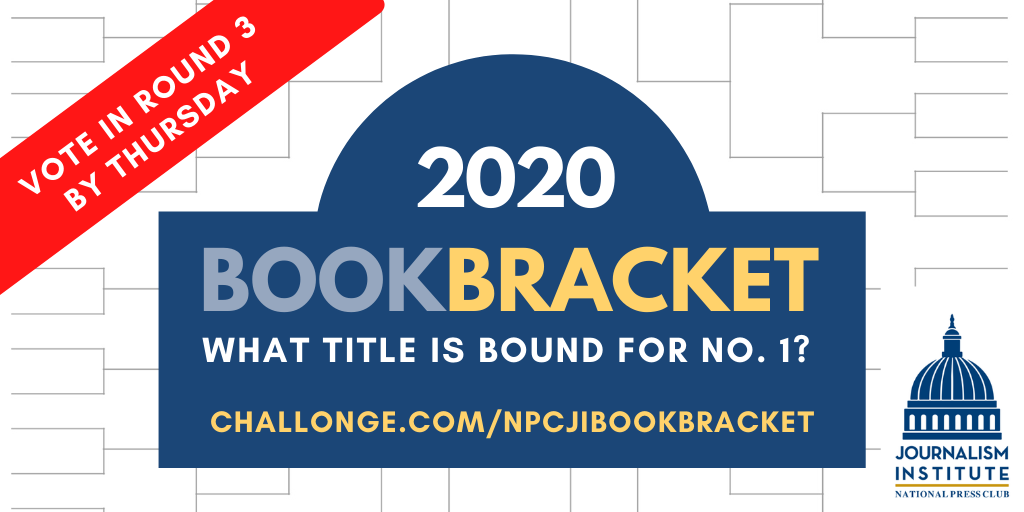
Round 3
voting has begun. Deadline is midnight tonight.
|
|
This newsletter is written & edited by the National Press Club Journalism Institute staff: Beth Francesco, Holly Butcher Grant, Jim Kuhnhenn, and Julie Moos.
Send us your questions and suggestions
for topics to cover.
|
|
The National Press Club Journalism Institute promotes an engaged global citizenry through an independent and free press, and equips journalists with skills and standards to inform the public in ways that inspire civic engagement. Support our important work with a tax-deductible contribution today.
|
|
|
|
|
|
|