Welcome to the Credo Imports Community


What is a Credo?

Credo is a Latin word, defined as "a statement of the beliefs or aims which guide someone's actions."


Our credo is that anyone and everyone should be able to enjoy wine, regardless of wine education, taste or bank account. We champion lesser-known grapes, regions, and winemakers, and strive to share unique wines from all over the world with wine-loving people.

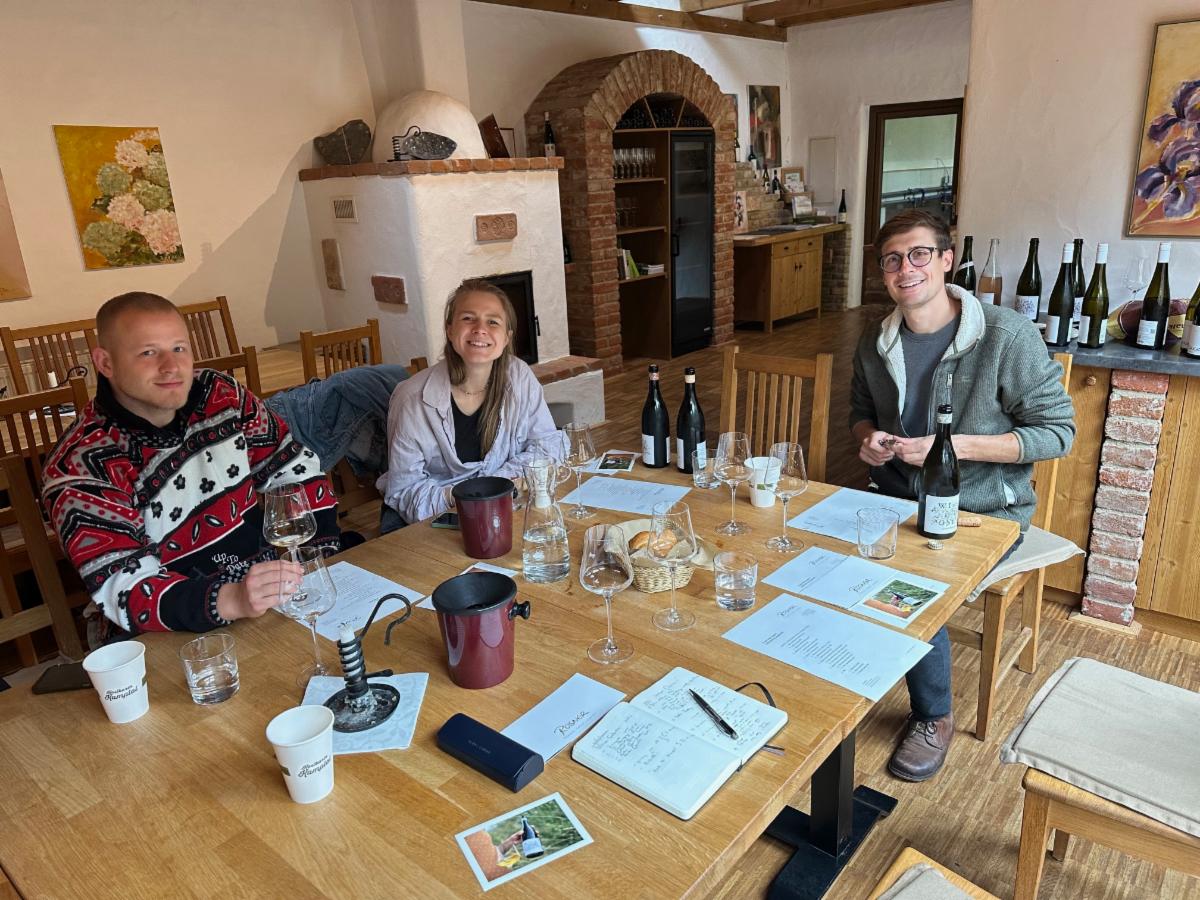
We are thrilled to raise a glass with you as we launch the very first edition of our newsletter. What began as a shared passion for authentic, family-made wines has grown into a community—one that values connection, craftsmanship, and the joy of discovery.


We look forward to bringing you stories from the vineyards we love, introduce you to the people behind the bottles, and share insights to make your wine journey more approachable and enjoyable. Our goal is simple: to make wine feel welcoming, never intimidating, and to celebrate the traditions and innovations that make every sip meaningful.


Thank you for joining us at the beginning of this adventure. We can’t wait to share what’s ahead—and we hope our selections inspire as much delight at your table as they do at ours.


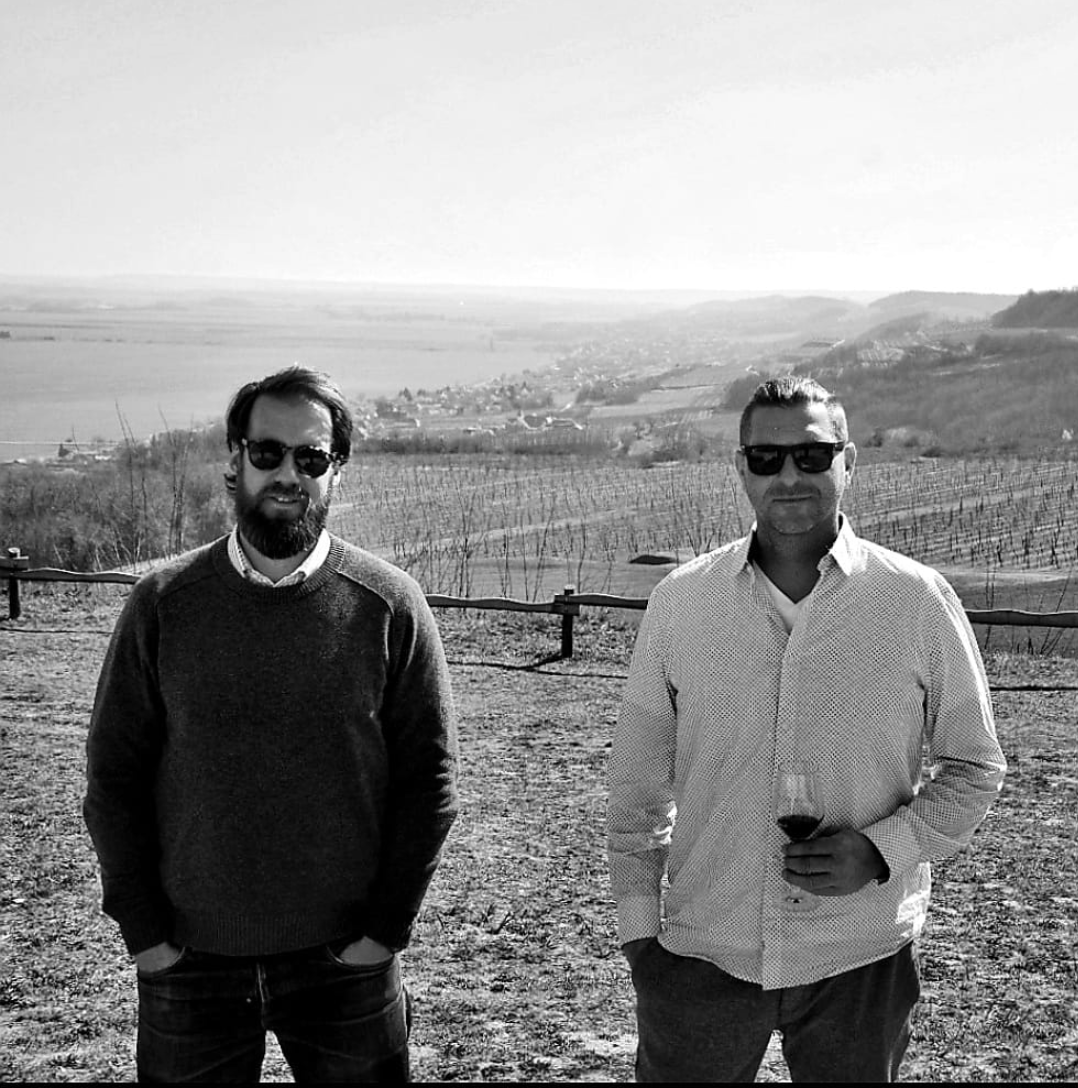
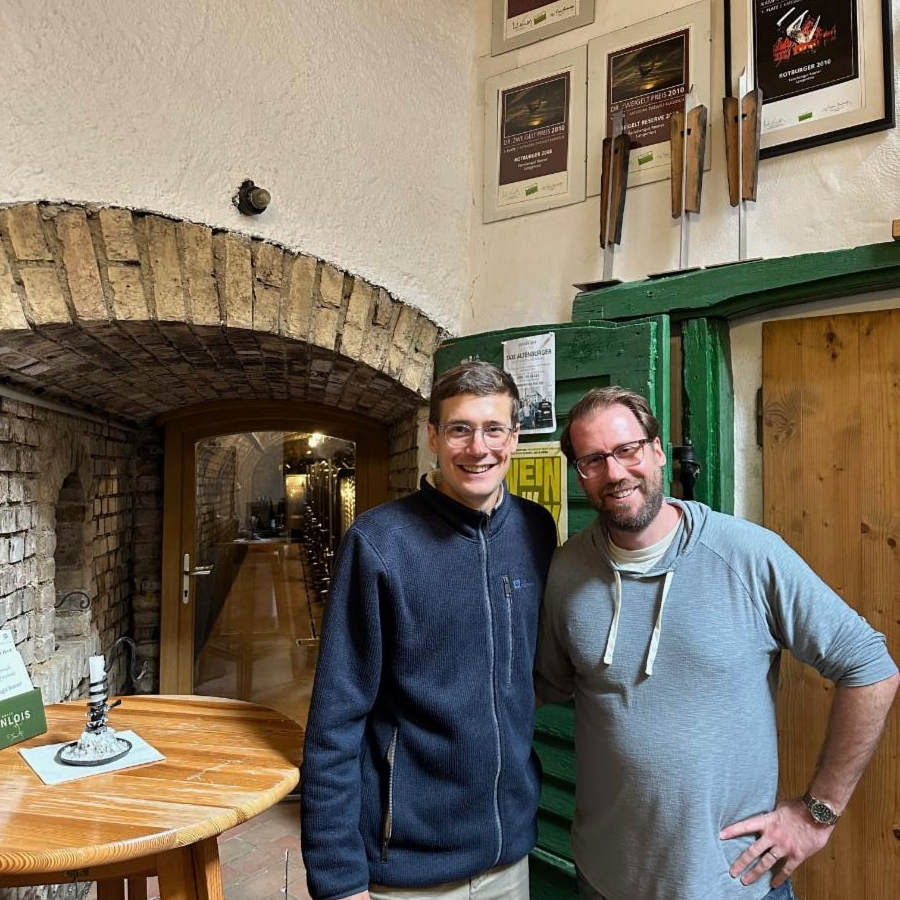
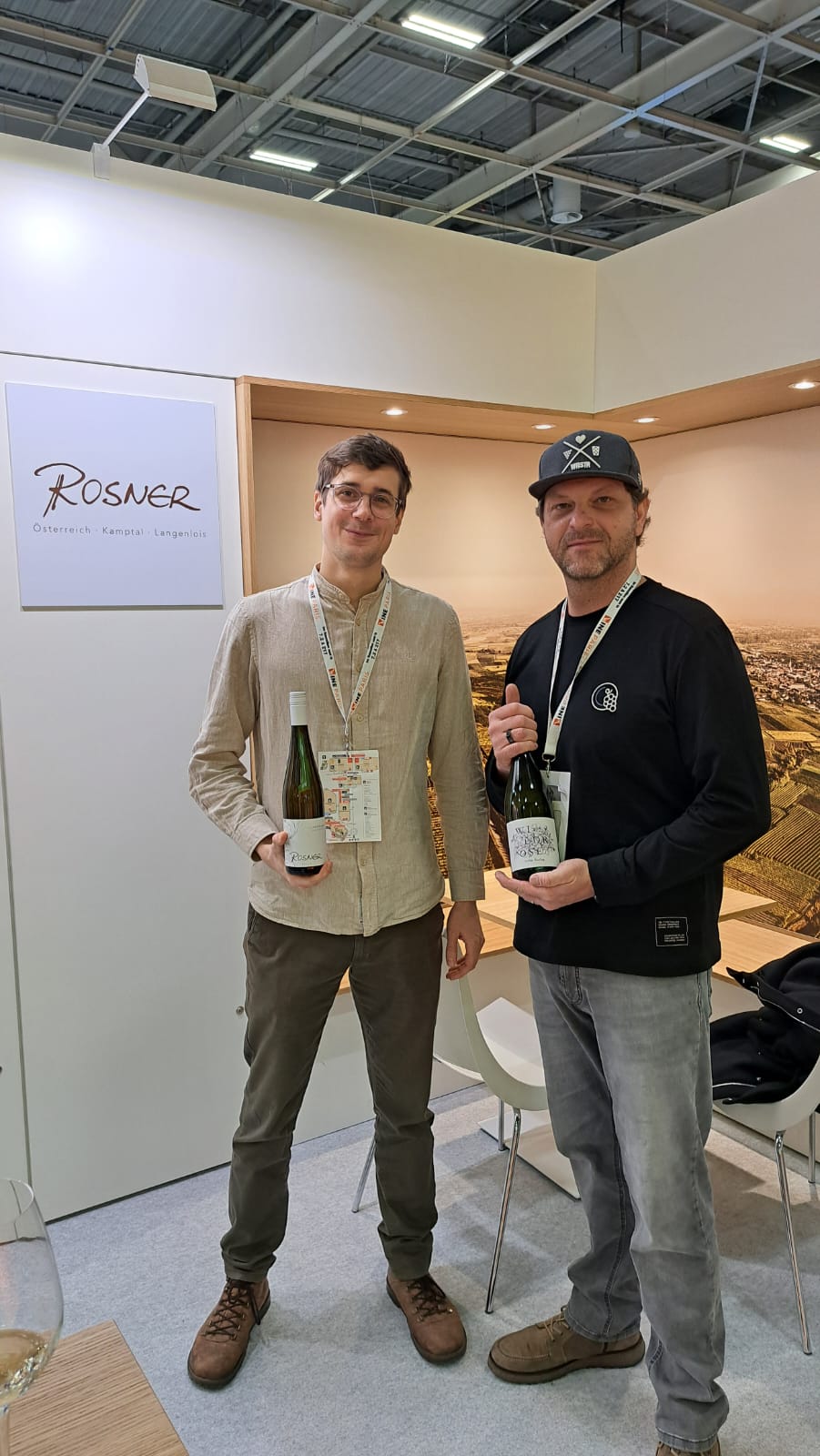
Winemaker Spotlight: Stefan Rosner


Stefan Rosner is the passionate winemaker behind Weingut Rosner, a multi–generational winery nestled in the Kamptal region of Lower Austria. The Rosner family's viticultural legacy dates back to 1897, when Theresia and Johann Rosner acquired the estate—a tradition that has extended through to today under Stefan’s stewardship Weingut Rosner. Since 2010, the estate has embraced organic viticulture, reflecting a deep commitment to sustainability and respect for the land Weingut Rosner. Both Stefan and his father Norbert coordinate closely in the vineyard and cellar, with terroir-driven winemaking at the heart of their philosophy Falstaff.

Stefan channels his vision into two complementary lines of wine. First, Weingut Rosner produces a thoughtful portfolio of lively, authentic wines—such as Grüner Veltliner, Riesling, and Sauvignon Blanc—crafted from individually managed vineyard sites, and fermented in small tanks and barrels to express the unique character of each parcel Falstaff. The Wildrose range, on the other hand, reflects a more natural and unfiltered approach—you’ll find varietals like Sauvignon Blanc, Grüner Veltliner, Zweigelt, and a floral “Bouquet” blend that mix Gelber Muskateller, Muskat Ottonel, Scheurebe, and Sauvignon Blanc. These wines are certified organic and are made with minimal intervention to let the earth and climate shine through. Enthusiasts of natural wine communities have praised his style—one described the Wildrose Rot Zweigelt as “a really wonderful and distinct wine…on the nose there are notes of blackberry jam, blueberry pancakes, black tea, and violets.


Q: Stefan, you come from a long winemaking tradition in Langenlois. How did you find your own path within the family estate?

A: I officially joined in 2014 after studying viticulture and economics and working abroad. My father began converting the vineyards to organic practices back in 2006, and I wanted to carry that forward. For me, it’s not just about tradition—it’s about respecting nature. Our vines are farmed organically, free of chemicals, and I try to keep the winemaking process as natural as possible. That’s how “Wildrose” was born. The name comes from the wild roses growing around our vineyards—untamed, elegant, and authentic, just like the wines I want to make.


Q: What makes your wines stand out, and what do you hope people experience when drinking them?

A: Each bottle should reflect its vineyard and vintage, without being forced into a mold. I produce everything from crisp Grüner Veltliner and rosé from Zweigelt to more experimental orange wines and Pet-Nat. They’re all unfiltered, unfined, and made with minimal intervention. The idea is to give people something alive in the glass—fresh, expressive, and a little wild. At the end of the day, wine should be a pleasure that connects people, while also reminding us of where it came from.


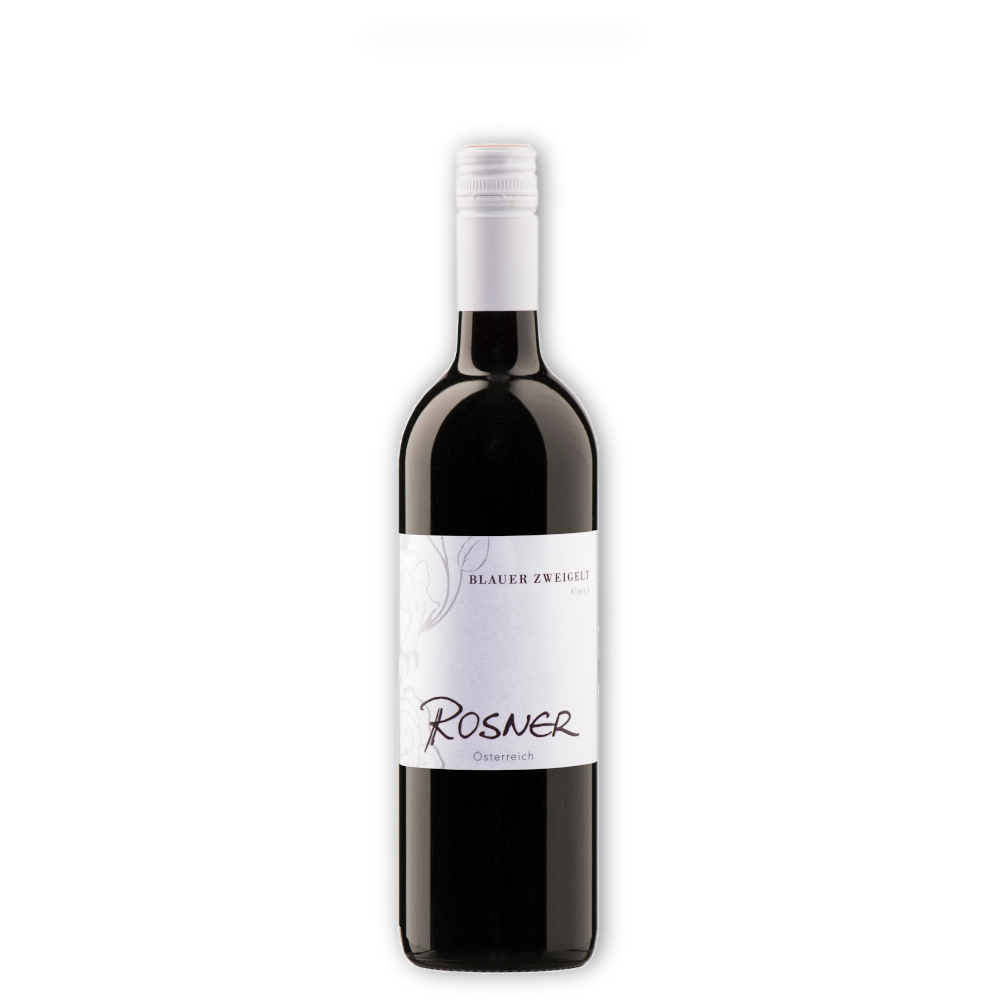
Current portfolio offering: Rosner Zweigelt Klassik (pictured above)


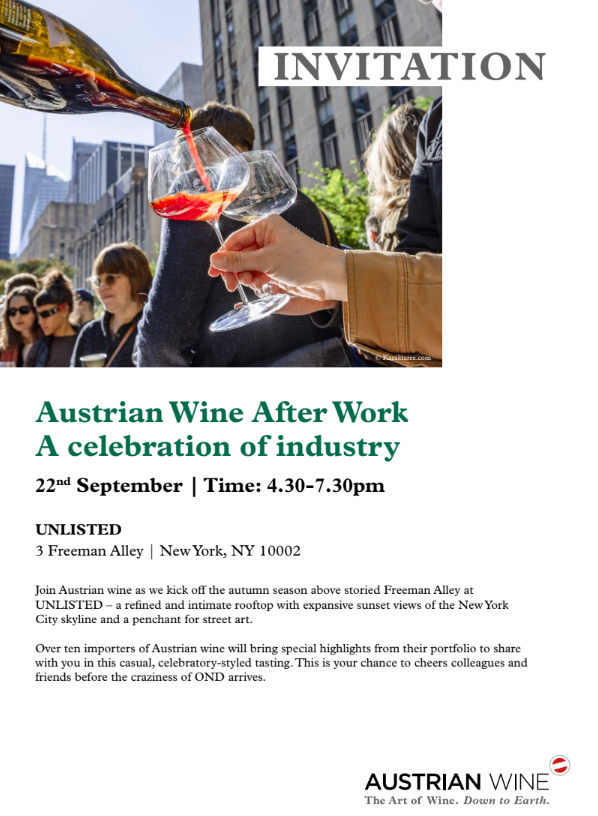
Upcoming Events


Join us in New York on September 22 to taste:


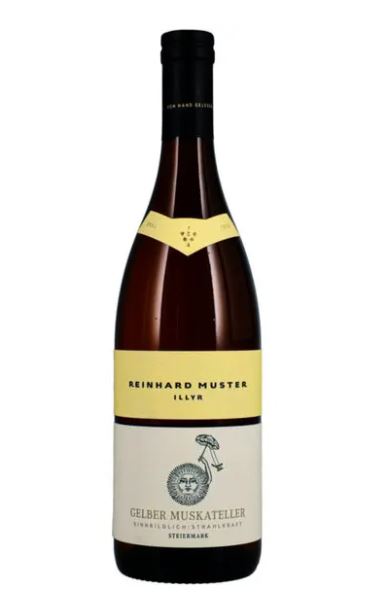
Weingut Muster Gamlitz:

  • 2022 Gelber Muskateller "Illyr"
  • 2023 Sauvignon Blanc "Styria"


Weingut Stefan Rosner:

  • 2022 Blauer Zweigelt Klassik


Weingut Michaela Riedmüller:

  • 2024 Welschriesling
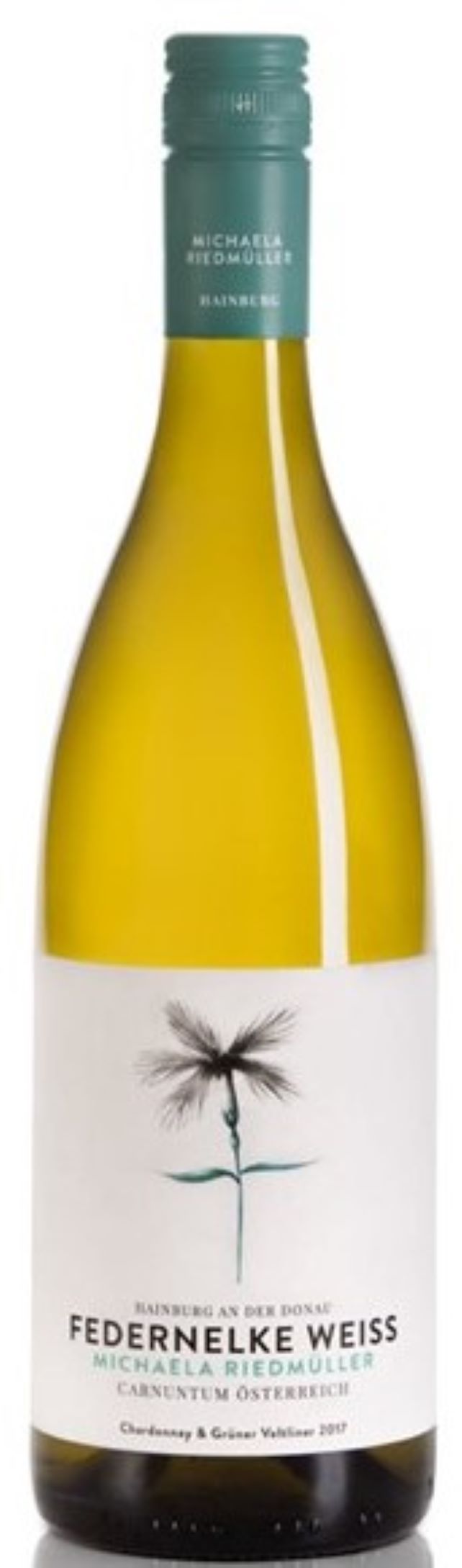
  • 2023 Federnelke Weiss
  • 2021 Federnelke Rot


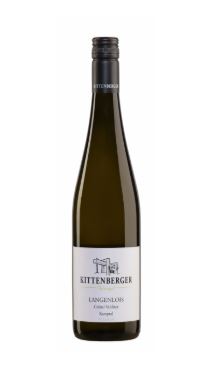
Weingut Christian Kittenberger:

  • 2023 Gruner Veltliner "Langelois"


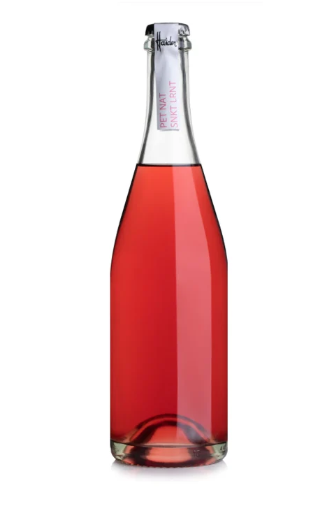
Weingut Haider:

  • 2024 St. Laurent PetNat Rose


670db9820499e01a31a9582e_Federnelke20Weiss.jpg

In our next issue:

November 11: Wines of Hungary Event

NYC Press Link

 
Facebook  X  Instagram