|
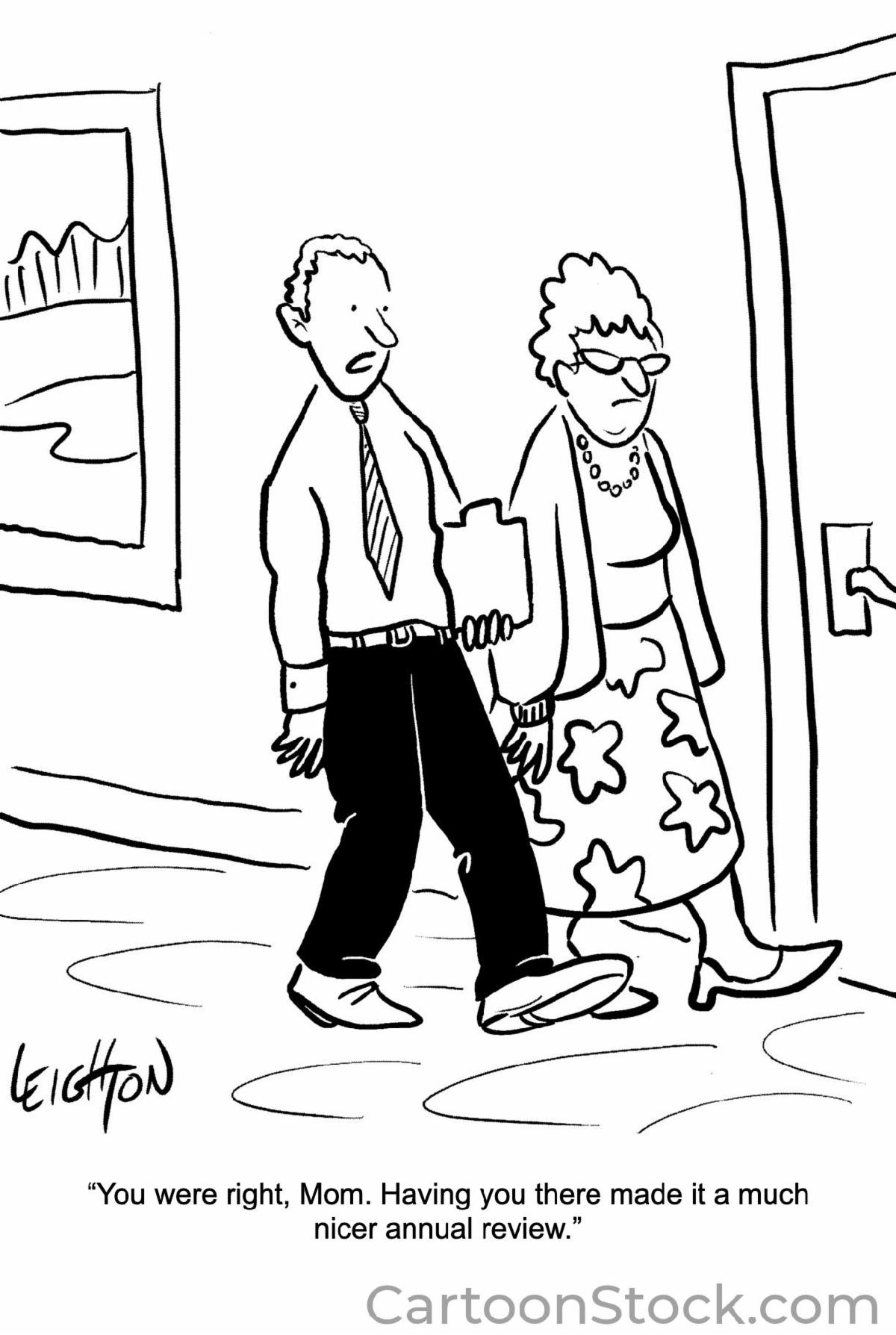
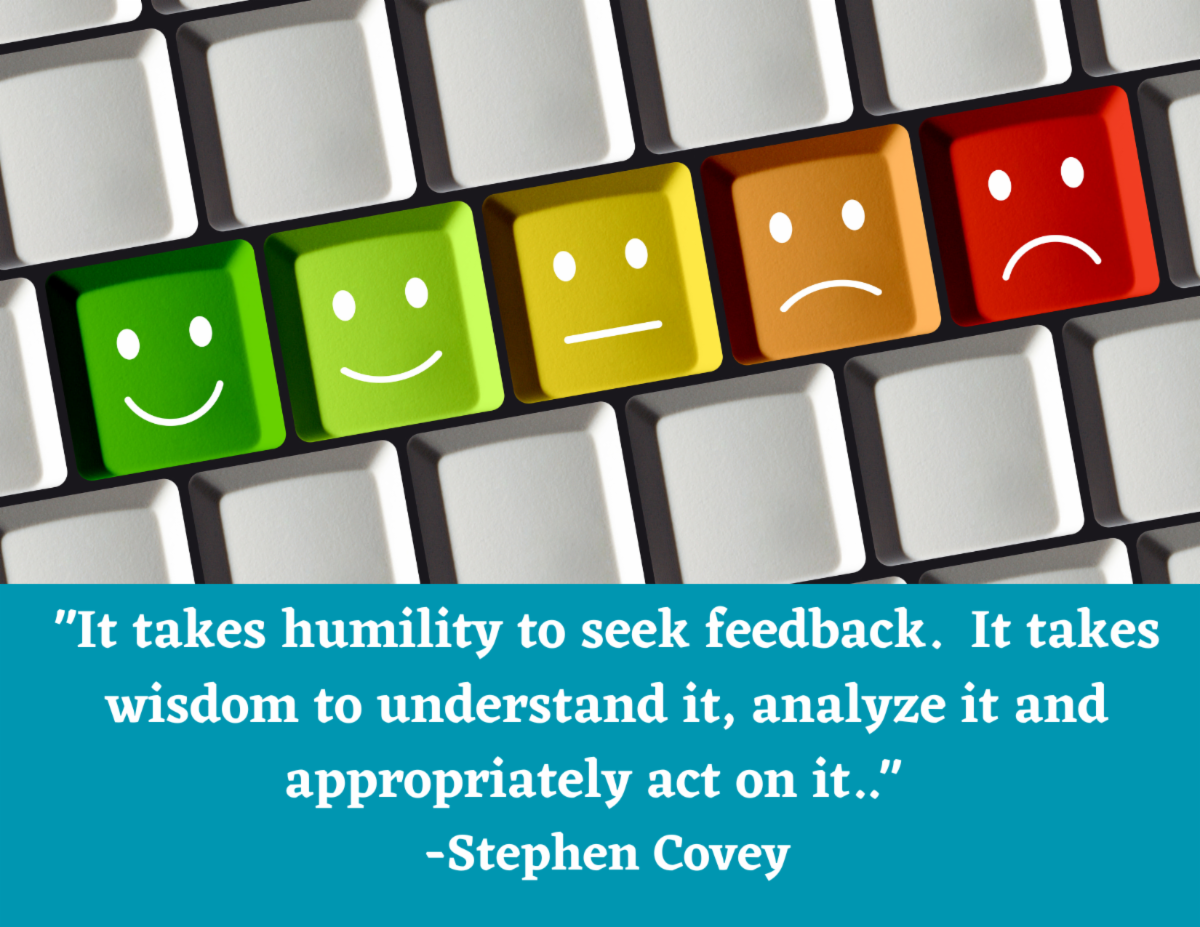
From the pain in our knee to the compliment a friend gives to our job evaluation -- we are constantly receiving feedback. It comes in the form of appreciation- you are seen and valued, evaluation - here's where you stand and coaching - here's what could be improved. We need all 3 types. We take feedback in and our body & brain start churning. We may evaluate, use, accept, reject, misinterpret or ignore. We may be delighted, devastated, angry or confused.
Receiving feedback well involves being able to manage emotional triggers, see ourselves in new ways and choose whether & how we use the info. For most of us, when we can learn & improve, we feel good about that. Our self-esteem is more secure, our relationships are richer and tough feedback becomes less threatening. People adept at receiving feedback are easier to work with and can collaborate & solve problems more effectively. Research has shown that feedback seeking behavior is linked to higher job satisfaction, greater creativity, faster adaptation and lower turnover. Makes sense and sounds simple enough.
So why can it be so difficult?
Most of us do okay with positive feedback. Even so, we may dismiss or diminish it. If you find yourself doing either, I invite you to think of positive appreciation as a gift. How you receive it ultimately is a gift back to the giver. Offer a simple genuine thank you with no buts attached.
We are human and none of us are quake proof. Sometimes a situation, conversation or experience leaves us feeling confident, competent and empowered. Sometimes it leaves us feeling defensive, doubtful or judging. We can't think or learn so we defend, attack or withdraw in retreat. No matter which occurs, a ripple effect is created within and without. Ideally, we want to learn to respond rather than react. How that happens depends on the meaning we attach to the circumstance in front of us. The story we tell ourselves determines the way we’ll feel. How we think and feel determines the actions we take or don’t take.
3 Triggers
In their deep dive book Thanks For the Feedback, Douglas Stone & Sheila Heen outline 3 triggers that get in our way of accurately appraising feedback. A situation may trigger 1 or more of these:
Truth Triggers
These are the most common and occur when we're set off by the substance of the feedback itself. "That's wrong, not me, not helpful..."
Relationship Triggers
These occur when our focus shifts from what is said to who is saying it. We question their motive, their credibility or how they are treating us and as a result take it personally or often discredit the feedback.
Identity Triggers
Here the feedback is felt as an incoming attack on our core being. Our alarm system sounds and we launch into survival mode. We may feel threatened, ashamed, overwhelmed and we respond to our distorted perception (the meaning we've attached) of the feedback, not simply the words given. We tend to shift into black & white thinking and use Always, Everyone & All of me statements.
What We Can Do
Accept 3 Hard Facts:
- You will make mistakes.
- Your good intentions can have a negative impact.
- If there is a problem, you have contributed whether by action or inaction.
Awareness is Key
Know your tendencies. Understand how you typically react: I run, I collapse, I fight. Recognize which trigger has been tripped.
- Do you see feedback as a verdict or what to work on next?
- Are challenges threats to your identity or opportunities for growth?
We all have blind spots and what we do and say is mostly in other people's observations. Our thoughts & feelings leak into our intentions & actions and come thru in our body language, tone and timing.
- Look for patterns: Have I heard this before?
- Ask: How might I be getting in my own way?
- Ask a trusted source if they see you doing X, Y or Z or what is one thing they see you doing/not doing that's getting in your way?
Adopt a Growth Mindset
We bounce back faster when we can come from a growth mindset perspective. Growth mindset takes in feedback as mixed data not absolute truth. It sifts through and can see feedback as not who I am, but something I did. The goal is to attain accurate information to learn, adapt and grow.
Where Possible Prepare
Whether we are exuberant or devastated, in the moment, it's hard to be in learning mode.
Good Questions to Have on Hand
- Where is this feedback coming from? Ask questions to clarify and understand context.
- Make a list: What is this about? What isn't this about?
- What does this mean for me? What is the story I am telling?
- What makes sense here? Listen for what is right.
- What can I learn?
- What is worth trying & what are the steps?
- What is expected of me?
At the End of the Day
Take a breath and be kind to yourself. Beating yourself up is likely to cause more harm than good.
If you're triggered, hit the Pause button. Saying you want to think about what they've offered doesn't mean you have to agree. Let them know you've taken it in, need time to process and commit to return to the conversation.
Remember, feedback is a loop not a one-way street!
|