|
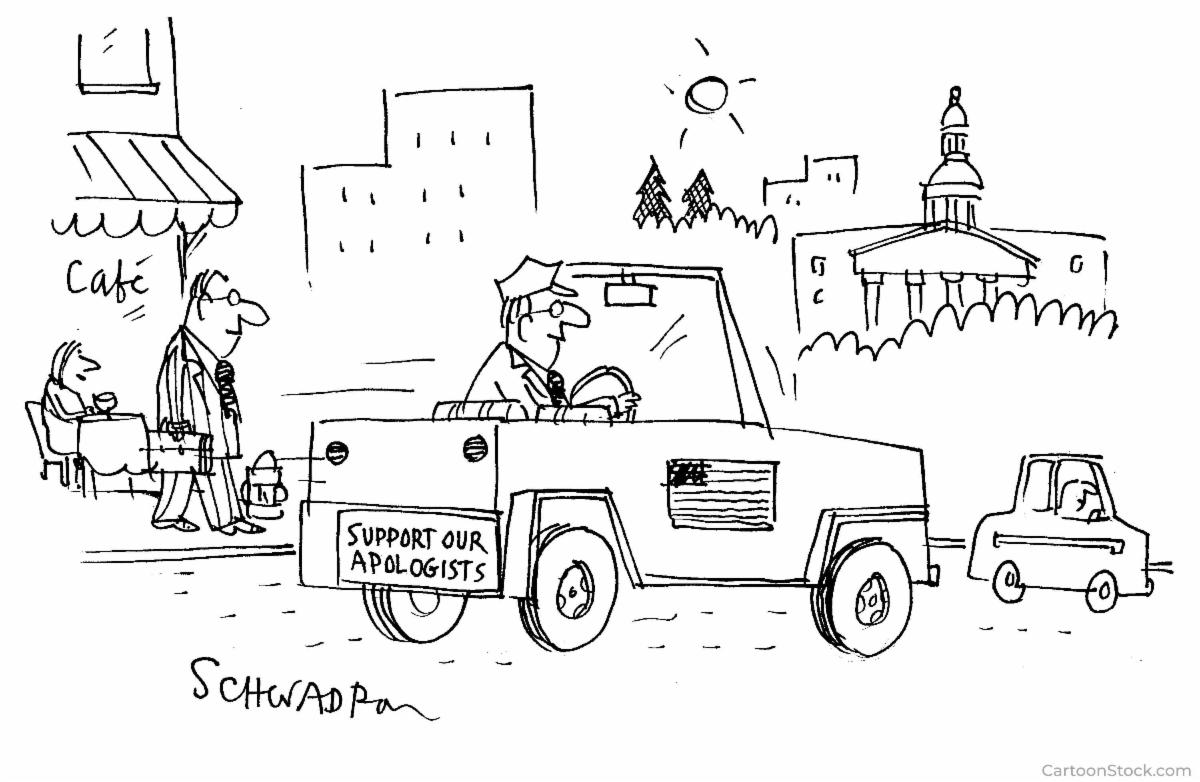
If you catch yourself saying “Sorry!” for things that don’t really require an apology, you’re not alone. Many thoughtful, self-aware people over-apologize — often because they want to be considerate, avoid conflict, or soften their presence.
Apologizing can be a sign of kindness — but when it becomes a reflex, it can undercut your confidence, clarity and credibility. The good news? You can retrain the reflex.
When you feel the impulse to apologize:
- Notice the urge
- Pause before reacting
- Replace it with gratitude, clarity, or confidence
Tune In
When do you tend to apologize automatically?
Common scenarios include:
- Taking up space or asking for something
- Running behind or not having an answer yet
- Saying no or setting limits
- Sharing feedback or disagreeing
- Stepping into visibility or leadership
Pause Before You Speak
When you catch yourself about to apologize, take a breath.
A simple beat of silence lets you reset.
Coach yourself in the moment: “Do I actually need to apologize — or just acknowledge, thank, or clarify?”
Replace “Sorry” With Strength
Here are some simple swaps that change your tone without changing your warmth:
When you make a small mistake:
Instead of: “Sorry, I messed that up.”
Try: “Thanks for catching that — I’ll fix it.”
When you’re running late:
Instead of: “I’m so sorry I’m late.”
Try: “Thanks for your patience — I appreciate you waiting.”
When you need help:
Instead of: “Sorry to bother you…”
Try: “Can I get your input on something?”
Instead of: "Sorry to interrupt."
Try: “Do you have a moment?”
When you don’t know something:
Instead of: “Sorry, I should have known that."
Try: “Good point — I’m getting up to speed on that.”
“Let me get clarity on that so I can give you an accurate answer.”
Instead of: “Sorry if this is a dumb question.”
Try: “To clarify — how does this connect to…?”
When you take up space or speak up:
Instead of: “Sorry, I just wanted to say…”
Try: “I’d like to add a thought here.”
Instead of: "Sorry is this comes across wrong."
Try: “I want to share a perspective that might help.”
Instead of: “Sorry for taking your time.”
Try: “Thanks for making the time.”
When giving feedback:
Instead of: “Sorry if this sounds harsh…”
Try: “Here’s what I noticed that might help us improve.”
When you set a boundary:
Instead of: “Sorry, I can’t right now.”
Try: “That doesn’t work for me — let’s find another time.”
When emotions run high:
Instead of: “Sorry I’m being emotional.”
Try: “This matters to me — that’s why I feel strongly.”
Use Grounding Phrases to Sound Confident
When you feel yourself shrinking, anchor in a phrase that signals steadiness:
“Here’s my take.”
“What I’m seeing is…”
“To move this forward, we’ll need…”
“That’s something I can follow up on.”
“Let’s clarify next steps.”
Invitation
Small shifts in language can reshape how others experience your confidence — and how you experience your own voice.
Think about one situation this week where you tend to apologize automatically. It could be in a meeting, email or conversation.
How could you replace “sorry” with appreciation, clarity, or directness instead?
- Try out a substitute
- How did the tone shift?
- What phrase worked well that you can use again?
The goal isn’t to be less kind — it’s to be clear, confident, and grounded in your own worth.
|