|
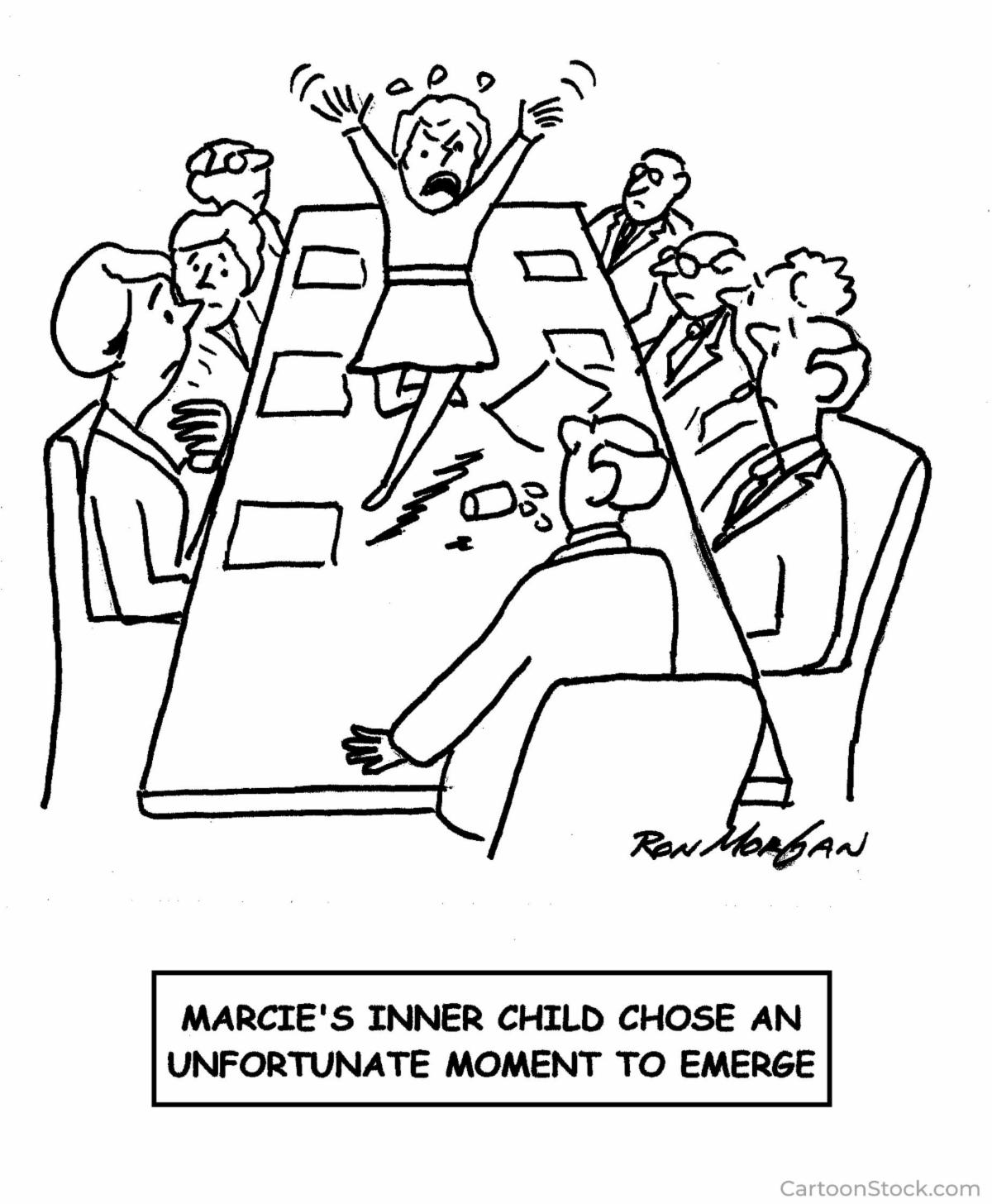
Have you ever reacted to a situation in a way that surprised even you? Maybe you felt an overwhelming sense of rejection from a simple offhand comment or got irrationally frustrated when things didn’t go your way. In these moments, it’s not just your adult self responding—it’s also your inner 4-year-old.
No matter how grown-up and responsible we appear, deep down, we all carry the emotional imprints of our early childhood. Our fears, desires, and emotional needs from that time still shape our behavior, often in ways we don’t fully realize. Understanding that we—and everyone around us—are often just 4-year-olds in adult bodies can help us develop more self-awareness, patience, and empathy.
Qualities of a 4-year-old...
Emotionally Intense & Expressive
- Experiences big emotions—joy, frustration, excitement, sadness—all in quick succession.
- May cry, pout, or have outbursts when things don’t go their way.
- Needs reassurance and comfort after feeling hurt or rejected.
Seeks Validation & Approval
- Wants to be seen, heard, and praised for achievements.
- Can be highly sensitive to criticism or perceived rejection.
- Often asks, “Did I do a good job?” or “Do you like this?”
Curious & Imaginative
- Constantly asks "why?" to understand the world.
- Loves storytelling, pretend play, and making up scenarios.
- Can blur the line between reality and fantasy.
Developing Independence but Still Needs Guidance
- Wants to do things alone —“I can do it myself!”—but may struggle and get frustrated.
- Still looks to trusted adults for reassurance and help.
- May switch between acting “grown-up” and needing comfort.
Struggle with Emotional Regulation
- Can go from happy to upset in seconds.
- Has difficulty managing disappointment.
- May react impulsively without thinking through consequences.
Desire Connection & Belonging
- Wants to be included and feel part of a group.
- Can be deeply affected by feeling left out or ignored.
- Friendships start to matter, but conflict resolution is still developing.
Can Be Egocentric but Also Empathetic
- Sees the world primarily from their own perspective (“That’s mine!”).
- Can show kindness and concern for others but may struggle with sharing or compromise.
- Begins to understand fairness but still wants things their way.
Enjoy Play & Spontaneity
- Engages in creative play & silliness.
- Lives in the moment without overthinking.
- Finds joy in small things.
Amazing and dare I say, disturbingly familiar?!
By the age of four, we have already developed core emotions and perceptions based on how we were treated and the world around us. These early experiences shape how we handle relationships, conflict, and self-worth in adulthood.
When our inner child feels safe, we experience confidence, creativity, and emotional balance. However, when our inner child carries unhealed wounds—such as feelings of rejection, neglect, or fear—it can manifest as anxiety, insecurity, or self-sabotage in adulthood.
How to Handle Yourself
Be aware. Contain. Re-direct. Make Repairs. Grow the Sturdy Leader.
Recognize that your 4-year-old may indeed be driving
At times, your inner 4-year-old takes the wheel, leading to responses that feel bigger than the moment itself. These are also things we may witness when other people's 4-year-olds are driving.
Signs this is happening include:
- Feeling disproportionately upset by minor setbacks.
- Struggling with self-doubt or perfectionism.
- Needing validation to feel worthy.
- Struggling with rejection, even when it’s not personal.
- Reacting defensively or shutting down when feeling criticized.
- Seeking comfort in childlike ways, such as food, avoidance, or emotional outbursts.
- Avoiding or shutting down
- Control issues – Micromanaging or resisting change due to underlying fears.
Try to identify the meaning you are attaching to the situation. Is it connecting to something that's in the past, has happened before, is "just like ...". These could all point to your 4-year-old self needing attention.
Acknowledge and Validate the Feelings
We all need to feel seen, heard and acknowledged. Instead of dismissing, take a moment to simply name the emotion. I feel frustrated, disappointed, scared, furious, etc. Avoid "I am ..." The emotion is temporary; it is not your entire identity.
Pause Before Reacting
When you feel triggered, take a deep breath and ask yourself, what part of me is responding right now (aka who is driving the car)? Giving yourself space before reacting can prevent unnecessary emotional spirals. Make an effort to settle your nervous system - walk it out, talk it out, write it out.
Reparent Yourself with Kindness
If your 4-year-old self could speak to you now, what would they need to hear? Maybe they needed reassurance, unconditional love, or encouragement. Speak to yourself in the same way you would comfort a child:
- “You are safe.”
- “You are enough.”
- “I love you just as you are.”
Reparenting yourself means providing the care and support you may not have received fully as a child.
Be a Sturdy Leader
Dr Becky Kennedy, psychologist I author, talks about being a sturdy leader for ourselves and as parents. Her recommendations are relevant from our backyard to the board room.
Sturdy leadership traits:
- Set boundaries: Make decisions, set limits, and communicate directions
- Validate others: Understand and acknowledge people's feelings and reactions - this includes your own!
- Be resilient: Develop the ability to stay calm and regulate emotions
- Be adaptable: Be willing to take risks and grow outside of your comfort zone
- Be committed: Have unwavering commitment to your values and ideals
You can acknowledge what is going on in a way that says, I understand and hear you and I've got this. Calmly secure your 4-year-old in their car seat and reassure them you are confidently driving the car.
Make Repairs
Recognize that you may need to acknowledge your behavior, make an apology and commit to understanding yourself and doing the work that is needed.
How To Handle Others
Be aware. Contain. Be a sturdy leader.
Recognize when their 4-year-old is in Control
That boss who micromanages? They might be an anxious 4-year-old afraid of losing control. That friend who constantly needs reassurance? Their inner child may still be seeking the love they lacked. The stranger who snapped at you in traffic? They might be a scared 4-year-old feeling powerless.
When we see people’s reactions through this lens, it becomes easier to respond with empathy rather than frustration. Instead of taking things personally, we can recognize that their behavior is often about their own wounds, not about us. The key is learning how to interact with that child in a way that nurtures, rather than enables, while ensuring your own emotional well-being stays intact. We can't control others' behaviors. But we can control our own response and often we do have influence.
Stay Grounded
Instead of mirroring their emotional intensity, take a deep breath and center yourself. Remind yourself: This is not about me. This is about something deeper within them. By remaining calm, you create a safe space for the other person rather than escalating the situation.
Validate their Feelings without Enabling Childlike Behavior
A person’s inner child often craves validation. Instead of dismissing their emotions, acknowledge them. You don't have to agree to validate:
- “I can see that this really upset you.”
- “That sounds frustrating.”
- “I understand why you’d feel that way.”
Validating feelings doesn’t mean accepting harmful behavior. If their 4-year-old is lashing out, set boundaries:
- “I hear that you’re upset, but I won’t engage in this conversation if we can’t be respectful.”
- “I understand you're feeling frustrated, but I need you to speak to me calmly.”
Boundaries are not about punishing the other person—they are about protecting your own emotional health.
Don't Try to "Fix" Them
Each person has to do their own work. Instead of trying to fix them, encourage them to reflect:
- “What do you think is really bothering you here?”
- “Is this reminding you of something from the past?”
- “How can I support you without stepping in too much?”
Helping someone connect the dots between their reactions and their past can be powerful—but only if they are open to it.
When we or others react emotionally, seek approval, struggle with rejection, or act impulsively, it may be our 4-year-old self showing up. Recognizing these patterns can help us respond with more patience, self-awareness, and understanding. So, the next time you feel frustrated with yourself or someone else, pause and remember: deep down, we’re all just kids trying to feel safe, loved, and understood!
|