|
Some days are crisp and clear. You know where you're going. The goals make sense. The path is obvious, the next steps are logical. You take action with confidence and everything just... clicks.
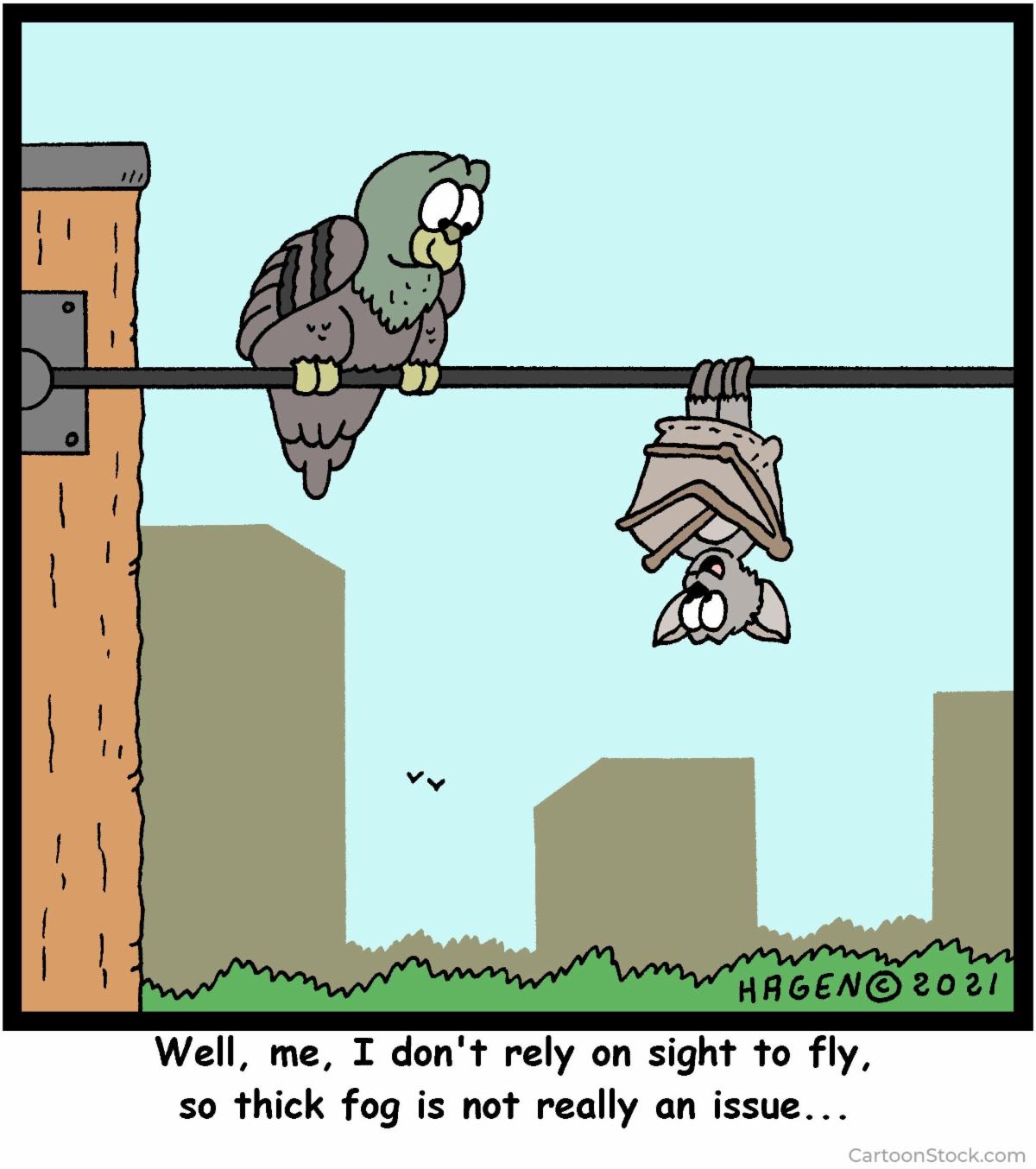
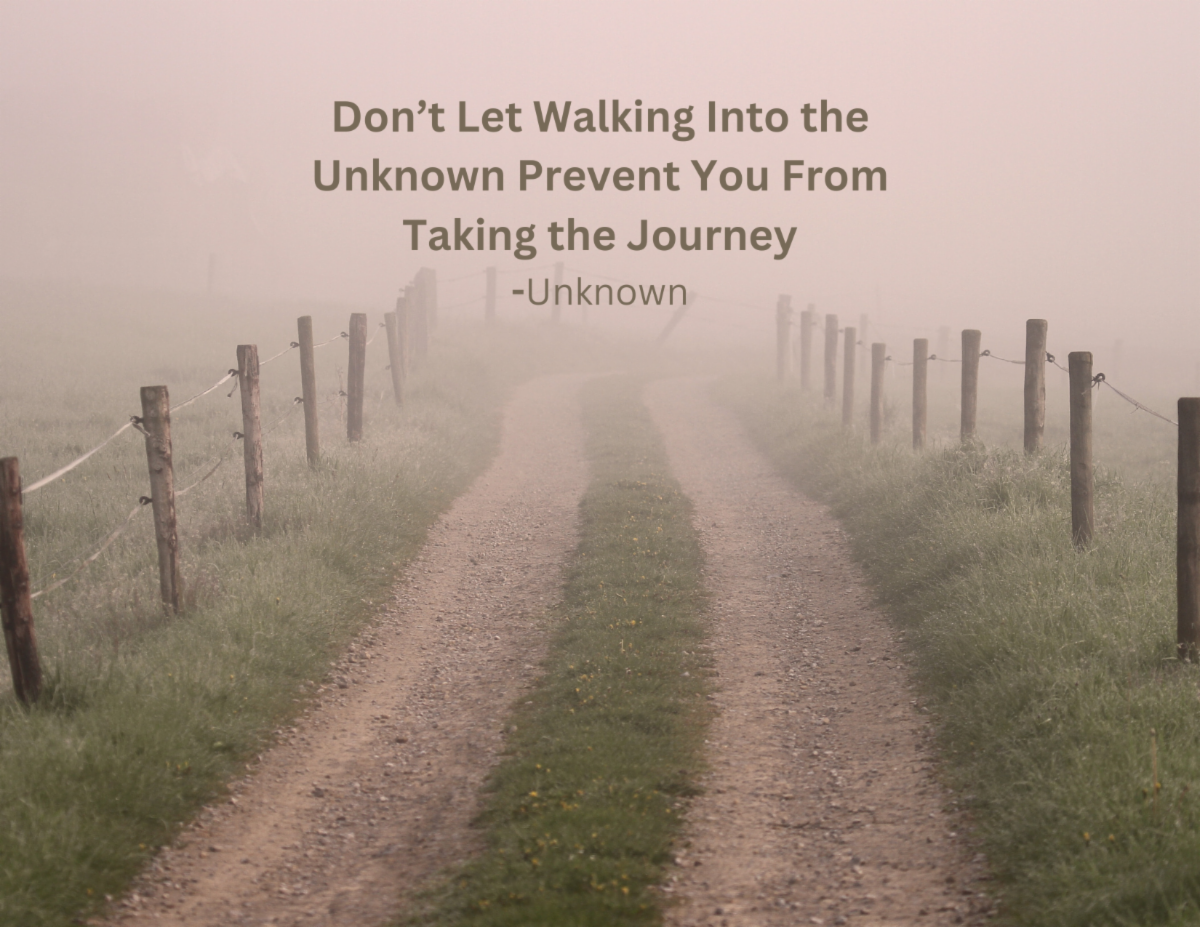
And then there are the foggy days.
The ones where direction is fuzzy, motivation flickers, or the choices ahead seem equally unclear. Your usual certainty fades, the map feels untrustworthy, and even small decisions seem unexpectedly complicated.
Maybe it’s a big life change — a job transition, a relationship shift, a health diagnosis. Or maybe it’s just one of those periods where everything feels a little off. You’re not lost exactly… but you’re definitely not sure where you're headed either.
So — what do you do when the fog rolls in?
Look For A Lighthouse
Look for something that won’t move just because the circumstances do.
When visibility drops and currents are unpredictable, sailors search for the nearest lighthouse — something fixed, grounded, and unchanging.
A lighthouse offers direction, not destination. Its job isn’t to steer the ship — it’s to help guide the sailor to steer on their own. A lighthouse increases our awareness to ensure we can proceed safely through potentially unknown or rough waters.
A lighthouse might be:
- A core value ("Whatever happens, I want to act with integrity")
- A person whose perspective grounds you
- A routine that provides structure
- A question that helps you re-center (“What matters most right now?”)
The lighthouse doesn’t tell you exactly what to do, but it reminds you how to move — with steadiness, intention, and care.
Find An Anchor
Anchors are different. If a lighthouse is about orientation, an anchor is about stability.
In moments of uncertainty, our minds instinctively reach for anchors: reference points that help us define what’s “normal,” “reasonable,” "possible" or “safe" — especially when we don’t have all the information we wish we had.
Sometimes that’s helpful. But not always. Some anchors may be outdated, misaligned, or based on someone else’s shoreline. An anchor that once guided you well might now pull you off course.
For example:
- You compare your progress to a past version of yourself — or someone else.
- You hold on to an old success metric that no longer fits the moment.
- You base today’s choices on yesterday’s fears.
Unquestioned anchors can:
- Limit creative thinking (“That’s how we’ve always done it.”)
- Keep you clinging to old norms in a changed context
- Prevent healthy risk-taking
The key is to choose your anchors intentionally.
Ask yourself:
- “What am I using as my reference point right now?”
- “Is that still serving me?”
- “Is it time to reset the anchor?”
Move Differently
When you can’t see far ahead, you don’t stop moving — but you move differently. More slowly. More reflectively. You listen more closely. You ask more questions.
That’s not weakness. That’s wisdom.
Fog invites a kind of mindfulness we often skip in clearer times. It asks us to pay attention to the internal compass rather than rushing toward the next visible milestone.
It’s uncomfortable. It’s quiet. But it can also be where the best recalibration happens.
Try An Anchoring Practice
Fog can increase our stress & anxiety, making it difficult to focus. Anchoring is the mindful practice of focusing on a particular point, like your breath, to ground yourself in order to stabilize and refocus during times of overwhelm or stress.
Common anchors can include:
Visual
- An object (like a seashell or fidget spinner)
- A familiar picture in your mind
Kinesthetic
- A movement (hand over heart, feet on the ground, open palms)
- Your breath
Auditory
- A sound
- A song
- Your voice: hum, whistle or repeat a mantra
Olfactory
- A smell (a candle, incense or flavor like vanilla)
Keep it simple and practical. Your anchor needs to be something you can do anywhere, anytime. Choose your anchor, direct your attention to it and keep refocusing on it for 30 seconds to a few minutes.
Don't Go It Alone
Fog messes with perception. What looks like the right path might be a dead end. What feels like a dead end might just need another step.
That’s why we need people who can see what we can’t — or who’ve been through a fog like this before.
- A mentor who says, “You’re not off track. This is what growth feels like.”
- A colleague who names what feels vague: “It sounds like your priorities are shifting.”
- A friend who reminds you: “You don’t have to figure it all out today.”
You are steering your ship, but you're not alone in the sea.
Trust That the Fog Will Lift
No fog lasts forever. Clarity returns, often when we least expect it — after a conversation, a walk, a surprising insight, or a quiet morning that feels different than the last.
In the meantime, don’t rush through the uncertainty. Use it. Let it teach you something about what you value, what you trust, and how you navigate when the usual landmarks disappear.
Because sometimes, the fog doesn’t mean you’re lost.
It just means you're in a transition — and transitions are where growth lives.
|