Greetings!


Fall is here, bringing cooler days, everything pumpkin spice, and a fresh opportunity to reflect on how we lead and bring out the best in others. Come explore how you can make all the difference to your team:


• Putting the Right People in the Right Seats (because the right fit makes all the difference)


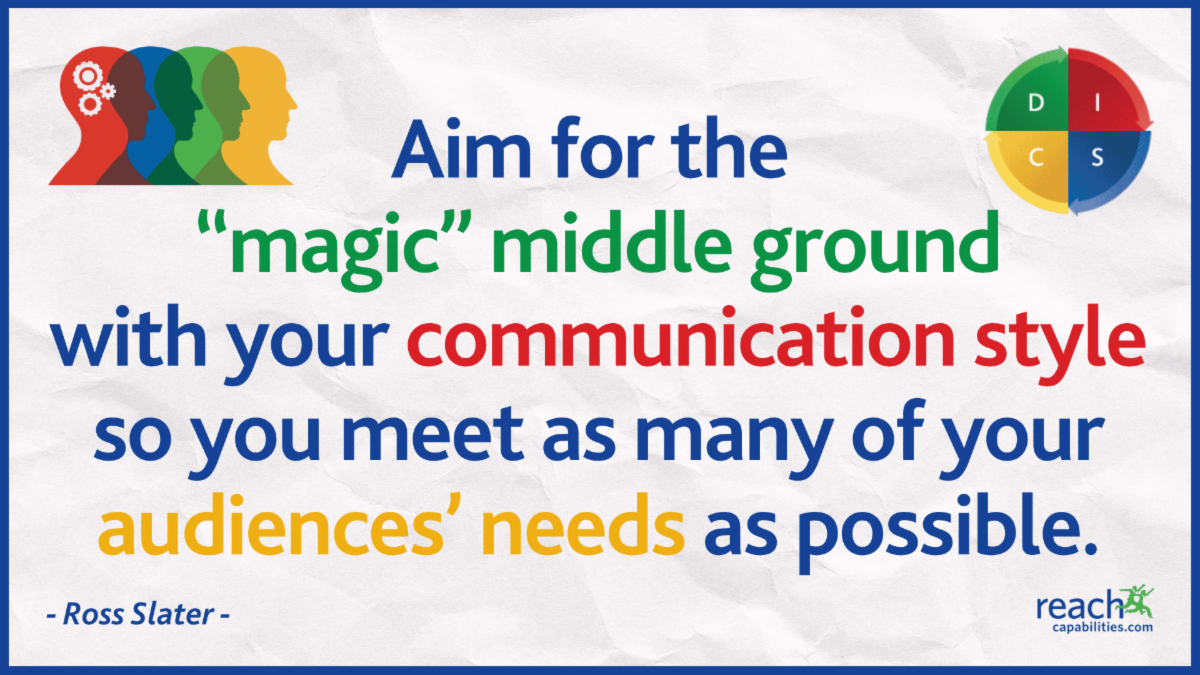
• Aiming for the "Magic Middle" with your communication


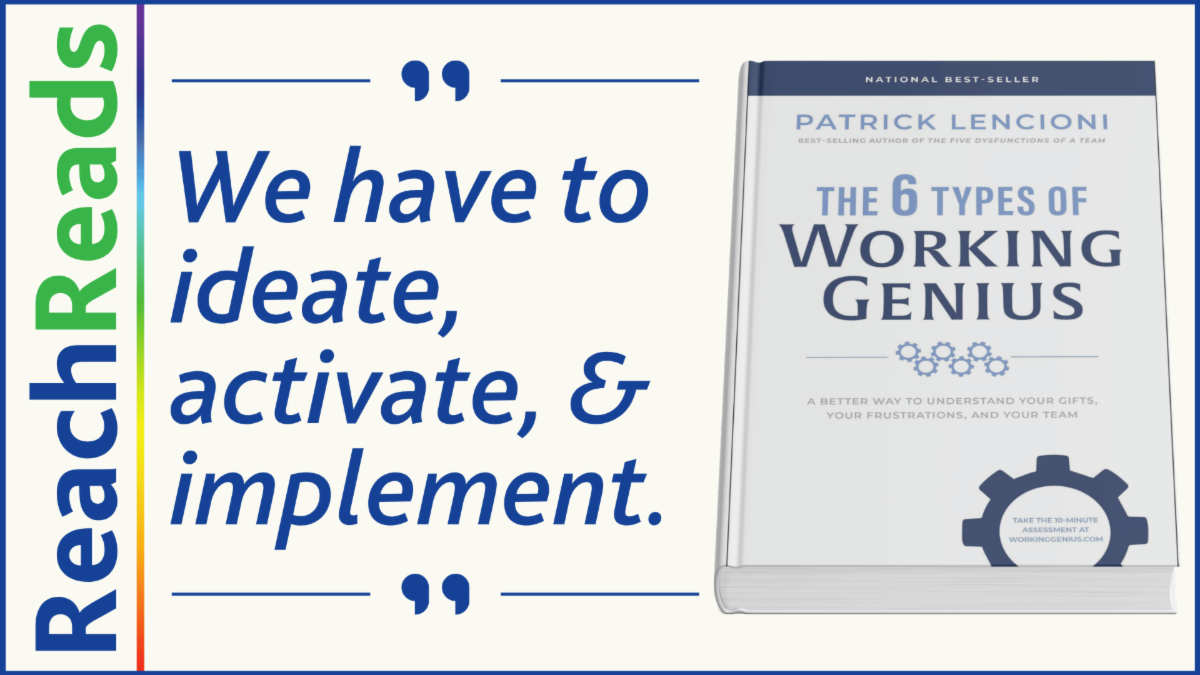
• The 6 Types of Working Genius (discover what energizes you and how it can transform your teamwork) 


Great leadership starts with self-awareness and recognizing the strengths of others. See how you can put these ideas into practice in the remaining months of this year!


Yours in partnership,


Do you have new team members who are missing their assessment results?

Register them for one (or more) of these catchup sessions!

Winning Together With Kolbe

Unlock The Natural Secret

To Team Success

Fri. Nov. 20, 2026


My Strengths Advantage™

Uncover your Strengths,

Multiply Your Success

Fri. Apr. 16, 2027


DISCovery! 

Build Better Relationships &

More Effective Teams

Fri. Mar. 12, 2027

Note: Dates and times subject to change without notice. Please check our website for the latest details.


Are You Putting the Right People in the Right Seats?


As the leaves change and the World Series captures our attention, it’s a good time to think about what is occurring in our organizations. The same way MLB teams evaluate their rosters and make trades to build a stronger team, the fall can bring new leadership, team restructuring, and people moving into new roles. And perhaps, opportunities for people to better use their gifts and talents.


Having talented players doesn’t automatically make a championship team. Success comes from understanding each player’s strengths, putting them in the right position, and working toward a shared goal. The same is true in business. When people are in roles that don’t fit their abilities or strengths, both engagement and performance suffers.


1) Put the Right People in the Right Seats


Imagine asking a star pitcher to instead be your hitter, simply because that’s where you have an opening. It might work in a pinch (see what we did there...), but it’s probably not the best strategy. Yet organizations sometimes place people in roles because they’re available or have always done the job. Getting the right people in the right seats means matching responsibilities with strengths, skills, and potential. Ideally, it’s about finding the best fit in a venn of the team member’s interests, the role requirements, and the organization’s current needs.


2) Recognize Existing Talent Already on Your Team


Sometimes, we get so focused on filling positions and completing tasks that we overlook the talent we already have. The person who quietly solves problems may have leadership potential. Someone who struggles in one role might thrive in another. Great leaders look beyond job descriptions and ask, “What does this person do exceptionally well?” You might discover that the talent you need is already sitting right in front of you.


3) Don’t Be Afraid to Make a Change


Baseball teams know that even successful rosters sometimes need adjustments. People grow, priorities change, and yesterday’s best fit may not be right for tomorrow’s needs. Before assuming someone isn’t performing, ask whether they’re in the right role. Could a different responsibility bring out their strengths? Would a lateral move create a better opportunity? Change isn’t always about replacing people. Sometimes, it’s about repositioning them so they can succeed.


4) Build a Team, Not Just a Roster of Stars


Championships aren’t won by individual talent alone. Teams need people who understand their roles, trust one another, and work toward a common goal. The same principle applies at work. Some people excel at building relationships, others at analyzing information, solving problems, or managing details. Strong leaders recognize and value these different contributions. Everyone needs to understand how they contribute to the team’s overall success.


5) Keep the Conversation Going


Putting the right people in the right seats isn’t a one-time exercise. Regularly ask your team members what they enjoy, where they feel most effective, and what they’d like to learn. Don’t wait for an annual review or a resignation to have these conversations. Asking “Are you using your strengths in your current role?”, can uncover opportunities you might otherwise miss.


Ultimately, leadership is about more than filling positions. It’s about recognizing potential, creating opportunities, and helping people do their best work. As your organization navigates change, take a fresh look at your lineup. Sometimes, the biggest difference comes from moving one person into a role where they can thrive.


To paraphrase Jim Collins from his book, Good To Great, do we have the wrong people off the bus, do we have the right people on the bus, and are they sitting in the right seats?


Aim for the "Magic" Middle


When you want to connect with your audience, whether it's one person or a group of hundreds plus, there will be people with your natural style and others that are completely different. So how do you make sure you're tailoring your presentation to each person's needs without missing the mark with all of them? The answer, aim for the "magic" middle so you meet as many needs as possible. It’s not landing flat, but finding shared ground!


Reflecting on conative needs as measured by the Kolbe Index, it’s useful to balance the needs of all 4 Action Modes:


  • for Fact Finder, be succinct (think PowerPoint with 2-3 bullet points per slide or better - just a photo), while offering the specific details in written handouts. For example, making jokes, such as "we’re close to our goal of $50K", but then adding "for those of you who need specifics, we’re at $49,893.56" (remember to pause for the knowing laughter)
  • for Follow Thru, explain the general flow of your argument/plan and the expected end result, while offering options to deviate/skip steps as needed
  • for Quick Start, provide an exciting vision while making sure proper precautions will be taken to ensure success
  • for Implementor, talk about the concept and use the PowerPoint, handouts, and even physical expressions to illustrate the tangible aspects of the message


Using the DISC Communication Model (Outgoing vs. Reserved and Task-Oriented vs. People-Oriented), a Level Blend approach that veers a bit into high I territory is best:


  • in large presentations, high I is often an expected presentation style (think comedians, inspirational speakers, etc.) as you’re usually trying to influence and persuade others
  • but the best high I's don’t go overboard and regularly move back to the centre by pausing and bringing their energy back to a more moderate level
  • plus adding key DISC words is very important - suggest the audience can take as much personal control as possible which appeals to the high Ds; provide the high Ss with the ways this will support others; give the high Cs the expectation of high quality results where they can individually contribute


Much of the success is to know and use your own strengths while modifying enough to make sure everyone else feels included in your “tent”.


Unlocking How People Work Best!

In The 6 Types of Working Genius, Patrick Lencioni challenges one of the most common assumptions in the workplace: that everyone should be equally capable of, and energized by, every aspect of their work. Instead, he argues that people have different natural gifts, and understanding these differences can transform individual performance, team collaboration, and organizational effectiveness.


At its core, the book explores why some parts of our work energize us while others leave us feeling frustrated and exhausted. Lencioni identifies six types of working genius. Everyone has all six to some degree, but typically has two areas of genius that come naturally and provide energy, two areas of competency that they can perform reasonably well, and two areas of frustration that tend to drain their energy.


The Six Types of Working Genius:


Wonder: The Genius of Pondering Possibilities. 

People with Wonder naturally question the status quo, identify opportunities for improvement, and imagine how things could be better.


Invention: The Genius of Creating New Ideas. 

Those with Invention enjoy generating original ideas and developing creative solutions to problems.


Discernment: The Genius of Evaluating Ideas. 

People with Discernment have a natural ability to assess ideas, apply sound judgment, and recognize what is likely to work.


Galvanizing: The Genius of Rallying People to Action. 

Those with Galvanizing generate enthusiasm, inspire others, and create momentum to move ideas forward.


Enablement: The Genius of Supporting Others. 

People with Enablement instinctively recognize when others need help and enjoy providing the support necessary to make progress.


Tenacity: The Genius of Pushing Tasks to Completion. 

Those with Tenacity focus on follow-through, deadlines, and ensuring that commitments are fulfilled and results delivered.


Lencioni states successful work process requires all six types. From identifying an opportunity and generating ideas to gaining support and completing the work, each contribution plays an essential role. When one stage is missing, even talented teams can struggle to make progress.


There is a huge difference between what we can do and what naturally energizes us. Just because we’re capable of a task does not mean it is the best use of our strengths. Understanding these differences helps us as leaders, to allocate responsibilities more effectively, reduce frustration, and build teams where people complement one another rather than approach every task in the same way.


Whether you are leading a team, managing projects, or looking to better understand your own working style, The 6 Types of Working Genius offers a practical framework for improving collaboration and performance. Its message is simple but powerful: you do not have to be great at everything to make a great contribution. When people understand what energizes them and appreciate the strengths of others, work becomes more productive and teams are better equipped to turn ideas into meaningful results.


Unlock learning from anywhere – all in one place

Sessions for your top talents to discover more about themselves

so they can leverage their strengths to the fullest potential!

Winning Together

With Kolbe

Unlock The Natural Secret

To Life Success


DISCovery!


Build Better Relationships & More Effective Teams


My Strengths Advantage


Uncover Your Strengths, Multiply Your Success


Have YOU been in our socials lately?

LinkedIn  Instagram  Facebook  Bluesky

PS. Since we have worked with you (or have been in contact) in the past, we are sending you this newsletter. If you'd rather not receive this information in the future, just unsubscribe. We won't take it personally, as we understand there are so many emails landing in our inboxes.


Reach Capabilities Inc.

LinkedIn  Instagram  Facebook  Bluesky