|
Body fat is often seen as simply stored energy or just extra weight just sitting there. In reality, fat tissue is biologically active. It receives signals from our brain, gut, pancreas, muscles, and reproductive system, and it also sends signals back. Fat tissue also releases hormones and inflammatory messengers involved in our appetite, insulin sensitivity, energy use, and reproductive function. As you start to carry around more and more body fat, the effects of these hormones and messages produced by your adipose tissue can disrupt your body’s normal signals causing them to be less effective, affecting your blood sugar regulation, muscle mass, and even your ability to lose weight.
One important example is leptin. Fat cells make leptin in rough proportion to the amount of fat we currently have stored in our body. Leptin’s usual job is to inform the brain that energy reserves in the form of adipose tissue are available, helping curb our appetite and support energy expenditure. Yet in many people with obesity, leptin levels are high while the brain’s response to the signal is blunted, a pattern commonly called leptin resistance. The experience can be frustrating: your body has substantial stored energy, but your appetite and energy-balance systems are not responding as though reserves are fully available; meanwhile, ghrelin, produced in the stomach, stimulates your hunger. This can make managing your hunger and weight loss feel like a struggle.
Insulin is another central part of this picture. It helps move glucose from our bloodstream into our cells for use or storage. Excess fat tissue, especially around the abdomen, can cause inflammatory chemicals and fatty acids to be released into your blood stream, though. These can make it difficult for your cells to absorb glucose properly and cause your blood glucose level to remain high over a longer period of time. This in turn causes your pancreas to work harder to pump out extra insulin to try to maintain a normal blood sugar. Over time, if your pancreas can no longer keep up, you could develop prediabetes or type 2 diabetes, or you could develop insulin resistance as your body no longer responds well to insulin.
For men, excess fat can also affect the testosterone–estrogen pathway. Aromatase, an enzyme found in adipose tissue, converts testosterone into estradiol. Research in men with obesity has linked greater fat tissue and insulin resistance with lower testosterone and higher estradiol. Lower testosterone can make it harder to maintain lean muscle mass, as well as cause libido and possibly even infertility issues. Losing lean muscle mass reduces your basal metabolic rate and can slow your metabolism, making the amount of calories you need to function each day less, and weight loss more difficult as well.
Even you sleep habits and stress levels can also have an effect on your body fat composition. Poor sleep can make it feel difficult to exercise, while chronic stress can cause higher cortisol levels, which can cause increased appetite leading to weight gain, especially around your abdomen. Feeling tired from poor sleep and feeling stressed can also make making nutritious decisions harder.
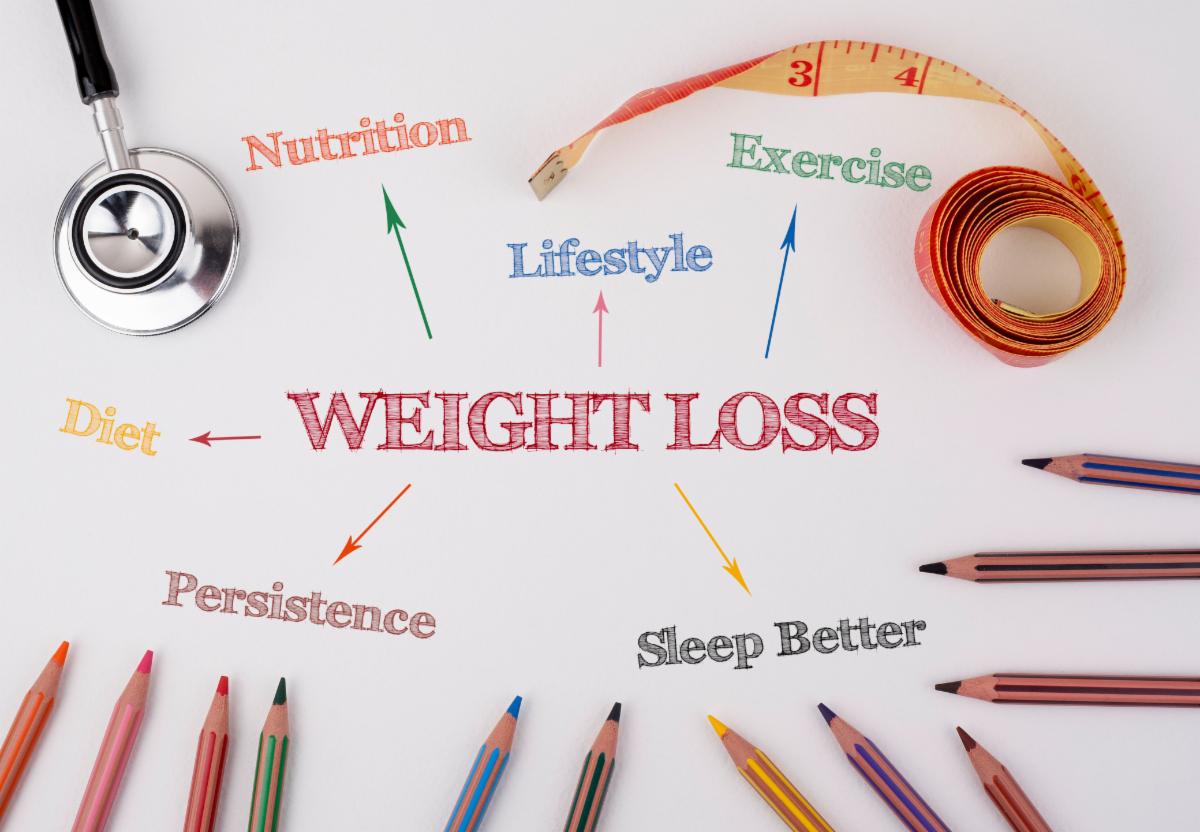
This all may sound like your body’s own fat tissue if working against you, but your body can still respond to consistent and meaningful change, helping you re-balance your system and lose weight. Build your meals with fresh vegetables and fruits, lean proteins, high-fiber carbohydrates, and unsaturated fats. Protein is especially important to support muscle preservation and development during weight loss, and helps keep you fuller for longer helping to prevent high ghrelin levels. When exercising, look to get about 150 minutes of moderate-intensity exercise each week, plus muscle-strengthening exercises two or more days a week. Start at a level that is realistic for you, though, like short walks and two brief strength sessions. You can always build up to the recommended weekly amount, so start with what is safe and sustainable for you first. Exercise can not only help you lose fat and build muscle, but also help improve insulin sensitivity and reduce stress and cortisol levels. Also, a consistent sleep window, regular meal timing, and practical stress tools like walking, breathing exercises, mindfulness, counseling, social support, or a hobby, help create the conditions in which nutrition and exercise are easier to sustain and stress levels are down.
Your current biology and body fat can make fat loss harder, but the key is that your biology is also responsive and affected by the daily lifestyle and healthy decisions you can start making for yourself today. Talk with your Curally nurse or your doctor to see what healthy changes you could implement into your life.
|