|
When looking at the nutrition label of a food or beverage item, you’ll see the amount of calories in a single serving at the top. As we learned a couple weeks ago, the amount of calories shows how much energy you would get from consuming a serving of that food or drink. But did you know that this number is actually calculated based on the amount of carbohydrates, protein, fat, and other nutrients in the item. This is why not all calories are created equal when it comes to health and nutrition.
You are affected by what a food or drink is made of more than how many calories are in said item. Focusing on the amount of calories alone doesn’t tell you the effects that food or drink can have on your body. The nutrients and amounts of each nutrient in a product affects your body in terms of things like fullness, fat storage, energy expenditure, and insulin response which all in turn affect your digestion, overall health, and weight.
Let’s look at an example of a 150-calorie snack of either a medium-sized apple versus 150-calories worth of potato chips. Both would be equal in amount of calories but differ majorly in other important ways. They both affect your feeling of fullness differently, cause less or more fat storage, cause different levels of energy expenditure, and cause a different insulin response in your body.
For one, an apple will help keep you fuller longer than a couple of potato chips. This is partly because of volume because you’d be eating more in weight and size of snack if you choose an apple over chips. Another part of this is because of the nutrient composition of the two foods. An apple is made up of healthy nutrients like fiber, water, some protein, and a low level of fat and carbs whereas potato chips lack many of these nutrients and instead contain higher levels of unhealthy fats, carbs, and sodium/salt.
These nutrient differences between these two snacks affect your feeling of fullness because of how your body is able to break down and use the nutrients in each food. Through digestion, your body gains access to the energy and nutrients inside the foods and drinks we consume. How quickly or slowly our bodies are able to do this depends on what a food or drink is made up of. It takes our bodies longer to digest and break down some nutrients than others, like plant fiber and protein. This extended digestion period allows us to feel fuller longer and use more of the nutrients from that food or drink as they become available through slow digestion. If our bodies digest something fast and gain access to all of that food or drink’s nutrients quickly, our bodies will typically need to store some of those excess nutrients and specifically energy/calories as fat in our bodies. In choosing an apple that has hard-to-digest plant fiber, you’re choosing a snack that will keep you fuller longer due to size and nutrient composition and will also cause your body to need to store less. In choosing potato chips, you are choosing a snack with unhealthy, quickly digestible fats and carbs that will leave you hungry sooner and cause your body to store more.
This can affect your overall health if you continue to make food choices with less nutritional value. The more energy/calories your body stores as fat, the more weight you will gain. And the more unhealthy nutrients and foods you consume over time can put you at risk for developing chronic conditions such as diabetes, circulatory issues, and cardiac issues.
The nutrition composition and rate at which you digest something also affects your energy expenditure. Both an apple and a couple of potato chips may be 150 calories each but because of the difference in nutrients, it takes your body more energy to digest the apple. This additional energy expenditure can help you maintain or even lose weight if you continue to make healthy, nutritional food choices.
Besides a feeling of fullness and differing rate of digestion, a food or drink’s nutrient composition also affects your blood sugar levels. Typically, the faster something is digested, the faster your blood sugar will rise. This in turn will cause your body to release more and more insulin, a hormone, to help lower your blood sugar level. Insulin is partly responsible for telling your body to store excess energy/calories as fat. The quickly digestible potato chips cause your blood sugar to rise higher and faster, causing more fat storage, than a slowly digestible apple.
Looking at foods and drinks in terms of how quickly and how much it will increase your blood sugar is called a food’s glycemic index and glycemic load. Foods that have a high glycemic index and are quickly digestible include things like white rice, cakes, cookies, and chips. Foods that have a low glycemic index and help keep your blood sugar regulated include things like green vegetables, raw peppers, mushrooms, and legumes. Fruit, even with harder to digest plant fiber, can be higher on the glycemic index because fruits contain natural sugars that have the potential to raise your blood sugar more depending on your portion size.
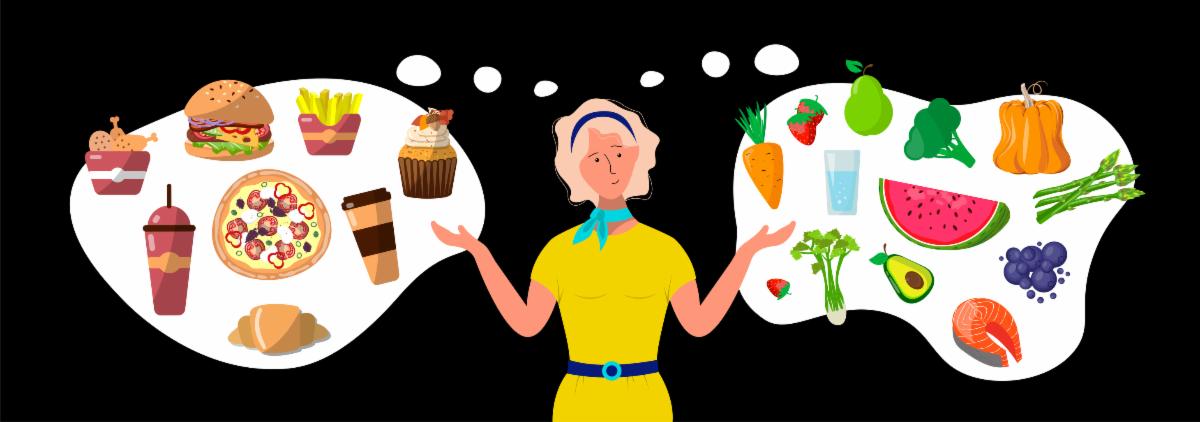
As you can see, choosing an apple or some potato chips, even with the same calorie count, can have very different outcomes. The nutrients in an apple keep you fuller longer, cause less fat storage, take longer and require more energy or your body to break down and digest, and won’t increase your blood sugar or insulin level as much as potato chips. When choosing foods, be sure to not just count calories, but look at the quality of those calories based on what nutrients they are made of.
|