Please consider forwarding this to your association members so that they have this information. | | |
Want to get this newsletter and other MN COLA information? Subscribe. It's free, but we'd love to have you join as a dues paying member.
Want to unsubscribe from MN COLA mailings? Reply to the sender and let them know you don't want to get this information.
Having trouble viewing this newsletter? Try viewing it as a Webpage
| | |
Welcome to the first issue of Current Waters for 2026! We’ve got news, events, and a commentary, but let’s start with a view on money.
- MAISRC’s budget allows for around $2.3 million to support new and continuing research for calendar 2027 and 2028.
- A new $28 million Community Grant fund with a focus on the environment was approved by the MN Legislature in 2025. This will operate like the other Legacy funds (more to come here).
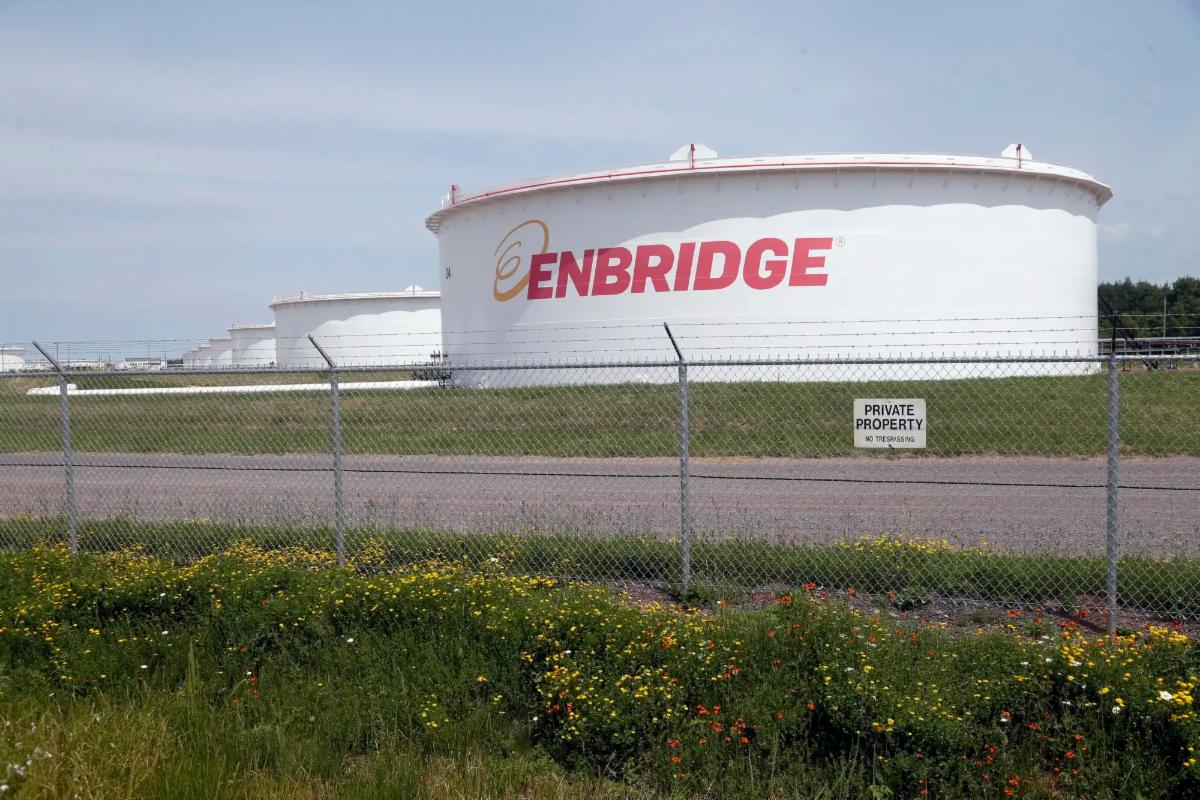
- Enbridge and MN have reached a $2.8M agreement to resolve the 2022 oil pipeline breach that damaged the aquifer in Aitkin County.
- And if it weren’t for money, we probably wouldn’t be talking about the recent US House bill that passed to reopen copper-nickel mining near the Boundary Waters.
Two other news stories focus on AIS: MAISRC’s newsletter and the new Cattail Collaborative.
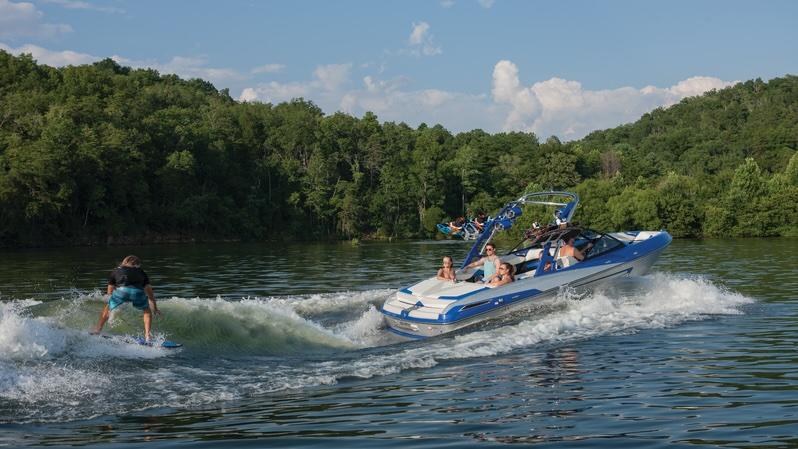
We’re reporting on the National Marine Manufacturers Association’s perspective on wakesurfing, and to balance that out, we have a commentary on wakesurfing from a lakeshore property owner.
We’ve got a writeup on MN DNR’s recent Roundtable, and we’re happy to include information about a new professional organization for lake managers.
Plus, we are highlighting a host of terrific educational events coming up in the next 5 months.
So happy reading. We hope you are valuing Current Waters.
Joe Shneider
President, MN COLA
| |
| |
News of interest
- DNR hosts 2026 Roundtable
- MAISRC seeks proposals for research
- MAISRC's December newsletter
- Cook County COLA raises sulfide mining concerns
- Join the Minnesota Cattail Collaborative
- Minnesota Lake Management Society newsletter published
- A new $28M program for the environment
- Enbridge, DNR reach $2.8M agreement to resolve Line 3 aquifer breach (MPR)
- Boating industry position on safe surfing
Upcoming events
- Feb 5 - What Lakes do in Winter
- Feb 19 - Minnesota Ice-Out
- Mar 5 - Strategies for Recreational Watercraft Governance
- Mar 12 - Safeguarding Amphibians from the Invisible Invaders
- Mar 17 - MN COLA Quarterly meeting
- May 6 - Genetic options for controlling invasive carp species
- Jun 3 - MLR Leadership Summit
- Jun 4 - Potential impact of fireworks on lakes and other waters
Commentary
- Wake surfing’s unintended consequences
| | DNR hosts 2026 Roundtable | | |
The DNR’s annual Roundtable was held on January 9, 2026.
Jim Kutzner (MN COLA) and Sue Wolf (President of the Cedar Lake Conservation Club in Wright County) attended the event and have provided a terrific writeup. Their writeup includes links to some of the recorded portions of the program. It’s worth reading!
Click here to read the writeup.
| | MAISRC seeks proposals for research | | |
MAISRC is seeking proposals for research studies to advance early detection and prevention of the establishment aquatic invasive species (AIS), create and improve options for AIS control, and assess risk and species impacts to prioritize management actions in Minnesota. Through this competitive Request for Proposals (RFP), MAISRC will administer an estimated $2,300,000 to fund high-priority research needs focused on both new lines of research and continuation of existing projects.
Proposals are invited from investigators at any Minnesota-based academic, governmental (federal, tribal, state, local), or non-profit research institution or organization with demonstrated capacity to conduct rigorous scientific research. Proposed work should build capacity within and benefit the state of Minnesota.
The deadline for pre-proposals is March 2, 2026, at 11:59 PM CST.
For more information, go to MAISRC’s 2026 RFP webpage
| | MAISRC’s December newsletter | | |
Here’s the most recent newsletter from MAISRC, the MN Aquatic Invasive Species Research Center. The first article in the newsletter is on swimmer’s itch, as they say, “the scratchy side of Minnesota’s lakes”. It’s interesting reading about their work, the people, as well as past and future events.
Click here for the newsletter.
| | Cook County COLA raises sulfide mining concerns | | |
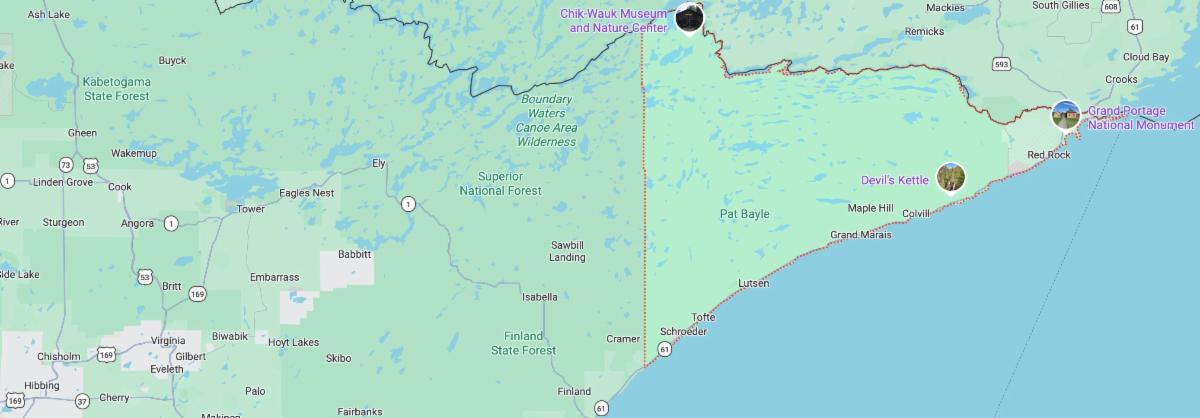
Image: Google Maps
The Cook County Coalition of Lake Association's (CCCoLA) focus is on promoting responsible lake and shoreland management practices with the goal of preserving water quality, healthy shorelands, and wildlife habitat.) The CCCoLA Board, representing 21 Lake/Road/Property Owner Associations throughout Cook County, has been studying the threat to human health, wildlife, the environment, and the region’s economy posed by copper-nickel sulfide mining.
Their conclusion: Copper-nickel mining in proximity to the Rainy River and Lake Superior Watersheds raises several troubling concerns.
Their concerns are environmental, economic, and health related. You can read more about these issues on the MN COLA website and on the websites of many of the other environmental organizations.
Pro-mining supporters focus on job creation, the need for these critical minerals, and their confidence in the mining companies and the State's approval processes to build appropriate safeguards into the mining operations.
The sulfide mining issues have come back into focus with the change in the administration in Washington DC, and most recently, with a bill passed in the U. S. House to overturn former President Joe Biden's mining ban in northern Minnesota. The measure now moves to the Senate for consideration and, if approved there, to President Trump, who campaigned in 2024 on overturning Biden's 20-year block on mining across 225,504 minerals-rich acres (91,200 hectares) in the Superior National Forest.
| | Join the Minnesota Cattail Collaborative | | |
This project, part of the MAISRC Lab to Lakes initiative, is testing invasive cattail management across Minnesota lakes; restoring native nearshore habitats, reconnecting lake ecosystems, supporting healthy fish communities, and empowering local management through participatory science.
Groups such as lake associations, watershed districts, lake improvement districts, state park managers, and others can participate.
If you have invasive cattails and want to get involved in this exciting research work, check out the Cattail Collaborative webpage for more information.
MN Sea Grant and MAISRC are recruiting participants this winter. They will be hosting a virtual workshop for participants and will help participants find management partners.
| |
Minnesota Lake Management Society
newsletter published
| | |
Photo: Minnesota Lake Management Society
Minnesota Lake Management Society (MLMS) is a relatively new organization (circa 2023) focused on "advancing lake management by connecting lake professionals & promoting evidence-based solutions" around the state. They are the Minnesota affiliate of the North American Lake Management Society (NALMS). Currently, it is an all-volunteer organization.
Their belief is that greater connection and collaboration among professionals and students could lead to more effective lake management. They envisioned a focus on a broader range of topics (limnology, stormwater, fisheries, water quality, invasive species,...) and highlight the complexities and interdisciplinary nature of real-world, holistic lake management.
MN COLA is excited that this group has formed and we support their intentions!
We are excited to give you a link to their website and their 4th quarter 2025 newsletter.
| | A new $28M program for the environment | | |
Funded by Minnesota’s Environment and Natural Resources Trust Fund (ENRTF) and managed by the MN DNR, the new Community Grant Program will support projects for the public purpose of protection, conservation, preservation and enhancement of the state's air, water, land, fish, wildlife and other natural resources.
The program will increase the number and diversity of grant recipients who receive ENRTF funding, especially in communities that have been adversely affected by pollution and environmental degradation. Grant awards will benefit communities and residents in all regions of our state.
During the 2025 session, lawmakers appropriated just over $28 million from the ENRTF to the DNR for the Community Grants Program. That funding is available until June 30, 2029.
The MN DNR is in the process of developing the structure and processes of the program. We will try to keep you in the look as more becomes known. In the meantime, you can get more information on this exciting new program on the DNR’s website.
| |
Enbridge, DNR reach $2.8M agreement
to resolve Line 3 aquifer breach
| |
With the Christmas holiday approaching you may have missed this.
On December 22, 2025, Minnesota Public Radio reported that Canadian company Enbridge has agreed to a nearly $3 million settlement for piercing a groundwater aquifer while building the Line 3 oil pipeline in northern Minnesota.
The MN Department of Natural Resources said it reached the agreement with Enbridge over the aquifer breach that was discovered in 2022 near Swatara in Aitkin County.
| Boating industry position on safe surfing | |
Photo: NMMA
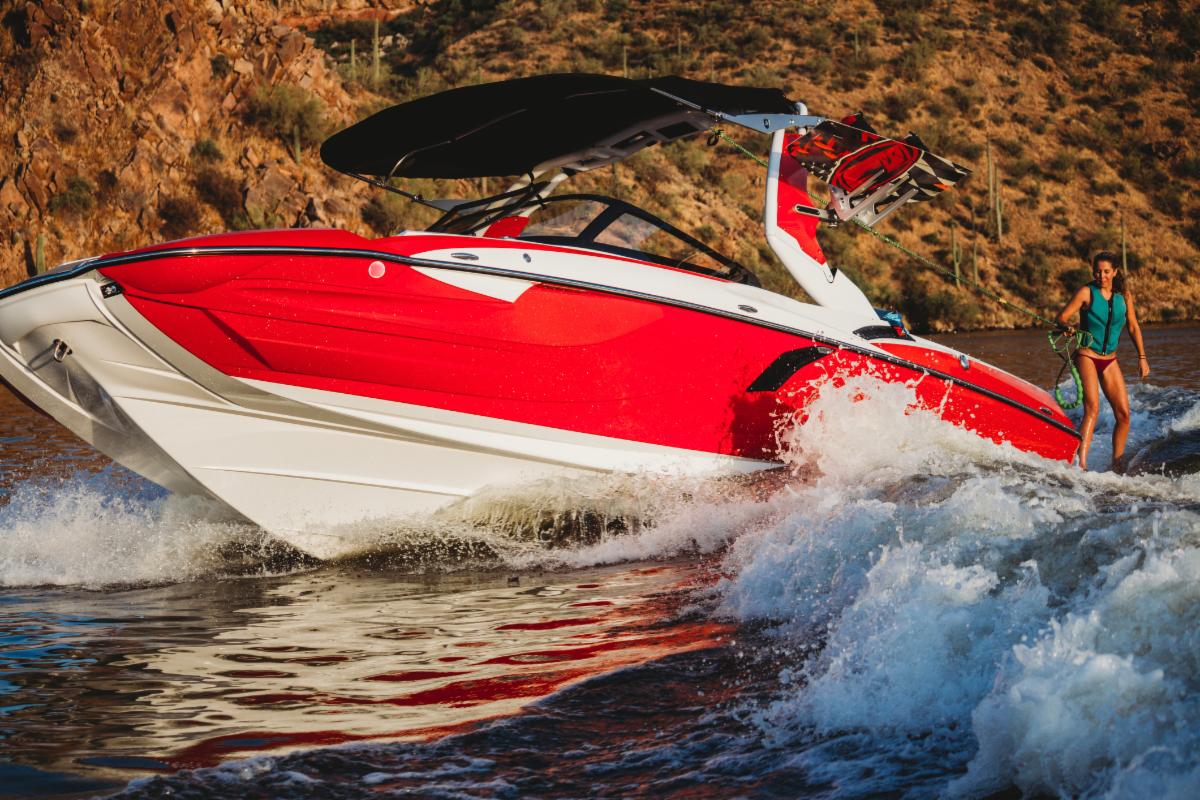
The National Marine Manufacturers Association (NMMA), one of the principle marine industry associations, has released their position on wakesurfing. It should be of no surprise that they are pro-wakesurfing as their members include, among others, the surf boat manufacturers.
NMMA is pushing this position across the U.S., Minnesota included. On December 26, Outdoor News, a Minnesota-based media outlet published a letter to the editor from NMMA detailing the NMMA wakesurfing position.
NMMA states they support statewide regulations which are fair for all and science based. Unfortunately, they chose the research that their boating industry organizations have funded, which does not match the groundbreaking research from the University of Minnesota’s Saint Anthony Falls Laboratory.
NMMA believes a statewide standard that requires wakesurfing 200 feet from shore in depths of 10 feet or greater minimizes environmental impacts
The U of MN research on wave energy from wakesurfing suggest that the distances from shore need to be much greater to achieve a less destructive wave hitting the shore. And their research on lakebed impacts from wakesurfing suggest that the depth of water need to be much greater to minimize the environmental impacts.
|
| Feb 5 - What Lakes do in Winter | | |
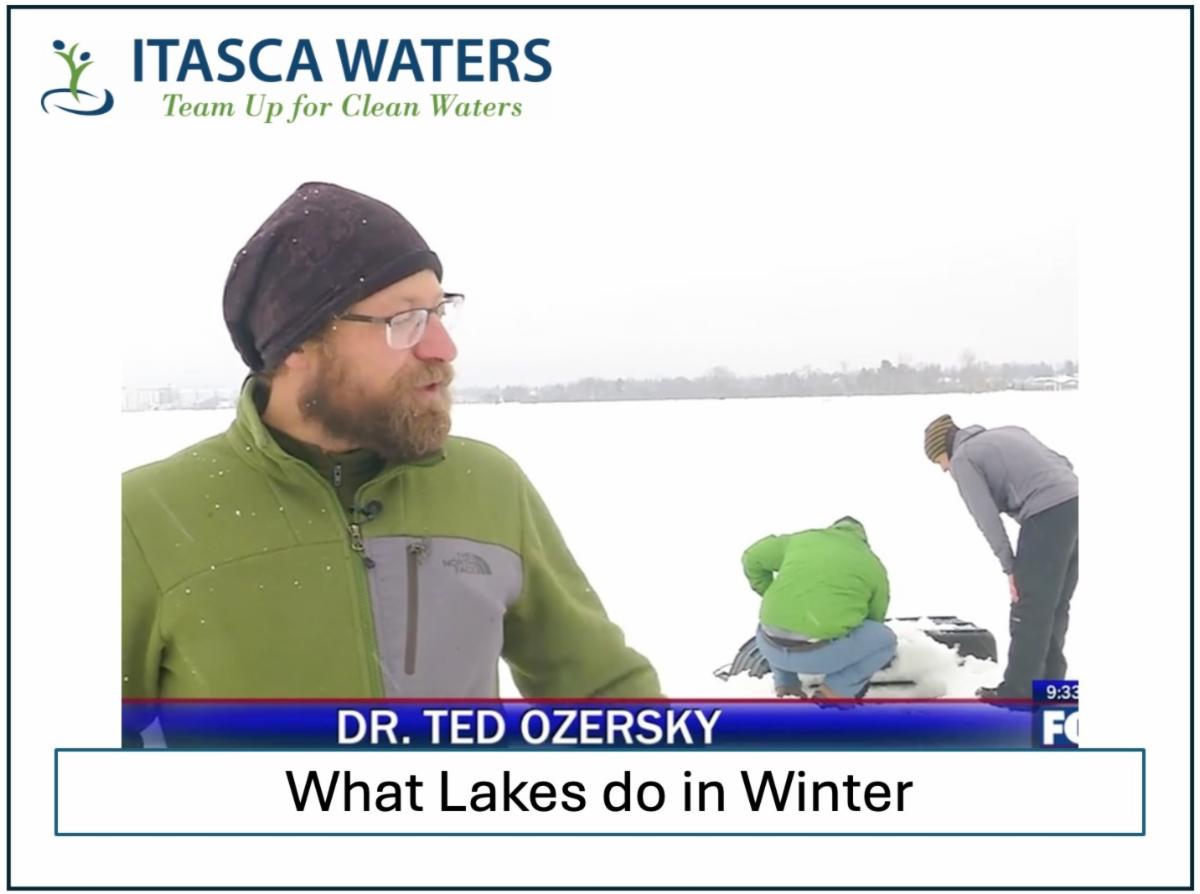
For many years, lake researchers focused mostly on open-water seasons, leaving the ice-covered months relatively understudied. Today, growing concern about rapidly changing winter conditions has led to a surge of interest in lake winter ecology. In this presentation, Dr. Ted Ozersky from the U of MN – Duluth, will explore what scientists are discovering about the physics, chemistry, and biology of lakes during winter—and what these shifting winter patterns could mean for lake health and the vital ecosystem services lakes provide.
This free webinar is from noon to 1 pm on February 5. Register here.
| |
Feb 19 - Minnesota Ice-Out | |
So, this is a different kind of ICE Out than what’s been in the news.
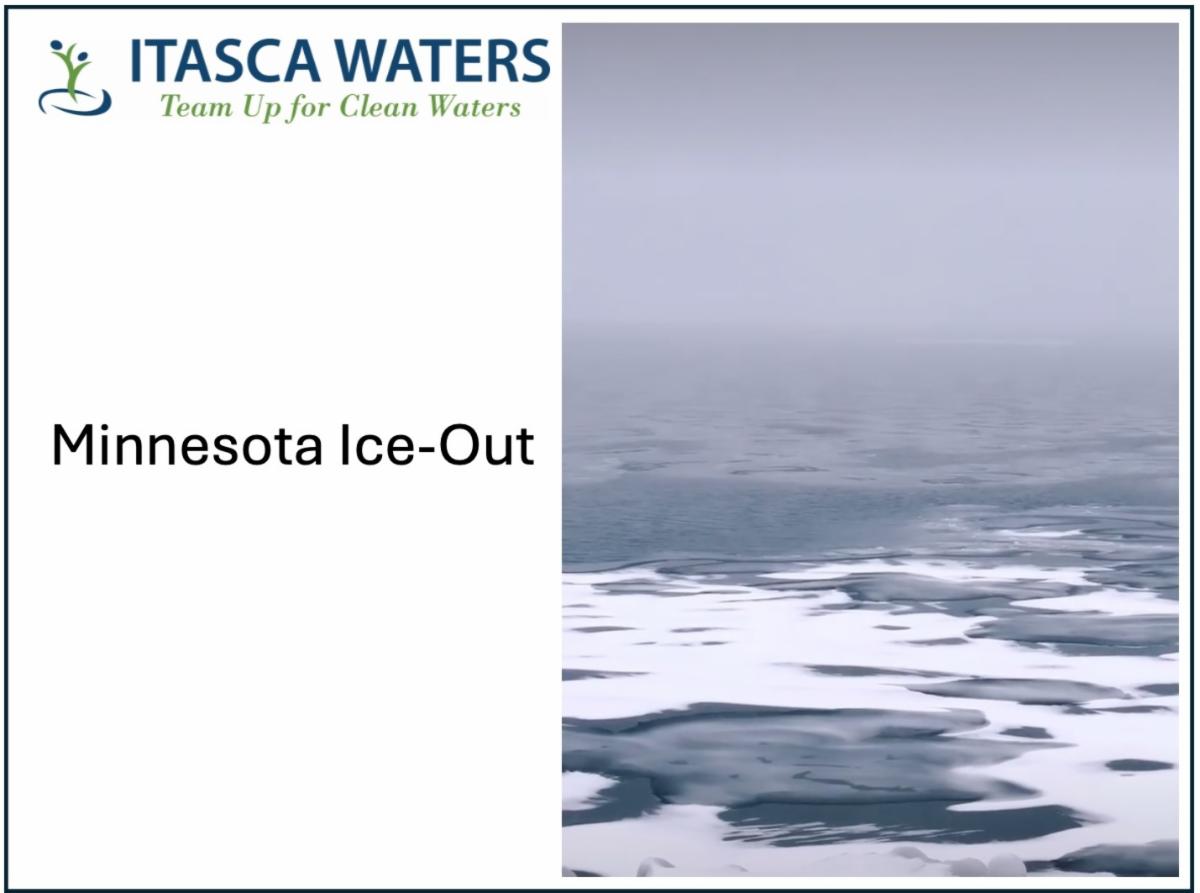
John Downing of Minnesota Sea Grant will present his 2026 ice-out forecasts and show you how you can win your ice-out pool for your favorite lake. Minnesota Sea Grant’s Ice-Out Clock yielded accurate ice-out forecasts for 2024 and 2025. This year, the models are improved and now give forecasts for any lake you choose. The new models consider snow, latitude, how big the lake is, cumulative cold and cumulative thawing. Tune in so you can plan when to put the boat in the water.
This free webinar is from noon to 1 pm on February 19. Register here.
| |
Mar 5 - Strategies for Recreational
Watercraft Governance
| |
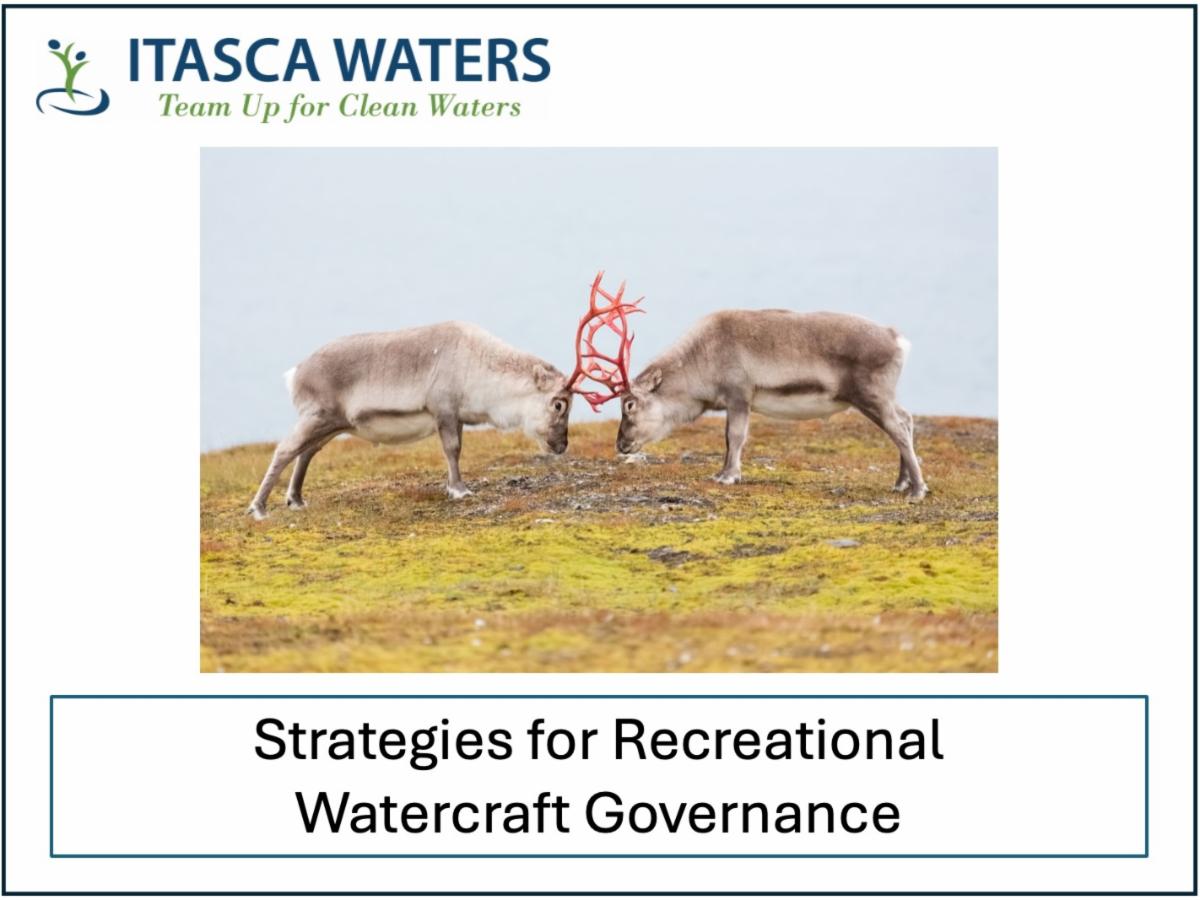
This practical webinar will be exploring why and how boat traffic is legally managed on lakes and rivers—and what that means for communities, recreation, and water protection. A panel featuring a water- and coastal-law attorney, a boat-traffic enforcement officer, and the director of a public-interest organization that helps people navigate lake and river issues will explain the legal foundations for restrictions, real-world safety and enforcement considerations, and how communities can balance recreation, property rights, and environmental protection. Ideal for lake residents, local officials, lake associations, and anyone interested in fair, effective watercraft management.
Panelists include Terra Bowling from the National Sea Grant Law Center, Jeff Forester from Minnesota Lakes and Rivers Advocates, and Matt Miller, a Conservation Officer with the Marine Unit of the Minnesota DNR.
This free webinar is from noon to 1 pm on March 5. Register here.
| | |
Mar 12 - Safeguarding Amphibians
from the Invisible Invaders
| |
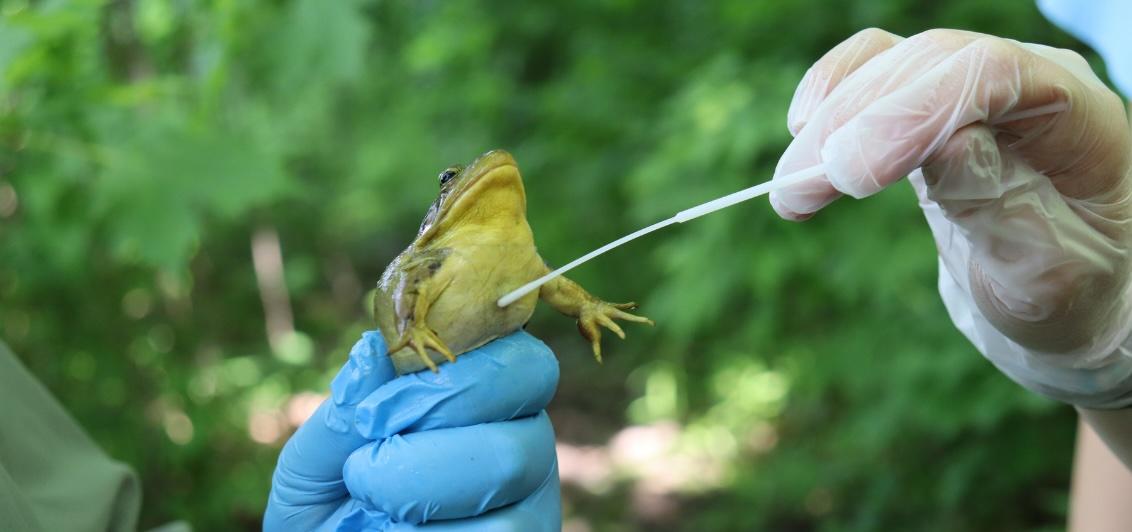
Chytrid fungi are microscopic aquatic pathogens that have caused severe amphibian declines worldwide and represent one of the largest biodiversity losses linked to disease. In Minnesota, the emerging chytrid fungus, Batrachochytrium salamandrivorans, is of growing concern for conservation and aquatic ecosystem health.
Amy Kinsley, an Assistant Professor at the U of MN College of Veterinary Medicine and Research Fellow at MAISRC will fill us in on this interesting research.
This talk introduces MN-SNAPS, Minnesota’s amphibian chytrid surveillance program, which combines field sampling and education to support prevention and early detection. The presentation will explain how chytrid fungi spread, why they matter, and how risk modeling can be used to prevent their spread. This work emphasizes the value of planning, awareness, and prevention in safeguarding amphibian health and aquatic ecosystems.
The free webinar is on March 12 at 1 pm CT. Register here.
| | Mar 17 – MN COLA Quarterly meeting | | |
The agenda is not yet set, but the date and time is!
Please mark your calendar for our next MN COLA meeting on Tuesday, March 17 from 9 – 11 am CT. The meeting will be on Zoom.
| | |
May 6 - Genetic options for controlling
invasive carp species
| | |
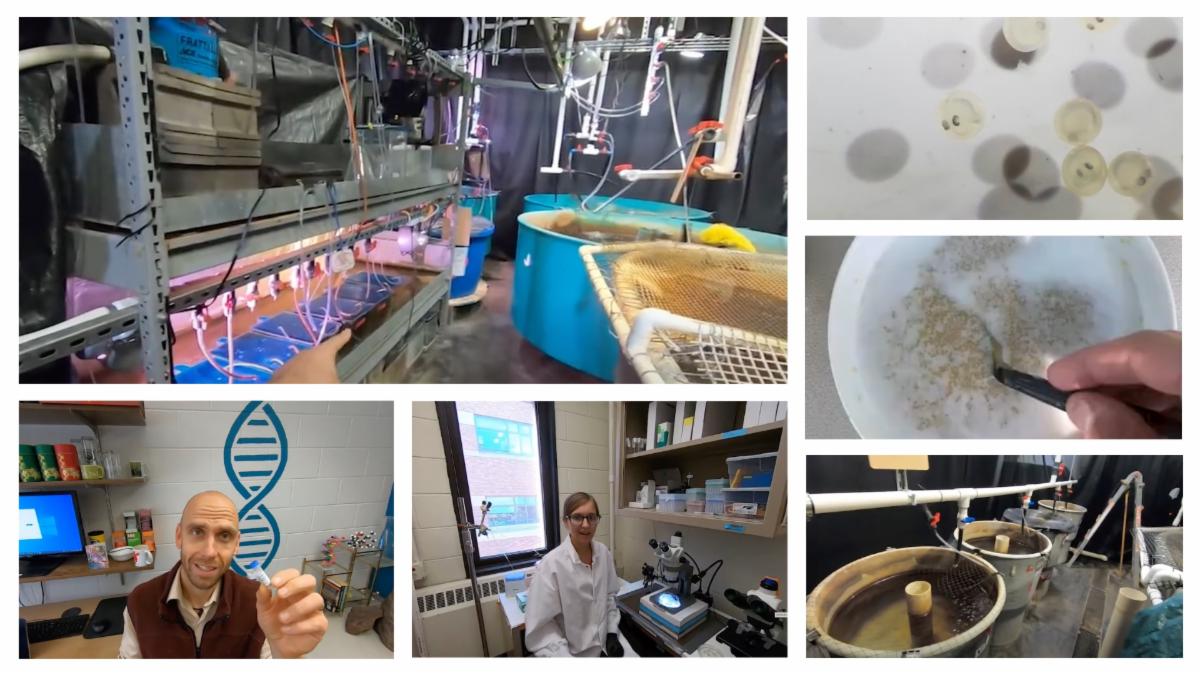
Improvements in our ability to re-write the genetics of living organisms that have been developed in the past few decades are rapidly accelerating the ability of biotechnology to address problems in medicine, agriculture, and the environment. In the area of pest and invasive species control, innovative new genetic methods are already making an impact for organisms such as mosquitoes. Our group has been developing and refining genetic methods to control aquatic invasive species.
Michael Smanski, Professor, Department of Biochemistry, Molecular Biology, and Biophysics and Research Fellow at MAISRC will fill us in on this interesting research.
This webinar will introduce the diversity of genetic pest control methods that exist, share our current progress in translating these into common carp, and forecast what still needs to be done before these approaches can impact local populations of invasive fish.
The free webinar is on May 6 at 1 pm CT. Register here.
| | Jun 3 - MLR Leadership Summit | | |
The leadership summit will be held in Alexandia at the Legacy of the Lakes Museum. It is an opportunity for lake association leaders to connect, get a legislative update from Jeff Forester, and hear from the DNR.
The summit is planned for June 3 from 2 – 5 pm. Admission will be $15 which covers the cost of light snacks and includes entry into the museum.
Expect more information soon but block the date on your calendar.
| | |
Jun 4 - Potential impact of fireworks
on lakes and other waters
| | |
Each year in the U.S., hundreds of millions of pounds of fireworks are used, releasing perchlorate—a key fireworks ingredient and a known drinking water contaminant—into the environment. Perchlorate can disrupt thyroid function, and studies have shown that fireworks can elevate perchlorate levels in nearby surface and groundwater.
Dr. Andrew Jackson from Texas Tech University will be leading this interesting topic. He will explore how fireworks may affect drinking water sources by examining field studies, aerial deposition measurements, and national water surveys conducted before and after major fireworks events. And he’ll discuss how factors such as the amount of fireworks used, waterbody size, dilution capacity, direct deposition, runoff, and natural attenuation influence perchlorate levels and potential risks to water quality.
This free webinar is from noon to 1 pm on June 4. Register here.
| | Wake surfing’s unintended consequences | | |
Craig Kivi, a lake property owner in Michigan, recently wrote an article for The Michigan Riparian, the quarterly magazine of the Michigan Lakes and Streams Association. His perspectives may ring true for you and your experiences from wake surfing in that there are impacts that go beyond the environmental issues… and that they represent restrictions on other lake users.
Michigan Lakes and Streams Association was kind enough to allow MN COLA to distribute this copywritten article.
| | MN COLA Board of Directors | | | | |