|
Welcome to our second Cuyahoga County Overdose Response Bulletin!
This bulletin was created to keep the community up to date on local and national news, alerts, trends, and educational resources related to the overdose crisis.
In this edition:
-
In The News: Spring Breakup: Seasonal Transitions Shaping Substance Use, 'Not Dead but ... not OK.' As Fentanyl Kills Fewer People, Survivors Need Help.
-
Program Spotlight: MetroHealth's Substance Use Navigator or "SUN" Program is Linking People to Care.
-
Local Trends from Drug Checking Pilot: Another Veterinary Drug is Showing Up in the Local Drug Supply - Medetomidine. Here's What We Know so Far.
-
Learning Opportunities: Register for National Conference on Addiction Recovery Science and Check Out Recordings of the Recent Webinars from CATIE on Monitoring and Responding to the Unregulated Drug Supply and Brain Injury After Non-Fatal Overdose.
-
Staying Informed: Sign Up to Receive Local Alerts Including this Bulletin, Bad Batch Alerts from The SOAR Initiative, and more.
-
Additional Resources: Find Treatment, Harm Reduction Supplies, Overdose Alert Articles, and more.
| | |
Medetomidine - What is it and why it matters
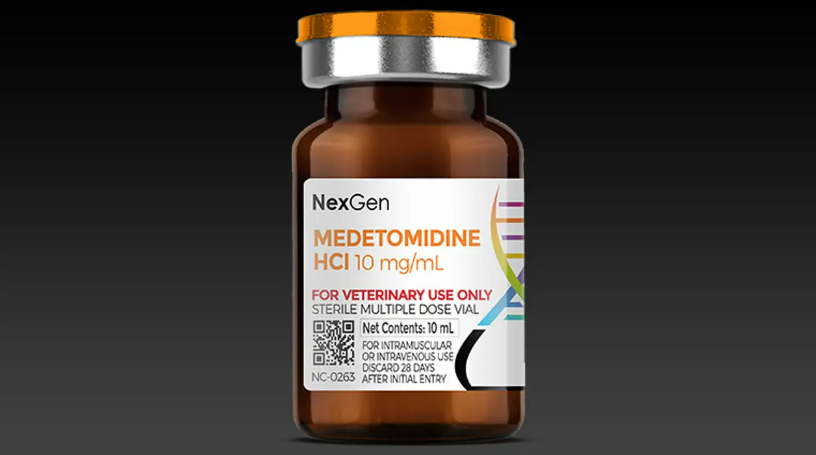
Medetomidine is a veterinary drug now being found in our street drug supply. It’s stronger than xylazine and can cause deep, long-lasting sedation—especially when mixed with opioids like fentanyl.
It’s not an opioid, but it slows the body down in similar ways: low heart rate, slow breathing, low body temperature, and heavy sedation. Other effects include dizziness, nausea, confusion, fear, and delusions.
Naloxone (Narcan) can reverse the opioids often found with medetomidine, but not medetomidine itself—so someone may still stay very sedated or unconscious even after naloxone is given. Monitoring the person and providing rescue breathing during overdose response is critical.
Medetomidine is now one of the top 10 drugs found in the syringes tested through the local drug checking pilot program and is present in 18% of samples. Samples tested often contain multiple substances, so it’s important to always carry naloxone and be prepared to respond.
As this enters our local drug supply, it's important that we learn from other communities. Click here to find out what's happening with medetomidine in Philly and how it is impacting care.
| | |
About the Data: Local drug checking data comes from a pilot project that collects and tests 20 used syringes each week to identify the substances present. These are preliminary findings of the pilot project and the sample isn't representative of the overall drug supply.
The results are shared with both the individual who used the syringe and the community, offering critical insights into the local drug supply and helping individuals take steps to better protect themselves and reduce potential risks. Click below to see more details and data from this initiative.
| | |
MetroHealth's SUN Program Impacts Lives!
Launched in April 2024, MetroHealth’s Substance Use Navigator (SUN) Program connects ED and inpatient patients to treatment, harm reduction supplies, and essential resources.
So far, SUNs have screened 11,000+ patients, identified 5,500+ with SUD, and referred over 1,500 to treatment with 700+ placed in detox/inpatient care. 61% of those reached after discharge report staying engaged.
| | |
One of Their Success Stories:
One day, a 17-year-old Spanish-speaking patient experiencing opioid withdrawal arrived in Cleveland. He had no housing or insurance, but was connected to care by one of the SUNs, Frank. With Frank’s support, he entered treatment, enrolled in Medicaid, and eventually returned to school.
SUNs are available seven days a week, from 6:30 a.m. to 3:30 a.m. They work onsite at MetroHealth’s main campus emergency department and provide remote support to patients at our community EDs in Parma, Brecksville, and Cleveland Heights. For more information, please contact Aimee Scheidemantel.
| | |
Brain injury after non-fatal overdose: A rising concern
This webinar from CATIE provides an overview of emerging evidence on overdose-related brain injury, including how brain injury occurs, its effects on cognitive and physical functioning, and how common it is.
It supports frontline service providers to better understand the impacts of brain injury following non-fatal overdose among people who use drugs, as well as programming and policy strategies needed to improve prevention and care.
| |  | |
Monitoring and responding to the unregulated drug supply
Similar to the US, Canada is experiencing a toxic drug crisis and people who use drugs are frequently exposed to substances they did not intend to use.
This webinar explores challenges associated with a highly variable and unpredictable drug supply. It features presentations about drug checking programs and the Community Urinalysis and Self-Report Project, including how these initiatives can inform frontline responses to the harms of the unregulated drug supply.
| | | |
The second annual National Conference on Addiction Recovery Science. This is the first national event dedicated entirely to recovery-focused research, held virtually on April 23–24, 2025.
This conference brings together researchers at all stages to exchange ideas and present cutting-edge work on substance use disorders and recovery across diverse populations.
| | |
Sign up to receive these community alerts:
Cuyahoga County Board of Health - Join the list for email alerts to stay informed about Overdose Spikes.
The SOAR Initiative (Safety. Outreach. Autonomy. Respect.) Subscribe to the alert network to receive notifications about overdose surges and bad batch alerts in your region.
The Overdose Response Bulletin - Not on the list to receive this email directly? Sign up today and stay informed on local overdose news, alerts, trends, and resources.
| | | If you're in need of resources like treatment or harm reduction supplies, or would like more information on recent overdose alerts, please visit thrive4change.org/ODalertresources | | | |
About This Initiative:
Coordinated by Thrive for Change through OD2A, the Overdose Response Bulletin was developed with valuable input from a range of stakeholders, including local organizations, agencies, community members, and individuals with lived experience.
This collaboration ensures that the content reflects the diverse needs and concerns of the community. By working together, we’ve created a resource that is both informative and responsive to the ongoing overdose crisis. Respond to this email if you'd like to share something in the next bulletin, give us feedback on this email, or get involved in these efforts!
Click here to learn about OD2A
| | |
This publication was supported by the Centers for Disease Control and Prevention (CDC) of the U.S. Department of Health and Human Services (HHS) as part of the Overdose Data to Action: LOCAL (CDC-RFA-CE-23-0003) award .
The contents are those of the author(s) and do not necessarily represent the official views of, nor an endorsement by, CDC/HHS or the U.S. Government.
| | | | |