|
Welcome to the Cuyahoga County Overdose Response Bulletin!
This bulletin was created to keep the community up to date on local and national news, alerts, trends, and educational resources related to the overdose crisis.
In This Edition:
-
In The News: Gov. DeWine Signs Executive Order, Helping Expanding Access to Overdose Preventative Tools and more...
-
Local Drug Trends: Drug Checking Pilot Results Show Continued Unexpected Substances in The Supply, Join the Drug Checking Focus Group!
-
Overamping: What is it, Key Signs to be Aware of, and Ways to Reduce Risks
-
Staying Informed: Sign Up to Receive Local Alerts Including this Bulletin, Bad Batch Alerts from The SOAR Initiative, and more.
-
Learning Opportunities: Stimulants 101 and Prehospital Paradigm Podcast on Reducing the Harm
| | This section highlights current local and national stories or trends that could have an impact on the overdose crisis locally. It offers a snapshot of the challenges and conversations shaping public perception and policy around substance use. | |
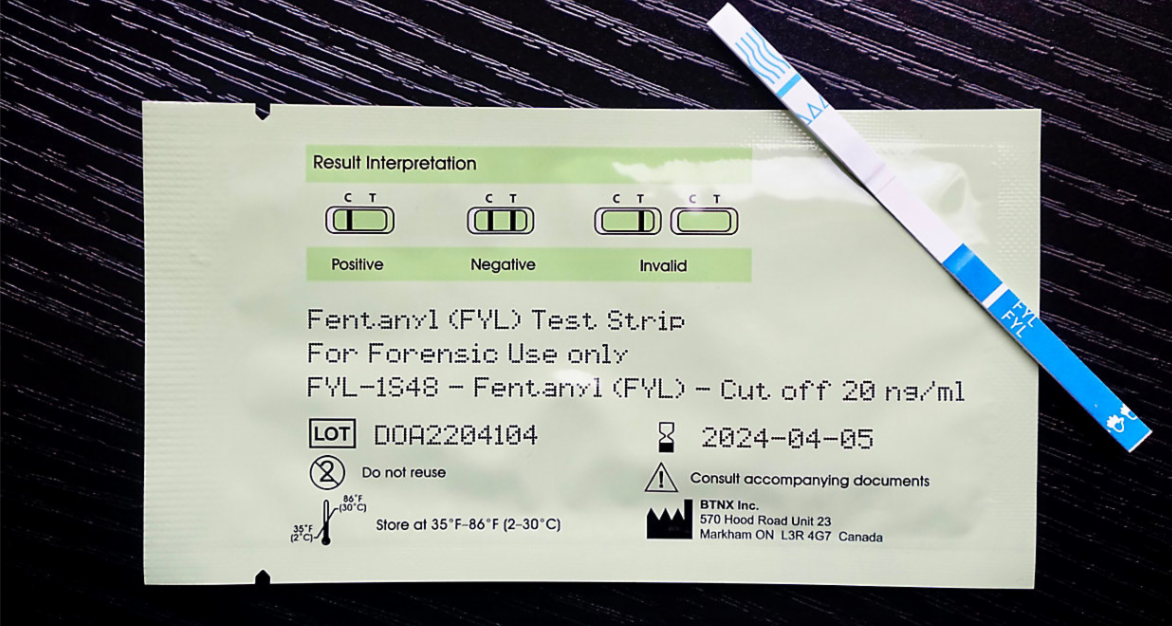
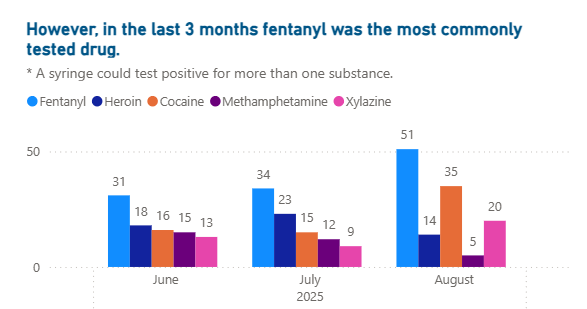
From the last three months of testing, heroin has been the most common drug participants expected to find in their samples. Many participants who report expecting heroin are actually referring to a mix of substances. Fentanyl continues to be the most commonly drug tested for 3 months in a row, followed by heroin and then cocaine that made a large leap in August.
| | | Know Your Supply: Join The Drug Checking Focus Group! | |
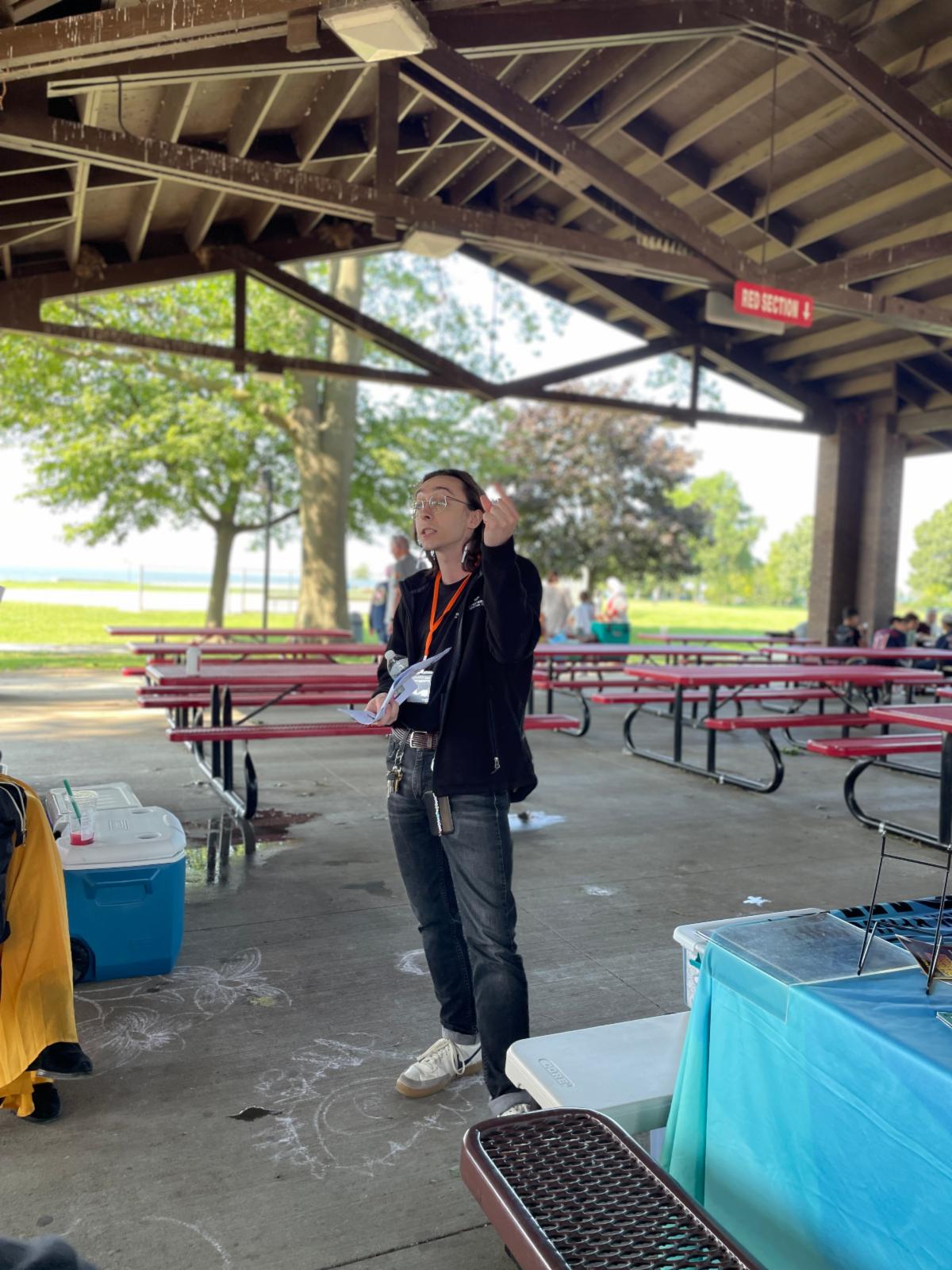
These sessions are open to everyone especially people with living and lived experience to share insights, connect with the community, and (if they choose) have their supplies tested. The discussions are facilitated by Nick Shaffer (pictured to the right).
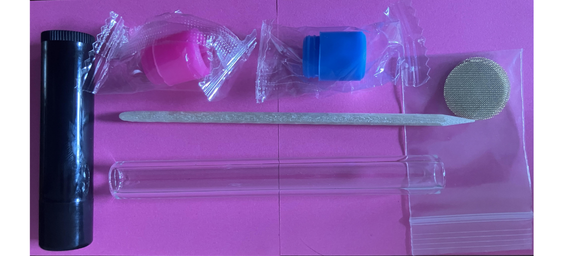
Starting in September, The Centers HRT expanded testing to include pipes and cookers, providing a clearer picture of the local drug supply. This helps identify hidden mixtures, contaminants, and dangerous additives information that keeps people safer and better informed.
If you’re interested in attending the next focus group on Wednesday, October 29th, please message Elisha Starkey so we can get a headcount for the meal.
| | |
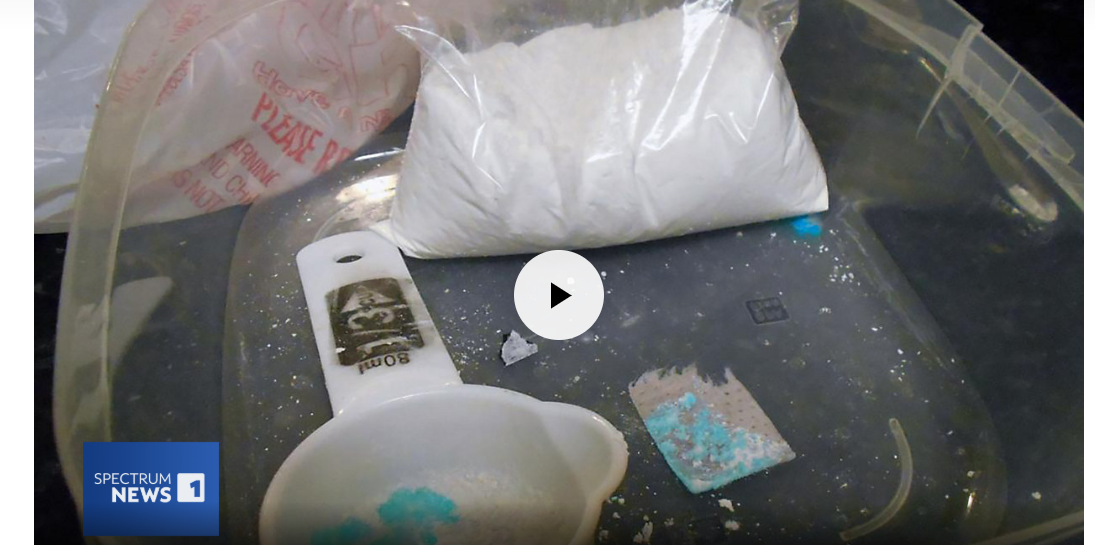
About the Data: Local drug checking data comes from a pilot project that collects and tests 20 used syringes each week to identify the substances present. These are preliminary findings of the pilot project and the sample isn't representative of the overall drug supply.
The results are shared with both the individual who used the syringe and the community, offering critical insights into the local drug supply and helping individuals take steps to better protect themselves and reduce potential risks. Click below to see more details and data from this initiative.
| |
Understanding Overamping
Recent reports predict that local cocaine-related deaths could nearly double recent years by the end of 2025, reaching close to 400 fatalities. While cocaine and fentanyl deaths are starting to decline, deaths from cocaine without any fentanyl are rising. This makes education around overamping more important than ever.
What is overamping?
Overamping is when someone experiences a stimulant overdose from drugs like cocaine, crack, or methamphetamine. Unlike opioid overdoses (which slow the body down), overamping causes dangerous overstimulation that can affect both the body and the mind.
Possible signs include:
- Physical: nausea or vomiting, chest pain, racing heartbeat, overheating/sweating, tremors, seizures, or sudden collapse (still breathing)
- Mental/emotional: extreme anxiety, paranoia, hallucinations, agitation, restlessness, or hyper-awareness
How to help:
- Move the person to a calm, safe space
- Offer water and help them cool down
- Call 911 if they collapse, have chest pain, or seizures
- If opioids may also be involved, give naloxone (Narcan). It won’t cause harm.
To learn more, check out Stimulant Overamping Basics from the National Harm Reduction Coalition.
| | |
Sign up to receive these community alerts:
Cuyahoga County Board of Health - Join the list for email alerts to stay informed about Overdose Spikes.
The SOAR Initiative (Safety. Outreach. Autonomy. Respect.) Subscribe to the alert network to receive notifications about overdose surges and bad batch alerts in your region.
The Overdose Response Bulletin - Not on the list to receive this email directly? Sign up today and stay informed on local overdose news, alerts, trends, and resources.
| | | Stimulants 101 Training Webinar on October 17th | | | |
Learn about stimulant use disorder in this engaging training that breaks down the science, stigma, and real-world responses. This webinar covers how stimulants affect the brain and body, how to recognize and manage overamping, practical de-escalation techniques, and evidence-based approaches to treatment and support.
Open to providers, peer supports, and anyone interested in learning more about effective care and response.
Don’t miss this opportunity to expand your knowledge and help save lives.
| | | University Hospitals Prehospital Paradigm Podcast: Harm Reduction in Substance Use Disorder | | | | |  | |
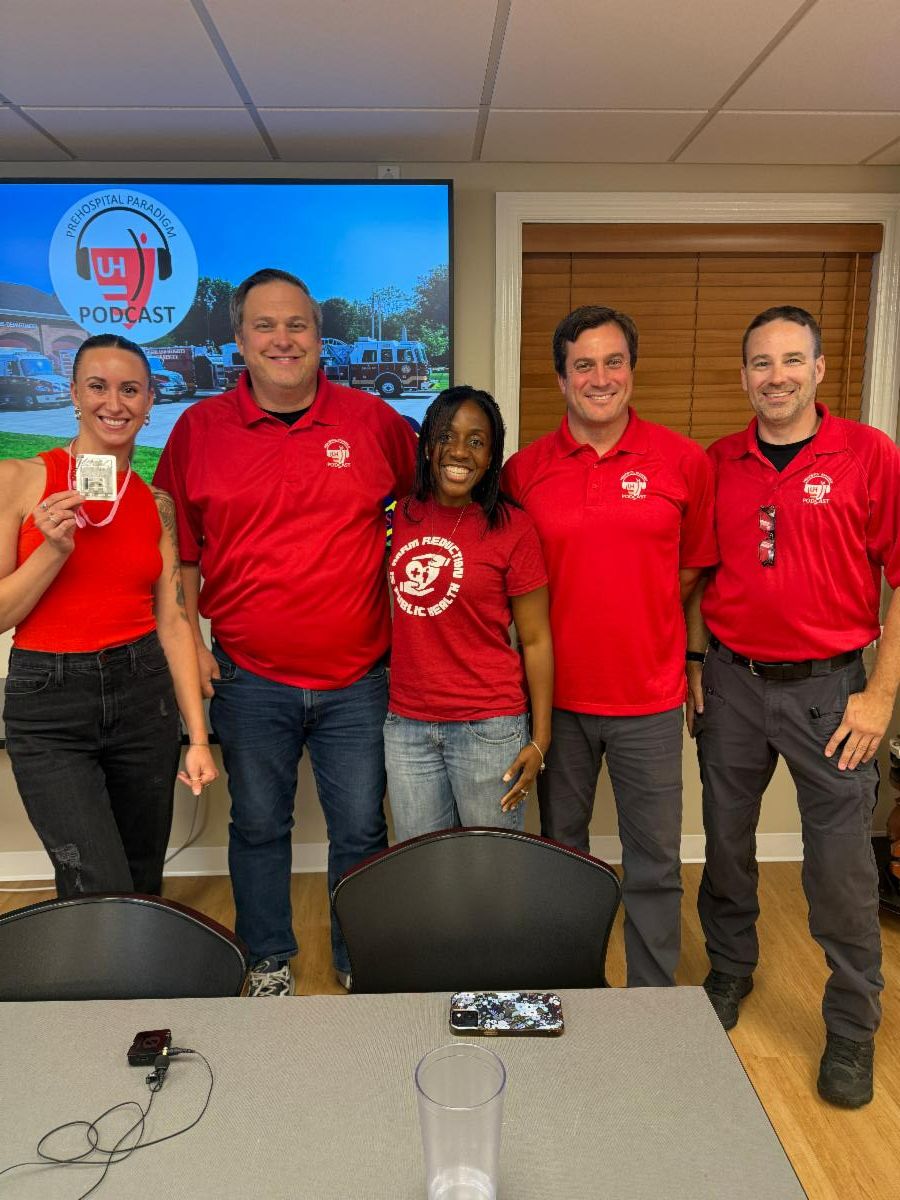
In this eye-opening episode of the Pre-Hospital Paradigm Podcast, Dr. Jon Hill and Scott Wildenheim are joined by Bethany Roebuck and Elisha Starkey of Thrive for Change, a Cleveland-based harm reduction nonprofit.
Together, they explore the real-life challenges and successes of harm reduction, tackling stigma, overdose response, safer use practices, and EMS integration. This episode bridges clinical EMS care with public health strategies, offering insights and tools for anyone committed to reducing overdose deaths and improving patient engagement.
This podcast was filmed live from Highland Heights Fire Department on Monday, 8/25 at 7:00pm.
| | | Prehospital Paradigm is dedicated to the education of all providers in the prehospital care of patients. This endeavor was started by John Hill, MD, Scott Wildenheim, Paramedic, Caleb Ferroni, Paramedic, and Ray Pace, Paramedic, with the release of the first podcast in 2023. | | | |
About This Initiative:
Coordinated by Thrive for Change through OD2A, the Overdose Response Bulletin is created with input from local organizations, agencies, community members, and individuals with lived experience. By working together, we’re building a resource that informs, connects, and supports those on the frontlines and those most impacted. Reply to this email to share content in the next bulletin, give feedback, or get involved!
Click here to learn about OD2A
| | |
This publication was supported by the Centers for Disease Control and Prevention (CDC) of the U.S. Department of Health and Human Services (HHS) as part of the Overdose Data to Action: LOCAL (CDC-RFA-CE-23-0003) award .
The contents are those of the author(s) and do not necessarily represent the official views of, nor an endorsement by, CDC/HHS or the U.S. Government.
| | | | |