September 18, 2026 - Issue 202 | | |
Fall is just about here and that means football season is here as well. Believe it or not, football season can present cybersecurity risks and in this issue, we will learn why.
Football season brings excitement, rivalries, fantasy leagues, friendly pools, mobile alerts, and more sports betting ads than ever before. For many fans, checking scores, managing fantasy rosters, or placing a legal wager has become part of the game-day routine. But whenever money, emotion, urgency, and online accounts come together, cybercriminals see opportunity.
| | This Week's Cybersecurity All-Stars | | |
This week's issue brings the return of recognizing our weekly "Cybersecurity All-Stars". I had stopped doing this for some reason. So, beginning this week that error will be corrected.
Weeks of September 7 - 13
- Wendy Mecke
- Tina Arasin
- Chris Hines
- Michele Wholey
Well done. Stop by the IT Department to claim your All-Star merch and show off your cybersecurity skills to your work mates.
| | Latest Vulnerabilities Report | |
As a Chief Information Security Officer, I receive regular reports from the Center for Internet Security (CIS). I am not sure why I haven't thought of this sooner, but "Cybersecurity Friday" is a great place to share these important security alerts. Beginning with this issue, I will share the alerts I have received.
Take the time to review them and if they apply to you, take action and as always, feel free to reach out to me with any questions.
| | Cybersecurity the NFL & Sports Betting | | |
The NFL has become more than a Sunday afternoon event. Fans follow injury reports, fantasy football updates, betting lines, player props, live odds, social media posts, and game-day promotions across phones, tablets, laptops, and smart TVs. That constant connection can make the experience more interactive; however, it also creates more places for scams, phishing, account takeover, fake apps, and payment fraud to appear.
Legal sports betting platforms, fantasy apps, and official team or league services all depend on accounts, passwords, payment methods, identity verification, location checks, and mobile devices. Those same features are exactly what criminals try to exploit. A scam does not need to understand football strategy. It only needs to trick a busy fan into tapping a link, entering a password, approving a login request, or depositing money into the wrong place.
| | When did the NFL Embrace Gambling? | | |
The NFL began openly embracing gambling after the U.S. Supreme Court overturned PASPA in 2018, which legalized state‑regulated sports betting. Within a few years, the league moved from fighting gambling in court to signing major sportsbook partnerships and placing a team — and eventually the Super Bowl.
This active embracement of sports gambling by the NFL (and all other sports leagues) has always bothered me deeply and is the one thing that has me questioning my love of sports, especially the NFL and MLB. It's one thing to enjoy Fantasy Football with your friends, however it's an entirely more dangerous thing to gamble on the outcome of a sports event that is littered with chaotic and unpredictable events.
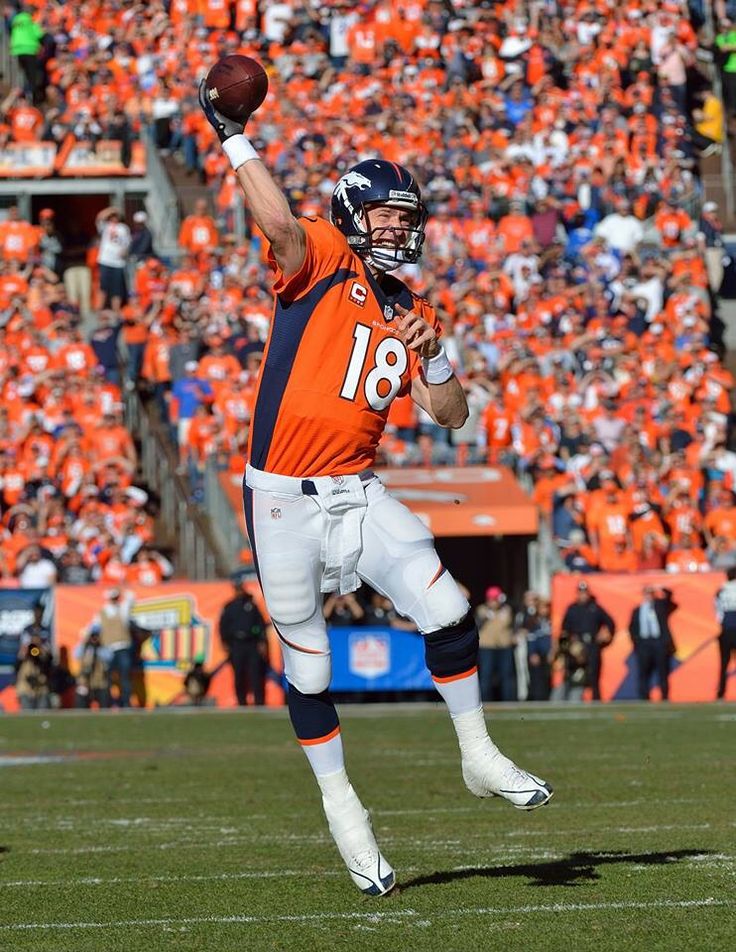
When Payton Manning began appearing in sports betting advertisements in 2021, I knew the battle was lost and that sports gambling in addition to being an addictive problem for many would also become a battlefield for cybercriminals.
| | Beware "Insider" Infomation | | |
Sports betting scams are not limited to fake apps. Social media, group chats, and messaging platforms are full of people claiming to have guaranteed picks, insider injury information, locked-in parlays, or secret systems. Some charge for access to “premium” tips. Others ask users to send money so they can place bets on their behalf. These scams rely on excitement, fear of missing out, and the hope of easy money.
No one can guarantee the outcome of a sporting event. Be cautious of anyone who pressures you to pay quickly, move a conversation to a private channel, use cryptocurrency, share account access, or bet through an unfamiliar link. If the offer depends on secrecy, urgency, or a promise that sounds impossible, it is probably not trustworthy.
| | Why the NFL Attracts Scammers | | |
Football season creates the perfect conditions for online scams. Fans are emotionally invested, games move quickly, betting odds change in real time, and promotions often include urgent language such as “limited time,” “boosted odds,” “risk-free,” or “claim now.” Scammers use that same sense of speed to push people into quick decisions.
A fake sportsbook message may claim your account is locked before kickoff. A text may promise a bonus if you deposit immediately. A social media post may advertise “guaranteed picks” from a supposed insider. A search result may lead to a copycat betting site. The scam looks like part of the sports experience, but the goal is to steal money, payment information, login credentials, or personal details.
| | Fake Apps & Betting Promotions | | |
Not every betting website or app is legitimate. Criminals can create fake sportsbooks that look professional, run ads on search engines or social media, and use familiar sports language to appear trustworthy. Some may offer unrealistic bonuses, guaranteed winnings, or deposit matches that seem too good to pass up. After a victim creates an account and adds money, the site may refuse withdrawals, demand additional fees, steal payment information, or disappear entirely.
Before using any sports betting platform, make sure sports betting is legal where you are and use only state-licensed, regulated operators. Avoid offshore or crypto-based gambling sites that promise anonymity, unusually large payouts, or easy access from anywhere. If a site avoids basic identity checks, hides ownership information, or pushes cryptocurrency payments, treat that as a serious warning sign.
| | Watch Out for Game Day Scams | | |
Scammers know when fans are distracted. A message that arrives right before kickoff, during halftime, or after a big win may feel believable because the timing fits. Watch for fake alerts about locked accounts, suspicious bets, expired bonuses, payout problems, identity verification, tax forms, fantasy league payments, or ticket issues. These messages may lead to phishing sites that copy real brands and collect usernames, passwords, payment cards, Social Security numbers, or one-time security codes.
The safer move is to avoid the link in the message. Open the official app or type the known website address yourself. If customer support contacts you unexpectedly, do not provide passwords, verification codes, or payment details. Real support teams should not need your password or one-time login code.
| | Football should be fun. Whether you are cheering for your team, managing a fantasy lineup, watching the point spread, or simply enjoying the game with friends, do not let excitement override caution. Cybercriminals do not care who wins on the field. They care about stealing accounts, money, and information. Slow down before you tap, verify before you deposit, protect your accounts, and remember that the best defense on game day may be a healthy dose of skepticism. | | Antivirus software. I am surprised how many people still pay for this on their personal computers. Find out why you should save your money by not paying for AV software in next week's exciting issue of "Cybersecurity Friday". | | |
William Mann, CGCIO | Borough of West Chester | | | | | |